Published: 08 December 2025. The English Chronicle Desk. The English Chronicle Online.
In the quiet corridors of power where decisions shape lives, a significant shift unfolds for Prince Harry. Reports reveal that his security arrangements in the United Kingdom now stand under formal government review. This development marks a pivotal moment, one that could redefine how the Duke of Sussex navigates his ties to the land of his birth. For years, the prince has voiced deep concerns over threats that shadow his every step. Now, the Home Office steps in with its first threat assessment since 2020. The move comes after persistent legal battles and personal pleas. It highlights the delicate balance between royal heritage and modern realities. Families like Harry’s yearn for safe returns home, yet vulnerabilities persist in a world of heightened risks.

Prince Harry, once at the heart of the monarchy’s inner circle, stepped away from senior royal duties in 2020. That choice reshaped his world, leading him across the Atlantic to California with his wife, Meghan, the Duchess of Sussex. Their young children, Prince Archie and Princess Lilibet, have rarely set foot on British soil since. The prince has often spoken of the pain this separation brings. He dreams of sharing the UK’s rich history with his little ones, from misty castles to vibrant festivals. But safety fears loom large, casting long shadows over those aspirations. Harry’s legal fight against reduced protection ended in heartbreak this May. The Court of Appeal upheld the Home Office’s stance, leaving him to fund his own safeguards. In heartfelt words, he called it impossible to bring his family back safely. Those statements echoed far, stirring public debate on duty and protection.
The review process gains momentum this autumn, sparked by Harry’s direct outreach. Shortly after Shabana Mahmood took office as Home Secretary, he penned a letter to her desk. In it, he urged a fresh look at his circumstances through the Executive Committee for the Protection of Royalty and Public Figures, known as Ravec. This body, nestled under the Home Office umbrella, weighs threats to high-profile figures with precision. A source close to the prince shared details in October, noting the formal request for reassessment. Ravec, in turn, directed its Risk Management Board to dive deep into the matter. Evidence gathers from police reports, government insights, and Harry’s own team. The Sun broke the story, confirming the assessment’s underway status. A decision looms next month, potentially in January, offering hope amid uncertainty.
This isn’t mere bureaucracy at play; it’s a human story woven with threads of fear and resilience. Consider Harry’s recent UK visit in September, a trip meant for reflection and family ties. Yet danger brushed perilously close, as the Daily Telegraph detailed in chilling accounts. A known stalker approached within feet of him not once, but twice. Those encounters underscore the prince’s warnings, where threats feel all too real. Born into a life of privilege, Harry inherited risks that no title can fully shield. His military service in Afghanistan amplified those dangers, drawing ire from extremists worldwide. Now, as a father, he shields his children from such shadows. The review could restore taxpayer-funded police detail, easing the burden of private costs that run into millions annually. It might even open doors for Archie and Lilibet to embrace their grandfather, King Charles, in safer embraces.
Government voices remain measured, guarding secrets that protect lives. A spokesperson emphasized the system’s rigor and proportion. They stressed a long-held policy against public disclosures, lest they unravel the very safeguards in place. This stance reflects broader tensions in royal security protocols, where transparency clashes with necessity. Since 2020, Harry’s visits demand thirty days’ notice to the Metropolitan Police. Each trip triggers individual threat evaluations, a bespoke arrangement that feels fragmented to him. Critics argue it singles him out unfairly, given his sixth place in the line of succession. Supporters of the current model point to fiscal responsibility, questioning why taxpayers shoulder endless burdens for those who stepped away. Social media buzzes with divided opinions, from calls for full restoration to demands he fund his own path.
Delve deeper into the timeline, and layers of complexity emerge. The 2020 Ravec decision followed Harry’s announcement to step back as a working royal. What began as a quest for independence soon tangled in legal webs. High Court rulings in 2023 deemed the protection downgrade lawful, citing no discrimination. Harry’s barristers fought on, claiming inferior treatment endangered his life. Emotional testimonies poured out, painting pictures of a man torn between worlds. He described the UK as central to his children’s heritage, a place they deserve to call home. Yet without robust shields, those visits remain dreams deferred. The May appeal loss deepened the rift, with Harry labeling it an establishment stitch-up. Public sympathy swelled, especially after glimpses of his family life in California, where warmth contrasts with distant shores.
Now, this review injects fresh possibility into strained familial bonds. King Charles, battling health challenges, longs for reconciliation with his son. Whispers of potential meetings during holidays fuel speculation, but security stands as the unspoken barrier. Restored arrangements could facilitate warmer gatherings, perhaps at Windsor or Balmoral. Imagine Archie chasing leaves in autumn gardens, Lilibet giggling at royal tales—scenes Harry cherishes yet protects fiercely. Meghan, too, weighs in silently, her own experiences with media scrutiny adding gravity. Their Archewell Foundation thrives stateside, channeling energies into compassion and change. Yet roots pull them back, where history and heart entwine.

Broader implications ripple through royal circles and beyond. Other non-working royals navigate similar terrains, prompting questions on equity. Does birthright demand perpetual vigilance, or should choices carry consequences? Parliament watches closely, as debates on public spending intersect with empathy for vulnerability. International eyes turn too, noting how nations handle exiled elites. In the US, Harry’s life blends activism with privacy, but UK visits stir nostalgia and noise. Recent X posts capture the pulse: some hail the review as a win for fairness, others decry it as undue privilege. One user quipped about taxpayer burdens, while another hoped for family healing. These voices remind us that royals remain human, their struggles mirrored in ours.
As the Risk Management Board sifts through dossiers, Harry’s team builds a compelling case. They highlight evolving threats, from online vitriol to physical proximities like the stalker’s approach. Data from global intelligence underscores persistent dangers, tied to his profile and past. If approved, armed protection would activate automatically on UK soil, a seamless net against unknowns. The alternative? Continued bespoke measures, with advance planning that disrupts spontaneity. Harry’s frustration stems from this rigidity, where life’s rhythms demand flexibility. He envisions casual jaunts to London parks or countryside escapes, unmarred by dread.
Reflect on the emotional toll, and the narrative deepens with humanity. Fatherhood transformed Harry, sharpening his resolve against inherited perils. Stories from his memoir Spare revealed raw edges of loss and loyalty. The security saga amplifies those themes, a quest not for luxury but survival. Meghan’s voice, though quieter here, echoes in their shared resolve. Together, they champion mental health, drawing from scars of scrutiny. This review tests institutional adaptability, whether old structures bend for new realities. Success could mend fractures, inviting the Sussexes into fuller British embraces. Failure might widen chasms, confining visits to virtual hellos.
Public discourse evolves alongside, with media outlets like Sky News and Metro unpacking nuances. They spotlight the U-turn’s rarity, a concession after courtroom defeats. Fitzwilliams, a royal commentator, suggests it paves paths for family returns. Optimism tempers caution, as January’s verdict approaches. Will it affirm threats warrant full measures? Or reaffirm bespoke as sufficient? The answer shapes not just Harry’s horizon but perceptions of royal equity.
In weaving this tale, one sees the prince not as distant figure but devoted dad. His plea resonates universally—who wouldn’t fight for loved ones’ safety? As fog lifts on this review, clarity emerges on priorities: protection over protocol, family above formality. The UK, with its storied monarchy, grapples with evolution. Harry’s journey mirrors that, a bridge between eras. Whatever unfolds, it underscores a truth: security isn’t abstract; it’s the quiet guardian of dreams deferred no longer.
Related News:
 A Royal Smile for Twelve: Prince George’s Birthday Photo Delights the Nation
 Royals, Ratings, and Renewals: Harry and Meghan Eye Record Netflix Deal Amid Mixed Reception
 Prince Harry Cleared of Bullying Allegations Amid Charity Dispute Fallout
 Princess Anne at 75: Duty, Discipline, and a Royal Life Without Fus
 Close Friend of Princes William and Harry Faces Delicate Godparent Decision
 Where Is Prince William and Kate Middleton’s New House? Inside the Historic Lodge Set to Become Their ‘Forever Home’
 Princess Kate Revealed as the Ultimate Supportive Parent at Children’s Sporting Events
 Duke and Duchess of Edinburgh to Embark on Key Diplomatic Visits to Papua New Guinea and Japan
 Royal Family Turmoil: Prince Harry’s Moves, Palace Reactions and the Future of the Monarchy
 Boris Johnson Allegedly Plotted ‘Revenge’ on King Charles Over Political Remark
 Meghan Markle’s Netflix Show Faces Uncertain Future After Ratings Drop
 Duchess of Kent Dies at 92, Buckingham Palace Confirms
 Prince Harry Pays Tribute to Queen Elizabeth on Third Anniversary of Her Passing
 Prince Harry Meets King Charles in First Private Encounter in 19 Months
 George and Amal Clooney Celebrate Global Human Rights Champions at Star-Studded Albies
 Prince Harry Responds to Charity Commission Criticism Over Sentebale Row
 Sussexes Warn on Children’s Phone Use Echoing Princess of Wales
 Prince Andrew told Epstein “we are in this together”
 Admiral of the Fleet Sir David Bathurst Dies Aged 89
 King Charles to pray publicly with pope in historic Vatican visit
Prince Andrew steps aside as royal succession shifts
Prince Andrew under police scrutiny over Giuffre claims
Giuffre’s bombshell memoir names Prince Andrew 88 times in shocking revelations
King Charles to pray publicly with pope in historic Vatican visit
Prince Andrew steps aside as royal succession shifts
Prince Andrew under police scrutiny over Giuffre claims
Giuffre’s bombshell memoir names Prince Andrew 88 times in shocking revelations
 Harry and Meghan join global AI leaders urging superintelligence ban
 William Steps Up Over Prince Andrew Palace Response
 Prince Andrew May Leave Royal Lodge for Frogmore Cottage
 King Charles Heckled Over Prince Andrew-Epstein Links
Prince Andrew Hosted Epstein Days Before Arrest
Prince Andrew Under Pressure as MPs Question Royal Lodge Rent Arrangements
King Charles Heckled Over Prince Andrew-Epstein Links
Prince Andrew Hosted Epstein Days Before Arrest
Prince Andrew Under Pressure as MPs Question Royal Lodge Rent Arrangements
 Prince Andrew Stripped of Title: Giuffre Family Hails Historic Moment
 Kate Winslet to Narrate Film Highlighting King’s Environmental Mission
Trump Speaks on Prince Andrew’s Royal Scandal Fallout
Kate Winslet to Narrate Film Highlighting King’s Environmental Mission
Trump Speaks on Prince Andrew’s Royal Scandal Fallout
 Prince of Wales showcases volleyball skills on Brazil visit
 Is Carbis Bay Hotel the Best Stay on North Cornwall’s Coast?
 Prince William Plants Trees with Brazil’s Nature Heroes
 Meghan ‘to return to acting’ after eight-year hiatus
 Oprah enjoys Meghan’s jam on English muffins
 Earl of Yarmouth Faces £1.3m Legal Bill Over Family Estate
 King Charles to Lead Nation in Remembrance Sunday Service
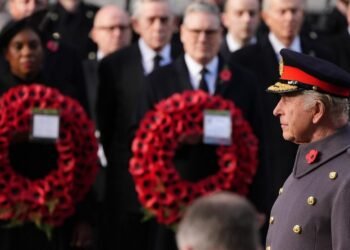 Second world war veterans honoured as King leads Remembrance Sunday
 The Debate Over Princess Beatrice and Eugenie’s Royal Status Intensifies
 Farage appointee to lead Reform youth accused of anti-British views
Palace to reinstate hyphen in Andrew’s surname
Farage appointee to lead Reform youth accused of anti-British views
Palace to reinstate hyphen in Andrew’s surname
 Princess of Wales Hosts Festive Christmas Service at Abbey
 Thai King Embarks on Historic China Visit After 50 Years
 Andrew Told Epstein ‘I Can’t Take Any More’ Over Media Storm
 Royal Hopes Rest on George and the Next Generation
 Princess Eugenie-Linked Gallery Faces Russia Sanctions Charges
 Princess of Wales Hosts Carol Service Celebrating Love for All
 Princess Anne Takes the Controls in Airbus Flight Simulator
 Princess Beatrice Opens Up About Premature Birth Journey
 107-Year-Old Veteran Credits Whiskey for Longevity
 What Now for the Queen’s Childhood Playhouse After Andrew’s Eviction?
 Catherine urges end to stigma around addiction
 King Charles Pledges to Defend Europe Against Russia
 Treasury Opens Inquiry into Autumn Budget Leak Claims
 Families to Receive Support to Exit Temporary Accommodation
 Labour MP’s Biscuit Debt Video Surges Past 3.3m Views
 UK Ends Haven Status for Dirty Money in Bold New Crackdown
 UK Asylum Crackdown Fuels Deaths and Violence