Published: 20 February 2026. The English Chronicle Desk. The English Chronicle Online.
A Labour minister emails controversy has erupted after fresh disclosures linked a senior figure to claims about journalists and Russian propaganda. The allegations centre on Josh Simons and messages sent to British intelligence officials in early 2024.
The newly revealed correspondence shows Simons personally named reporters to security officials. He allegedly suggested their reporting formed part of a coordinated pro-Kremlin campaign. The Labour minister emails were addressed to the National Cyber Security Centre, a branch of GCHQ.
Simons, now a Cabinet Office minister, denies the claims are accurate. A spokesperson said the allegations are untrue and misrepresent his intentions. However, the messages reportedly detail his role in passing information about several journalists.
The controversy stems from a 2023 investigation into Labour Together, a thinktank closely aligned with senior party figures. At the time, Labour Together had failed to declare significant political donations. The undeclared sum, amounting to £730,000, later led to action by the Electoral Commission.
The regulator fined the organisation more than £14,000 for breaching electoral law. That ruling placed renewed scrutiny on Labour Together’s internal governance. It also intensified media interest in how the donations were handled.
The Sunday Times investigation was led by Gabriel Pogrund and Harry Yorke. Their reporting drew on documents linked to the Electoral Commission case. Freelance reporter Paul Holden was also credited for providing material.

After publication, Simons commissioned a 58-page dossier from APCO Worldwide. The contract reportedly cost £36,000 and sought to examine the story’s origins. According to disclosed details, the brief aimed to build narratives countering future criticism.
The Labour minister emails show Simons later contacted the cyber security authorities directly. He suggested the article could have originated from a hostile hack. The messages speculated about links to Russian disinformation networks.
Intelligence officials had already attributed the Electoral Commission cyber attack to China. Despite that assessment, Simons’ correspondence emphasised potential Russian involvement. He argued that sensitive information may have been leaked deliberately.
In one message, he wrote that the dissemination of information posed risks to democracy. He urged officials to consider national security implications before a general election. The tone, according to sources familiar with the exchange, was insistent.
Critics argue the Labour minister emails crossed a troubling line. They say elected figures should not involve intelligence services in disputes with journalists. Some of those named described the episode as intimidating and distressing.
Holden has spoken publicly about the experience. He said discovering private details had been gathered felt deeply invasive. He described the allegations linking him to pro-Kremlin propaganda as baseless.
The emails reportedly mentioned his partner, Jessica Murray, and her father. Her father, Andrew Murray, previously advised Jeremy Corbyn during his leadership. The correspondence allegedly suggested Andrew Murray was suspected of links to Russian intelligence.
Andrew Murray has categorically denied that allegation. He described it as a smear with no factual basis. He said such claims divert attention from legitimate questions about political donations.
The private nature of Holden’s living arrangements added to the alarm. He said he had taken precautions to protect his home address. Learning that investigators had identified those details left him unsettled.
APCO Worldwide has been approached for comment regarding its methodology. Sources suggest a fraud investigation tool was used to gather residential data. The firm has not publicly addressed those claims in detail.
Within government, the fallout has widened. Simons is under review by the Cabinet Office propriety and ethics team. The inquiry is examining his decision to commission and circulate the dossier.
The Labour minister emails have become central to that review. Questions remain over whether all correspondence was disclosed to investigators. His spokesperson declined to clarify the scope of material shared.
Simons has said he was surprised and distressed by aspects of the report. He maintains that unnecessary personal information was removed before submission. Yet the emails appear to reference the same journalists by name.
The National Cyber Security Centre ultimately declined to investigate further. Officials advised that leaked information can emerge through many channels. They did not pursue the theory of a Russian operation.
Observers say the case highlights tension between politics and security institutions. Intelligence agencies are expected to remain independent from party disputes. The perception of political pressure can erode public trust.
Within Labour circles, reactions have been mixed. Some figures privately express concern about reputational damage. Others argue the matter is being politicised ahead of future elections.
The involvement of Keir Starmer and adviser Morgan McSweeney was mentioned in the emails’ broader context. The theory suggested an attempt to undermine senior leadership. No evidence has emerged supporting claims of coordinated foreign interference.
Media freedom advocates have voiced unease. They warn that linking reporters to hostile states without proof risks chilling investigative journalism. The UK has long championed a free and robust press.
Legal experts note that unfounded allegations can carry serious consequences. Suggesting ties to foreign intelligence services is not a trivial matter. It can harm careers and personal safety.

The Labour minister emails also raise ethical questions about thinktank operations. Labour Together was closely associated with internal party strategy. Its failure to declare donations already prompted regulatory sanctions.
For some analysts, the key issue is proportionality. Was it appropriate to escalate a media dispute to cyber security authorities? That question now frames much of the debate.
Simons insists he acted out of concern for potential hacking. Supporters say public bodies should report suspected cyber breaches promptly. Critics counter that the evidence presented was speculative.
Parliamentary standards experts say transparency will be vital. Clear disclosure of communications could help restore confidence. The Cabinet Office review is expected to report in due course.
Meanwhile, those named in the correspondence continue to reject the claims. They maintain their reporting was based on whistleblower material. No outlet published the more serious allegations circulated privately.
The Labour minister emails controversy has therefore evolved beyond a single dossier. It now touches on government accountability, press freedom and national security boundaries. For many observers, the episode serves as a cautionary tale about conflating political defence with intelligence threats.
As Britain approaches another election cycle, scrutiny of political conduct is intensifying. Voters expect integrity from ministers and institutions alike. The final conclusions of the ethics review may determine whether this dispute fades or deepens.
What remains clear is that trust, once shaken, can prove difficult to rebuild. The coming weeks will test how firmly public standards are upheld.
Related News:
 British Woman in Iran ‘Losing Hope’ Amid Ongoing Detention
 BBC Journalist Held and Interrogated in Vietnam
 Green Party Surges Past Labour in Latest UK Poll
 Celebrities and Charities Demand UK Government Act on Child Poverty
 Trump’s UK Ambassador Urges North Sea Drilling to Strengthen US Ties
 FBI Director Kash Patel Defends Girlfriend Amid Government Jet Claims
 French Taxi Driver Cleared in David Lammy Theft Case After Fare Dispute
 MPs Press Rachel Reeves to Hike Gambling Taxes
 Boris Johnson accused of undermining BBC leadership
 ‘Reckless’ cuts to victims’ services will cost more than they save
 Millionaires group urge Reeves to introduce wealth tax to ‘lift kids out of poverty’
 Starmer Faces Growing Dissent as Labour MPs Weigh Leadership Challenge
 Reeves rejects £1bn plea for NHS redundancy payouts
 Farage appointee to lead Reform youth accused of anti-British views
 Politics latest: Starmer ‘will fight any leadership coup’ as Streeting denies attempt to oust Labour PM
 PM Condemns Leaks, Vows Loyalty to Ministers and Stability
 Major Rent Reform Ends No-Fault Evictions in England
 Peers Flood Assisted Dying Bill with 942 Amendments
 England’s Special Needs Support Faces Breaking Point
 MoD warned over Excel risks before Afghan data breach
 UK Asylum Overhaul Sparks Debate Over Human Rights and Deportations
 UK Candidate Moved to Safe House After Election Threats
 Mahmood Defends Tough Overhaul of UK Asylum System
 UK Warns China After MI5 Issues Espionage Alert
 UK Vulnerable to Attack, Defence Committee Finds
 Labour Faces Historic Decline in Wales
 Rama Rebukes Mahmood for Targeting Albanian Families
 PM Highlights UK Business at G20 in South Africa
 Kate Forbes: Motherhood Harder Than Politics
 Welsh Government Christmas 2020 Lockdown Criticised
 Most Tories Expect to Support a Farage-Led Government
 Labour MP claims devolution bill is ‘blatant discrimination’ against Cornwall
 Millions Face Higher Taxes Under Reeves New Budget
 Peers Get Extra Time to Debate Assisted Dying Bill
 Planned Palestinian Flag Raising at Belfast City Hall Faces Delay Amid Legal Concerns
 Government righting decades-old injustice for miners
 Starmer Says Labour’s Economic Plan Needs Years to Deliver
 Culture secretary to review Telegraph takeover by Daily Mail owner
 Andy Burnham Apologises for Past LGBTQ+ Police Discrimination
 Reeves Slams Farage Over Two-Child Benefit Cap Opposition
 Plans to Limit Jury Trials Face Retreat After Mounting Opposition
 Jenrick Reform defection deepens Tory civil war
 Right Must Unite After Jenrick Defection, Urges Rees-Mogg
 UK Ministers Drop Foreign Student Targets for Global Education Push
 MPs warn AI financial risks threaten UK stability
 MPs warn AI financial risks threaten UK stability
 No Gas Boiler Ban as UK Warm Homes Plan Backs Heat Pumps
 Hugh Grant Joins Call for Under-16 Social Media Ban in UK
 Shinzo Abe’s killer receives life sentence in Japan
 Lords Vote Piles Pressure on Starmer Over Social Media Ban
 Planned Troubles Board Game Sparks Outrage in Northern Ireland
 Reform UK Health Plan ‘Would Cost £1.7bn’, Streeting Says
 Police response times face strict new national limits
 Labour policing overhaul sparks fears over growing central control
 Tories criticised after Braverman defection sparks mental health row
 Burnham Westminster return hopes fade amid Labour rift
 Starmer warns of toxic division politics in Reform challenge
 Starmer China visit raises human rights pressure on Beijing
 Labour Must Revive High Streets to Avoid Election Collapse
 Conservative Party Rejects Centrism Under Badenoch’s Leadership
 Calls Grow for King Charles to Apologise for Crown’s Role in Slavery
 Starmer Signals UK Return to EU Defence Pact Talks
 Starmer crisis deepens as Labour MPs turn on PM
 Palantir contracts face UK halt calls over transparency
 Labour Thinktank Row Deepens Over Journalist Probe Claims
 Morgan McSweeney downfall shocks Labour leadership
 Sarwar call shakes Labour as No 10 calms fears
 Labour Lord Doyle Apologises Over Paedophile Ties in Political Storm
 Palestine Action Verdict Sparks Debate on Activist Tactics
 Cabinet Secretary Shake-Up Triggers Due Diligence Warning
 Starmer Faces Inquiry Calls Over Thinktank Probe
 Royal Mail Delivery Crisis Deepens Amid Weather Chaos
 Labour Together probe scandal sparks fresh Cabinet Office investigation
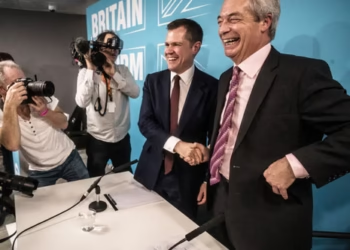 Farage to Name Jenrick as Reform Chancellor Pick
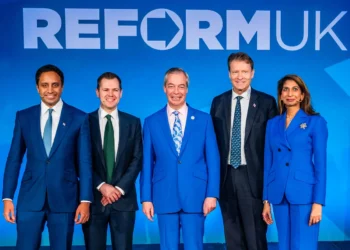 Farage Unveils Reform UK Frontbench Team
 NHS Negligence Ruling Raises Payout Costs
 Civil Service Pay: Union Urges Ministers to End ‘Barking Mad’ Limits
 Antonia Romeo appointment sparks criticism
 Trump and Chagos Deal Rift Over Iran Strikes
 Andrew Mountbatten-Windsor Arrest After FBI Radar