Published: 11 January 2026. The English Chronicle Desk. The English Chronicle Online.
The Adelaide festival controversy has reignited national debate over artistic freedom and cultural sensitivity. The festival controversy emerged after South Australia’s premier, Peter Malinauskas, noted that the Adelaide Festival had previously removed a Jewish columnist in 2024 despite pressure from ten academics, including Randa Abdel-Fattah. This statement highlighted perceived inconsistencies in how the festival board treated Thomas Friedman in 2024 versus Abdel-Fattah in 2026. Observers suggest that the current festival controversy reflects broader tensions between public pressure, political influence, and ethical responsibilities in programming decisions at major cultural events.
In 2024, Abdel-Fattah and nine other academics formally requested the festival withdraw Thomas Friedman, a New York Times columnist, following a column comparing Middle Eastern conflicts to the animal kingdom. The festival board rejected this petition, emphasizing the organisation’s reputation and commitment to artistic freedom. A letter dated 9 February 2024, signed by Adelaide Festival chair Tracey Whiting, explained that cancelling an artist was an extremely serious action. Friedman was scheduled to contribute online, and his absence resulted from last-minute scheduling conflicts, not censorship.

Abdel-Fattah has strongly criticised her removal from the 2026 festival, calling it “blatant and shameless” anti-Palestinian racism. She rejected accusations of hypocrisy, noting her previous call for Friedman’s exclusion in 2024 due to dehumanising and discriminatory language. Abdel-Fattah highlighted that Friedman’s column compared Arab and Muslim nations to insects and vermin, analogies historically used against Jewish people. She contrasted this with her own cancellation, which she claimed was based solely on her Palestinian identity and advocacy, further intensifying the festival controversy.
Premier Malinauskas reiterated his support for the board’s decision to remove Abdel-Fattah, framing it as consistent with past actions regarding Friedman. News outlets noted the stark contrast in public response: Friedman’s alleged removal in 2024 did not provoke mass withdrawals, while Abdel-Fattah’s cancellation prompted more than seventy participants to withdraw, amplifying the festival controversy and raising concerns over fairness in programming decisions.
Festival board statements emphasised that Abdel-Fattah’s removal was based on concerns regarding cultural sensitivity in the immediate aftermath of the Bondi atrocity. Officials clarified that no connection was suggested between her writings and the tragedy. The board also acknowledged that the decision might disappoint some and pressure other participants, stressing that it was not taken lightly. These factors contributed directly to the ongoing festival controversy.
Past festival controversies provide context for this debate. In 2023, director Louise Adler resisted removing Palestinian authors Susan Abulhawa and Mohammed El-Kurd, despite sponsor withdrawals and boycotts from Ukrainian writers. Adler argued that literature festivals must be brave spaces for confronting difficult ideas rather than safe spaces for consensus. The board supported her decision, with Malinauskas stating politicians should not dictate what is culturally appropriate. These earlier incidents foreshadowed the present festival controversy.
The Friedman and Abdel-Fattah cases underline the difficulty festivals face in balancing artistic freedom with sensitivity toward marginalized communities. Critics argue that inconsistent application of principles fosters distrust, while supporters contend that context and timing are critical in programming decisions. The 2026 Adelaide festival controversy has therefore sparked national debate on censorship, inclusion, and the responsibilities of cultural institutions.

Analysts note that festival boards globally increasingly face pressures from social media campaigns, online backlash, and political scrutiny. The Adelaide festival controversy demonstrates how such pressures can influence artistic decisions and provoke intense public reaction. Organizers must carefully navigate these challenges to maintain credibility while protecting artists’ freedom of expression.
Abdel-Fattah emphasised the reputational and emotional consequences of her removal, framing it as identity-based marginalisation. Her cancellation sparked discussions on whether festival boards have adequate mechanisms to safeguard diverse voices while balancing societal sensitivities. Experts argue that consistent policies are essential to prevent similar controversies and maintain trust among participants and audiences.
Ultimately, the Adelaide festival controversy highlights the delicate balance between defending creative expression and responding to community standards. The Friedman and Abdel-Fattah cases serve as cautionary examples for cultural institutions, showing that inconsistent application of principles can undermine trust. The outcomes of these decisions will likely shape festival programming practices and influence debates on freedom of expression and inclusion across Australia.
Related News:
 Victoria Police Ends Warrantless Search Powers, Consolidating Peace
 Liberal Turmoil Threatens Victorian Election Hopes
 Racist Attack on Imam Sparks Melbourne Police Action
 PM pushes urgent hate speech and gun laws after Bondi terror attack
 Hanson and Joyce Use Rinehart Jet to Tour Flooded Queensland
 Craig Silvey faces charges over child exploitation material in Australia
 Labor’s Hate Speech and Gun Laws Face Federal Roadblocks
 Bondi memorial flowers preserved in lasting tribute artwork
 Sydney shark attack leaves boy critically injured in harbour waters
 Sydney Shark Attack Surge Shocks Australia Beaches
 Melbourne Antisemitic Attack Targets Young Boys
 NSW Shark Attacks Surge, Authorities Urge Swimmers to Stay Out
 Nationals Crisis Meeting Threatens Coalition Stability
 Sussan Ley leadership milestone shakes Liberal future
 Deadly NSW Shooting Leaves Three Dead, Gunman Escapes
 Silence and Unity Mark Bondi Terror Attack Memorial
 Andrew Hastie Emerges as Leadership Rival to Ley
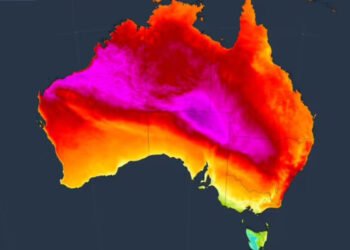 Record-Breaking Heat Looms Over South-East Australia as Catastrophic Fire Risk Escalates
 Victorians Evacuate Otways Amid Massive Fire Threat
 David Speers to host ABC panel on Jewish Australian experiences
 Morrison Faces Backlash Over Call to Regulate Islam in Australia
 How Sandhill Ashes Rebuilt a Bushfire-Hit Rural Community
 David Littleproud and Sussan Ley to Discuss Coalition Future
 Jess Wilson Event Exit After Joyce Controversy
 Townsville Hospital Probes Privacy Breach After Activist Posts Foetus Image
 Psychiatric failings linked to Bondi Junction stabbings, coroner finds
 Gus Lamont Case: Grandmothers ‘Devastated’ by Major Crime Status
 Australia’s Opposition Coalition Reunites After Rift
 Lenore Taylor steps down as Guardian Australia editor
 Liberal Party Faces Leadership Spill as Taylor Challenges Ley
 Angus Taylor Faces Immense Test with New Frontbench
 Sydney Businessman Falsely Claimed Security Advice Came From Kevin Rudd
 NSW to Introduce Minimum Age for Ebike Riders
 NSW Braces for Return of IS-Linked Women and Children
 Reserve Bank May Hike Rates Twice Amid Persistent Inflation
 ‘It’s a horrible feeling’: Loma Bropho’s Struggle to Secure Housing
 Anthony Albanese Must Uphold Rights for All Australians
 Liberal Review Shelved After Historic Election Loss
 SA Liberals Back Candidate With Controversial Views on Homosexuality
 Family of Alleged Bondi Gunman Seeks Name Suppression
 Victorian Liberals Face New Crisis Over Candidate Ethics
 Sam Konstas Dropped as Australia Unveils New Contract List
 Labor Reforms NDIS Amidst Mounting Budget Concerns
 Governments Fail Murray-Darling River Projects
 Senator’s Anzac Day Post Sparks Online Music Controversy
 Record May Heat to Cold Front in Eastern Australia
 Queensland Government Faces Heat Over Ministerial Scandal
 Search Intensifies for Missing Hiker on WA Bibbulmun Track
 One Nation Stuns Australia With Historic Farrer Win
 Tony Abbott Returns as New Liberal Party President
 Tony Abbott Returns as New Liberal Party President
 Man killed in shark attack on Great Barrier Reef
 Shockwaves Across Australian Cricket as Melbourne Rivals Dissolve
 Global Tech Giants Face Off Against Australia Over Media Levies
 NSW Prosecutors Charge Labor Officials Over Campaign Funds
 The impact on families six months after Australia’s social media ban
 Breakthrough in Hunt for Sovereign Citizen Accomplices
 A State in Turmoil: Aussie MP Denies Assault Allegation
 The Crisis of Essential Medication Withdrawals
 Moira Deeming Gains Respite in Liberal Party Standoff
 Court Lifts Suppression on Senator Thorpe MCG Assault Case
 China’s Pacific Missile Test Sparks Regional Alarm
 The Melbourne Bird: Art or Vandalism?
 Taylor Defends Henderson Over Triple-Zero Calls
 Brisbane School Stabbing Leaves Teenager Critical
 Sydney’s Metro Future: Fast Trains but Delayed Start
 Zelenskyy Signs Fighter Jet Deal Amid Russian Drone Attacks
 Sundar Pichai Cautions on AI Hype and Market Risks
 Shadow Fleet at Sea: Europe’s Battle Against Illicit Oil Shipping
 Snow and Ice Cause Travel Chaos in North Yorkshire
 Director Michael Caton-Jones Reflects on Career and Beginnings
 Inside the Helpline Protecting Missing Children in the UK
 PlayStation PS5 Deals Hit Lowest Prices Ahead of Black Friday
 Reform UK Faces Crisis as Newly Elected Councillors Resign
 Starmer Strikes Back as 100 MPs Sign Support Pledge
 Scepticism and tight security as Beijing braces for Trump
 Tensions Flare as Israeli Nationalists March in Jerusalem
 UK Firms Freeze Spending as Iran Conflict Bites
 UK Job Market Squeezed as Iran War Drives Jobless Rate to 5%
 Reeves to Fast-Track Clean Energy Amid Iran Crisis