Published: 13 January 2026. The English Chronicle Desk. The English Chronicle Online.
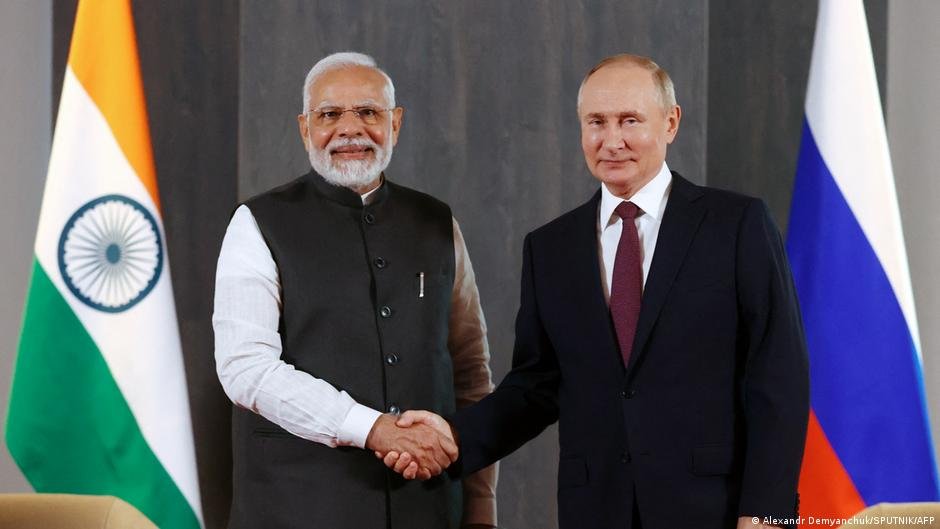
Russia is actively seeking ways to bypass US sanctions to ensure India continues importing affordable Russian oil, analysts report. The focus on India oil imports has intensified as the nation relies heavily on discounted Russian crude following Western sanctions tied to the Ukraine conflict. The ongoing situation has sparked tensions between Washington and New Delhi, with the US repeatedly urging India to reduce its dependency on Russian energy. Industry experts caution that these sanctions might not fully disrupt the flow of cheap oil, with Russia already exploring new supply chain mechanisms.
Since the Ukraine war began, India has become the second largest purchaser of Russian crude oil worldwide. Discounts on Russian oil have been substantial, reflecting the impact of Western penalties designed to limit Moscow’s energy revenues. In 2025, India imported an average of 1.7 million barrels of Russian oil per day, primarily sourced from Rosneft and Lukoil. Despite the US introducing sanctions in late November targeting these major exporters, India’s imports fell only modestly to 1.2 million barrels daily in December, a decrease of roughly a third. Analysts warn this decline may be temporary as Russia seeks alternative strategies to maintain its energy sales to India.

Tensions escalated last August when the Trump administration imposed a 25% tariff on Indian imports linked to Russian oil purchases. India resisted, emphasizing its sovereign right to determine energy policies without external interference. The two countries’ trade talks failed to yield agreements, prompting the US to increase pressure with threats of a 500% tariff and potential withdrawal from India-led global initiatives. Despite these measures, India has continued sourcing Russian oil, highlighting the strategic importance of discounted crude in its energy portfolio.
Industry sources suggest that Russia has already begun reorganizing its oil supply chain to circumvent sanctions. A key loophole allows shipments handled by companies other than Rosneft or Lukoil to escape US penalties. Data indicates new Russian exporters emerged by December, likely acting as intermediaries to channel crude to India while avoiding sanctions. Homayoun Falakshahi, Kpler’s head crude oil analyst, noted that these developments suggest Russia is proactively reshaping its supply routes. “It’s only a matter of months before most barrels are supplied by companies not targeted by the sanctions,” he said.
Four of India’s seven largest refineries continue to rely heavily on Russian crude, illustrating the challenge of reducing dependence. Low oil prices make it economically compelling for India to continue imports, with discounts of $9–$10 per barrel compared to Saudi or Iraqi oil. Falakshahi estimates that the savings from Russian crude could reach $4 billion annually, making it a significant incentive for public sector refiners to resume previous purchase levels.
June Goh, senior analyst at Sparta Commodities, emphasized that market reactions reinforce this outlook. Initial oil price surges following sanctions have since eased, reflecting skepticism that enforcement will substantially impact India’s imports. Private companies face different pressures; Reliance Industries, India’s largest private refiner, ceased Russian oil purchases in November to comply with US and EU sanctions. The company is exploring alternative supplies, potentially from Venezuela, in coordination with the US. Analysts suggest that Reliance’s cautious approach balances regulatory compliance with the need to secure affordable crude for domestic refining and exports.
The geopolitical implications extend beyond trade, highlighting how sanctions can be circumvented when economic incentives are strong. Russia’s efforts to maintain India oil imports exemplify the creative strategies employed to sustain revenue streams under international pressure. The situation underscores the challenges of enforcing global sanctions in a complex energy market, where national priorities often outweigh external influence. Analysts expect that, as new Russian exporters establish themselves, India will likely see its crude imports stabilize, continuing its reliance on discounted Russian oil despite ongoing diplomatic tensions.
Observers also note that the evolving supply chains may influence global oil dynamics, with India’s demand shaping Russian export strategies. As the world watches closely, the balance between sanction enforcement and market realities remains delicate. India’s decision-making reflects a pragmatic approach, prioritizing energy security and economic efficiency over external political pressures. The interplay of sanctions, alternative suppliers, and market adaptation highlights the resilience of oil trade networks under duress.

While Western sanctions aimed to disrupt Russia’s financial inflows, the measures have encountered immediate practical limitations. The emergence of intermediary exporters allows Russia to maintain access to its key energy buyers, notably India. Analysts caution that any long-term reduction in Russian oil sales to India would require more comprehensive coordination and enforcement mechanisms than currently exist. In the meantime, India continues to benefit from affordable oil while navigating a complex web of international diplomacy and market forces.
Russia’s strategic maneuvers to bypass sanctions underscore the ongoing tug-of-war between geopolitical objectives and economic realities. India’s reliance on discounted Russian oil highlights the tension between national interests and international policy pressures. Energy security concerns, combined with the economic benefits of low-cost crude, suggest India will maintain its current import trajectory, supported by Russia’s adaptive supply chain strategies. The unfolding situation demonstrates that while sanctions can influence markets, their effectiveness is often contingent upon enforcement capabilities and the willingness of countries to seek alternatives.
The coming months will reveal whether new Russian exporters fully replace sanctioned entities, allowing India to resume previous import volumes. Analysts expect the restructured supply chain to stabilize the market for Indian refiners, ensuring continued access to cost-effective Russian oil. Strategic adjustments by both Russia and India highlight the complexity of global energy trade in a politically charged environment, where economic incentives often outweigh regulatory mandates. The long-term outcome may set a precedent for how nations navigate sanctions while securing essential resources for domestic needs.
Related News:
 British skier killed in La Plagne avalanche tragedy
 Mandelson apologises over Epstein ties after public scrutiny
 Trump Calls Greenland Critical for US Security After Denmark Talks
 Iran unrest slows under brutal crackdown and global tensions
 Starmer Resists Matching Trump Amid Greenland Tensions
 Silence and Unity Mark Bondi Terror Attack Memorial
 India-EU Free Trade Deal Marks Historic Economic Shift
 Iran Death Toll Crisis Exposed: Bodies, Mass Graves, and Concealment
 Thousands Protest ICE Operations in Nationwide US Day of Action
 US-Cuba Negotiations Shift as Oil Blockade Looms
 Ukraine, Russia Meet in Geneva Ahead of War Anniversary
 UK, US Medics Barred from Gaza Amid Rising Aid Concerns
 Anthony Albanese Must Uphold Rights for All Australians
 UK suspends study visas for four nations to curb asylum
 Jordanian Arrested in Philippines Over Bondi Beach Terror Links
 Ukraine war briefing: Zelenskyy offers help to Saudi Crown prince on combatting Iranian drones
 Abramovich Chelsea Sale Cash Faces Jersey Probe
 Starmer Praised for Stance on Trump and Iran Conflict
 UK Ministers Signal Strategic Independence From Trump Demands
 African World Cup Fans Face $15,000 Entry Bond Fee
 Police Seek Immunity in Indigenous Custody Death Case
 Farage Shuns Truss as US Right-Wing Roadshow Hits London
 Trump Slams Europe as Transatlantic Tensions Boil Over
 Spain Faces Backlash Over Xenophobic Chants in Egypt Draw
 Trump Facing Backlash Over Firing of Cabinet Women
 The Price of Hubris: Trump, Netanyahu, and the ‘Easy’ War
 Trump and Tehran Find Common Ground in Landmark Ceasefire
 Own an Entire Australian Town for the Price of a UK Flat
 Melania Trump Denies Ties to Epstein and Ghislaine Maxwell
 Reeves Slams Trump Over Iran War Lack Of Exit Plan
 Kyiv and Odesa Mourn After Deadly Wave of Russian Strikes
 Norway’s Telenor Faces Lawsuit Over Myanmar Data Breach
 Strait of Hormuz Status Uncertain Despite Iran’s Claims
 Trump’s Presidency: A House of Cards Collapsing?
 US Forces Seize Iranian Ship Near Hormuz Blockade
 Trump Starts $166bn Tariff Refund Process
 Israeli Soldiers Jailed Over Vandalism of Lebanese Statue
 Investigation: Offshore Loans and Sanctions
 Prominent Voices Challenge Palestine Action Ban
 Cross-Border Crisis Shatters Fragile Afghan Peace
 Tragedy Near Jakarta: Train Collision Leaves 14 Dead
 NSW Police Urged Victim to Abandon Antisemitic Case
 The Burning Lens: An Iranian Artist’s Visual Resistance
 FIFA Confirms Global Ban for Benfica Star Prestianni
 Tensions Surge in the Gulf as Ceasefire Wobbles
 One Nation Candidate’s Surprising Ties to Independents
 New South Wales Wetland Rescue Legislation Passes
 US and Mexico Face Heatwave as Floods Batter South Africa
 French Patient Told Hantavirus Was Just Anxiety
 Putin Signals War End as Russian Momentum Stalls
 Romania’s Judicial Crisis: A System Under Siege
 Scepticism and tight security as Beijing braces for Trump
 Philippine Senator Flees After Days Under Senate Siege
 Big Tobacco Under Fire Over Controversial New Ad Campaign
 Court Upholds Landmark Win for Transgender Rights
 Fragile Truce Shattered as Violence Escapes Diplomatic Control
 Secrecy Down Under: Albanese Faces FoI Scandal
 Tony Abbott Returns as New Liberal Party President
 Discontent grows around Putin amid war strain
 Trump Diplomacy Faces Hurdles from Tehran to Tbilisi
 Teaching Machines Right From Wrong in the Digital Age
 Oman Defies US Pressure Over Strategic Strait of Hormuz
 Ex-CIA Agent Accused of $40m Gold Theft and Fake Spy Unit
 Aukus Deal Facing Fierce Backing and Historic Criticism
 Thai Princess Bajrakitiyabha Passes Away at 47
 Tragic Loss of Australian Sprinter Jemma Stapleton
 Firearm Fine for Missing Boy’s Grandmother
 Trump Urged to Condemn UFC Fighter Over Obama Slurs
 US Democratic Crisis Deepens as Trump Limits Mail Voting
 Russian Tanker Captain Remanded in UK Court After Channel Seizure
 US Military Pacific Boat Strike Kills Three People
 US Battles Auction of Titanic Artifacts
 Scouts Introduce Badges For AI And Digital Skills
 France Dominate Sweden as Deschamps’ New Era Takes Shape
 Trump’s Mount Rushmore Speech: A Divisive Anniversary
 Trump Swaps Planes Amid Iran Tensions
 Rotterdam Museum Honours Artist With Peanut Butter Floor
 Bangkok Nightclub Blaze Claims 30 Lives Amid Negligence Probe
 Yemen Accuses Iran of Violating National Sovereignty
 Houthis Strike Saudi Arabia as Middle East Tensions Rise