Published: 12 February 2026. The English Chronicle Desk. The English Chronicle Online.
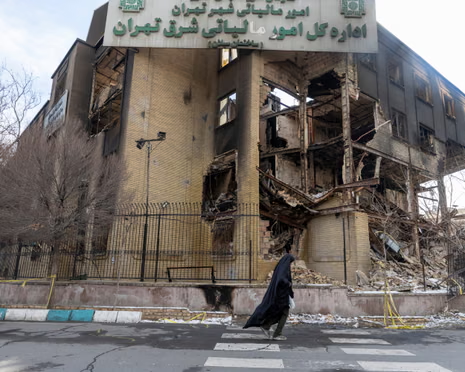
Concerns for the Canberra boy Iran case have intensified after disputed reports of his death circulated online. Social media accounts linked to the boy suggested he remained alive on Thursday, contradicting earlier claims he had died last Friday following his detention. The Australian government has made urgent representations to Tehran over the potential execution of prisoners, including those with connections to Australia. While the Canberra boy Iran involved was not an Australian citizen, his former high school in the ACT has offered wellbeing support to classmates impacted by the reports.
Community members also raised concerns regarding an international student studying at an Australian university reportedly sentenced to death in Iran, though verification remains elusive. The federal government, however, has consistently opposed executions in all circumstances and has pressed Tehran to halt the use of the death penalty. A spokesperson from the Department of Foreign Affairs and Trade reiterated that Australia condemns arbitrary detention and killings amid Iran’s ongoing violent suppression of protests.

The demonstrations in Iran, initially sparked by economic grievances, escalated into anti-regime protests last December. Estimates of casualties vary, with some independent sources suggesting more than 30,000 people have been killed, though the Iranian Martyr’s Foundation officially reports 3,117 deaths. The Australian government’s representations to Tehran form part of wider diplomatic efforts to address human rights concerns, particularly regarding citizens and former residents linked to Australia.
In the ACT, the deputy chief minister and education minister, Yvette Berry, reportedly contacted the office of Australia’s foreign minister, Penny Wong, to discuss the Canberra boy Iran situation and the potential risks faced by affected students. Additional wellbeing support has been offered at the boy’s former school, and families were informed about free community assistance available to students at other public schools.
These developments follow heightened tensions between Australia and Iran, which intensified after Canberra expelled Tehran’s ambassador last August due to alleged Iranian-directed attacks against Australia’s Jewish community. Australia’s embassy in Iran also suspended operations, leaving no staff on the ground, further complicating diplomatic engagement.
While claims surrounding the Canberra boy Iran and the international student remain unverified, Australia’s firm opposition to the death penalty and ongoing diplomatic representations underline the government’s commitment to human rights. Calls for independent investigations into Iran’s crackdown continue to grow domestically, as many families demand transparency regarding those killed during protests. The situation remains fluid, and Australian officials continue to monitor developments closely while engaging international partners on the matter.
The Canberra boy Iran case highlights the delicate intersection of international law, human rights advocacy, and the safety of individuals with foreign links, underscoring the challenges faced by governments in protecting citizens abroad. As pressure mounts on Iran for transparency and accountability, Australian authorities reaffirm their stance against capital punishment and arbitrary detention, seeking to ensure that all individuals, regardless of nationality, are treated justly.
Related News:
 Gambia Supreme Court Hears Case to Overturn FGM Ban
 Iran Death Toll Crisis Exposed: Bodies, Mass Graves, and Concealment
 Files Link Andrew to Epstein Dinner After Prison Release
 Thousands Protest ICE in New York Against Trump Deportation Campaign
 Brazilian Politician Brothers Sentenced for Marielle Murder
 Anthony Albanese Must Uphold Rights for All Australians
 Woman Executed in Somalia Sparks Debate on Justice System
 Uganda Crackdown: Two Women Arrested for Public Kissing
 Slovenia Election: A Nation at a Crossroads
 Police Seek Immunity in Indigenous Custody Death Case
 Manila Transport Crisis: Fuel Costs Hit Breaking Point
 UN Warns Israeli Death Penalty Bill Could Be a War Crime
 Spain Faces Backlash Over Xenophobic Chants in Egypt Draw
 A Global Voice For Justice: Stephen Lewis Dies At Age 88
 Artist Sues in Paris Over Israeli Strike Killing Parents
 Canadian Mother and Daughter Released From ICE Detention
 Bondi Nanny Adriana Rivas to Face Extradition to Chile
 Queensland Youth Justice Debate: The Data Behind the Law
 Gaza Child Arrives in UK for Life-Changing Care
 Brisbane Rideshare Driver Faces Serious Assault Charges
 Tragedy in the Channel as Four Lives Lost in Boat Sinking
 Kyiv and Odesa Mourn After Deadly Wave of Russian Strikes
 France Urges Release of Elderly Widow Held by ICE
 Trump Weighs Sending Afghan Allies to the Congo
 Prominent Voices Challenge Palestine Action Ban
 Standoff Over Syria: Australia Defies Trump Repatriation Plea
 Desperation in Odisha: A Brother’s Grim Bank Protest
 Activists allege abuse after Gaza flotilla seizure
 Australia Faces Rising Tide of Modern Antisemitism
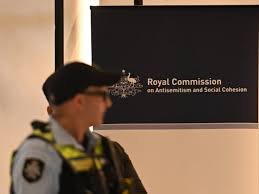 Security Failures and the Road to the Bondi Inquiry
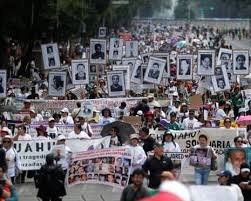 Mexico’s Missing: State Complicity in a Growing Crisis
 Nobel Laureates Demand Release of Activist Narges Mohammadi
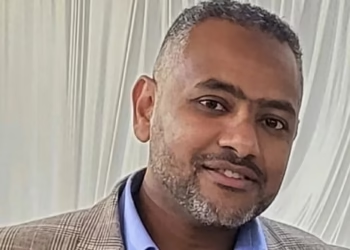 Plea for Mercy: The Battle to Bring Ahmed al-Doush Home
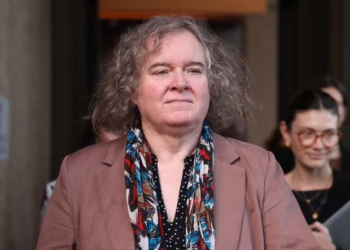 Court Upholds Landmark Win for Transgender Rights
 Taliban Codifies Strict New Marriage and Divorce Legislation
 Israeli Strikes in Lebanon Kill 10 Amid Ceasefire Strain
 US judge dismisses Kilmar Abrego Garcia indictment
 Former ICC prosecutor condemns US sanctions
 Trump Faces Legal Blow Over Global Tariffs
 Silenced Stitches: The Cost of Memory in Hong Kong
 Vision Lost Amid the Rubble of Modern Conflict
 Controversial London Property Show Sparks Legal Fury
 US Supreme Court Rejects Trump Attack on Birthright Law
 Gaza Doctor Unrecognisable After Brutal Israeli Detention
 UK Charity Funds Illegal Hebron Settlement Expansion
 Taliban global ties grow as rights fears mount
 Friedman Uninvited From 2024 Adelaide Writers’ Week
 African World Cup Fans Face $15,000 Entry Bond Fee
 Farage Shuns Truss as US Right-Wing Roadshow Hits London
 The Price of Hubris: Trump, Netanyahu, and the ‘Easy’ War
 Trump and Tehran Find Common Ground in Landmark Ceasefire
 Own an Entire Australian Town for the Price of a UK Flat
 Melania Trump Denies Ties to Epstein and Ghislaine Maxwell
 Reeves Slams Trump Over Iran War Lack Of Exit Plan
 Trump’s Presidency: A House of Cards Collapsing?
 US Forces Seize Iranian Ship Near Hormuz Blockade
 Trump Starts $166bn Tariff Refund Process
 Investigation: Offshore Loans and Sanctions
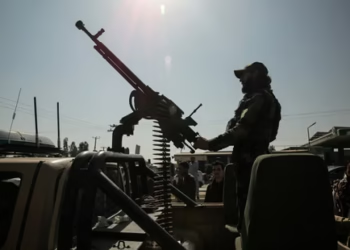 Cross-Border Crisis Shatters Fragile Afghan Peace
 The Burning Lens: An Iranian Artist’s Visual Resistance
 FIFA Confirms Global Ban for Benfica Star Prestianni
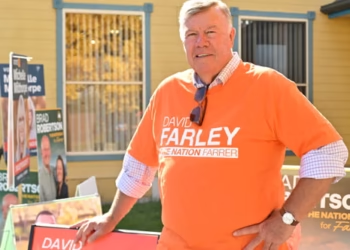 One Nation Candidate’s Surprising Ties to Independents
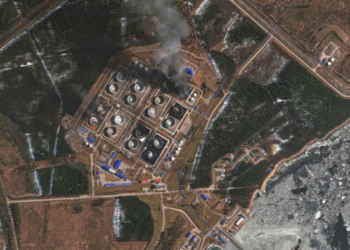 Putin Signals War End as Russian Momentum Stalls
 Romania’s Judicial Crisis: A System Under Siege
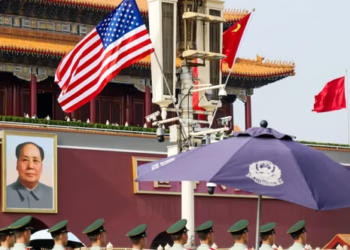 Scepticism and tight security as Beijing braces for Trump
 Philippine Senator Flees After Days Under Senate Siege
 Secrecy Down Under: Albanese Faces FoI Scandal
 Tony Abbott Returns as New Liberal Party President
 Discontent grows around Putin amid war strain
 Teaching Machines Right From Wrong in the Digital Age
 Oman Defies US Pressure Over Strategic Strait of Hormuz
 Ex-CIA Agent Accused of $40m Gold Theft and Fake Spy Unit
 Aukus Deal Facing Fierce Backing and Historic Criticism
 Tragic Loss of Australian Sprinter Jemma Stapleton
 Trump Urged to Condemn UFC Fighter Over Obama Slurs
 US Military Pacific Boat Strike Kills Three People
 Trump’s Mount Rushmore Speech: A Divisive Anniversary
 Trump Swaps Planes Amid Iran Tensions
 Yemen Accuses Iran of Violating National Sovereignty
 Houthis Strike Saudi Arabia as Middle East Tensions Rise