Published: 05 December 2025. The English Chronicle Desk. The English Chronicle Online
A quiet but unmistakable cultural shift is unfolding across global social media platforms, university campuses and urban creative circles. A phrase once used half-ironically by young vloggers — “Is this a very Chinese time in your life?” — has evolved into a broader online trend that is reshaping how China projects influence beyond its borders. What began as a playful nod to lifestyle aesthetics and cultural curiosity is now being examined by analysts as a subtle yet effective boost to China’s soft power at a moment of intense geopolitical competition.
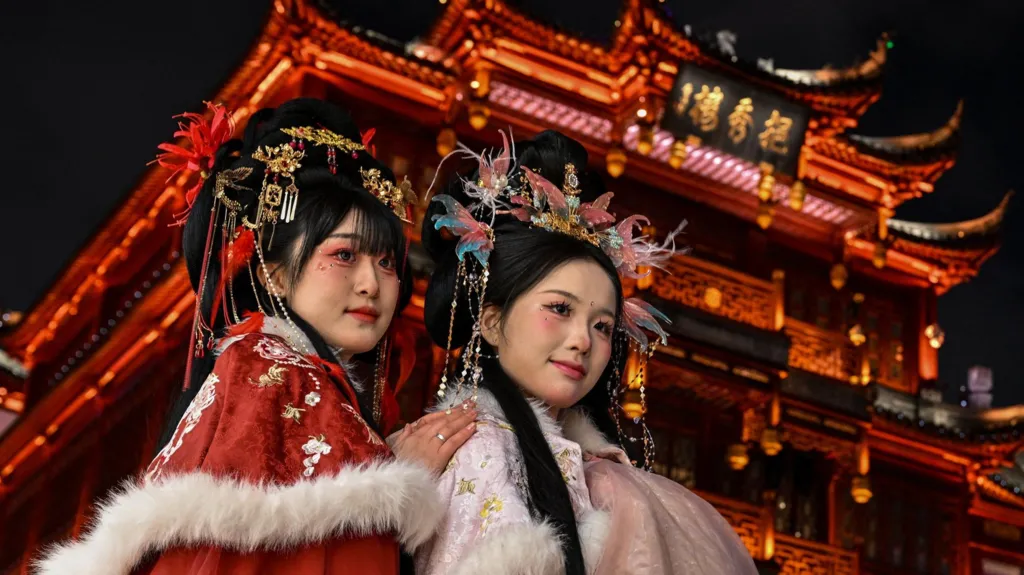
The trend, first amplified on short-video platforms and lifestyle blogs, centres on everyday moments inspired by Chinese culture: practising calligraphy in minimalist apartments, brewing traditional tea with ceremonial precision, studying Mandarin phrases, watching Chinese historical dramas late into the night, or embracing structured productivity routines associated with East Asian work ethics. The phrase is often used humorously, but its undertone reflects admiration rather than satire. It suggests a lifestyle pivot towards discipline, heritage, cultural depth and aesthetic refinement — qualities many young global users increasingly associate with contemporary China.

Soft power, a term coined to describe the ability of a nation to influence others through culture, values and attraction rather than coercion, has long been a strategic focus for Beijing. For years, China invested heavily in Confucius Institutes, state-funded media expansion and international broadcasting. However, what makes this current wave distinctive is that it appears far less orchestrated. The cultural pull is emerging organically through digital communities, diaspora voices and global curiosity about China’s social transformation, technological rise and cultural continuity.
On platforms like TikTok, Instagram and YouTube, influencers from London to Lagos now share videos of their “Chinese study mornings” or explore the aesthetic of Chinese street fashion in Shanghai and Chengdu. Book clubs discuss translated works by contemporary Chinese authors, while streaming services report increased international viewership of Chinese period dramas and modern romance series. The storytelling, often rooted in history yet visually cinematic, offers a contrast to Western narratives and provides audiences with alternative cultural reference points.
Observers argue that this shift reflects a broader generational rebalancing of global attention. Younger audiences, raised in a multipolar world, are less likely to view global culture as Western-centric. China’s rapid technological advancement, high-speed rail networks, digital payment ecosystems and urban innovation projects have also fuelled fascination. Videos showcasing efficient transport systems or futuristic skylines frequently trend online, reinforcing perceptions of modernity and ambition.
Yet the trend is not solely about infrastructure or economic success. It is deeply intertwined with identity exploration. Many diaspora communities have embraced the phrase as a reclaiming of heritage. For second-generation Chinese living abroad, sharing cultural practices online becomes a means of pride and connection. Cooking regional dishes or celebrating traditional festivals publicly affirms belonging while also inviting wider audiences to participate. In doing so, cultural transmission becomes less state-driven and more community-led.
Critics caution against oversimplification. They note that social media trends can exaggerate idealised images, presenting a curated version of reality. China, like any nation, faces internal debates and complex societal challenges. Nonetheless, the soft power effect does not depend on perfection; it depends on fascination. And fascination, particularly among digitally native audiences, can translate into long-term cultural familiarity.
Economic factors also play a role. China’s position as a global manufacturing hub has evolved into a branding opportunity. Chinese tech companies, electric vehicle manufacturers and smartphone producers are increasingly associated with innovation rather than imitation. As consumer perceptions shift, cultural influence often follows. Fashion brands blending traditional motifs with contemporary design have gained popularity internationally, reinforcing the perception that Chinese creativity is dynamic rather than derivative.
Education has become another significant pillar. Mandarin language learning is experiencing renewed interest in several Western institutions. While geopolitical tensions sometimes complicate academic cooperation, student exchanges and online learning platforms have sustained curiosity. The phrase “a very Chinese time” often accompanies study routines, symbolising intellectual discipline and structured ambition.
From a geopolitical perspective, the timing is notable. China’s global image has faced strain in recent years due to trade disputes, technology restrictions and diplomatic disagreements. Against this backdrop, cultural admiration functions as a parallel narrative. It does not erase political tensions, but it softens perceptions by humanising the nation through art, lifestyle and shared interests.
The trend also intersects with global conversations about alternative modernities. As Western societies grapple with polarisation, economic inequality and cultural fatigue, some young people look eastward for inspiration. Whether in minimalist interior design inspired by Chinese aesthetics or productivity philosophies shaped by Confucian values, the attraction lies partly in contrast. It offers a sense of novelty combined with historical continuity.
Importantly, analysts stress that soft power is cumulative. A viral trend may appear trivial, yet repeated exposure to language, fashion, food and storytelling builds familiarity over time. Cultural familiarity reduces psychological distance. And reduced distance often translates into more nuanced perceptions.
However, there are limits. Soft power thrives on openness and dialogue. The sustainability of this cultural rise depends on cross-border exchange remaining accessible. If digital spaces become fragmented or politicised, organic trends may struggle to cross national boundaries. Moreover, authenticity remains crucial; audiences quickly disengage from content perceived as overt propaganda.
For now, though, the phrase continues to circulate with humour and affection. University students caption library selfies with it. Lifestyle bloggers frame quiet tea rituals around it. Even non-Chinese creators adopt it to describe moments of focus and introspection. It reflects not a political allegiance but a cultural curiosity that resonates widely.
Whether this marks a long-term transformation in global cultural hierarchy remains uncertain. Yet it undeniably signals that China’s influence is no longer confined to trade statistics or diplomatic summits. It is woven into playlists, wardrobes, reading lists and daily routines. Soft power, at its most effective, operates quietly in these intimate spaces.

In that sense, asking “Is this a very Chinese time in your life?” becomes more than a social media caption. It becomes a reflection of how global identity is evolving in a connected age. Nations project power not only through policy but through stories people choose to tell about themselves. And at this moment, many of those stories are drawing inspiration from China’s cultural landscape.
As digital culture continues to blur borders, the trend illustrates a broader truth: influence in the twenty-first century is as much about resonance as it is about reach. And in countless small, personal moments shared online, China’s cultural resonance appears to be growing.