London / Copenhagen — January 11, 2026
Politics latest plans to possibly deploy UK troops to Greenland are business as usual discussions, according to a senior UK minister, as the government sought to downplay speculation that Britain is preparing for a new military commitment in the Arctic. The comments come amid growing international attention on Greenland’s strategic importance and heightened security coordination among NATO allies in response to global geopolitical shifts.
Speaking to broadcasters on Sunday, the defence minister said that discussions with allies about Greenland should not be interpreted as a signal of imminent deployment. Instead, the talks were described as routine contingency planning that forms part of Britain’s ongoing defence cooperation with NATO partners, particularly Denmark, which retains sovereignty over the Arctic territory.
“Conversations around force posture, readiness and potential scenarios are entirely normal,” the minister said. “These are business as usual discussions that take place regularly with our allies. There is no decision to deploy UK troops to Greenland.”

Strategic Importance of Greenland
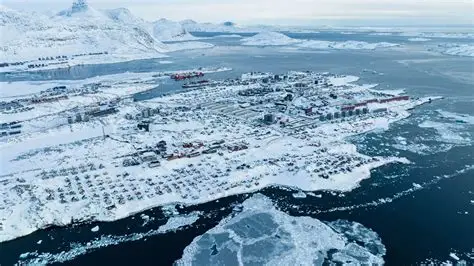
Greenland, the world’s largest island, has long been viewed as strategically significant due to its location between North America and Europe. As climate change accelerates Arctic ice melt, new shipping routes and access to natural resources have brought renewed attention to the region, increasing its geopolitical relevance.
For NATO members, the Arctic has become a focal point of security planning, particularly as tensions persist with Russia and concerns grow about increased military activity in northern regions. The United States maintains a long-standing military presence at Pituffik Space Base, formerly known as Thule Air Base, which plays a critical role in missile warning and space surveillance.
UK defence analysts note that Britain’s interest in the region aligns with broader NATO efforts to strengthen deterrence and situational awareness in the High North. However, officials have been keen to stress that any UK involvement would be supportive and coordinated rather than unilateral.
Government Seeks to Calm Political Reaction
Reports of possible UK troop deployments sparked political debate over the weekend, with opposition figures questioning whether Parliament would be consulted before any such move. Critics also raised concerns about overstretching the armed forces at a time when Britain faces multiple global commitments.
In response, the government emphasised that no operational plans are in place and that any significant change in military posture would be subject to established parliamentary and legal processes.
A senior government source said the speculation had “run far ahead of the facts”, adding that defence planning routinely involves hypothetical scenarios that never materialise into action.
“This is about preparedness, not provocation,” the source said.
NATO Context and Allied Coordination
The UK is one of NATO’s leading military contributors and has increased its engagement in northern Europe in recent years. British forces regularly participate in cold-weather exercises in Norway and maintain close defence ties with Nordic allies.
Denmark, which is responsible for Greenland’s defence, has itself announced plans to enhance surveillance and security infrastructure in the Arctic. Any potential role for UK forces would likely focus on training, logistics or intelligence-sharing rather than permanent basing, defence experts suggest.
NATO officials have repeatedly stated that alliance activities in the Arctic are defensive in nature and aimed at preserving stability rather than escalating tensions.
Russia and Arctic Security Concerns
Russia’s expanded military footprint in the Arctic has been a key driver behind renewed Western focus on the region. Moscow has invested heavily in Arctic bases, airfields and radar installations, framing its actions as necessary to protect national interests.
Western governments, however, view these developments as part of a broader pattern of military assertiveness. UK officials argue that maintaining dialogue and deterrence simultaneously is essential to avoiding miscalculation.
The defence minister reiterated that the UK remains committed to de-escalation, noting that transparency and cooperation among allies are central to NATO’s approach.
Domestic Political Implications
The issue has also intersected with domestic political debates over defence spending and Britain’s global role. The government has pledged to increase defence investment, citing an increasingly unstable international environment.
Supporters argue that maintaining flexibility and readiness enhances national security, while critics warn against “mission creep” and the risk of being drawn into new theatres without clear objectives.
Parliamentary committees are expected to seek further clarification from the Ministry of Defence in the coming weeks, although officials insist there is no immediate policy shift to scrutinise.
Public Perception and Media Scrutiny
Public reaction has been mixed, with some viewing the reports as evidence of responsible planning and others expressing unease about military expansion into remote regions. Defence commentators note that the Arctic’s growing visibility has made even routine discussions more politically sensitive.
The government has urged caution in interpreting leaked or partial information, stressing that defence diplomacy often occurs behind closed doors and does not always translate into action.

Looking Ahead
While the prospect of UK troops deploying to Greenland has captured headlines, officials maintain that the reality is far less dramatic. The focus, they say, remains on cooperation, preparedness and alliance solidarity rather than new military commitments.
As global competition increasingly extends into the Arctic, Britain’s engagement is likely to continue evolving. For now, ministers insist that discussions about Greenland remain exactly what they have always been: routine, precautionary and firmly within the framework of NATO cooperation.
Published: 11 January 2026
The English Chronicle Desk
The English Chronicle Online
Related News:
 British Couple Detained by Taliban Faces Grave Health Risks as Family Appeals for Release
 UK Must Act with Courage and Clarity on Israel-Palestine Conflict, Says Foreign Affairs Committee Report
 MPs Call on UK Government to Delay Biometric Visa Checks for Gaza Students Amid Humanitarian Crisis
 Trump Pushes for Peace: Plans Surprise Meeting with Putin and Zelensky to End Ukraine War
 Radioactive Leak at UK’s Nuclear Warhead Base Sparks Outcry Over Safety and Secrecy
 Mutual Inconvenience: Why Alaska Was Chosen for the Trump-Putin Summit on Ukraine
 “I Don’t Expect to Live a Normal Life”: How a Leeds Teenager Became the Target of a Chinese Bounty
 Ministers Accused of Defamation Over Palestine Action Ban and Mass Arrests
 Manchester City Announce Their Return in Style with Haaland Double and Debut Goals at Wolves
 Terence Stamp, ’60s British Film Legend and Star of Superman, Dies at 87
 Where Is Prince William and Kate Middleton’s New House? Inside the Historic Lodge Set to Become Their ‘Forever Home’
 FIFA Eyes Biennial Club World Cup from 2029, Plans Possible Expansion
 EuroMillions Record-Breaking £210m Jackpot Won by Lucky Lottery Ticket Holder
 Is the UK Ready to Put Boots on the Ground in Ukraine? Assessing Military Capacity and Challenges
 Shein UK Faces Allegations of Shifting Majority of Profits to Singapore to Reduce UK Tax
 British Couple Among 16 Killed in Lisbon Funicular Tragedy
 British Couple Among Victims in Lisbon Funicular Tragedy
 Protests Expected as Israeli Arms Firms Join Global Defence Trade Fair in London
 Madeleine McCann Case: German Woman at Centre of Hit-and-Run Theory Speaks Out
 Serbia Humiliated 0-5 by England in World Cup Qualifier
 UK Home Office to Launch French Beach Signage to Warn Asylum Seekers of Risks
 UK Immigration Figures: Separating Facts from Perceptions
 Far-Right Rally in London Draws Record Crowds Amid Clashes with Police
 Thousands Gather in London to Protest Donald Trump’s Second UK State Visit
 Trump Urges UK to “Call Out the Military” to Secure Borders Amid State Visit
 British AI Startup Outshines Human Forecasters in Global Prediction Contest
 Liverpool Vs outhampton Set for Carabao Cup Clash at Anfield
Trump’s UN Speech Criticises London and UK Policies, Draws Far-Right Attention
Liverpool Vs outhampton Set for Carabao Cup Clash at Anfield
Trump’s UN Speech Criticises London and UK Policies, Draws Far-Right Attention
 UK Fighter Jet Purchase Could Breach Nuclear Treaty, Warns CND
 Britain Could Already Be at War with Russia, Former MI5 Chief Warns
 A Third of EU Citizens in UK Report Discrimination by Public Bodies Post-Brexit
 Jailed Georgian Opposition Leaders Warn UK of Iranian Links to Ruling Party
 Manchester Synagogue Attack: A Community Shaken on Yom Kippur
 Russia repeatedly targets UK military satellites, warns Space Command chief
 Pro-Palestine March to Proceed in London Despite Calls to Cancel After Manchester Attack
 UK Universities Warn Students Ahead of 7 October Pro-Palestine Protests
Starmer Considers Stricter Measures on Pro-Palestinian Protest Chants
UK Universities Warn Students Ahead of 7 October Pro-Palestine Protests
Starmer Considers Stricter Measures on Pro-Palestinian Protest Chants
 Public Trust in SNP Hits Historic Low Amid NHS Concerns
 Cooper Unveils £4m Cyber Plan Against Russian Hackers
 Ferguson Fires Scotland to Dramatic Comeback Win Over Greece
 Tony Blair Met Jeffrey Epstein at Downing Street in 2002
 Tuchel Criticises ‘Silent Wembley’ After England Win
 Clarke’s Anger Overshadows Scotland’s Historic Win
 MPs Urge UK to Let Gaza Scholars Bring Their Children
 Johnson Suggests Mandelson Linked to China Spy Controversy
 Kane’s Double Seals England’s World Cup Qualification
 Witness statements reveal the CPS China spy row collapse in the UK
 Large scale Chinese spying in UK sparks political storm
 Nigel Farage Calls Vladimir Putin ‘A Very Bad Dude’
 China warns UK over delayed London mega embassy decision
 Rachel Reeves signals welfare reform ahead of key budget
 Barnes Inspires Newcastle to Champions League Triumph Over Benfica
City shine with PlayStation-style football to overwhelm Villarreal
Barnes Inspires Newcastle to Champions League Triumph Over Benfica
City shine with PlayStation-style football to overwhelm Villarreal
 Kosovo agrees to host Britain’s refused asylum seekers
 Plaid Cymru Triumphs in Caerphilly, Ending Labour Century-Long Hold
 UK Gamer Recruited by Wagner Group Found Guilty of Arson
 Fabio Wardley stuns Joseph Parker to earn Usyk title shot
 Rachel Reeves to lead UK trade push in Saudi Arabia amid rights debate
 British Woman in Iran ‘Losing Hope’ Amid Ongoing Detention
 Johnson Approved China’s London ‘Super-Embassy’ in 2018
 BBC Journalist Held and Interrogated in Vietnam
 The diet that can significantly ease symptoms of IBS
 Trump Speaks on Prince Andrew’s Royal Scandal Fallout
 Top Christmas Books Reads: Classics to Cozy Romcoms
 UPS Cargo Plane Crash in Kentucky Kills Seven
 Just Stop Oil Protesters Convicted Amid Climate Defence Row
 Tension and Turmoil at Aston Villa v Maccabi Match
 British Grandmother to Return Home After Death Sentence in Bali
 I’m a Celebrity 2025 line-up revealed: Osbourne joins
 Lando Norris Dominates Brazil GP to Strengthen F1 Title Bid
 BBC director-general and news chief resign amid bias row
 Palace May Restore Hyphen to Andrew Mountbatten-Windsor’s Name
 Ronaldo Confirms Final World Cup and Plans Retirement
 New review urges UK to repatriate Shamima Begum, others from Syria
 Rama Rebukes Mahmood for Targeting Albanian Families
 Russian Vessel Used Lasers on RAF Pilots, UK Claims
 Royal Navy Shadows Russian Warships Entering the Channel
 Trump Taiwan China drills: US President Downplays Tensions
 Britain Demands Israel Reverse Ban on Aid Groups
 UK and France Agree Troop Deployment Plan for Ukraine