Published: 30 January 2026. The English Chronicle Desk. The English Chronicle Online.
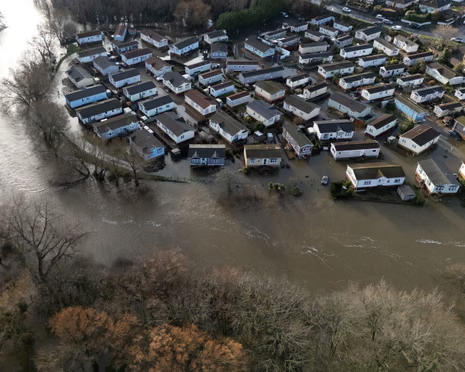
Storm Chandra flooding continues to shape daily life across England as communities assess damage and prepare for further rain. Within the first days after the storm, emergency services, councils, and volunteers have worked continuously, aiming to protect residents while restoring essential services. Although river levels have begun to ease in some catchments, persistent rainfall and saturated ground mean risks remain elevated. For many households, the experience has been distressing, disruptive, and uncertain, especially where warnings continue and travel remains difficult.
The Environment Agency confirmed that nearly 150 flood alerts remained active across England, alongside dozens of flood warnings indicating flooding was expected. These alerts stretch across several regions, reflecting how widely Storm Chandra flooding has affected the country. Areas in the south-west have been particularly exposed, where rivers responded quickly to heavy rain and coastal conditions worsened the situation. Residents have been urged to remain vigilant, even where water has started to recede.
The Met Office issued a yellow rain warning covering much of south-west England from noon until midnight on Thursday. Forecasters warned that further downpours could worsen existing problems, affecting roads, homes, and businesses already weakened by earlier flooding. Places including Cornwall, Devon, Dorset, Somerset, Wiltshire, and coastal authorities such as Bournemouth, Christchurch and Poole remain under close observation. Weather experts stressed that ground saturation increases runoff, raising the likelihood of renewed flooding.

Another yellow warning was issued from early Friday morning through Saturday morning for parts of the south-west. This advisory highlights the cumulative effect of repeated rainfall, rather than one intense burst. While rainfall totals may appear modest in isolation, their impact grows when rivers and drainage systems are already under pressure. This pattern has been a defining feature of Storm Chandra flooding, complicating recovery efforts and prolonging disruption.
In Somerset and Dorset, the Environment Agency reported that at least 147 properties were flooded as a direct result of the storm. Many residents were forced to leave their homes, some with little notice, as water levels rose rapidly. Local authorities worked alongside emergency responders to provide temporary accommodation and welfare support. For affected families, concerns now focus on clean-up costs, insurance claims, and the emotional toll of displacement.
Somerset County Council declared a major incident, reflecting the scale and seriousness of the situation. Council leader Bill Revans said teams had worked through the night, responding to reports of impassable roads and isolated communities. He emphasised that supporting vulnerable residents remained the council’s priority, ensuring people knew where to access help. The declaration allowed agencies to coordinate resources more effectively during the emergency.
Across England, transport disruption has been significant, with several roads closed due to flooding or debris. Rail services experienced delays in some areas, particularly where tracks run close to rivers or low-lying land. Although many routes reopened as waters subsided, the risk of further closures remains while warnings stay in place. Commuters have been advised to check travel updates regularly and avoid unnecessary journeys.
While conditions in parts of England have shown signs of stabilising, Northern Ireland also faces challenges. A separate yellow rain warning was issued from midnight to early evening on Friday, covering most of the region. Forecasters warned that heavy rain could lead to localised flooding and travel difficulties. Authorities urged residents to remain cautious, especially near rivers and streams prone to rapid rises.
In Bournemouth, a severe flood warning previously issued for the Lower Stour at Iford Bridge Home Park was lifted. However, the Environment Agency cautioned that water levels remained high, advising evacuees to follow official guidance before returning home. This careful approach reflects lessons learned from past floods, where premature returns have led to further distress and safety risks.
Meteorologists said outbreaks of heavy rain were expected to reach Cornwall on Friday morning, bringing widespread rainfall of 10mm to 20mm. In higher areas and parts of west Cornwall, totals could reach 30mm. Combined with strong winds, these conditions may exacerbate surface water flooding and coastal hazards. The Met Office noted that forecasting such events involves close monitoring, as small changes can significantly affect impacts.
Along the coast, the RNLI issued warnings urging caution in Devon and Cornwall. Waves of up to 15 feet were forecast to hit exposed beaches, potentially overtopping seafronts and harbour walls. These conditions pose serious risks to anyone near the shoreline, including sightseers and anglers. Lifeboat crews remain on standby, prepared to respond to emergencies if needed.
Beyond the immediate dangers, Storm Chandra flooding has reopened broader discussions about resilience and preparedness. Local leaders and environmental groups have highlighted the importance of long-term investment in flood defences, drainage infrastructure, and natural flood management. Many argue that repeated events underscore the need for coordinated planning, particularly as extreme weather becomes more frequent.
Climate scientists caution against attributing any single storm directly to climate change. However, they note that warmer air holds more moisture, increasing the likelihood of heavy rainfall events. This context shapes public debate, as communities weigh short-term recovery against long-term adaptation. For residents repeatedly affected by flooding, these discussions feel deeply personal rather than abstract.
Businesses across affected areas face their own challenges, with closures disrupting local economies. Small enterprises, often operating on tight margins, are especially vulnerable when premises flood or customers stay away. Support schemes may help, but many owners worry about delays and eligibility. Local chambers of commerce have called for swift assistance to prevent lasting damage.
Schools in some districts closed temporarily due to unsafe access routes or building damage. Headteachers worked with councils to ensure pupils’ safety while planning for reopening. Remote learning options were considered where feasible, though not all families have equal access. These disruptions highlight how weather events can ripple through everyday life.
As recovery continues, officials stress the importance of heeding warnings and staying informed. Flood alerts and warnings provide vital time for preparation, even if conditions appear calm. Residents are encouraged to keep emergency kits ready and check on neighbours who may need assistance. Community solidarity has been a positive feature of the response, with volunteers offering help and support.

Looking ahead, forecasts suggest unsettled conditions may persist into the weekend, though intensity remains uncertain. Emergency planners will continue monitoring river levels, rainfall forecasts, and coastal conditions. While some respite is possible, caution remains essential. The experience of Storm Chandra flooding serves as a reminder of nature’s power and the value of preparedness.
For many affected households, the coming days will involve cleaning, repairs, and navigating insurance processes. Emotional recovery may take longer, particularly for those facing repeated flooding. Support services and community networks will play a crucial role during this period. Authorities emphasise that help remains available and encourage anyone struggling to reach out.
As England reflects on this latest storm, attention turns to lessons learned and steps forward. Strengthening infrastructure, improving early warning systems, and supporting vulnerable communities remain central goals. While the immediate focus is safety and recovery, the broader challenge of adapting to changing weather patterns continues to shape national conversation.
Related News:
 Norfolk Coastal Graves at Risk as Erosion Deepens Family Anguish
 Winter plant bloom signals climate breakdown in UK
 Dog Food Emissions: 1% of UK Greenhouse Gas Revealed
 Storm Goretti leaves Cornwall homes without power
 Kent Residents Continue Facing Water Supply Disruptions
 Water firms may avoid fines under UK water reform plan
 No Gas Boiler Ban as UK Warm Homes Plan Backs Heat Pumps
 Judi Dench Champions Fight to Save London’s Green Spaces
 UK joins North Sea wind grid pact with nine European nations
 Devon hosts first high-density hydro power system
 Storm Chandra floods Somerset, triggers major incident declaration
 Peterborough Mosques Tighten Security After Attack
 Reeves Faces Setback as Labour May Miss Homes Target
 Hospice Cuts Raise Alarm Across England Amid Funding Crisis
 Kate Winslet to Narrate Film Highlighting King’s Environmental Mission
 Green Party Surges Past Labour in Latest UK Poll
 Trump’s UK Ambassador Urges North Sea Drilling to Strengthen US Ties
 Children to Learn Local History in Major Curriculum Overhaul
 Granit Xhaka Rescue Earns Everton Draw at Sunderland
 French Taxi Driver Cleared in David Lammy Theft Case After Fare Dispute
 UK Bans Fake Numbers: Scammers Lose Their Trick
 Prince William Plants Trees with Brazil’s Nature Heroes
M&S Profits More Than Halve After Cyber-Attack
Prince William Plants Trees with Brazil’s Nature Heroes
M&S Profits More Than Halve After Cyber-Attack
 Just Stop Oil Protesters Convicted Amid Climate Defence Row
 Kent village told to remove flags before Christmas lights go up
 Patients to Test Health at Home to Ease NHS Winter Pressure
 King Charles to Lead Nation in Remembrance Sunday Service
 How to get help when a child goes missing – call 999 urgently
 Palace May Restore Hyphen to Andrew Mountbatten-Windsor’s Name
 Millionaires group urge Reeves to introduce wealth tax to ‘lift kids out of poverty’
 Starmer Faces Growing Dissent as Labour MPs Weigh Leadership Challenge
 Shouting Works Best to Deter Gulls, UK Study Finds
 Reeves rejects £1bn plea for NHS redundancy payouts
 Northern Lights may illuminate UK skies this week
 PM Condemns Leaks, Vows Loyalty to Ministers and Stability
 Son Reveals UK Couple in Iran Resort to Hunger Strike for Help
 Major Rent Reform Ends No-Fault Evictions in England
 Peers Flood Assisted Dying Bill with 942 Amendments
 Former Lion Heskey Warns of Shortage of England Strikers
 Criminal Gangs Pose as Truckers to Hijack UK Supply Chains
 Stroke Patient Mistaken for Drunk, Care Delayed
 Mother Watches in Horror as Teen Daughter Dies on Tracks
 Van Dwellers Face Eviction After Park Misuse Sparks Outcry
 ‘Traumatic Wait’: Northern Ireland Women Face Breast Cancer Delays
 Serial Rapist and Former Cop Found Guilty Again
 Royal Navy Shadows Russian Warships Entering the Channel
 Inside the Helpline Protecting Missing Children in the UK
 Most Tories Expect to Support a Farage-Led Government
 Boots Showstopper Beauty Bundle Outshines Many Advent Calendars This Holiday Season
 Bill Murray Terrified Wes Anderson but Became His Closest Collaborator
 Labour’s ‘blinkered’ drive to build risks pushing wildlife to point of no return, nature experts warn
 PlayStation PS5 Deals Hit Lowest Prices Ahead of Black Friday
 Karen Carney Stuns on Blackpool Week, Deserves Strictly Final
 Five-Year-Old Dies After Rare Tonsil Surgery Complication
 Fibromyalgia Patients Struggle as NHS Fails to Provide Care
 Starmer Says Labour’s Economic Plan Needs Years to Deliver
 Virgin Media Fined £23.8m Over Telecare Safety Failures
 More Patients Now Contacting GPs Online, Data Shows
 ‘Extinct’ Antelope Returns to Sahara, Bringing Hope
 UK unemployment rises to four-year high of 5.1% before budget
 Wiltshire Police Use Lasso to Catch Rampaging Village Goat
 Children to Receive Home Vaccines as England Acts
 Eden Project Founder Celebrates 25 Years of Nature’s Hope
 Local Fish Could Boost UK Health and Economy Significantly
 Cambridge College Faces Backlash Over Private School Recruitment
 NHS Violence Crisis: Staff Face Daily Assaults
 Celebrity Campaign Highlights SMA Screening Failures
 Bereaved Fathers Gain New Paternity Leave Rights in UK
 New Documentary Examines Teen’s Zombie Knife Murder
 Woman Jailed for Life After Killing E-Bike Rider in Tragic Mistaken Identity Case
 Right Must Unite After Jenrick Defection, Urges Rees-Mogg
 UK Ministers Drop Foreign Student Targets for Global Education Push
 UK Glaucoma Rise Signals Looming Eye Health Crisis by 2060
 Shinzo Abe’s killer receives life sentence in Japan
 Police response times face strict new national limits
 Edinburgh, Glasgow Lead UK Nightlife Hotspots, Uber Data
 Labour policing overhaul sparks fears over growing central control
 US-Style Pickup Trucks Surge on UK Roads
 Pornhub blocks new UK users over age checks dispute
 Starmer warns of toxic division politics in Reform challenge