Published: 06 February 2026. The English Chronicle Desk. The English Chronicle Online.
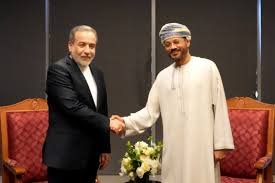
Oman has emerged as a key mediator in high-stakes US-Iran nuclear negotiations, aiming to prevent escalating conflict in the region. The focus keyword, Iran nuclear talks, underscores the urgency of these discussions, as the first official exchange since June aims to address Tehran’s contentious nuclear programme directly. Convoys representing both nations arrived separately to meet Oman’s top diplomat, Badr al-Busaidi, with careful attention to protocol reflecting the talks’ delicacy and strategic importance.
These negotiations mark the first engagement following the US strike on Iranian nuclear targets in June, part of the final stage of a twelve-day Israeli bombing campaign. The United States initially sought to broaden the discussion to cover Iran’s ballistic missiles, regional military support, and domestic human rights issues. However, Iranian officials insisted that only the nuclear matter itself be addressed initially, highlighting their focus on protecting national sovereignty while avoiding pretext for regime change.
Oman’s foreign ministry confirmed that Busaidi held separate meetings with Iranian Foreign Minister Abbas Araghchi, followed by US Special Envoy Steve Witkoff and Jared Kushner, former US presidential adviser. The Omani statement emphasized that the consultations aimed to establish suitable conditions for resuming comprehensive diplomatic and technical negotiations, with both parties expressing determination to achieve long-term regional stability.

The talks come amid heightened tensions following repeated warnings from former President Trump, who threatened military action if progress was not achieved. The US carrier strike group Abraham Lincoln has been deployed to the region, intensifying pressure on Tehran while coinciding with the recent crackdown on nationwide protests that further strained Iran’s internal stability. These moves underscore the high-stakes nature of the Iran nuclear talks and the geopolitical balancing act facing both Washington and Tehran.
Iran’s negotiators are clear that uranium enrichment within its borders, a right granted under the now-defunct 2015 nuclear agreement, is non-negotiable. Analysts suggest that compromise could involve Iran suspending enrichment temporarily, with a regional consortium assuming controlled nuclear development. Such arrangements might advance the prospects for an integrated civil nuclear programme while reducing fears of military escalation.
Sanctions relief remains central to Iran’s strategy, particularly given the dramatic devaluation of the rial since the Israeli strikes in June. Rising inflation, food insecurity, and declining living standards sparked widespread demonstrations, prompting a severe crackdown by Iranian security forces. The country’s fragile economic situation adds urgency to the Iran nuclear talks, as the leadership seeks both internal stability and international assurances.
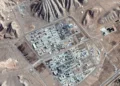
The previous round of discussions collapsed after Israel’s surprise attacks in June, which left at least 1,000 Iranians dead and destroyed three nuclear facilities. The presence of Muslim foreign ministers from Qatar, Turkey, the United Arab Emirates, Egypt, and Saudi Arabia was initially proposed, signaling the regional stakes and the extent to which local governments fear the consequences of any US-Iran agreement. Iran resisted this multilateral approach, insisting that bilateral dialogue with the US remain the central framework.
Experts suggest that the Iran nuclear talks are as much about perception as policy, with Tehran wary of a US strategy aimed at regime destabilization under the guise of diplomacy. Conversely, the US sees engagement as a critical means of containing Iran’s nuclear ambitions without immediate recourse to military action, particularly after the volatility observed following Trump’s rhetoric encouraging protests.
Analysts note that Oman’s role has been indispensable, providing a neutral venue and diplomatic facilitation that both sides trust. Busaidi’s careful coordination ensured that delegations met separately, allowing technical issues to be addressed without public posturing or escalation. The approach reflects Oman’s long-standing reputation as a discreet mediator in Middle Eastern diplomacy, balancing competing interests and building pathways for sustainable negotiation.
Moving forward, the Iran nuclear talks are expected to progress cautiously, with early sessions concentrating on uranium enrichment limits and verification protocols. Both sides appear committed to avoiding further conflict while creating conditions for a structured and verifiable agreement. Observers emphasize that success hinges on maintaining dialogue continuity and preventing external provocations from derailing the process.
Economic considerations also weigh heavily, as Iran seeks relief from crippling sanctions while the US leverages financial pressure to incentivize compliance. Stabilizing the rial and addressing food inflation will likely be key bargaining points in upcoming discussions, alongside the technical specifics of nuclear oversight. The outcome of these talks has potential repercussions not only for regional security but also for global non-proliferation norms.
As negotiations continue, the international community watches closely, aware that any breakthrough or setback could significantly impact both Middle Eastern stability and US foreign policy credibility. Oman’s diplomatic facilitation represents a rare instance of neutral engagement capable of bridging the divide, while the delicate balance of military threats, economic pressures, and domestic unrest shapes the path forward for these high-stakes Iran nuclear talks.
The success of these talks may determine whether diplomacy can avert escalation or whether regional conflict could intensify. Iran’s insistence on sovereignty and nuclear rights, coupled with US demands for verifiable limitations, creates a complex negotiation environment. Analysts agree that Oman’s involvement is vital in maintaining channels of communication that might otherwise close in the face of mutual suspicion.
Observers note that the coming weeks will be critical, with both sides under intense pressure to demonstrate progress. The dialogue facilitated by Oman may offer a framework for future agreements, potentially integrating regional stakeholders while focusing on technical solutions to nuclear enrichment. How effectively these negotiations address sanctions, security concerns, and verification measures will be decisive in determining their long-term success.

The continuation of these efforts demonstrates a shared recognition that avoiding conflict requires skillful diplomacy. Oman’s discreet handling of the meetings highlights the potential for small states to play a disproportionate role in global security matters. For Iran, the discussions offer a pathway to maintain nuclear capabilities within an internationally recognized framework, while the US seeks assurances of compliance without immediate military escalation.
The unfolding scenario confirms the delicate balance between diplomacy, military deterrence, and economic leverage. The Iran nuclear talks represent a pivotal opportunity to stabilize the region and ensure that nuclear ambitions are managed responsibly, avoiding the dire consequences of renewed hostilities. Both sides face internal and external pressures, underscoring the importance of patient negotiation and credible commitment to enforceable agreements.
In conclusion, Oman’s mediation efforts may be instrumental in sustaining dialogue between Washington and Tehran. The success of the Iran nuclear talks could set a precedent for future conflict prevention, demonstrating the impact of skilled diplomacy amidst geopolitical tension. Both countries remain cautious yet engaged, aware that progress here may determine regional stability for years to come.
Related News:
 George Clooney and Amal Clooney Receive French Citizenship
 Shock US Raid: Maduro Pleads Not Guilty in Manhattan Court
 UK and France Agree Troop Deployment Plan for Ukraine
 Capitol Attack Anniversary Sparks Deep Political Divide
 EU Weakens as Trump Targets Venezuela and Greenland
 Saudi Officials Report Zubaidi Flee Before Yemen Peace Talks
 Venezuela Oil Deal Opens Tensions with US Control
 UK Targets in New York Bomb Threat Hoax: Man Jailed
 Trump Plans Venezuela Meeting, Warns of Cartel Land Strikes
 Dutch Nationwide Fireworks Ban Expected to Transform New Year Traditions
 Gambia Supreme Court Hears Case to Overturn FGM Ban
 Trump Labels Renee Good a ‘Paid Agitator’ After Minneapolis ICE Killing
 Indonesia blocks Grok chatbot over sexual content risk
 US Citizens Warned to Venezuela Flee Amid Paramilitary Threats
 UK urges peaceful Iran transition amid escalating protests
 British skier killed in La Plagne avalanche tragedy
 UK Guantánamo Settlement Paid to Tortured Detainee
 Sikh Activist Warned Over Rising Security Threats in UK
 Mandelson apologises over Epstein ties after public scrutiny
 BBC moves to dismiss Trump $10bn lawsuit over Panorama edit
 Trump targets Iran trade with 25% tariff warning
 Rudd successor: Defence chief and former ministers considered
 Russia Moves to Bypass Sanctions, Securing India Oil Imports
 US Senate rejects resolution limiting Trump military powers
 Venezuela regime claims release of political prisoners signals new era
 Friedman Uninvited From 2024 Adelaide Writers’ Week
 Trump Calls Greenland Critical for US Security After Denmark Talks
 Trump: Iran Killing Has Stopped, Strike Threats Pulled Back
 Gulf states warn Trump Iran strikes risk wider Middle East war
 Machado Trump medal gesture reshapes Venezuela power struggle
 Greenland defence seen as shared Nato duty amid troop arrivals
 Gulf states warn Trump Iran strikes risk wider Middle East war
 Geopolitical football: Iran, Trump and the World Cup clash
 Canada-China trade gains momentum in new strategic partnership
 Trump Receives Machado’s Nobel Medal in White House Meeting
 Iran unrest slows under brutal crackdown and global tensions
 Trump Allies Pursue $200m European Gas Pipeline Deal
 Syria President Declares Victory as Ceasefire Reached with SDF
 US Considers Asylum for British Jews Amid Rising Antisemitism
 Starmer Challenges US Over Controversial Greenland Deal
 China embassy London approval expected this week
 Chinese tourists drop sharply over Taiwan tensions
 Spoof “Make America Go Away” Caps Rally Denmark Over Greenland
 London Residents Threaten Legal Challenge Over Chinese Embassy
 Trump slams UK ‘stupidity’ over Chagos Islands, eyes Greenland takeover
 More Than 100 Islamic State Inmates Escape Amid Syrian Clashes
 UK Presses On With Chagos Handover Despite Trump Criticism
 Trump Tightens Grip on EU and UK Energy Supply
 Kim Jong-un Fires Vice-Premier Over Factory Failures
 Shinzo Abe’s killer receives life sentence in Japan
 Starmer Resists Matching Trump Amid Greenland Tensions
 Netanyahu Accepts Trump’s ‘Board of Peace’ Invitation
 South Korean Ex-PM Jailed 23 Years Over Martial Law Role
 UK declines Trump’s ‘board of peace’ over Putin concerns
 Silence and Unity Mark Bondi Terror Attack Memorial
 Russia Strikes Kyiv and Kharkiv as Peace Talks Enter Day Two
 Canada Rules Out Free Trade Deal With China Amid US Tensions
 China General Under Investigation Amid Leadership Purge
 Philippines ferry disaster leaves 15 dead, dozens missing
 Israel Conditions Gaza Rafah Reopening on Hostage Search Completion
 Turnbull urges Albanese to confront Trump’s global ‘bully’ politics
 India-EU Free Trade Deal Marks Historic Economic Shift
 Iran Death Toll Crisis Exposed: Bodies, Mass Graves, and Concealment
 Snow Threatens Japan Election Turnout Amid Extreme Cold
 Keir Starmer meets Xi to strengthen UK-China economic relations
 Crisis Looms as Liberals Debate Sussan Ley Future
 Cambridge Faces Scrutiny Over Arms Investment Transparency
 Files Link Andrew to Epstein Dinner After Prison Release
 Thousands Protest ICE Operations in Nationwide US Day of Action
 Epstein Files Reveal Trump Officials’ Emails with Financier
 Thousands Protest ICE in New York Against Trump Deportation Campaign
 US-Cuba Negotiations Shift as Oil Blockade Looms
 Trump-Petro Meeting Sparks Hopes of Diplomatic Detente
 Trump softens stance on Chagos Islands deal after Starmer call
 Epstein UAE Emails Shake British Royal Andrew’s Legacy
 Europeans oppose US after Greenland threat, poll shows
 Reeves Faces Setback as Labour May Miss Homes Target
 Kate Winslet to Narrate Film Highlighting King’s Environmental Mission
 Trump’s UK Ambassador Urges North Sea Drilling to Strengthen US Ties
 UK Bans Fake Numbers: Scammers Lose Their Trick