Publishing Date: 14 February 2026
Desk: History & Culture
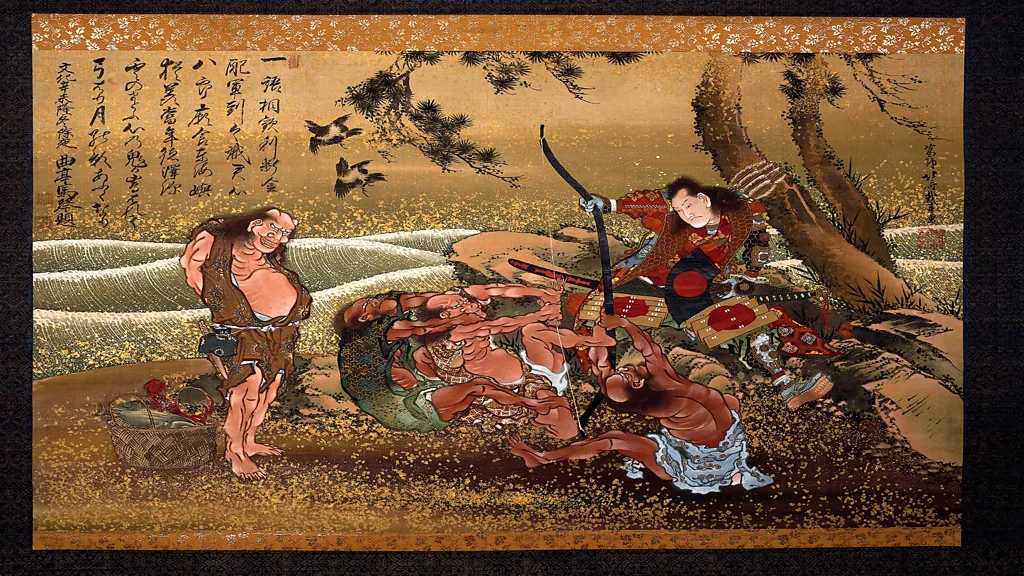
Samurai, often called the “fabled knights of old,” have captured the imagination of historians, filmmakers, and martial arts enthusiasts alike. The iconic warriors of feudal Japan were far more than romanticised figures; their lives were defined by strict codes of honour, fierce loyalty, and extraordinary skill in combat. The true story of these mysterious samurai reveals a complex world of power, politics, and personal discipline that shaped Japan for centuries.
The samurai class emerged during Japan’s Heian period (794–1185) as provincial warriors serving powerful landowners, or daimyos. Initially, they were primarily mounted archers, tasked with defending their lords’ territories. Over time, samurai evolved into elite warriors skilled in swordsmanship, strategy, and governance.
“The samurai were both soldiers and administrators,” explains historian Kenji Tanaka. “They enforced law and order, but they also shaped culture, politics, and philosophy.”

At the heart of samurai life was Bushido, the moral code that emphasised loyalty, honour, and self-discipline. Samurai were expected to serve their lords faithfully, often at the cost of personal safety or even life. Ritual suicide, or seppuku, was considered an honorable way to preserve dignity in the face of failure.
Bushido also encouraged cultural refinement. Samurai were not only warriors; they practiced poetry, calligraphy, and tea ceremonies, reflecting a dual commitment to martial prowess and aesthetic sensibility.
Some samurai became legendary figures, their deeds celebrated for centuries:
-
Minamoto no Yoshitsune: Renowned for military strategy during the Genpei War.
-
Miyamoto Musashi: Famed swordsman and author of The Book of Five Rings.
-
Oda Nobunaga and Tokugawa Ieyasu: Not samurai in the traditional sense, but powerful warlords who relied heavily on samurai armies to unify Japan.
These figures illustrate how samurai were central not just on the battlefield but in the political and cultural life of Japan.
During the Edo period (1603–1868), Japan enjoyed relative peace under Tokugawa rule. Samurai transitioned from warriors to bureaucrats, administering domains and enforcing law. Despite a decrease in battlefield combat, the ideals of Bushido remained deeply ingrained.
Samurai swords became symbols of status, and martial training remained central to their identity, blending honour with practicality in a time of peace.
The Meiji Restoration in 1868 brought dramatic social reform. Samurai privileges were abolished, and many were absorbed into the new modern army or became civilians. Yet their cultural and moral influence persists:
-
Samurai principles influence modern Japanese business and martial arts.
-
Literature, film, and pop culture continually celebrate their mystique.
-
Historical reenactments and preserved castles maintain their legacy for tourism and education.

The mystique of the samurai endures globally. From Hollywood films like The Last Samurai to Japanese anime and manga, these warriors continue to captivate imaginations. Scholars argue that fascination is not only with their combat skills but with the ethical and philosophical dimensions of their lives.
“The samurai embody a tension between discipline and freedom,” says cultural historian Aiko Nakamura. “That’s why they resonate even today.”
The “fabled knights of old” were more than warriors; they were arbiters of culture, politics, and ethics in feudal Japan. Their lives, governed by Bushido, remind us of the power of honor, loyalty, and discipline. Though their swords may rest, the influence of Japan’s mysterious samurai continues to shape modern culture, inspiring stories, values, and imaginations worldwide.