Published: 05 December 2025. The English Chronicle Desk. The English Chronicle Online
When crude oil first washed ashore, it arrived silently, staining coastlines into streaks of black and bronze. The air carried a sharp chemical scent that burned the throat and stung the eyes. Residents along the Gulf Coast would later describe waking up with red, irritated eyes and headaches that lingered for weeks. What unfolded in 2010 after the explosion of the Deepwater Horizon oil spill drilling rig became one of the worst environmental disasters in modern history — a catastrophe that reshaped ecosystems, economies and public trust in industrial safety.

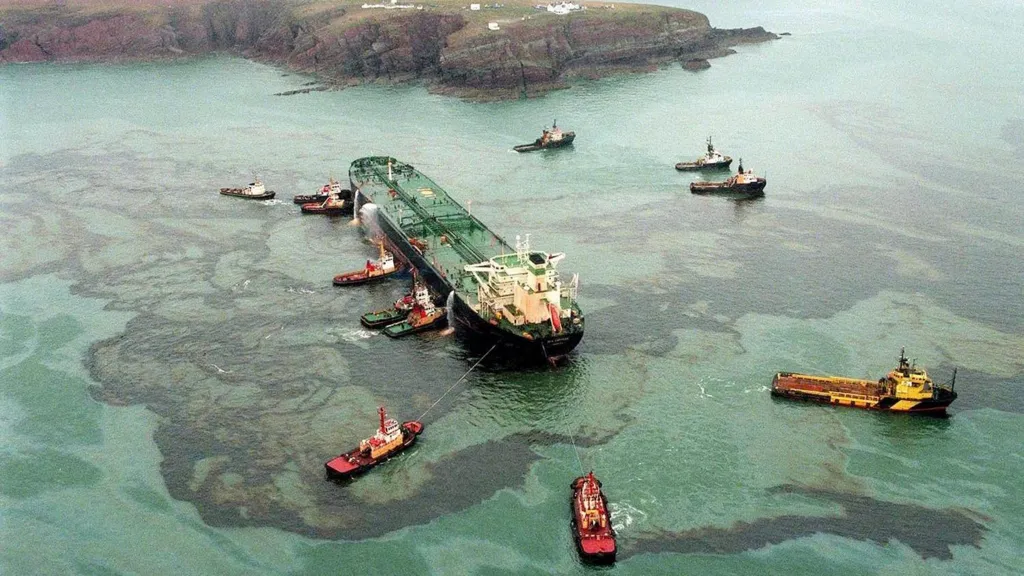
The explosion aboard the offshore platform, operated by BP, triggered a blowout nearly a mile beneath the ocean’s surface in the Gulf of Mexico. For 87 days, millions of barrels of oil poured into the sea. Satellite images captured a growing slick that seemed almost unreal in scale — a dark, expanding wound across blue waters. Coastal wetlands, marshes and fishing grounds absorbed the toxic tide, while communities watched helplessly as beaches once known for white sand turned tar-black.
The physical impact on wildlife was immediate and harrowing. Seabirds coated in thick oil struggled to fly. Dolphins surfaced through contaminated water. Sea turtles washed ashore, weakened and disoriented. Rescue teams worked tirelessly, scrubbing feathers and transporting injured animals to rehabilitation centres. Yet for every life saved, countless others were lost unseen beneath the surface. Scientists later confirmed long-term damage to marine life, including reproductive failures in fish populations and chronic illness in dolphins exposed to hydrocarbons.
For coastal residents, the disaster was not merely environmental — it was deeply personal. Fishermen saw their livelihoods vanish overnight as vast swathes of ocean were closed to commercial activity. Tourism plummeted as images of oil-soaked beaches circulated globally. Local business owners faced financial ruin. Even years after cleanup crews removed visible tar balls from shorelines, the psychological scars lingered. Parents worried about children swimming in contaminated waters. Workers reported respiratory problems, skin irritation and persistent fatigue after months spent handling crude oil and dispersants.
One of the most controversial aspects of the response was the widespread use of chemical dispersants designed to break oil into smaller droplets. While intended to accelerate natural degradation, the chemicals introduced additional environmental uncertainties. Researchers have since debated the compound effects of oil and dispersant mixtures on marine ecosystems. Some studies suggest that the blend may have increased toxicity in certain conditions, raising enduring questions about the balance between rapid mitigation and long-term ecological health.
Legal and financial repercussions followed swiftly. BP ultimately agreed to tens of billions of dollars in fines and settlements — one of the largest corporate penalties in history. Compensation funds were established for affected workers and businesses, and new offshore drilling regulations were introduced. Yet critics argue that regulatory reforms have fluctuated with changing political administrations, leaving unresolved tensions between economic interests and environmental safeguards.
More than a decade later, the visible oil has largely disappeared, but its legacy remains embedded in the Gulf’s sediment and collective memory. Marsh grasses that once acted as natural storm barriers were weakened, increasing vulnerability to hurricanes. Scientific monitoring continues to detect traces of oil buried beneath coastal sands, occasionally resurfacing after storms. The ecosystem has shown resilience in some areas, yet recovery is uneven and fragile.
Beyond the Gulf Coast, the disaster reshaped global conversations about fossil fuels and environmental risk. It intensified scrutiny of offshore drilling practices and strengthened calls for renewable energy transitions. Environmental advocates cite the spill as a stark reminder of the hidden costs of energy extraction. Industry leaders counter that technological improvements and stricter oversight have significantly reduced the likelihood of a similar catastrophe. The tension between energy demand and environmental stewardship remains unresolved.
For many who lived through it, memories are sensory rather than statistical. They recall the sight of once-vibrant shorelines coated in tar, the smell of oil carried inland by humid winds, and the red eyes that seemed to symbolise both physical irritation and emotional distress. The beaches have largely regained their colour, and tourists once again fill coastal resorts. Yet beneath the surface, the ecological and social imprint endures.
Environmental disasters often fade from headlines as new crises emerge, but their effects ripple quietly for years. The Deepwater Horizon spill stands as a reminder that environmental damage is rarely confined to a single moment. It unfolds in stages — first visible, then invisible — shaping health, habitat and policy long after the cameras depart.
In the end, the blackened beaches and irritated eyes became symbols of a broader reckoning. They exposed vulnerabilities in safety systems, revealed the interconnectedness of industry and environment, and underscored how quickly natural beauty can be transformed by human error. The Gulf has healed in many ways, yet the memory of that dark tide continues to inform debates about responsibility, resilience and the true cost of energy in the modern world.
Related News:
 South Africa’s Garden Route Gem Faces Looming Water Crisis
 Draft Severe Weather Plan Following Storm Flooding
 Cameras Installed to Monitor Flood Levels Across Vulnerable Areas
 What is Groundwater Flooding and Why Dorset is Seeing ‘Historical Highs’
 Dozens of Flood Warnings in England After Days of Non-Stop Rain
 Aberdeen Chosen for GB Energy HQ at Marischal Square