Published: 05 December 2025. The English Chronicle Desk. The English Chronicle Online
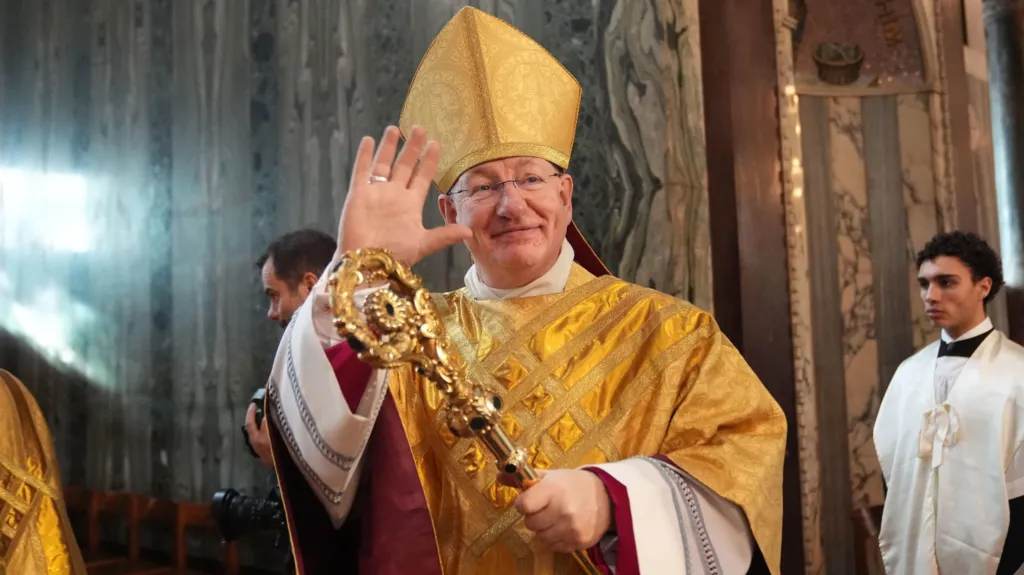
The newly appointed Catholic Archbishop has called for the Church to take urgent lessons from victims of abuse, emphasising accountability, transparency, and pastoral care as central to rebuilding trust within communities. In his first public address since his appointment, the Archbishop acknowledged the pain caused by historical abuses and urged Church leaders to listen carefully to survivors’ experiences.
Speaking at a ceremony in the archdiocese’s cathedral, the Archbishop stated that the Church must prioritise the voices of those affected by abuse over institutional interests. “The suffering endured by victims is real and profound,” he said. “It is not enough to express regret — we must actively learn from their experiences and work to ensure such harm never happens again.”

The Catholic Church has faced intense scrutiny worldwide over its handling of abuse cases, with survivors and advocacy groups repeatedly calling for stronger safeguards and more open engagement with affected communities. Many believe that acknowledging past failures and implementing meaningful reforms is essential for restoring faith in Church leadership.
The Archbishop highlighted several key areas where the Church must improve, including mandatory reporting of abuse allegations, independent oversight of investigations, and better support services for victims. He also stressed the importance of education and training for clergy to ensure safeguarding policies are fully understood and enforced.
Advocates welcomed the Archbishop’s remarks as a step in the right direction, though some emphasised that words must be matched by concrete action. Mary Callahan, a spokesperson for a victims’ advocacy group, said: “Acknowledgement is important, but it must lead to accountability and tangible changes. Survivors need to see justice, protection, and meaningful support.”
The Archbishop’s call comes amid ongoing inquiries into abuse within the Church, which have prompted legal reforms, apologies, and in some cases, criminal investigations. He reaffirmed his commitment to cooperating fully with civil authorities and to fostering an environment in which survivors feel safe to come forward.
In addition to addressing abuse, the Archbishop urged clergy and laity alike to reflect on the Church’s wider mission in society, advocating for compassion, integrity, and a culture of listening. “Healing is not just about addressing past wrongs,” he said. “It is about creating a Church that truly serves and safeguards every member of its community.”
The remarks were met with applause from clergy and parishioners attending the ceremony, signalling a readiness within the archdiocese to embrace reform. Observers noted that the Archbishop’s emphasis on learning from victims represents a growing recognition that institutional humility and survivor-focused approaches are central to the Church’s moral and spiritual leadership.

The Archbishop also announced plans to establish forums and advisory councils including survivors, clergy, and safeguarding experts, designed to review policies, suggest improvements, and ensure transparency in the handling of abuse allegations. Such initiatives are expected to set a precedent for other dioceses grappling with similar challenges.
As the Church seeks to navigate a complex landscape of faith, accountability, and public scrutiny, the Archbishop’s statements underscore the need for ongoing vigilance, ethical leadership, and an unwavering commitment to the dignity and protection of all members of the Catholic community.
Related News:
 South Africa’s Garden Route Gem Faces Looming Water Crisis
 EXCLUSIVE: Shamed Andrew’s New Humiliation as King Lays Down New Rule After Royal Lodge Boot
 Labour Utterly Humiliated by Straight-Talking Mum Who Cut Through Keir Starmer’s Insanity
 Royal Family LIVE: ‘Pariah’ Andrew Mountbatten-Windsor Sparks Fresh Revolt Among Staff
 GMB Issues Bombshell Andrew Update Minutes Into Show as Furious Viewers ‘Switch Off’
 Possessions Stuck in Unsafe Flats Two Years On
 Stay Away from Collapsed Road, Council Urges
 Tributes to Hospital’s First Black Ward Sister
 I Stayed in Britain’s ‘Best’ and ‘Worst’ Hotels – Here’s What I Learnt
 I Shop at Sainsbury’s Every Day but the Price of One Item Made Me Go to Aldi
 Hindu Man’s Stand Sparks Hope in India
 How Where You Grow Up Affects Your Personality
 Why I Decided to Start ‘Gentle Parenting’
 Kenyans Drop Flowers for Valentine’s Bouquets of Cash — Not Everyone Is Impressed
 Renters Furious as Decent Homes Standard Delayed Until 2035
 Palmerston, Former Foreign Office Chief Mouser, Dies