Published: 05 December 2025. The English Chronicle Desk. The English Chronicle Online
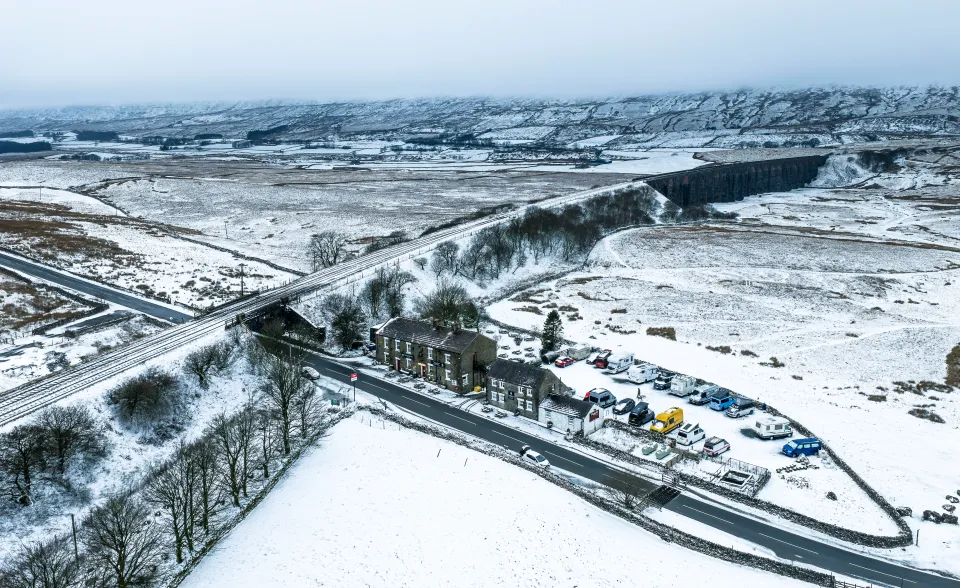
The United Kingdom is bracing for further disruption as the Met Office has issued a yellow weather warning for snow, following an Arctic blast that has already affected large swathes of the country. Authorities warn that the extreme conditions could lead to travel chaos, flooding, and power outages, with more than 70 areas across the UK expected to experience severe weather in the coming days.
Meteorologists say the Arctic blast, which has pushed unusually cold air from northern Europe and Scandinavia into the UK, will bring additional snowfall to regions that are still recovering from previous storms. Temperatures are forecast to remain well below average, intensifying the risk of ice formation on roads and public transport networks. The Met Office has advised residents to exercise caution, particularly when driving or commuting.

The yellow warning covers much of England, Wales, and parts of Scotland, signalling that the snow could cause disruptions to daily life. Transport authorities are on high alert, deploying gritters and snowploughs to keep key routes passable. Rail operators have warned of potential delays, with limited services expected on some routes due to icy tracks. Airports are also monitoring conditions closely, with travelers advised to check flight schedules and prepare for possible cancellations.
In addition to snow, forecasters have predicted that heavy rainfall accompanying the cold snap could lead to localized flooding. Rivers and low-lying areas are at particular risk, and over 70 flood warnings have been issued across the country. Emergency services are working closely with local councils to respond quickly to any incidents, including property damage, road closures, and evacuations if necessary.
The extreme weather comes as winter storms have already caused significant disruption across the UK. Snow and ice have contributed to several traffic accidents, while emergency services have responded to multiple incidents involving stranded vehicles and injuries. Health authorities have also reminded vulnerable populations, including the elderly and those with pre-existing conditions, to take precautions against the cold.
Weather experts have described the current Arctic blast as one of the most intense in recent years, with temperatures in some northern regions expected to plummet well below freezing. Authorities caution that even short periods outside in exposed areas could pose risks of hypothermia or frostbite. Citizens are urged to limit travel where possible, ensure heating systems are working efficiently, and check on neighbours or vulnerable individuals in their communities.
The government has mobilized disaster response teams to coordinate with local authorities. Resources, including temporary shelters and emergency flood kits, have been pre-positioned in areas considered most at risk. Public transport operators are advised to adjust schedules and provide real-time updates to keep passengers informed. Residents are encouraged to follow official channels for guidance and avoid unnecessary risks during the severe weather.
Insurance experts warn that property owners in flood-prone areas should ensure their buildings and contents are adequately protected. Flooding and snow damage claims are expected to rise, prompting some insurers to issue reminders about coverage limitations and necessary precautions. Homeowners are advised to clear drains, secure outdoor items, and prepare emergency supplies to reduce potential damage.

The yellow weather warning remains in effect for the next 48 hours, with the possibility of extension depending on the severity of snowfall and rainfall. Citizens are urged to stay informed through the Met Office and local authority updates and to report any incidents promptly to emergency services.
As the Arctic blast continues to grip the UK, the combination of snow, ice, and flooding is expected to test infrastructure and emergency response capabilities. Authorities have stressed that preparedness, vigilance, and adherence to safety guidance remain the best ways to mitigate risks during this severe winter weather event.
Related News:
 Dozens of Flood Warnings in England After Days of Non-Stop Rain
 South Africa’s Garden Route Gem Faces Looming Water Crisis
 Draft Severe Weather Plan Following Storm Flooding
 Cameras Installed to Monitor Flood Levels Across Vulnerable Areas
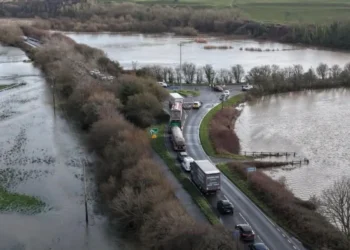 What is Groundwater Flooding and Why Dorset is Seeing ‘Historical Highs’
 Storm Leonardo Triggers Election Delay Calls in Iberia
 Aberdeen Chosen for GB Energy HQ at Marischal Square
 Red Eyes and Black Beaches: Oil Spill’s Lasting Scars
 FLOOD TRAGEDY: Man Dies After Entering Floodwater During Police Chase