
Washington — January 2026
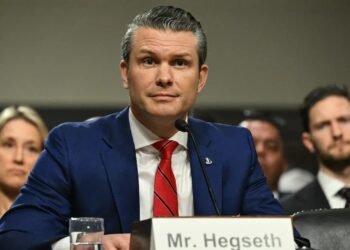
US Senator Mark Kelly sues Pentagon chief Hegseth over demotion threats, escalating an extraordinary legal and political confrontation between a sitting US senator and the Department of Defense leadership. The lawsuit, filed in federal court, alleges that Defense Secretary Pete Hegseth threatened retaliatory action against Kelly’s military status in response to the senator’s outspoken criticism of Pentagon policies and executive decisions.
Kelly, a former Navy combat pilot and astronaut who continues to serve in the Naval Reserve, claims the alleged threats amount to political intimidation and violate constitutional protections, military regulations, and long-standing norms separating civilian oversight from partisan retaliation.

Details of the Lawsuit
According to court filings, Kelly argues that Hegseth or senior officials acting on his behalf signalled potential demotion or removal from reserve duties after the senator publicly questioned defense leadership decisions, including personnel management, military readiness, and the politicisation of the armed forces.
The lawsuit asserts that such actions, if carried out, would represent unlawful retaliation against a member of Congress exercising oversight authority and free speech rights. Kelly’s legal team says the case is not about personal status but about protecting institutional integrity.
“No service member — especially one elected by the American people — should face career punishment for speaking truthfully about national security,” Kelly said in a statement.
Pentagon Response
The Pentagon has denied wrongdoing, describing the allegations as unfounded and politically motivated. A Defense Department spokesperson said personnel decisions are governed by established procedures and denied that the secretary had issued any retaliatory threats.
“Secretary Hegseth respects the rule of law and the constitutional separation of powers,” the spokesperson said, adding that the department would respond fully through the legal process.
Political Fallout
The lawsuit has sent shockwaves through Washington, drawing bipartisan concern about civil-military relations. Several lawmakers warned that even the perception of retaliatory pressure against a reservist senator could undermine trust in the Pentagon’s leadership.
Democratic leaders rallied behind Kelly, framing the case as a test of democratic accountability. Some Republicans, while stopping short of endorsing the lawsuit, expressed unease over the allegations and called for transparency.
“This is not about party politics,” said one senior lawmaker. “It’s about ensuring the military remains apolitical.”
Civil-Military Norms Under Scrutiny
Experts say the case raises serious questions about the balance between civilian control of the military and protection against political misuse of authority. The US military has long prided itself on remaining insulated from partisan conflict, a principle many fear is being eroded.
“If demotion threats are used as leverage, it sets a dangerous precedent,” said a former Pentagon legal adviser. “It would discourage oversight and chill dissent.”
Kelly’s Military Background
Mark Kelly’s military credentials add weight to the dispute. A decorated naval aviator with extensive combat experience, Kelly has frequently emphasised his commitment to service members and veterans. His continued role in the reserves has symbolised a bridge between military service and public office.
Supporters argue that makes the alleged threats particularly troubling, while critics counter that no senator should hold a military role that could complicate oversight.
Legal and Constitutional Questions
At the heart of the lawsuit are questions about constitutional protections for lawmakers, military regulations governing reservists, and the limits of executive authority. Legal scholars note that the case could establish precedent on whether political speech by reservist-lawmakers can be penalised administratively.
The court is expected to consider whether Kelly faced a credible threat, whether proper procedures were followed, and whether the alleged actions violated federal law.

What Comes Next
The Pentagon has been given time to respond formally, and a preliminary hearing is expected in the coming weeks. The case is likely to draw intense scrutiny, particularly if internal communications are subpoenaed.
For now, the lawsuit highlights a broader debate over politicisation, accountability, and the health of democratic norms within the US defense establishment.
Publication Details
Published: January 2026
The English Chronicle Desk
The English Chronicle Online
Related News:
 US National Guard Member Killed in DC Shooting
 Trump to pause migration from ‘third-world countries’
 Franklin Turtle, Sabrina Carpenter Slam US Social Media Use
 Trump Says US Will Act on Greenland ‘Whether They Like It or Not’
 Trump Administration Dismisses 17 Immigration Judges, Sparking Debate Over Judicial Independence
 Tasers Introduced in UK Prisons to Combat Rising Violence and Protect Staff
 Ex-Army Chief Under Fire for Lobbying Allegations Tied to US Defence Firm
 David Lammy Faces Possible Legal Challenge Over Foreign Office Secondment Scheme
 Ministers Accused of Defamation Over Palestine Action Ban and Mass Arrests
 Police Advised to Disclose Ethnicity of Suspects in High-Profile Cases
 Sally Rooney Pledges BBC Royalties to Support Palestine Action Despite UK Terror Ban
 UK’s First Transgender Judge Seeks Rehearing of Supreme Court Ruling on Biological Sex
 Government Signs Deal with Iraq to Return Illegal Migrants in Latest Bid to Deter Small Boats
 Migrant Hotel Chaos as Councils Consider Legal Action to Ban Asylum Seekers
 DWP Launches Independent Review of Post Office Staff Prosecutions
 Angela Rayner Admits Underpaying Stamp Duty on £800,000 Seaside Flat
 Angela Rayner Faces Scrutiny as Stamp Duty Row Deepens
 Shabana Mahmood Faces Daunting Challenges as New UK Home Secretary
 Tanni Grey-Thompson Faces Abuse Over Opposition to Assisted Dying Bill
 Father’s Tip Leads to Arrest in Charlie Kirk Murder Case
 First “One In, One Out” Deportation Flight Departs Without Migrants Amid Legal Challenges
 Hillsborough Law to Hold Public Officials Accountable, Promising Jail for Serious Misconduct
 Corbyn and Sultana Clash Over Membership Portal as Divisions Surface in New Leftwing Party
 Commons Speaker Warns UK Parliament Vulnerable to Foreign Espionage After China-Linked Case Dropped
Mahmood Pledges Reform of Modern Slavery Laws After Court Blocks Deportation Appeal
Commons Speaker Warns UK Parliament Vulnerable to Foreign Espionage After China-Linked Case Dropped
Mahmood Pledges Reform of Modern Slavery Laws After Court Blocks Deportation Appeal
 Migrants in UK May Need to Contribute or Face Removal, Home Secretary Signals
 Jailed Georgian Opposition Leaders Warn UK of Iranian Links to Ruling Party
 UK Police to Gain New Powers to Manage Repeated Protests, Home Office Announces
 MPs’ pay watchdog seeks to give public greater voice in how politicians are funded
 Digital ID Plans Ignite Debate Over £600m Treasury Tax Boost and Privacy Concerns
 Boris Johnson Breached Rules on Post-Office Business Contacts
 UK Extradition Law Change Sparks Fears Among Hong Kong Dissidents
 Nigel Farage’s partner linked to Brussels fraud probe
 Lucy Powell urged ministers to reconsider costly legal case for Labour donor’s firm
 Starmer Accused of Creating ‘Toxic Downing Street’
 China Spy Case Hearing Reveals Key Gaps in Prosecution
Johnson Approved China’s London ‘Super-Embassy’ in 2018
China Spy Case Hearing Reveals Key Gaps in Prosecution
Johnson Approved China’s London ‘Super-Embassy’ in 2018
 Phillipson urges careful review of gender recognition guidance
 French Taxi Driver Cleared in David Lammy Theft Case After Fare Dispute
 China-critical UK academics face ‘extremely heavy’ pressure from Beijing
 Met Police Culture Makes Racial Harm ‘Inevitable’
 Remaining rebel Labour MPs have whip restored
 Tim Davie resigns as BBC director general amid bias claims
 WASPI Women May Get Second Chance at Pension Redress
 Palace to reinstate hyphen in Andrew’s surname
 Trump Urges Herzog to Grant Netanyahu Full Pardon
 Victims’ commissioner Baroness Newlove dies aged 63
 Major Rent Reform Ends No-Fault Evictions in England
 Peers Flood Assisted Dying Bill with 942 Amendments
 US Justice Department Files Lawsuit Against California Over Partisan Voting Maps
 Nandy says BBC review to probe political board influence
 UK Unveils Fast-Track Deportation and Asylum Overhaul
 Trump Deploys DHS to Charlotte in Major Arrest Operation
 UK Asylum Overhaul Sparks Debate Over Human Rights and Deportations
 UK Asylum Reforms: Temporary Refugee Status and Faster Deportations
 Mahmood Defends Tough Overhaul of UK Asylum System
 Scottish Ministers Express Alarm Over UK Asylum Reforms
 South African Detained After Neo-Nazi Rally in Australia
 Westminster Advances Legacy Bill Amid Criticism
 Minister Defends Tough New Asylum Reform Plan
 UK Net Migration Falls Sharply After ONS Revisions
 Federal Court Blocks Texas Republican Maps Over Racial Bias
 Only One Republican Opposes Mass Release of Epstein Files
 Congress Approves Release of Epstein Files, Trump Expected to Sign
 Senedd Suspends Politician Over Offensive Racial Slur
 Trump Signs Bill Releasing Justice Department Files on Epstein
 Texas Governor Faces Lawsuit From CAIR
 Peers Get Extra Time to Debate Assisted Dying Bill
Trump to Recheck Green Cards from 19 Nations After DC Attack
Peers Get Extra Time to Debate Assisted Dying Bill
Trump to Recheck Green Cards from 19 Nations After DC Attack
 ICC to Rule on Duterte’s Provisional Release
 Chinese & Japanese Boats Clash Near Disputed Islands
 Putin Meets US Envoy Amid Key Ukraine Peace Talks
 US Defence Chief on Drug Boat Strike: “Did Not See Survivors”
 Republicans Hold Tennessee Seat Despite Democratic Surge
 Russia losses Ukraine war peace talks intensify amid rising deaths
 Trump Escalates Minnesota Immigration Surge Amid Rising Tensions
 Trump: US Stands Ready to Help Iran Find Freedom Amid Widespread Unrest
 Homeland security agents deployed amid Minneapolis protests
 Top Senate Republican Says Federal Probe of Powell Could Challenge Fed Nominees
 Trump Administration Probe of Fed’s Powell Draws Pushback