Published: 12 August — The English Chronicle Desk
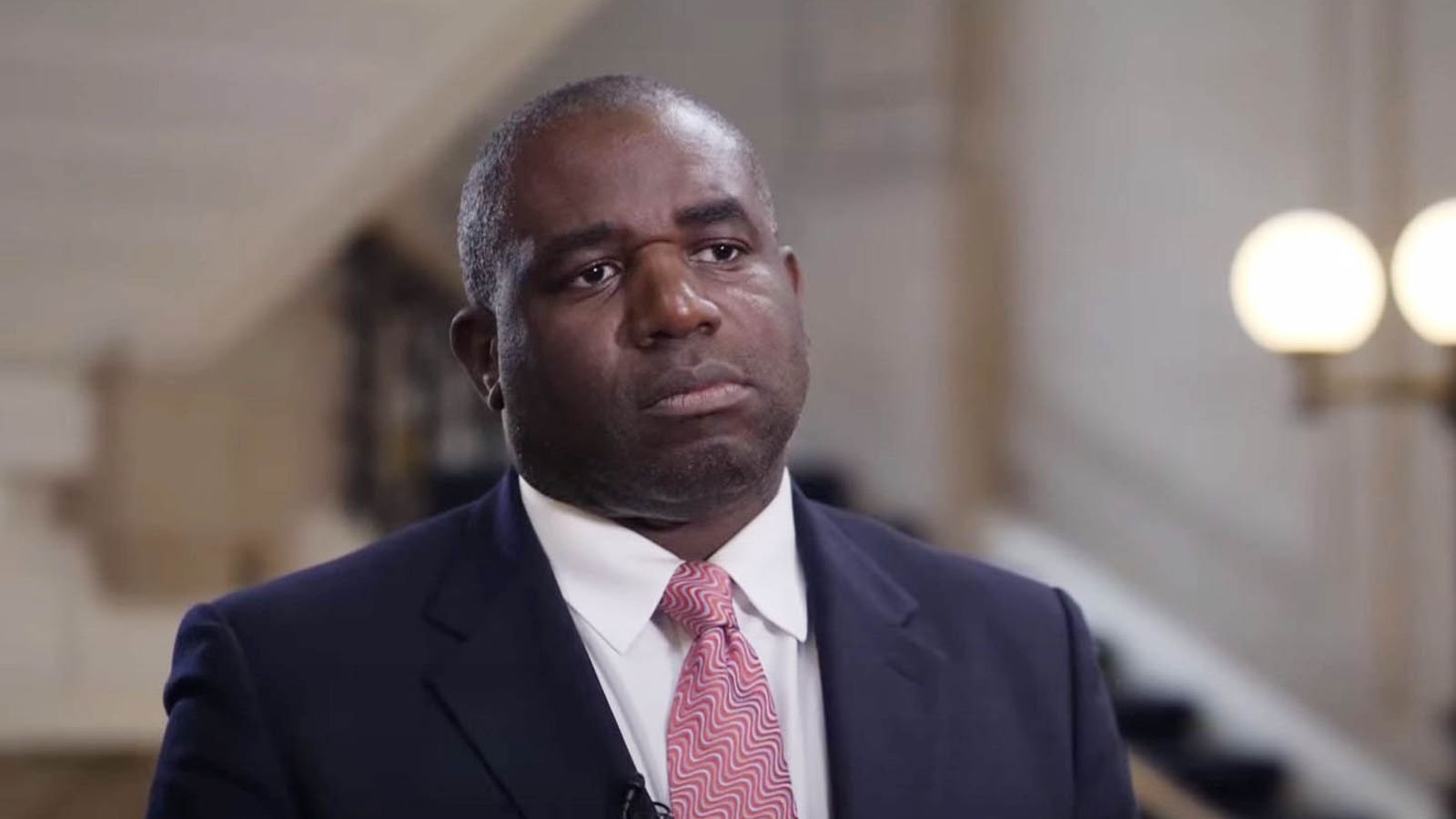
David Lammy, the UK Foreign Secretary, is under potential legal scrutiny over a controversial plan to embed staff from multinational corporations Shell and BAE Systems within the Foreign, Commonwealth and Development Office (FCDO). The proposal, aimed at fostering closer ties between government and business, has raised serious concerns among campaigners who warn that it risks improper influence and conflicts of interest within the UK government.
A pre-action letter, obtained by the Guardian and sent by law firm Leigh Day on behalf of environmental group The Corner House, cautions that the scheme may violate legal obligations and the civil service code. The letter highlights a lack of transparency regarding how the exchange programme would operate and expresses alarm over the possibility that representatives from powerful corporations could unduly sway government policy, particularly in sensitive areas like foreign affairs.

The scheme, initially introduced by Lammy in March, involves sending FCDO staff to gain commercial experience by working within private firms while simultaneously inviting private-sector employees to take placements within government ministries. This “two-way” secondment arrangement is part of Lammy’s broader vision to modernise the FCDO, enabling it to better serve British business interests abroad.
Nicholas Hildyard, founder and director of The Corner House, criticised the initiative, describing it as “a recipe for potential serious conflicts of interest.” He pointed out that both Shell and BAE Systems have faced allegations of human rights violations in the past, positioning them at odds with the government’s public commitment to uphold international law and human rights standards.
While Shell disputes any wrongdoing suggested in the legal correspondence, the issue has sparked wider debate about the appropriate boundaries between government and corporate influence. In a speech to the Chambers of Commerce, Lammy acknowledged the need for a “sustained cultural transformation” within the FCDO to fully represent business interests on the global stage. He has proposed an exchange programme with several major UK firms, including Barclays and Octopus Energy, aimed at expanding commercial acumen within the department.
In correspondence obtained via a freedom of information request, Lammy emphasised the role of British ambassadors in assisting companies to secure international contracts and investment, asserting that Shell and the FCDO share a common goal of navigating a complex geopolitical environment.
Reports in June indicated that Lammy had invited staff from Shell and BAE Systems into Whitehall diplomatic roles to actively promote their interests overseas. Despite the controversy, Lammy has maintained that his priority is the economic welfare of British workers, stating, “I will always put the economic interests of British workers first.”

An FCDO spokesperson defended the secondment scheme, asserting that partnerships with British businesses are intended to harness expertise, champion UK interests internationally, and stimulate economic growth. They added that secondments between the civil service and private sector are routine, with FCDO staff already gaining experience in private companies, multilateral organisations, and non-governmental organisations.
As legal proceedings loom, the debate over the appropriate degree of corporate involvement in government policy-making continues, raising fundamental questions about transparency, governance, and the safeguarding of public interest in an increasingly interconnected world.
Related News:
 Lucy Powell urged ministers to reconsider costly legal case for Labour donor’s firm
 Tories Push to Dilute Labour’s Workers’ Rights Bill
 Tasers Introduced in UK Prisons to Combat Rising Violence and Protect Staff
 Supreme Court Ruling on Car Finance Scandal Poised to Impact Millions of Motorists and Banks
 Ministers Accused of Defamation Over Palestine Action Ban and Mass Arrests
 Police Advised to Disclose Ethnicity of Suspects in High-Profile Cases
 Sally Rooney Pledges BBC Royalties to Support Palestine Action Despite UK Terror Ban
 Grant Shapps Cleared to Join Defence Startup Despite Ethical Concerns
 UK’s First Transgender Judge Seeks Rehearing of Supreme Court Ruling on Biological Sex
 Government Signs Deal with Iraq to Return Illegal Migrants in Latest Bid to Deter Small Boats
 Migrant Hotel Chaos as Councils Consider Legal Action to Ban Asylum Seekers
 DWP Launches Independent Review of Post Office Staff Prosecutions
 Angela Rayner Admits Underpaying Stamp Duty on £800,000 Seaside Flat
 Scotland Bans Arms Firms Supplying IDF from Receiving Financial Support
 Government Launches £338m Scheme to Support Sick and Disabled People Back into Work
 Angela Rayner Faces Scrutiny as Stamp Duty Row Deepens
 Shabana Mahmood Faces Daunting Challenges as New UK Home Secretary
 UK Advertising Watchdog Faces Criticism Over Its Own Campaigns
New Home Secretary Hosts International Talks as Small-Boat Migrant Crossings Surge
UK Advertising Watchdog Faces Criticism Over Its Own Campaigns
New Home Secretary Hosts International Talks as Small-Boat Migrant Crossings Surge
 Police Watchdog Calls for End to Recording Non-Crime Hate Incidents
 Starmer Urged to Champion Workers’ Rights Amid Low Public Awareness
 First “One In, One Out” Deportation Flight Departs Without Migrants Amid Legal Challenges
Rachel Reeves Hosts Top UK and US Financial Executives as Trump’s State Visit Begins
First “One In, One Out” Deportation Flight Departs Without Migrants Amid Legal Challenges
Rachel Reeves Hosts Top UK and US Financial Executives as Trump’s State Visit Begins
 Hillsborough Law to Hold Public Officials Accountable, Promising Jail for Serious Misconduct
 Donald Trump’s UK State Visit Kicks Off Amid Major Tech Investments and Business Engagements
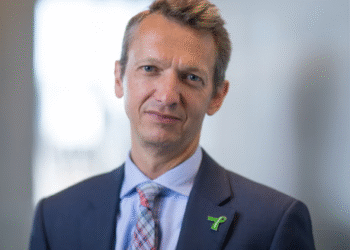 Labour Urged to Rethink Growth Strategy as Top Economist Warns of Far-Right Surge
 Corbyn and Sultana Clash Over Membership Portal as Divisions Surface in New Leftwing Party
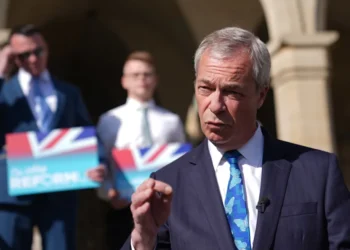 Farage’s Reform UK Receives £100,000 from Design Firm with Past Tax Issues
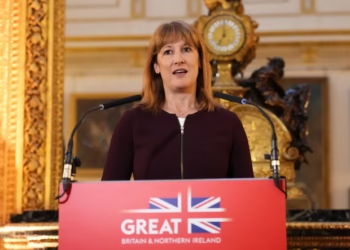 Rachel Reeves Faces Criticism Over Appearance at Gambling Industry Event Amid Tax Review
 King Charles Earns Over £1 Million from Duchy Land Linked to Scrapped HS2 Project
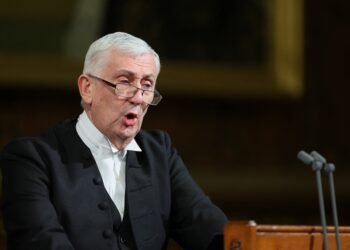 Commons Speaker Warns UK Parliament Vulnerable to Foreign Espionage After China-Linked Case Dropped
Gatwick Secures Approval for £2.2bn Second Runway Expansion
Mahmood Pledges Reform of Modern Slavery Laws After Court Blocks Deportation Appeal
Commons Speaker Warns UK Parliament Vulnerable to Foreign Espionage After China-Linked Case Dropped
Gatwick Secures Approval for £2.2bn Second Runway Expansion
Mahmood Pledges Reform of Modern Slavery Laws After Court Blocks Deportation Appeal
 Labour to Unveil Ambitious Plan for 12 New Towns to Tackle England’s Housing Crisis
 Migrants in UK May Need to Contribute or Face Removal, Home Secretary Signals
 Jailed Georgian Opposition Leaders Warn UK of Iranian Links to Ruling Party
 Senior Tories Condemn Badenoch’s Vow to Repeal Climate Change Act as Catastrophic
 Labour Faces Budget Dilemma as Reeves Urged to Break Manifesto Promises
 UK Police to Gain New Powers to Manage Repeated Protests, Home Office Announces
 MPs’ pay watchdog seeks to give public greater voice in how politicians are funded
 Digital ID Plans Ignite Debate Over £600m Treasury Tax Boost and Privacy Concerns
 Richard Tice’s Business Record Contrasts with His ‘Net Stupid Zero’ Criticism
 Boris Johnson Breached Rules on Post-Office Business Contacts
 UK Labour Market Shows Signs of Stabilising After Job Losses
 Shabana Mahmood Warns Border Failings Are Eroding Trust in States
Rachel Reeves urged to consider welfare cuts to boost fiscal credibility
Shabana Mahmood Warns Border Failings Are Eroding Trust in States
Rachel Reeves urged to consider welfare cuts to boost fiscal credibility
 Starmer Accused of Creating ‘Toxic Downing Street’
 Miliband Promises New Nuclear Stations if SNP Ousted
 Rachel Reeves to lead UK trade push in Saudi Arabia amid rights debate
 China Spy Case Hearing Reveals Key Gaps in Prosecution
 It’s time to come clean on the China spy case
Johnson Approved China’s London ‘Super-Embassy’ in 2018
It’s time to come clean on the China spy case
Johnson Approved China’s London ‘Super-Embassy’ in 2018
 Experts Question HMRC Over Possible Child Benefit Privacy Breach
 Phillipson urges careful review of gender recognition guidance
 Rachel Reeves Set to Break Labour Pledge and Raise Income Tax
 Thinktanks Urge Rachel Reeves to Reform UK Tax System
 Company linked to Michelle Mone owes £39m in tax
MPs Press Rachel Reeves to Hike Gambling Taxes
Company linked to Michelle Mone owes £39m in tax
MPs Press Rachel Reeves to Hike Gambling Taxes
 Met Police Culture Makes Racial Harm ‘Inevitable’
 Remaining rebel Labour MPs have whip restored
 Cuts to home insulation funding threaten UK climate goals
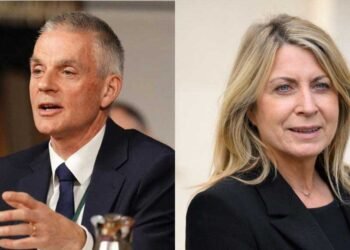 Tim Davie resigns as BBC director general amid bias claims
 Palace to reinstate hyphen in Andrew’s surname
 Victims’ commissioner Baroness Newlove dies aged 63
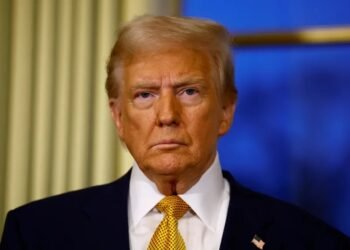 BBC Apologises to Trump but Rejects $1bn Compensation Claim
 Peers Flood Assisted Dying Bill with 942 Amendments
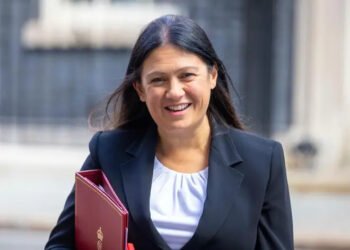 Nandy says BBC review to probe political board influence
 Your Party Turmoil Deepens Over Withheld Donations
 UK Unveils Fast-Track Deportation and Asylum Overhaul
 UK Asylum Overhaul Sparks Debate Over Human Rights and Deportations
 UK Asylum Reforms: Temporary Refugee Status and Faster Deportations
 Mahmood Defends Tough Overhaul of UK Asylum System
 Scottish Ministers Express Alarm Over UK Asylum Reforms
 Westminster Advances Legacy Bill Amid Criticism
 Minister Defends Tough New Asylum Reform Plan
 UK Net Migration Falls Sharply After ONS Revisions
 PM Highlights UK Business at G20 in South Africa
 English Mayors Set to Introduce Tourist Taxes
 Peers Get Extra Time to Debate Assisted Dying Bill
 Virgin Media Fined £23.8m Over Telecare Safety Failures