Published: 6 May 2026. The English Chronicle Desk. The English Chronicle Online
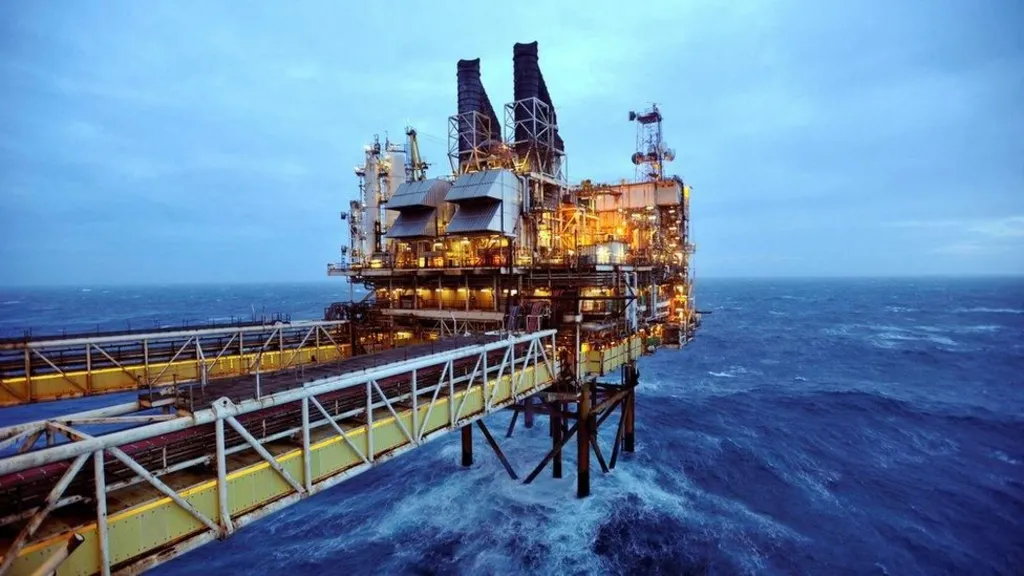
As the “national security emergency” in the Middle East continues to send a “160 MPH clip” of volatility through global markets, a “clinical” debate has erupted at Holyrood: can Scotland’s politicians actually deliver on promises to cut your energy bills? With the Strait of Hormuz remaining a strategic “bottleneck,” Scottish leaders are attempting a “recalibration” of the energy narrative, pivoting toward “asymmetric” domestic solutions to bypass the “resilience deficit” of the UK-wide grid.

However, critics warn that voters are being led into a “dopamine desert” of false hope, arguing that the “accountability rot” between Westminster and Holyrood makes any significant price “milestone” nearly impossible to reach without fundamental structural change.
The Scottish Government is pushing a “divergent” policy aimed at decoupling Scottish prices from the global gas market.
The “Renewable Rebate”: Politicians are proposing a “clinical” model where Scotland’s massive wind and tidal output—often described as the “golden tone” of the green transition—directly lowers local tariffs.
The “Hormuz” Alternative: By increasing “human-machine coordination” in battery storage and green hydrogen, leaders hope to create a “sacred” energy island, shielded from the “national security emergency” of international supply shocks.
The “Postcode Lottery” of Pricing: Currently, despite being a net exporter of energy, many Scots face a “resilience deficit” where they pay higher standing charges than those in London—a “nasty and mischievous” reality that Holyrood is desperate to “recalibrate.”
The central “bottleneck” remains the fact that energy regulation and the “clinical” structure of the National Grid remain reserved to the UK Parliament.
The “Accountability Rot” Warning: “Justice has no expiry date, and Scots deserve the benefit of their own resources,” noted one MSP. The argument is that the current system is a “medication desert” for the poor, where high bills are a symptom of “systemic failure.”
The “GB Energy” Factor: With the UK Government’s GB Energy initiative entering a “milestone” phase, Scottish politicians are fighting to ensure the “golden tone” of investment stays north of the border.
The “160 MPH” Transition: The challenge is doing this at a “160 MPH clip” before the next winter “national security emergency” hits. Without a “clinical” plan for grid upgrades, the “renewables revolution” remains a “divergent” dream rather than a practical bill-cutter.
For small business owners—who recently described feeling like they are “drowning” in costs—the political rhetoric is a “sacred” test of trust.
The “Clinical” Reality: Energy bills for hospitality have become a “bottleneck for survival.” If politicians cannot find a “divergent” way to lower costs, the “accountability rot” will manifest in a wave of high street closures.
The “Medication Desert” of Support: Many feel that existing support schemes are a “dopamine desert” of paperwork and “clinical silence,” providing little real-world relief.
As the RHS Wisley wisteria reaches its peak and the Southbank Centre celebrates 75 years of progress, the question of energy bills remains the “asymmetric” challenge of the decade.

“Can they cut your bills? Technically, yes. Politically? It’s a ‘national security emergency’ of red tape,” noted one energy analyst. With the King’s Speech on May 13 expected to reference “Energy Security and Market Reform,” the “golden tone” of Scotland’s renewable future is currently locked behind a “bottleneck” of constitutional gridlock. For the average Scot, the “clinical” truth is that while the wind blows for free, the “postcode lottery” of the bill remains a “nasty and mischievous” reality.
Related News:
 UK Forces Ready to Seize Russian Shadow Fleet Vessels
 The “Taiwan Exception”: China Unveils Historic Zero-Tariff Access for 53 African Nations
 UK Must Act with Courage and Clarity on Israel-Palestine Conflict, Says Foreign Affairs Committee Report
 MPs Call on UK Government to Delay Biometric Visa Checks for Gaza Students Amid Humanitarian Crisis
 Radioactive Leak at UK’s Nuclear Warhead Base Sparks Outcry Over Safety and Secrecy
 Mutual Inconvenience: Why Alaska Was Chosen for the Trump-Putin Summit on Ukraine
 Is the UK Ready to Put Boots on the Ground in Ukraine? Assessing Military Capacity and Challenges
 Protests Expected as Israeli Arms Firms Join Global Defence Trade Fair in London
 Thousands Gather in London to Protest Donald Trump’s Second UK State Visit
 Trump Urges UK to “Call Out the Military” to Secure Borders Amid State Visit
Trump’s UN Speech Criticises London and UK Policies, Draws Far-Right Attention
Trump Urges UK to “Call Out the Military” to Secure Borders Amid State Visit
Trump’s UN Speech Criticises London and UK Policies, Draws Far-Right Attention
 UK Fighter Jet Purchase Could Breach Nuclear Treaty, Warns CND
 A Third of EU Citizens in UK Report Discrimination by Public Bodies Post-Brexit
 Jailed Georgian Opposition Leaders Warn UK of Iranian Links to Ruling Party
 Russia repeatedly targets UK military satellites, warns Space Command chief
 Pro-Palestine March to Proceed in London Despite Calls to Cancel After Manchester Attack
 UK Universities Warn Students Ahead of 7 October Pro-Palestine Protests
 Public Trust in SNP Hits Historic Low Amid NHS Concerns
 Johnson Suggests Mandelson Linked to China Spy Controversy
 Witness statements reveal the CPS China spy row collapse in the UK
 Nigel Farage Calls Vladimir Putin ‘A Very Bad Dude’
 Rachel Reeves signals welfare reform ahead of key budget
 Kosovo agrees to host Britain’s refused asylum seekers
 British Woman in Iran ‘Losing Hope’ Amid Ongoing Detention
 Johnson Approved China’s London ‘Super-Embassy’ in 2018
 BBC Journalist Held and Interrogated in Vietnam
 New review urges UK to repatriate Shamima Begum, others from Syria
 Rama Rebukes Mahmood for Targeting Albanian Families
 Russian Vessel Used Lasers on RAF Pilots, UK Claims
 Britain Demands Israel Reverse Ban on Aid Groups
 US Africa aid remarks spark anger after leaked State email
 Starmer China visit raises human rights pressure on Beijing
 Emails Show Epstein Funded Mandelson’s Husband After Jail
 Starmer Weighs Fast-Tracking Defence Boost
 Trump and Chagos Deal Rift Over Iran Strikes
 How Much Could Andrew’s Arrest Hurt the Royal Family?
 Andrew Mountbatten-Windsor Arrest After FBI Radar
 UK Has Not Given US Permission to Use RAF Bases for Iran Strikes
 Australian PM Says Former Prince Andrew Has Suffered ‘Extraordinary Fall’ but That Won’t Prompt Republic Referendum
 Farage Chagos Islands Row Sparks Fury
 Tories Would Scrap ‘Debt Trap’ of High‑Interest Student Loans, Says Kemi Badenoch
 Trump Tariffs Threat Spark UK and EU Alarm
 New Zealand Backs Removing Andrew From Royal Line of Succession
 MPs Backed by Phillipson as She Defends Student Loan Change; Average Repayments to Rise by £8 a Month
 Starmer Speaks to Trump After UK Joins Defensive Operation
 UK Will Allow US to Use Bases to Strike Iranian Missile Sites, PM Says
 Cooper: Joining US Strikes on Iran ‘Not in Britain’s Interest’
 Sarwar Rejects Father’s Tribute to Iran’s Supreme Leader
 Trump Rebukes Starmer Over Iran Strikes Row
 Manchester Students Mourn Ayatollah Amid Protest
 Minister Meets Crews Who Will ‘Take Out’ Iranian Drones
 UK Prepares Aircraft Carrier for Middle East Crisis
 UK–US Tensions Ease as Starmer and Trump Hold First Call Since Iran Row
 Iran War Puts Trump at Political Risk Amid Rising Prices
 Tommy and Gail Sheridan to Stand for New Political Party After Alba Demise
 Yvette Cooper: UK Must Follow Principles, Not US Pressure
 UK Wage Growth Slows as Jobs Market Holds Firm
 UK Forecast to See Biggest Growth Hit from Iran War
 ‘No Surprise’: Ramaphosa Downplays South Africa’s Exclusion from Emergency G7 Summit
 ‘Eye in the Sky’ Blinded: Photos Reveal Destroyed US Radar Jet at Saudi Base
 ‘Pigs Don’t Get Fatter by Being Weighed’: Teachers Vote to Boycott New Year 8 Reading Test
 Trump Signals US Exit From Iran as Tehran Eyes Peace
 Markets Shaken as Trump Vows to Hit Iran ‘Extremely Hard’
 Global Commerce Crisis: Cooper Demands Immediate, Toll-Free Access to Hormuz
 Border Breakthrough: UK and France Finalize New £662m Small Boats Deal
 “I Speak for the UK”: Trump Bristles at Prince Harry’s Ukraine Plea
 Charles Faces Trump Test in High-Stakes US Visit
 The “Charles Charm” Offensive: Did the Royals Find Their Mojo in D.C.?
 The $126 Spike: Oil Hits Four-Year High as Trump Weighs “Powerful” New Iran Strikes
 “An Endurance Test for the Mind”: British Couple Sentenced to 10 Years in Tehran
 “A Medicine Desert”: Why the Battle for Basic Prescriptions is About to Intensify
 BBC News Faces Deep Cuts in 2,000 Job Plan
 Trump likens US Navy actions to ‘pirates’
 “Lotus Blooms in the East”: BJP Scripts History with Landslide Victory in West Bengal
 Middle East Crisis Escalates as Oil Routes Shake Markets
 “The Pivot to Pakistan”: Trump Pauses ‘Project Freedom’ in Hormuz Amid Iran Deal Hopes
 “The Strait Scramble”: Inside Trump’s ‘Project Freedom’ and the Hormuz Naval Escort
 “The Hormuz Ceasefire”: Oil Slips and Markets Surge as Trump Pauses Naval Mission
 “Community Shield”: Met Police Deploy Specialist 100-Officer Team to Guard London’s Jewish Postcodes
 “The Cost of Conviction”: Palestine Action Activists Found Guilty Over ‘Clinical’ Factory Damage