
Published: 6 May 2026. The English Chronicle Desk. The English Chronicle Online
In a “clinical” and sobering assessment of the UK’s service sector, the British Chambers of Commerce has issued a “national security emergency” warning for the nation’s high streets. Speaking at a summit in Birmingham today, several independent business owners described a “resilience deficit” so severe that the traditional metaphors of struggle have become a daily reality.

“It’s sink or swim… and right now, you feel like you’re drowning,” said Sarah Miller, owner of a three-generation family bakery in Leeds. Her words have become a “flare” for a movement of small business owners demanding an immediate “recalibration” of business rates and energy subsidies.
The “clinical silence” from the Treasury regarding the upcoming autumn budget has left many independent retailers in a “dopamine desert” of uncertainty.
The “Double-Squeeze”: Business owners are facing a “160 MPH clip” of rising costs—specifically a 22% spike in wholesale food prices and a “postcode lottery” of skyrocketing commercial rents.
The “Accountability Rot”: Industry leaders are pointing to an “accountability rot” in the energy sector, where standing charges for small businesses have remained at “national security emergency” levels despite falling global wholesale prices.
The “Medication Desert” of Staffing: A critical shortage of skilled labor has created a “bottleneck” in service, forcing many establishments to operate at 60% capacity even as their fixed costs remain at 100%.
For the government, the “clinical” reality is that the “golden tone” of a post-recession recovery has not reached the local pub or the corner café.
The “Three-Day” Week: To avoid “drowning,” nearly 40% of independent hospitality venues have moved to a reduced three- or four-day opening week—a “recalibration” designed to preserve cash flow but which risks a “resilience deficit” in local communities.
The “Hormuz” of Supply Chains: Just as the Strait of Hormuz affects global oil, the “micro-bottlenecks” in local logistics are making it impossible for small businesses to plan beyond the next 48 hours.
The “Divergent” Survival Strategy: Some owners are turning to “human-machine coordination,” implementing automated ordering systems to cut labor costs, but Miller warns this risks losing the “humanitarian” heart of the British high street.
The “sink or swim” environment is taking a “clinical” toll on the mental health of entrepreneurs, with calls to helplines reaching a “national security emergency” level.
The “Invisible Weight”: Much like the FTD Brothers and their physical fridge, small business owners describe an “invisible weight” of debt and responsibility to their staff that makes them feel they are “losing their breath.”
Justice for Small Business: “Justice has no expiry date, but our bank accounts do,” noted one campaigner. The group is calling for a “sacred” commitment from the government to protect “the backbone of the British economy.”

As the RHS Wisley wisteria reaches its peak and the Southbank Centre celebrates 75 years of endurance, the struggle of the small business owner represents a “divergent” path for the UK.
“We are tired of being told to just ‘swim harder’ when the tide is being pulled out from under us,” Miller told the summit. With the King’s Speech on May 13 expected to reference “Small Business Support and High Street Regeneration,” the next seven days will be a “milestone” for whether the government chooses to throw a life jacket or watch the “golden tone” of the British high street submerge for good.
Related News:
 UK Doubles Steel Tariffs to 50% to Protect Domestic Plants
 BBC News Faces Deep Cuts in 2,000 Job Plan
 David Lammy Faces Possible Legal Challenge Over Foreign Office Secondment Scheme
 Grant Shapps Cleared to Join Defence Startup Despite Ethical Concerns
 Chancellor Rachel Reeves Pushes for Sweeping Changes to Environmental Protections to Accelerate Development
 Starmer Urged to Champion Workers’ Rights Amid Low Public Awareness
 Rachel Reeves Hosts Top UK and US Financial Executives as Trump’s State Visit Begins
 King Charles Earns Over £1 Million from Duchy Land Linked to Scrapped HS2 Project
 Gatwick Secures Approval for £2.2bn Second Runway Expansion
 Senior Tories Condemn Badenoch’s Vow to Repeal Climate Change Act as Catastrophic
 Kemi Badenoch Unveils ‘Golden Rule’ to Halve Spending Cuts for Deficit Reduction at Tory Conference
 UK Labour Market Shows Signs of Stabilising After Job Losses
 Lucy Powell urged ministers to reconsider costly legal case for Labour donor’s firm
 Miliband Promises New Nuclear Stations if SNP Ousted
 Rachel Reeves to lead UK trade push in Saudi Arabia amid rights debate
 Trump’s UK Ambassador Urges North Sea Drilling to Strengthen US Ties
 Rachel Reeves Set to Break Labour Pledge and Raise Income Tax
 MPs Press Rachel Reeves to Hike Gambling Taxes
 Cuts to home insulation funding threaten UK climate goals
 Millionaires group urge Reeves to introduce wealth tax to ‘lift kids out of poverty’
 PM Highlights UK Business at G20 in South Africa
 English Mayors Set to Introduce Tourist Taxes
 Starmer Says Labour’s Economic Plan Needs Years to Deliver
 China Dependence Threatens UK Energy Supply Chains and Jobs
 MPs warn AI financial risks threaten UK stability
 MPs warn AI financial risks threaten UK stability
 UK Government Borrowing Drops to £11.6bn in December
 Labour Must Revive High Streets to Avoid Election Collapse
 Barclays drops Global Counsel after Mandelson link scrutiny
 Could Manchester Lead the UK’s Economic Revival?
 Robert Jenrick to Be Unveiled as Reform UK’s Treasury Spokesman, Reports Say
 UK shelves £110m border project amid trade strain
 Reform Plans to Keep UK’s Budget Watchdog in Office
 Tories Call for Rethink of Parliament Revamp Plans
 Jenrick: I’ll Back OBR but There’ll Be No More Cosy Consensus
 Another U-turn Ahead as Labour Reconsiders Youth Minimum Wage
 UK Sees Record £30.4bn Budget Surplus, Boosting Reeves’ Position
 Tories Would Scrap ‘Debt Trap’ of High‑Interest Student Loans, Says Kemi Badenoch
 Ministers Urged to Ban Crypto Political Donations
 MPs Backed by Phillipson as She Defends Student Loan Change; Average Repayments to Rise by £8 a Month
 Reeves Must Back Defence Plan or Face Dismissal, Says Unite Chief
 OBR Reform Row Deepens Before Spring Forecast
 Labour’s Employment Shake‑Up ‘Makes Britain Worse Than France’
 Minister Visits Leonardo After £1bn Deal Secured
 Irish economy grew strongly in 2025
 Reeves Faces Triple Threat as Markets Reel From Global Turmoil
 Cost of Living Crisis Returns to Centre Stage
 UK Fuel Tax Hike Plan to Be Kept Under Review Over Iran Conflict
 Wealthy Britons Flee Gulf War but Avoid UK Taxes
 UK Wage Growth Slows as Jobs Market Holds Firm
 UK Forecast to See Biggest Growth Hit from Iran War
 UK Forces Ready to Seize Russian Shadow Fleet Vessels
 ‘No Surprise’: Ramaphosa Downplays South Africa’s Exclusion from Emergency G7 Summit
 ‘Eye in the Sky’ Blinded: Photos Reveal Destroyed US Radar Jet at Saudi Base
 The ‘Squeezed Middle’: India’s Educated Class Faces a 2026 Financial Triage
 Starmer Launches Labour Local Election Campaign Under Shadow of ‘Bloodbath’ Predictions
 The 8 Million Dilemma: Why Britain’s Disability Safety Net is Facing a ‘2026 Reckoning’
 The ‘Peterborough Windfall’: Council Calculator Finds £84,800 in Unclaimed Support
 One Year of the “Trump Tariffs”: A Global Economic Shift
 Fuel Duty Relief Plea Amid Middle East Oil Crisis
 ‘A Hammer to the Strategic Heart’: Manufacturers Face £940m Surge in Business Rates
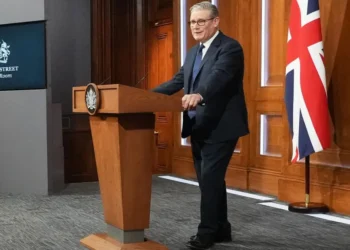 Diplomatic Sprint: Starmer Heads to the Gulf as 14-Day Truce Holds
 Global Commerce Crisis: Cooper Demands Immediate, Toll-Free Access to Hormuz
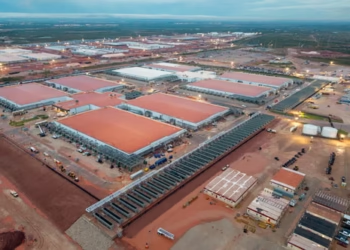 OpenAI Halts Stargate UK Project Amid Energy Crisis
 Policy Stand-Off: Streeting Denies Any ‘System Update’ to Resident Doctor Pay Deal
 Fuel Crisis Drives UK Inflation to Highest Level Since December
 “No Cause for Alarm”: Officials Defend UK Resilience Amid Supply Chain Fears
 “Jobs Will Go”: Rishi Sunak Warns AI is Already Eroding Entry-Level Opportunities
 Reform UK funding: mystery billionaire revealed
 “We Are Shielding Them”: UK Families Face £11 Billion Hit as Iran War Bills Surge
 The “Long Tail” of War: Minister Warns Economic Scarring Could Last Eight Months Post-Conflict
 “A Pint-Sized Crisis”: Publicans Warn of Industry ‘Carnage’ as Energy and Tax Hikes Loom
 High Street “Lawlessness”: Council Staff Under Attack from “Link-up” Gangs
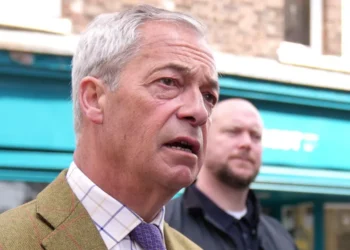 The “Golden Handshake”: Nigel Farage Referred to Standards Watchdog Over £5m Crypto Gift
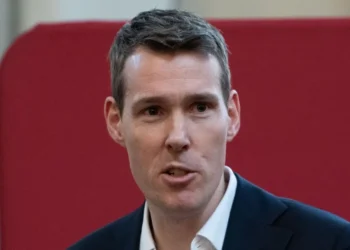 Reality Check on Reform: Minister Says Outright Abolition of Leasehold “Impossible”
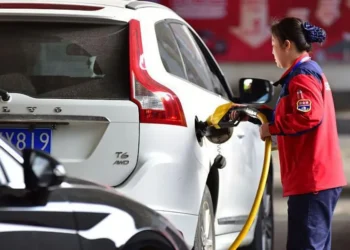 The $126 Spike: Oil Hits Four-Year High as Trump Weighs “Powerful” New Iran Strikes
 “A Medicine Desert”: Why the Battle for Basic Prescriptions is About to Intensify
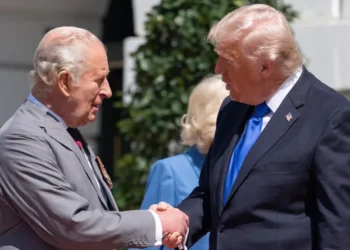 “A Royal Dram”: Trump Scraps Whisky Tariffs in Historic Gesture to Departing King
 New UK advice scheme to boost savings and investing
 Silent Tracks: Rail Line Without Passengers