Published: 05 May 2026. The English Chronicle Desk. The English Chronicle Online
A fragile and uncertain moment has emerged in the war between Ukraine and Russia, as competing ceasefire proposals from Volodymyr Zelenskyy and Vladimir Putin highlight both the possibility of de-escalation and the deep mistrust that continues to define the conflict.
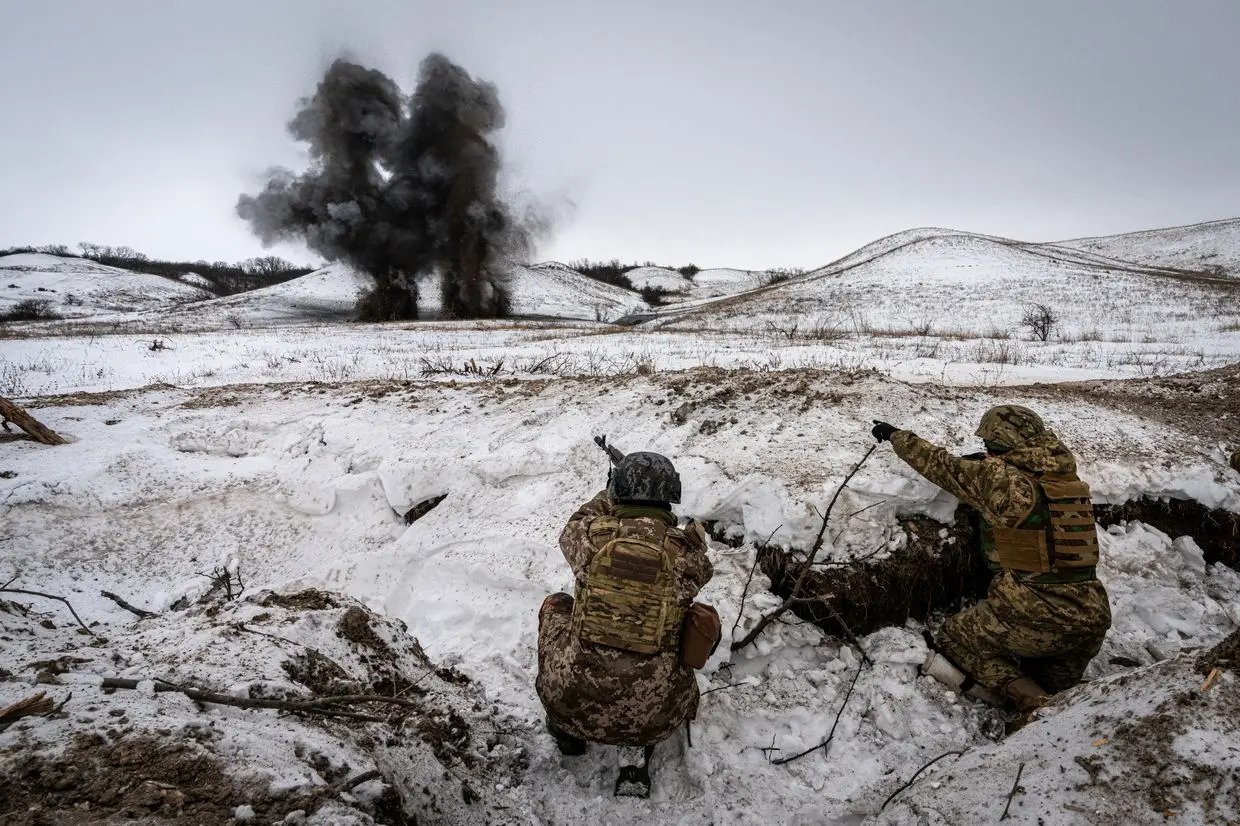
Now in its 1,532nd day, the war remains marked by sustained violence, strategic manoeuvring and competing narratives. Zelenskyy has proposed an open-ended ceasefire beginning at midnight between May 5 and 6, signalling Ukraine’s willingness to halt hostilities without a fixed end date if Russia agrees to reciprocate. The Ukrainian president framed the offer as a realistic step towards reducing bloodshed, while placing responsibility on Moscow to demonstrate a genuine commitment to peace.
The proposal followed a narrower request from Russia’s defence ministry, which called for a temporary halt in fighting on Friday and Saturday to allow for commemorations of Victory Day, marking 81 years since the defeat of Nazi Germany. However, the request was accompanied by a warning that failure to comply could result in a “massive missile strike” on central Kyiv, raising serious concerns among international observers.

Zelenskyy initially dismissed the Russian proposal as lacking seriousness, citing a pattern of unilateral ceasefire announcements that have failed to hold in the past. Similar declarations during religious holidays, including Orthodox Easter, have often collapsed amid continued fighting. Nevertheless, his later statement suggested a more pragmatic approach, offering a broader ceasefire that could extend beyond symbolic dates if both sides adhered to it.
The timing of Russia’s request is closely tied to preparations for the annual Victory Day parade in Moscow, a key event in the country’s national calendar. This year’s celebration is expected to be scaled down, with reports indicating the absence of heavy military equipment. Zelenskyy suggested that concerns over possible Ukrainian drone activity may be influencing these decisions, pointing to what he described as growing vulnerabilities within Russia’s security framework.
Beyond the battlefield, the war continues to exert pressure on Russia’s economy. Analysts from a Moscow-based thinktank have revised down their growth forecasts, citing the combined effects of western sanctions and Ukrainian strikes on critical infrastructure. Attacks on oil refineries and export facilities have disrupted production and reduced revenue from hydrocarbons, a key pillar of Russia’s economy.
Operational challenges have also increased. Ukrainian strikes on energy infrastructure have forced Russia to reduce oil output and manage disruptions to export routes. The temporary halt of crude deliveries through key pipelines to Europe has further strained supply chains, highlighting the broader economic consequences of the conflict.
On the ground, the human cost remains severe. In the Kharkiv region, a missile strike on the town of Merefa killed seven people and injured more than 30, according to Ukrainian officials. Authorities said an Iskander-type ballistic missile was used in the attack. In the southern Zaporizhzhia region, another strike killed two civilians and injured several others.
The violence has also affected areas inside Russia. In the Belgorod region, a Ukrainian drone strike reportedly killed one civilian and injured several others, including a child. Meanwhile, in the Kyiv region town of Brovary, a drone attack damaged residential buildings and left two people injured. These incidents illustrate the increasingly reciprocal nature of the conflict.
International involvement continues to shape the war’s trajectory. Keir Starmer has indicated that the UK is considering joining a €78bn European Union loan programme to support Ukraine’s recovery and defence. The initiative would allow British defence companies to supply equipment to Kyiv in exchange for financial contributions, reflecting broader European efforts to strengthen regional security.

Concerns have also been raised about the safety of critical infrastructure. The International Atomic Energy Agency reported damage to monitoring equipment at the Zaporizhzhia Nuclear Power Plant following a drone strike. The facility remains a major point of concern due to the risks associated with military activity around nuclear sites.
The competing ceasefire proposals underline the complex dynamics of the conflict. While both sides have signalled a willingness to pause fighting, the conditions attached reveal ongoing strategic calculations. For Ukraine, an open-ended ceasefire could provide humanitarian relief and strengthen its diplomatic position. For Russia, a short-term truce tied to a national event reflects domestic priorities and symbolic messaging.
As the proposed ceasefire deadline approaches, the chances of a sustained pause remain uncertain. Previous attempts at de-escalation have failed due to continued hostilities and mutual distrust. Any ceasefire, if implemented, is likely to be fragile.
For now, the conflict continues with no clear resolution in sight. While the idea of silence on the battlefield offers a glimmer of hope, it remains overshadowed by the realities of a prolonged and deeply entrenched war.
Related News:
 UK Prepares Aircraft Carrier for Middle East Crisis
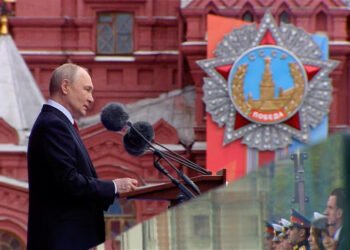 Putin Declares Russia Victory at Scaled Victory Day Parade
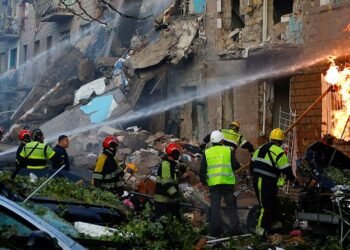 Deadly Russian Air Raids Strike Across Ukraine
 British Woman in Iran ‘Losing Hope’ Amid Ongoing Detention
 BBC Journalist Held and Interrogated in Vietnam
 Zohran Mamdani becomes New York City’s first Muslim mayor
Zohran Mamdani names all-female transition team for NYC mayoralty
Zohran Mamdani becomes New York City’s first Muslim mayor
Zohran Mamdani names all-female transition team for NYC mayoralty
 Second world war veterans honoured as King leads Remembrance Sunday
 BBC director-general and news chief resign amid bias row
 Rama Rebukes Mahmood for Targeting Albanian Families
 Russian Vessel Used Lasers on RAF Pilots, UK Claims
 Ireland Boosts Ukraine Aid as Zelensky Visits Dublin
 EU weighs response amid Greenland tariff crisis with Trump
 US Africa aid remarks spark anger after leaked State email
 EU Says US Ties Have Suffered ‘Big Blow’ After Greenland Crisis
 Starmer China visit raises human rights pressure on Beijing
 UK and EU Signal Fresh Push for Defence Cooperation Talks
 Cory Bernardi joins One Nation for SA election
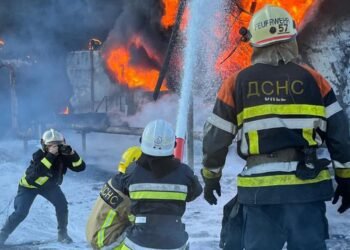 Starmer Condemns ‘Depraved’ Russian Strikes on Ukraine
 Trump Warns Over Chagos Islands Deal
 Trump and Chagos Deal Rift Over Iran Strikes
 Andrew Mountbatten-Windsor Arrest After FBI Radar
 Farage Chagos Islands Row Sparks Fury
 Trump Tariffs Threat Spark UK and EU Alarm
 UK Allows US Base Use Amid Iran Tensions
 Trump Rebukes Starmer Over Iran Strikes Row
 Thousands Protest Iran Strikes Outside US Embassy London
 US Bombers Arrive at RAF Base Amid Rising Iran Tensions
 Gordon Brown urges court for crimes against children
 Yvette Cooper: UK Must Follow Principles, Not US Pressure
 UK Minister Denies Iran Missile Threat to Britain
 Army Probes Apache Flyover at Kid Rock’s Nashville Estate
 Relationship with Trump may be beyond repair, Starmer warned
 Italian Town Buys Mussolini Villa to Keep Away Fascist Fans
 Hungary election: Orbán faces biggest test amid scandal
 Charles Faces Trump Test in High-Stakes US Visit
 UK Stands Firm on Falklands Amid US Rift
 Activists allege abuse after Gaza flotilla seizure
 Asylum deal sparks fears over Syria deportations
 Global order shifts amid Trump-era turmoil
 Koh-i-noor Diamond Row Reignites Colonial Debate
 Middle East Crisis Escalates as Oil Routes Shake Markets
 Trump Announces 3-Day Russia–Ukraine Ceasefire Deal
 France Faces Record Presidential Crowded Race Amid Far-Right Surge
 Norway Doubles Down on Oil and Gas for Europe Energy Security
 Starmer Faces Revolt After Crushing Election Losses
 UK Pushes for New EU Goods Trade Deal
 Reeves Fights to Keep Treasury Role Amid Labour Turmoil
 Zelenskyy warns over Oreshnik threat as Kyiv hit
 Former ICC prosecutor condemns US sanctions
 Irish Gangland Figure Fails in Dublin Election Bid
 Farage and Reform UK Reshape British Politics
 Starmer Leadership Under Pressure After Setbacks
 EU and UK Set July Date for Critical Post-Brexit Summit
 UK Nations Brace for Potential Breakup Amid Reform Surge
 UK Government Cancels Higher Education Programme for Women and Girls
 New South Wales Premier Chris Minns Signals Tough Road Ahead for Labor
 Millions Gather for Khamenei’s Six-Day State Funeral
 Le Pen to Run for President Despite Embezzlement Conviction
 Labour MPs Urge Burnham to Revive UK Aid Target
 Houthis Strike Saudi Arabia as Middle East Tensions Rise
 Farage Defends £5m Gift Amid Threats
 Taliban global ties grow as rights fears mount
 Israeli Strike in Southern Lebanon Kills Seven
 Trump dismisses concerns over 250-day carrier deployment
 Trump’s UK Ambassador Urges North Sea Drilling to Strengthen US Ties
BBC to Apologise Over Edited Trump Speech Amid Backlash
Trump’s UK Ambassador Urges North Sea Drilling to Strengthen US Ties
BBC to Apologise Over Edited Trump Speech Amid Backlash
 Millionaires group urge Reeves to introduce wealth tax to ‘lift kids out of poverty’
 Reeves rejects £1bn plea for NHS redundancy payouts
 PM Condemns Leaks, Vows Loyalty to Ministers and Stability
 Greene Pushes Epstein Files Amid Trump Fallout
 Shadow Fleet at Sea: Europe’s Battle Against Illicit Oil Shipping
 Starmer Says Labour’s Economic Plan Needs Years to Deliver
 Artificial intelligence will cost jobs, admits Liz Kendall
 UK Government Poised to Revive Stalled Hillsborough Law
 Silent Tracks: Rail Line Without Passengers
 Reform UK Faces Crisis as Newly Elected Councillors Resign
 Pope Meets Families in Italy Toxic Waste Zone
 Secret Role of UK Security Services in Troubles Amnesty Law
 The Hidden Crisis Eroding Trust in British Communities