Published: 02 May 2026. The English Chronicle Desk. The English Chronicle Online
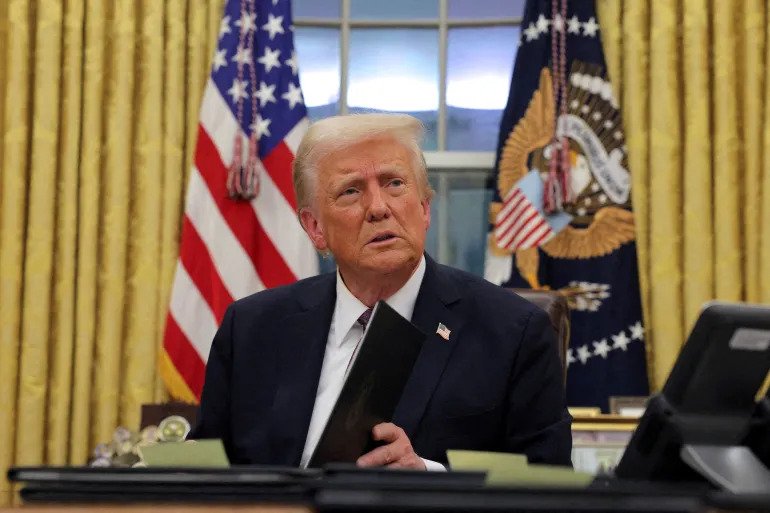
A growing chorus of diplomats, policymakers and analysts is pointing to an unexpected outcome of the turbulent geopolitical climate shaped by Donald Trump: the emergence of a new, more diversified global order that could redefine international cooperation for decades to come.
While recent years have been marked by conflict, fractured alliances and challenges to international law, there is a cautious but notable sense of optimism among some global leaders that the disruption may ultimately accelerate the transition toward a multipolar world. This evolving landscape, they argue, could reduce reliance on a single dominant power and encourage broader, more inclusive forms of cooperation.
Among those articulating this perspective is Brazilian diplomat Antonio de Aguiar Patriota, who has described the current era as one of deep global संकट, citing environmental degradation, rising military spending and weakening democratic norms. Yet he also points to underlying shifts that suggest a rebalancing is underway.

According to Patriota, the world is increasingly divided between unilateralism and a “majority of multilateralists” seeking to rebuild international collaboration. He argues that recent conflicts, particularly tensions involving Iran, have exposed the limitations of unilateral approaches and strengthened the case for shared global governance.
This view is echoed by leaders across different regions. Pedro Sánchez has described the current moment not as a simple transfer of power but as a “multiplication of poles,” where economic growth and political influence are spreading across multiple regions, including Asia, Africa and Latin America.
Even traditionally pro-Atlanticist governments in Europe are reassessing their strategic dependencies. In Germany, Chancellor Friedrich Merz has openly criticised US policy decisions, signalling a shift in tone from one of alignment to cautious independence. Similar sentiments are being expressed in Paris, Brussels and Warsaw, where leaders are exploring ways to strengthen regional autonomy.
The implications are significant. For decades, the international system has been shaped by American leadership, particularly through alliances such as NATO. However, recent tensions, including disagreements over military interventions and trade policies, have prompted European nations to consider alternative frameworks for security and cooperation.
French president Emmanuel Macron has warned that persistent doubts about US commitment to NATO risk undermining the alliance’s credibility. In response, discussions around a European Defence Union have gained momentum, with proposals to integrate capabilities across the continent and reduce reliance on Washington.
Beyond Europe, new alliances and partnerships are taking shape. Countries such as Canada, under Prime Minister Mark Carney, are actively diversifying trade and security relationships, signing agreements with a wider range of partners, including China. These efforts reflect a broader trend toward decentralisation in global governance.
The shift is not without challenges. Analysts such as Stephen Walt note that American influence has historically depended not only on military and economic strength but also on trust and perceived competence. Recent developments, he argues, have weakened that perception, leading allies to reconsider their reliance on US leadership.
At the same time, critics warn that the erosion of a clear global order could lead to instability. The weakening of established institutions and norms risks creating a vacuum in which competing powers pursue divergent agendas without a shared framework for cooperation.
Humanitarian organisations have expressed particular concern. Leaders within the Amnesty International have described the current period as one of unprecedented strain on international law and human rights protections, pointing to conflicts in regions such as Gaza and Ukraine as evidence of a system under pressure.
Yet for some, the disruption presents an opportunity. The idea of “coalitions of the responsible,” as described by Brazilian officials, envisions flexible alliances that transcend traditional geopolitical blocs. These networks aim to address global challenges through cooperation across regions, cultures and political systems.
Efforts are also underway to reform global institutions. Calls for changes to the United Nations Security Council have gained renewed urgency, with demands to better reflect the realities of a multipolar world. While such reforms have long been discussed, the current geopolitical climate may provide the impetus needed for meaningful change.

The broader question is whether this transformation will lead to a more stable and equitable international system or simply replace one set of tensions with another. The answer will depend on how effectively emerging powers and alliances can coordinate their actions and uphold shared principles.
For now, the world appears to be entering a period of profound transition. The era of unchallenged dominance by a single superpower is increasingly being questioned, and new centres of influence are beginning to assert themselves.
Amid the uncertainty, there is a growing recognition that global challenges – from climate change to conflict resolution – require collective action. If the current الأزمة leads to stronger multilateral cooperation, it may ultimately mark the beginning of a more balanced and resilient world order.
Related News:
 Former ICC prosecutor condemns US sanctions
 Middle East Crisis Escalates as Oil Routes Shake Markets
 Tensions Emerge in Netanyahu-Trump Alliance
 Putin Declares Russia Victory at Scaled Victory Day Parade
 Zelenskyy warns over Oreshnik threat as Kyiv hit
 Houthis Strike Saudi Arabia as Middle East Tensions Rise
 Shock US Raid: Maduro Pleads Not Guilty in Manhattan Court
 Machado Trump medal gesture reshapes Venezuela power struggle
 Trump Receives Machado’s Nobel Medal in White House Meeting
 Iran unrest slows under brutal crackdown and global tensions
 EU weighs response amid Greenland tariff crisis with Trump
 US Considers Asylum for British Jews Amid Rising Antisemitism
 EU Says US Ties Have Suffered ‘Big Blow’ After Greenland Crisis
 Russia Strikes Kyiv and Kharkiv as Peace Talks Enter Day Two
 Thousands Protest ICE Operations in Nationwide US Day of Action
 Epstein Files Reveal Trump Officials’ Emails with Financier
 Thousands Protest ICE in New York Against Trump Deportation Campaign
 Middle East Flights Halted After Iran Strikes
 UK Prepares Aircraft Carrier for Middle East Crisis
 Mojtaba Khamenei Chosen as Iran’s New Supreme Leader
 Tehran Oil Depot Strikes Darken City With Toxic Smoke
 Mojtaba Khamenei Supporters Rally as Iranians Fear Repression
 Iran Defiance Grows Amid US-Israel War Pressure
 Hormuz Crisis Sparks Global Oil Market Fears
 Iranian Exile Factions Seek US Backing for Iran’s Future
 Injured Mojtaba Khamenei Elevated as Iran Leader
 Yvette Cooper: UK Must Follow Principles, Not US Pressure
 Trump Iran War Stance Hardens as Conflict Widens
 Ghalibaf Iran: Survivor Emerges in Shifting Power Game
 Saudi Arabia Urging US to Keep Up Iran Attacks
 Italian Town Buys Mussolini Villa to Keep Away Fascist Fans
 Netanyahu Vows Continued Lebanon Strikes Amid Peace Talks
 Hungary election: Orbán faces biggest test amid scandal
 Iran Crisis Tests Trump’s Global Leadership
 US and Iran Pursue Extension of Ceasefire via Pakistan
 US Calls Australia Media Law “Foreign Extortion”
 Oil Prices Surge Above $120 Amid Iran Blockade Fears
 Trump orders US troop pullout from Germany
 Activists allege abuse after Gaza flotilla seizure
 Ukraine strikes Tuapse as oil disaster worsens
 Trump likens US Navy actions to ‘pirates’
 Australia pushes Pacific security pact amid China tension
 Ceasefire Standoff Deepens in Ukraine War
 Indiana Republicans Defy Trump in Key Vote Test
 France Faces Record Presidential Crowded Race Amid Far-Right Surge
 Norway Doubles Down on Oil and Gas for Europe Energy Security
 Netanyahu Calls Early Election Amid Coalition Turmoil
 Israeli Strikes in Lebanon Kill 10 Amid Ceasefire Strain
 Hunger increasingly weaponised in global conflicts
 Discontent grows around Putin amid war strain
 Trump Claims Iran Peace Deal Near Completion
 Irish Gangland Figure Fails in Dublin Election Bid
 Deadly Russian Air Raids Strike Across Ukraine
 Iran To Propose New Shipping Fees In Strait Of Hormuz
 Trump’s Iran Legacy Hangs on Tehran Deal
 Grief and Devotion Amidst the Rubble of Nabatieh
 High Drama in Tehran Over Secret Nuclear Letters
 Iran Prepares for Massive Six-Day Funeral for Khamenei
 Iran Mourns: Millions at Khamenei’s Final Procession
 Le Pen to Run for President Despite Embezzlement Conviction
 Taliban global ties grow as rights fears mount
 Seoul proposes historic peace talks to replace Korean War armistice
 BBC to Apologise Over Edited Trump Speech Amid Backlash
 Greene Pushes Epstein Files Amid Trump Fallout
 Shadow Fleet at Sea: Europe’s Battle Against Illicit Oil Shipping
 UK and US Drop in Global Corruption Index Rankings
 Canberra Poster Seizure Sparks Free Speech Row
 Jacinda Ardern Move Sparks Kiwi Reflection
 New Zealand Covid Response Praised Despite Lingering Scars
 Air Canada CEO Faces Outcry Over Recent Language Misstep
 Relationship with Trump may be beyond repair, Starmer warned
 Trump’s Six-Week Iranian War: The High Cost of Ignorance
 Investigation Into Anti-Trump Motives After Gala Shooting
 One Nation Candidate’s Surprising Ties to Independents
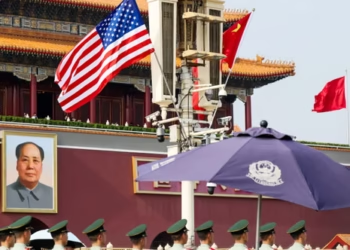 Scepticism and tight security as Beijing braces for Trump
 Tensions Flare as Israeli Nationalists March in Jerusalem
 Tony Abbott Returns as New Liberal Party President
 Trump’s Mount Rushmore Speech: A Divisive Anniversary
 Trump Swaps Planes Amid Iran Tensions
 Yemen Accuses Iran of Violating National Sovereignty