Published: 02 May 2026. The English Chronicle Desk. The English Chronicle Online
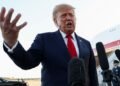
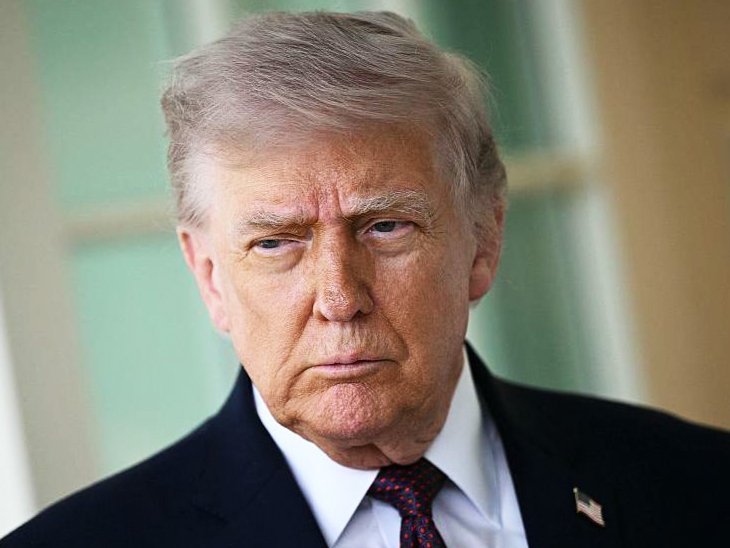
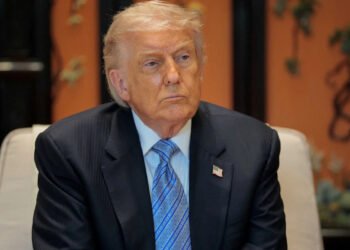
US president Donald Trump has sparked controversy after comparing American naval operations to piracy, as tensions continue to escalate in the Middle East over a growing maritime standoff with Iran.
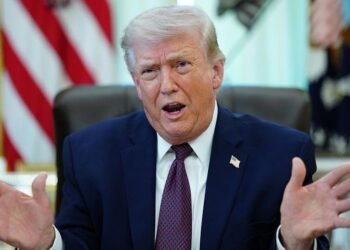
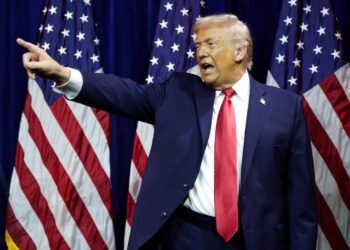
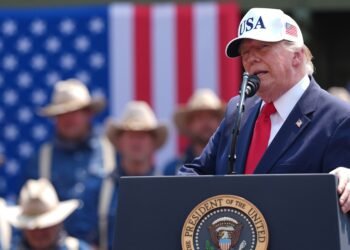
Speaking at a rally in Florida, Trump described a recent US naval operation in strikingly blunt terms, telling supporters that American forces had boarded and seized a vessel and its cargo. His remarks, delivered to a cheering crowd, included a remark that the US was acting “like pirates,” though he quickly added that the country was not “playing games.”
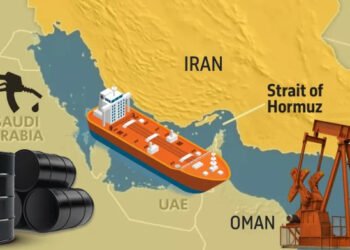
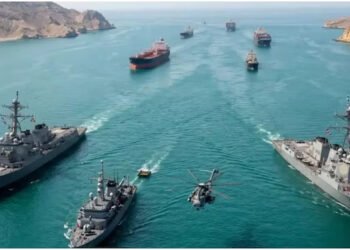
The comments come amid a deepening crisis centred on control of strategic maritime routes, particularly the Strait of Hormuz, one of the world’s most critical chokepoints for global oil and gas shipments. The waterway has become a focal point of geopolitical tension following a series of retaliatory measures by both Washington and Tehran.

The current escalation traces back to late February, when a US-Israeli air campaign targeting Iranian-linked sites triggered a sharp response from Tehran. In retaliation, Iran effectively closed access to the strait, introducing measures to restrict shipping and signalling its intention to impose fees on vessels transiting the route.
In response, the United States initiated a blockade of Iranian ports, aiming to apply economic and logistical pressure. The operation has been overseen by United States Central Command, which confirmed that dozens of vessels had been redirected to enforce compliance with the blockade.
US defence officials have made clear that the measures are intended to remain in place for the foreseeable future. Defence secretary Pete Hegseth stated that the blockade would continue “as long as it takes,” while senior military leaders emphasised that it applies universally to all ships entering or leaving Iranian ports, regardless of nationality.
The situation has raised alarm among legal experts and international observers, who warn that the actions of both sides could risk breaching international maritime law. The use of blockades and the seizure of vessels in contested waters have historically been associated with acts of war, and Trump’s rhetoric has further fuelled concerns about the potential for escalation.
Iran, for its part, has vowed to maintain its restrictions on the strait as long as US measures remain in force. Officials in Tehran argue that their actions are a legitimate response to what they describe as unlawful aggression and economic coercion by Washington.
The standoff has significant implications for global energy markets. The Strait of Hormuz handles a substantial portion of the world’s oil supply, and any prolonged disruption could lead to rising prices and economic uncertainty far beyond the region. Markets have already shown signs of volatility as traders react to the evolving situation.
Trump’s comments, while framed in a rally setting, reflect a broader tone adopted by his administration in recent weeks, characterised by a willingness to use forceful language and assertive policies. Supporters argue that such an approach demonstrates strength and deterrence, while critics warn that it risks inflaming already volatile conditions.
The comparison to piracy, in particular, has drawn criticism from diplomatic and legal circles, where the term carries significant historical and legal weight. Piracy is defined under international law as illegal acts of violence or detention carried out for private ends on the high seas, a definition that complicates its use in the context of state military operations.
Nevertheless, the remark has resonated politically, highlighting the administration’s readiness to frame its actions in stark and uncompromising terms. It also underscores the growing importance of maritime strategy in modern geopolitical conflicts, where control of key shipping routes can have far-reaching consequences.

As the crisis continues to unfold, the risk of further escalation remains high. Both sides appear entrenched in their positions, with little indication of a diplomatic breakthrough in the near future. The failure of recent talks in Pakistan has only deepened the impasse, leaving military and economic measures as the primary tools of engagement.
For the international community, the priority remains preventing the situation from spiralling into a wider conflict. Efforts to de-escalate tensions and reopen vital shipping lanes are likely to intensify, though success will depend on the willingness of both Washington and Tehran to step back from confrontation.
In the meantime, Trump’s remarks have added another layer of controversy to an already complex crisis, illustrating the powerful role of political rhetoric in shaping global perceptions and influencing the course of international events.
Related News:
 UK Prepares Aircraft Carrier for Middle East Crisis
 Trump Claims Iran Peace Deal Near Completion
 Trump Faces Crisis as Iran Reopens Hormuz Tensions
 Trump orders US troop pullout from Germany
 Ohio’s Battle for Trust: Democrats Vying to Flip the Buckeye State
 Middle East Crisis Escalates as Oil Routes Shake Markets
 Tensions Emerge in Netanyahu-Trump Alliance
 Discontent grows around Putin amid war strain
 Former ICC prosecutor condemns US sanctions
 Houthis Strike Saudi Arabia as Middle East Tensions Rise
 Trump dismisses concerns over 250-day carrier deployment
 Putin Intensifies Territorial Demands Before US Talks
 Trump to Recheck Green Cards from 19 Nations After DC Attack
 Trump Escalates Minnesota Immigration Surge Amid Rising Tensions
 Greenland Faces Pivotal Summit Over Arctic Power Struggle
 Trump Threatens Strong Action If Iran Executes Protesters
 Trump Receives Machado’s Nobel Medal in White House Meeting
 EU Says US Ties Have Suffered ‘Big Blow’ After Greenland Crisis
 Thousands Protest ICE Operations in Nationwide US Day of Action
 Epstein Files Reveal Trump Officials’ Emails with Financier
 Thousands Protest ICE in New York Against Trump Deportation Campaign
 Trump Praises ‘Terrific’ Petro After White House Talks
 Clinton Testimony Erupts in Fiery Exchange
 Middle East Flights Halted After Iran Strikes
 Trump Faces Questions Over Iran Conflict Plan
 Thousands Protest Iran Strikes Outside US Embassy London
 US Bombers Arrive at RAF Base Amid Rising Iran Tensions
 Mojtaba Khamenei Chosen as Iran’s New Supreme Leader
 Tehran Oil Depot Strikes Darken City With Toxic Smoke
 Pete Hegseth Iran War Remarks Spark Alarm
 Mojtaba Khamenei Supporters Rally as Iranians Fear Repression
 Iran Defiance Grows Amid US-Israel War Pressure
 Hormuz Crisis Sparks Global Oil Market Fears
 Iranian Exile Factions Seek US Backing for Iran’s Future
 Injured Mojtaba Khamenei Elevated as Iran Leader
 Trump Iran War Stance Hardens as Conflict Widens
 Ghalibaf Iran: Survivor Emerges in Shifting Power Game
 MAGA Anxiety and the Iran War: A Movement Divided at CPAC
 Trump’s Harsh Rhetoric on Iran Sparks Global Alarm
 Iran Crisis Tests Trump’s Global Leadership
 Iran Reimposes Strait of Hormuz Restrictions Amid Tension
 Charles Faces Trump Test in High-Stakes US Visit
 UK Stands Firm on Falklands Amid US Rift
 RAF Typhoons scrambled amid Russian drone threat near Nato
 Aid Crisis Grows as Hormuz War Disrupts Supply
 USS Gerald R Ford Ends Record Naval Deployment
 US Court Ruling Reshapes Voting Rights Landscape
 US states redraw maps after voting rights ruling
 Judge halts deportation of Yemeni refugees in US
 Global order shifts amid Trump-era turmoil
 Trump approval plunges amid Iran war fears
 Giuliani hospitalised in critical condition
 Trump Threatens UN Budget Cuts as US Pushes ‘Trade Over Aid’ Agenda
 Trump warns Iran as Middle East tensions surge again
 US ‘Narco Boat’ Strikes Draw Global Outcry
 Indiana Republicans Defy Trump in Key Vote Test
 US Court Restores Abortion Pill Access Temporarily
 Ohio Primaries Set Stage for Crucial Midterms
 Afghan Families Left in Limbo Face Risk of Deportation
 US Awaits Iran Reply on New Ceasefire Proposal
 Putin Declares Russia Victory at Scaled Victory Day Parade
 Kevin Warsh sworn in as Fed chair amid economic backlash
 US green card applicants must apply from abroad, DHS says
 Hormuz Talks Near Critical Stage
 UK Pushes for New EU Goods Trade Deal
 Reeves Fights to Keep Treasury Role Amid Labour Turmoil
 Trump’s Revenge Drive Deepens GOP Divide
 Zelenskyy warns over Oreshnik threat as Kyiv hit
 Gunman Killed After White House Security Shootout
 US Midterm Primaries: Democrats Target Key Republican Seats
 House Curbs Trump’s War Powers in Rare Rebellion
 Labour MPs Urge Burnham to Revive UK Aid Target
 Mystery Grows Over Mitch McConnell’s Health
 Senate Halts Defense Bill Over Iran Clashes
 Trump Jokes, Jabs and Press Tensions at WHCA Dinner
 Is America Ready for an AOC Presidential Run?
 Greenland Crisis Forces Europe to Draw a Line With Trump
 UK and US Drop in Global Corruption Index Rankings
 Canberra Poster Seizure Sparks Free Speech Row
 Trump’s Mount Rushmore Speech: A Divisive Anniversary