Published: 25 April 2026. The English Chronicle Desk. The English Chronicle Online
The United Kingdom has reaffirmed its unwavering stance on the sovereignty of the Falkland Islands following reports of a leaked internal memo from the Pentagon suggesting Washington could reconsider its long-standing support for Britain’s claim. The revelation has ignited political tensions at a delicate moment in transatlantic relations, underscoring widening cracks between traditional allies.
According to the leaked communication, officials within the administration of Donald Trump explored potential policy shifts in response to Britain’s reluctance to fully support the recent US-led military campaign in Iran. The memo reportedly proposed reassessing American backing for European-held territories deemed “imperial possessions,” explicitly citing the Falklands as a possible point of leverage.
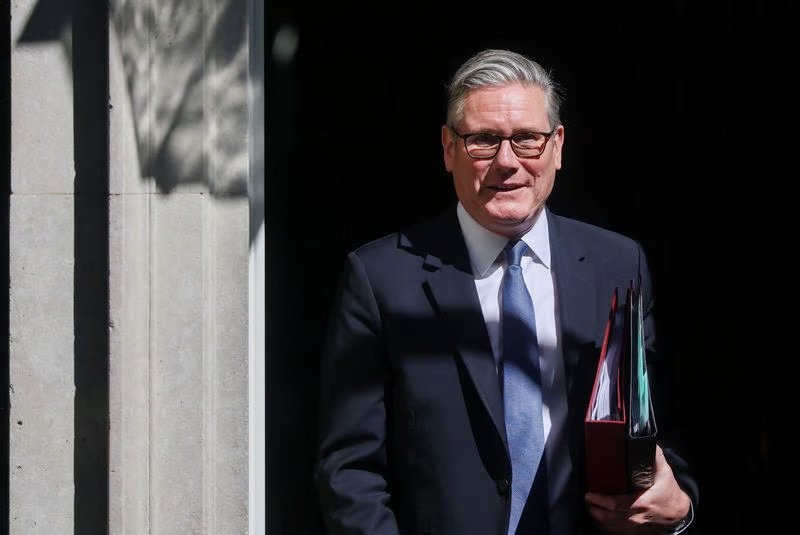
The suggestion triggered immediate and forceful responses from 10 Downing Street, which moved swiftly to dismiss any notion of compromise. A spokesperson emphasised that Britain’s position remains unchanged and unequivocal. Sovereignty over the islands, the government reiterated, rests firmly with the United Kingdom, while the principle of self-determination for the islanders remains paramount.

The reaction reflects the enduring sensitivity surrounding the Falklands issue, a legacy rooted in the Falklands War. The brief but intense conflict claimed the lives of hundreds and left a lasting imprint on British political consciousness. Since then, the islands have remained a British Overseas Territory, though Argentina continues to assert its claim, referring to them as the Malvinas.
While the United States has historically offered quiet support to Britain—particularly during the 1982 war—its official position has long been one of neutrality regarding sovereignty. A spokesperson for the US State Department reiterated this stance, acknowledging competing claims while recognising the UK’s de facto administration of the archipelago.
The timing of the leak has heightened its impact, coming just days before a high-profile state visit by King Charles III to Washington. The visit, intended to reinforce diplomatic ties, now unfolds against a backdrop of growing friction. Relations have been strained by disagreements over military engagement in Iran, trade disputes, and diverging strategic priorities within NATO.
British political figures across the spectrum responded with unusual unity. Opposition leaders and government allies alike stressed that the status of the Falklands is non-negotiable. Veterans of the 1982 conflict also voiced concern, warning against any attempt to politicise the islands’ sovereignty as a bargaining tool in broader geopolitical disputes.
From Buenos Aires, officials reiterated their longstanding call for renewed negotiations. Argentina’s leadership framed the current situation as a colonial issue requiring a peaceful and definitive resolution, signalling that any perceived shift in US policy could embolden its diplomatic efforts.
The episode has also reignited debate over the resilience of the so-called “special relationship” between the UK and the United States. Once regarded as a cornerstone of Western diplomacy, the alliance now faces scrutiny amid diverging foreign policy approaches. Analysts note that tensions over Iran, defence commitments, and global leadership have exposed vulnerabilities that were previously masked by shared strategic interests.
Despite the controversy, British officials have sought to project confidence. Downing Street insists that defence and intelligence cooperation between the nations remains robust, describing it as one of the closest security partnerships in the world. Yet behind the reassurances lies an acknowledgment that the geopolitical landscape is shifting, with alliances increasingly shaped by transactional considerations rather than historical loyalties.

For the residents of the Falkland Islands, the developments are a reminder of their unique geopolitical position. The islands’ government expressed full confidence in the UK’s commitment, pointing to the 2013 referendum in which an overwhelming majority voted to remain a British Overseas Territory. That result continues to serve as a central pillar of Britain’s argument, reinforcing the principle that the islanders themselves should determine their future.
As diplomatic preparations continue for King Charles’s visit, the stakes have grown significantly. What was intended as a ceremonial reaffirmation of Anglo-American ties now carries deeper political implications. The monarch’s engagements in Washington, including meetings with senior US figures, are likely to be closely scrutinised for signals of how both intend to navigate the tensions.
Ultimately, the controversy surrounding the leaked memo highlights a broader reality: in an era of shifting alliances and competing priorities, even long-standing partnerships are subject to and recalibration. For Britain, the message from Downing Street is clear—its claim over the Falkland Islands is not open to negotiation. Whether that certainty will withstand the of evolving dynamics remains an open question.
Related News:
 UK Prepares Aircraft Carrier for Middle East Crisis
 Charles Faces Trump Test in High-Stakes US Visit
 British Woman in Iran ‘Losing Hope’ Amid Ongoing Detention
 BBC Journalist Held and Interrogated in Vietnam
 Zohran Mamdani becomes New York City’s first Muslim mayor
 BBC director-general and news chief resign amid bias row
 Rama Rebukes Mahmood for Targeting Albanian Families
 Russian Vessel Used Lasers on RAF Pilots, UK Claims
 Trump to Recheck Green Cards from 19 Nations After DC Attack
 Trump Escalates Minnesota Immigration Surge Amid Rising Tensions
 Greenland Faces Pivotal Summit Over Arctic Power Struggle
 Trump Threatens Strong Action If Iran Executes Protesters
 Trump Receives Machado’s Nobel Medal in White House Meeting
 Trump Pulls Canada from His Controversial ‘Board of Peace’ Plan
 EU Says US Ties Have Suffered ‘Big Blow’ After Greenland Crisis
 Starmer China visit raises human rights pressure on Beijing
 UK and EU Signal Fresh Push for Defence Cooperation Talks
 Thousands Protest ICE Operations in Nationwide US Day of Action
 Epstein Files Reveal Trump Officials’ Emails with Financier
 Thousands Protest ICE in New York Against Trump Deportation Campaign
 Starmer Condemns ‘Depraved’ Russian Strikes on Ukraine
 Trump Praises ‘Terrific’ Petro After White House Talks
 Trump Warns Over Chagos Islands Deal
 Trump and Chagos Deal Rift Over Iran Strikes
 Andrew Mountbatten-Windsor Arrest After FBI Radar
 Farage Chagos Islands Row Sparks Fury
 California Democrats Vow Trump Reckoning
 Trump Tariffs Threat Spark UK and EU Alarm
 Clinton Testimony Erupts in Fiery Exchange
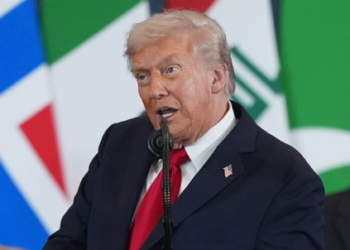 Trump Rebukes Starmer Over Iran Strikes Row
 Thousands Protest Iran Strikes Outside US Embassy London
 US Bombers Arrive at RAF Base Amid Rising Iran Tensions
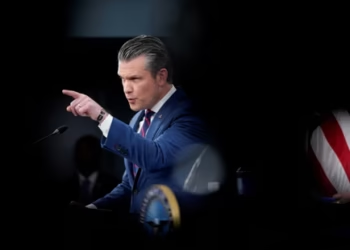 Pete Hegseth Iran War Remarks Spark Alarm
 Gordon Brown urges court for crimes against children
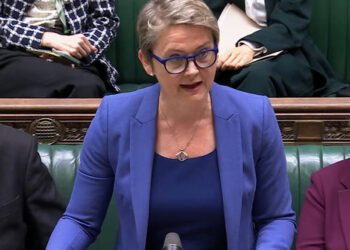 Yvette Cooper: UK Must Follow Principles, Not US Pressure
 UK Minister Denies Iran Missile Threat to Britain
 Army Probes Apache Flyover at Kid Rock’s Nashville Estate
 Relationship with Trump may be beyond repair, Starmer warned
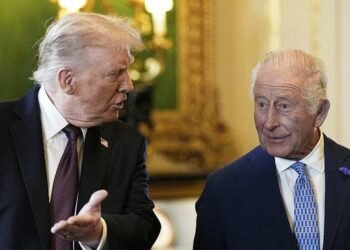 Can King Charles Calm Trump on Key US Visit?
 Trump’s Harsh Rhetoric on Iran Sparks Global Alarm
 Trump Faces Crisis as Iran Reopens Hormuz Tensions
 US Court Ruling Reshapes Voting Rights Landscape
 US states redraw maps after voting rights ruling
 Judge halts deportation of Yemeni refugees in US
 Trump likens US Navy actions to ‘pirates’
 Trump approval plunges amid Iran war fears
 Giuliani hospitalised in critical condition
 Ohio’s Battle for Trust: Democrats Vying to Flip the Buckeye State
 Trump Threatens UN Budget Cuts as US Pushes ‘Trade Over Aid’ Agenda
 Trump warns Iran as Middle East tensions surge again
 US ‘Narco Boat’ Strikes Draw Global Outcry
 Ceasefire Standoff Deepens in Ukraine War
 Indiana Republicans Defy Trump in Key Vote Test
 US Court Restores Abortion Pill Access Temporarily
 Ohio Primaries Set Stage for Crucial Midterms
 Koh-i-noor Diamond Row Reignites Colonial Debate
 Afghan Families Left in Limbo Face Risk of Deportation
 Tensions Emerge in Netanyahu-Trump Alliance
 US Awaits Iran Reply on New Ceasefire Proposal
 Starmer Faces Revolt After Crushing Election Losses
 Hormuz Talks Near Critical Stage
 UK Pushes for New EU Goods Trade Deal
 Reeves Fights to Keep Treasury Role Amid Labour Turmoil
 Trump’s Revenge Drive Deepens GOP Divide
 Former ICC prosecutor condemns US sanctions
 Gunman Killed After White House Security Shootout
 Trump Claims Iran Peace Deal Near Completion
 Starmer Leadership Under Pressure After Setbacks
 Deadly Russian Air Raids Strike Across Ukraine
 US Midterm Primaries: Democrats Target Key Republican Seats
 House Curbs Trump’s War Powers in Rare Rebellion
 UK Government Cancels Higher Education Programme for Women and Girls
 New South Wales Premier Chris Minns Signals Tough Road Ahead for Labor
 Labour MPs Urge Burnham to Revive UK Aid Target
 Mystery Grows Over Mitch McConnell’s Health
 Senate Halts Defense Bill Over Iran Clashes
 Trump Jokes, Jabs and Press Tensions at WHCA Dinner
 Houthis Strike Saudi Arabia as Middle East Tensions Rise
 Is America Ready for an AOC Presidential Run?
 Trump dismisses concerns over 250-day carrier deployment