Published: 25 April 2026. The English Chronicle Desk. The English Chronicle Online
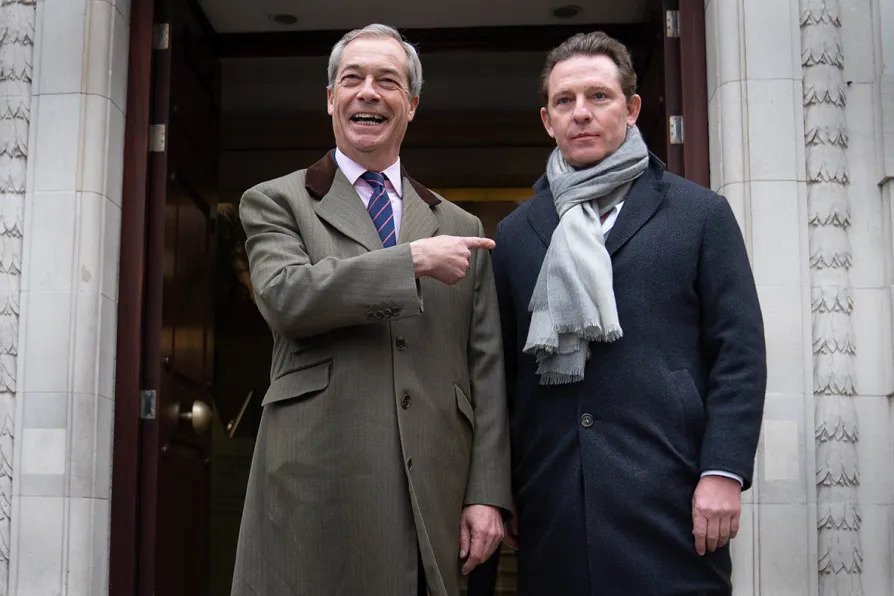
A major political funding story has emerged linking a highly secretive billionaire donor to Reform UK and its leader Nigel Farage, raising fresh questions about the influence of cryptocurrency wealth on British politics.
At the centre of the investigation is businessman Christopher Harborne, also known by his Thai name Chakrit Sakunkrit, a reclusive investor whose fortune is closely tied to cryptocurrency markets and digital asset infrastructure. Over recent years, he has reportedly donated more than £22 million to Reform UK and its predecessor political movements, making him one of the most significant backers of the party.
The relationship between Harborne and Farage reportedly deepened around 2022, including private meetings abroad such as a gathering at the Kamalaya Wellness Sanctuary, where political discussions took place alongside personal celebrations hosted by business figures.

Harborne’s wealth is strongly linked to early investments in cryptocurrency, including Bitcoin and Ethereum, as well as connections to major digital asset companies such as Tether, a leading stablecoin issuer in the global crypto market.
Tether has faced international scrutiny over transparency of reserves and its role in global crypto liquidity flows, though it remains one of the most widely used digital asset systems in the world.
Reports suggest Harborne holds a significant stake in the broader crypto ecosystem and has benefited from the sector’s rapid valuation growth, making him a billionaire investor with expanding global influence.
Under Farage’s leadership, Reform UK has increasingly adopted a pro-cryptocurrency stance. The party has advocated for:
- Recognition of digital assets in financial regulation
- Lower taxation on crypto gains
- UK leadership in blockchain and financial technology innovation
Farage has publicly described stablecoins and crypto markets as key tools for modernising the UK economy, arguing that Britain risks falling behind if it does not embrace digital finance.
Critics, however, argue that this alignment raises concerns about whether political positions are being shaped by major private donors with direct financial interests in the sector.
The report highlights several private interactions between Harborne, Farage, and senior Reform UK figures during international gatherings and political events. These meetings reportedly included discussions on strategy, fundraising, and digital asset policy direction.
Although Reform UK strongly denies any donor influence over policy decisions, questions persist about the scale of Harborne’s financial contributions and the timing of major donations during key political developments.
A party spokesperson stated that no donor has received or been offered any preferential treatment in exchange for funding.
The broader story places Harborne’s influence within the global rise of cryptocurrency politics. Digital assets have increasingly become a focal point for political funding, particularly in the United States and Europe, where regulatory frameworks remain under development.
Tether, as one of the dominant stablecoin issuers, has also been linked in various reports to debates around financial transparency, cross-border transactions, and illicit finance risks, although it denies wrongdoing and states it cooperates with law enforcement when required.
Supporters of crypto argue that it represents financial innovation and independence from traditional banking systems, while critics warn of regulatory gaps and potential misuse.
With Reform UK gaining traction in national polling, the scale of private funding has come under renewed scrutiny. Analysts suggest that large individual donations could play a decisive role in shaping campaign capacity and media visibility ahead of future elections.

Opposition figures have called for stricter transparency rules on political donations, particularly those linked to offshore wealth or complex financial structures involving digital assets.
Meanwhile, Reform UK continues to position itself as a challenger party focused on political reform, economic change, and technological modernisation.
The emergence of Christopher Harborne as a major political donor highlights the growing intersection between cryptocurrency wealth and mainstream politics in the UK. As Reform UK expands its profile, questions over funding sources, digital finance influence, and political transparency are likely to remain central to public debate.
Related News:
 MPs warn AI financial risks threaten UK stability
 MPs warn AI financial risks threaten UK stability
 OpenAI Halts Stargate UK Project Amid Energy Crisis
 UK firms accused of ‘AI washing’ boom
 Burnham unveils £65m drought aid for farmers
 Donald Trump’s UK State Visit Kicks Off Amid Major Tech Investments and Business Engagements
 Tories Push to Dilute Labour’s Workers’ Rights Bill
 Trump’s UK Ambassador Urges North Sea Drilling to Strengthen US Ties
 Rachel Reeves Set to Break Labour Pledge and Raise Income Tax
 Thinktanks Urge Rachel Reeves to Reform UK Tax System
 Company linked to Michelle Mone owes £39m in tax
MPs Press Rachel Reeves to Hike Gambling Taxes
Company linked to Michelle Mone owes £39m in tax
MPs Press Rachel Reeves to Hike Gambling Taxes
 North Sea oil workers must lose weight or face job loss
 Cuts to home insulation funding threaten UK climate goals
 Millionaires group urge Reeves to introduce wealth tax to ‘lift kids out of poverty’
 PM Highlights UK Business at G20 in South Africa
 UK Taskforce Unveils Plan to Streamline Nuclear Reactor Rules
 English Mayors Set to Introduce Tourist Taxes
 Starmer Says Labour’s Economic Plan Needs Years to Deliver
BBC bosses ‘right to stick by their guns’ against Trump, says minister
Starmer Says Labour’s Economic Plan Needs Years to Deliver
BBC bosses ‘right to stick by their guns’ against Trump, says minister
 UK Car Sales Pass 2 Million as Chinese Brands Surge
 China Dependence Threatens UK Energy Supply Chains and Jobs
 UK Government Borrowing Drops to £11.6bn in December
 AI job losses UK: Britain faces sharper employment shock
 Labour Must Revive High Streets to Avoid Election Collapse
 UK New Car Discounts Near £6,000 as Prices Are Slashed
 Barclays drops Global Counsel after Mandelson link scrutiny
 UK shelves £110m border project amid trade strain
 UK Sees Record £30.4bn Budget Surplus, Boosting Reeves’ Position
 Ministers Urged to Ban Crypto Political Donations
 Reeves Must Back Defence Plan or Face Dismissal, Says Unite Chief
 UK Social Media Ban for Under-16s Gains Momentum
 OBR Reform Row Deepens Before Spring Forecast
 UK Teen Social Media Ban Trials Begin
 Ministers Urged to Act Faster on Deepfakes Threat
 MPs Reject Ban on Social Media for Under-16s
 UK Pushes NHS and MoD to Buy British Tech
 UK Doubles Steel Tariffs to 50% to Protect Domestic Plants
 Starmer Adviser Urges New Profit Cap on Energy Firms
 Rising Costs Force Families to Rethink Days Out
 Fuel Duty Relief Plea Amid Middle East Oil Crisis
 Heavier SUVs Accelerate Britain’s Pothole Crisis
 Harry and Meghan’s Australia Visit Sparks Debate
 Kezia Dugdale Warns of Possible Reversal of Equal Rights Gains
 Canadian astronaut French words ease language row
 NHS Safety Fears as Nurses Cover Doctor Gaps
 Athens Mayor Moves to Tackle Overtourism Crisis
 US Labor Department in turmoil after secretary resigns
 RAF Typhoons scrambled amid Russian drone threat near Nato
 Disneyland Adds Facial Recognition at Entrances
 John Terry Faces Backlash Over Political Posts
 BBC News Faces Deep Cuts in 2,000 Job Plan
 UK may ban protests amid rising antisemitism fears
 Silent Tracks: Rail Line Without Passengers
 Doomsday Clock Nears Midnight Amid Global Crises
 Labour Members Turn Against Starmer Leadership
 Labour Faces Internal Pressure for Bold Economic Shift
 Labour Factions Propose Bold Tax Cuts Amid Leadership Storm
 Thames Water Rescue Package Hit by Downing Street Chaos
 Hybrid village stores fight rural decline
 UK Pushes for New EU Goods Trade Deal
 Reeves Fights to Keep Treasury Role Amid Labour Turmoil
 UK Urged to Build EU Rejoin Consensus, Says Miliband
 UK rejects EV charging VAT cut amid Treasury clash
 UK Supply Chains Face Major Risks From Global Instability
 Farage and Reform UK Reshape British Politics
 Starmer Leadership Under Pressure After Setbacks
 Public Confidence in University Degrees Plummets in the UK
 UK Ministers Lobby Trump Over Under-16s Social Media Ban
 Hospitality Traders to Exploit Summer VAT Cut Loophole
 Andy Burnham Enlists Economic Heavyweights for Leadership Bid
 Great Britain Faces £90bn Electricity Grid Rewire Bill
 Trump Faces Backlash Over $2bn Earnings Since Return
 Burnham Promises Relief on Cost of Living Crisis
 UK Nations Brace for Potential Breakup Amid Reform Surge
 Reeves Launches City AI Skills Compact
 Three-Quarters of England’s Riverbanks Still Off Limits
 Weight-Loss Drugs Offer Food Savings Mainly to High Earners
 London’s 2026 ‘Great Stink’ Raises Sewer Concerns
 Gen Z turns to BirdTok for a gentler digital escape