Published: 19 April 2026. The English Chronicle Desk.The English Chronicle Online
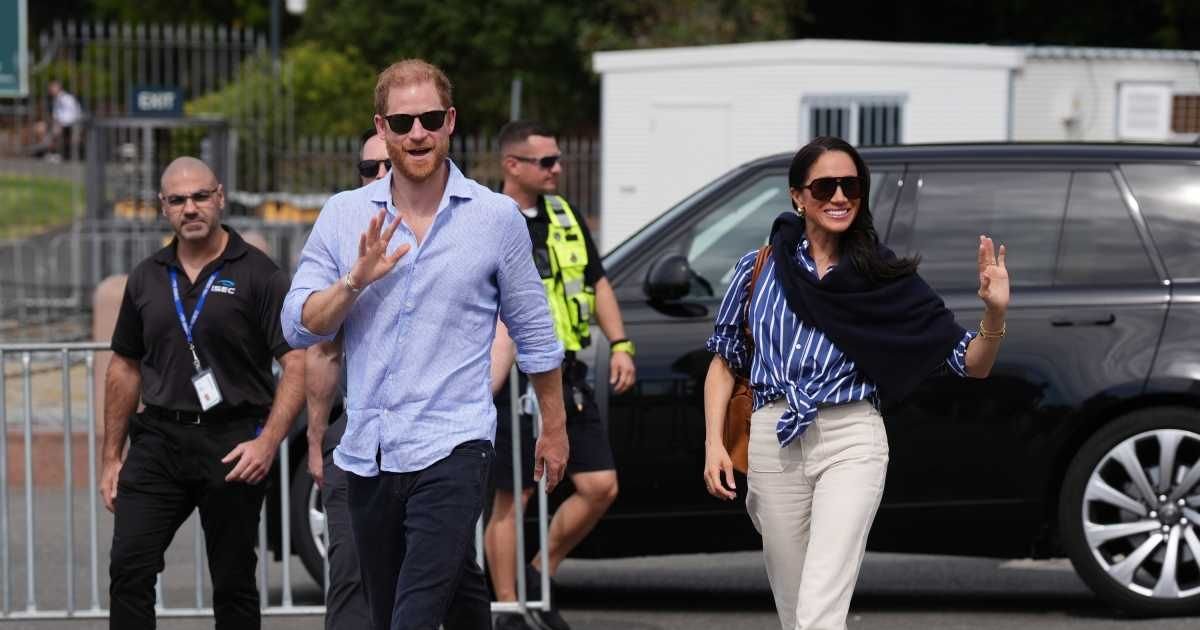
Prince Harry and Meghan Markle’s recent visit to Australia has triggered renewed global debate over their post-royal identity, with critics questioning whether the trip was a commercially driven branding exercise or an attempt to replicate elements of a traditional royal tour.
Over four days, the Duke and Duchess of Sussex attended a tightly managed series of engagements across Sydney and Melbourne, blending charitable appearances with high-profile commercial events. The itinerary included discussions on mental health, a stop at a sporting club linked to men’s wellbeing initiatives, participation in a television entertainment format, and attendance at a luxury wellness retreat branded as a “once-in-a-lifetime experience.”
While supporters praised the couple for highlighting social causes, others described the visit as carefully curated image management designed to sustain global relevance outside the formal structures of the British monarchy.

Unlike official royal tours, the Sussexes’ Australian schedule did not include large-scale public walkabouts or traditional state-linked receptions. Instead, most events were ticketed, invitation-only, or held in controlled environments with limited media access. This absence of open public interaction has fuelled discussion over whether the trip represented genuine civic engagement or a strategic media campaign.
During the visit, Meghan headlined a three-day wellness event marketed as a premium lifestyle retreat, where attendees reportedly paid several thousand dollars for access. The programme included discussions on personal development, wellness branding, and entrepreneurship. The Duchess also promoted her lifestyle and consumer brand, which continues to expand into food, homeware, and wellness-related products.
Prince Harry, meanwhile, focused heavily on mental health advocacy and men’s wellbeing, including appearances tied to charitable organisations and research initiatives in Australia. One of the most widely covered moments of the tour involved his participation in a sporting club visit, where he spoke about therapy, emotional resilience, and fatherhood challenges.
However, despite the charitable framing of several appearances, media attention frequently shifted toward the commercial elements of the trip. Reports of high ticket prices for events and luxury positioning of certain engagements intensified criticism from commentators who argue that the Sussex brand increasingly blends philanthropy with profit-driven ventures.
The contrast between this visit and the couple’s first Australian tour in 2018 has also become a key point of discussion. At that time, Harry and Meghan were newly married and widely embraced by the public, drawing large crowds and enjoying enthusiastic reception during official royal duties. Analysts note that their popularity during that period was closely tied to their status within the monarchy and the novelty of Meghan’s entry into royal life.
In contrast, the recent visit reflected a more complex public image. While some attendees expressed admiration and excitement, broader public reaction appeared mixed, with sections of social media and commentary platforms questioning the purpose of the trip and the financial motivations behind it.
Academic observers suggest that the Sussexes are now operating primarily as independent global figures rather than representatives of any institution. This shift, they argue, places greater pressure on them to sustain visibility through media engagement, commercial partnerships, and carefully curated public appearances.
A number of experts in media and political communication have described the tour as an example of “personal brand diplomacy,” where celebrity influence is used alongside humanitarian messaging. According to this interpretation, modern public figures often merge activism, entertainment, and business in ways that challenge traditional distinctions between charity and commerce.
However, critics argue that such blending risks undermining credibility, particularly when high-cost events are involved. Some commentators have questioned whether the Sussexes are “reading the room,” suggesting that luxury-oriented messaging may appear out of step with global economic pressures and public expectations of charitable figures.
Supporters of the couple, on the other hand, maintain that their ability to draw attention to social issues remains valuable. They argue that even if commercial structures support their work, the resulting visibility for mental health, wellbeing, and social justice causes should not be dismissed.
Charitable organisations involved in the visit reportedly benefited from increased exposure and fundraising opportunities. Some events linked to mental health advocacy attracted significant attendance, with proceeds supporting awareness campaigns and support services. Advocates note that celebrity involvement can often amplify causes that struggle to gain mainstream attention.
Yet the broader question remains unresolved: whether the Sussexes’ international engagements are primarily philanthropic, commercial, or a hybrid of both. The ambiguity surrounding their roles continues to fuel intense media scrutiny.
Observers also point to the couple’s evolving relationship with public perception. Once seen as a modernising force within the monarchy, Harry and Meghan are now frequently polarising figures in global media discourse. Supporters highlight their independence and willingness to challenge traditional institutions, while critics accuse them of leveraging royal association for continued fame.
Despite differing interpretations, one outcome is clear: the Australia visit succeeded in generating significant global attention. Coverage across international media ensured sustained visibility throughout the tour, reinforcing the couple’s continued relevance in public debate.

Whether this attention translates into long-term credibility or further controversy remains uncertain. As their public and private ventures continue to intersect, the Sussexes remain at the centre of a broader conversation about celebrity influence, modern philanthropy, and the commercialisation of public life.
The news has been compiled from widely circulating reports and cross-checked with multiple international media sources to ensure accuracy and balance. It has been prepared with a focus on impartiality and clarity, offering a comprehensive overview of ongoing discussions surrounding the visit.
Ultimately, the Australia tour has underscored the enduring complexity of Harry and Meghan’s public role. No longer operating within the formal constraints of royal duty, they continue to navigate a space where charity, celebrity, and commerce increasingly overlap—leaving public interpretation sharply divided.
Related News:
 Athens Mayor Moves to Tackle Overtourism Crisis
 Reform UK funding: mystery billionaire revealed
 US Labor Department in turmoil after secretary resigns
 Hybrid village stores fight rural decline
 Burnham unveils £65m drought aid for farmers
 Trump’s UK Ambassador Urges North Sea Drilling to Strengthen US Ties
 Oprah enjoys Meghan’s jam on English muffins
 MPs Press Rachel Reeves to Hike Gambling Taxes
 Millionaires group urge Reeves to introduce wealth tax to ‘lift kids out of poverty’
 From Lego to Pokémon: How Adults Are Driving UK Toy Market Growth
 Canada Passes Carney’s First Budget in Tight Parliamentary Vote
 PM Highlights UK Business at G20 in South Africa
 India’s Labour Law Overhaul Sparks Fierce Debate
 Starmer Says Labour’s Economic Plan Needs Years to Deliver
 Government Unveils Northern Powerhouse Rail Plans
 Trump Fed bid heads to Supreme Court
 Starmer Plans UK-China Visit Amid Business and Diplomatic Goals
 UK Government Borrowing Drops to £11.6bn in December
 Keir Starmer meets Xi to strengthen UK-China economic relations
 EU Signals Open Mind on UK Customs Union Talks
 UK shelves £110m border project amid trade strain
 UK Sees Record £30.4bn Budget Surplus, Boosting Reeves’ Position
 Reeves Must Back Defence Plan or Face Dismissal, Says Unite Chief
 OBR Reform Row Deepens Before Spring Forecast
 Nissan Sunderland Plant Faces Uncertain Future Under EU Rules
 UK Doubles Steel Tariffs to 50% to Protect Domestic Plants
 Rising Costs Force Families to Rethink Days Out
 Verdant report: Doge of the Left could save £30bn
 UK CO2 Plant Reopens to Counter War-Induced Shortages
 Ticketmaster Fees Rise Despite Recent US Junk Fee Crackdown
 Trump to Deploy “God Squad” Over Gulf Wildlife Protections
 Army Probes Apache Flyover at Kid Rock’s Nashville Estate
 M&S Demands Urgent Action on Rising Violent Retail Crime
 US Senators Slam Ticketmaster Over Sneaky New Fee Hikes
 Can King Charles Calm Trump on Key US Visit?
 Keir Starmer Expresses Concern Over Kanye West Wireless Festival Dates
 Tax Shift Hits UK Farms: New Inheritance Rules Begin
 Melania Trump Epstein remarks spark survivor backlash
 Trump Slams UK Ties and Threatens To Rewrite Trade Deal
 Kezia Dugdale Warns of Possible Reversal of Equal Rights Gains
 NHS Safety Fears as Nurses Cover Doctor Gaps
 Charles Faces Trump Test in High-Stakes US Visit
 Southeast Asia Turns to Russia Amid Energy Crisis
 Disneyland Adds Facial Recognition at Entrances
 Ukraine Urges UK to Seize Russian Oil Tankers
 US Calls Australia Media Law “Foreign Extortion”
 US Court Weighs Fate of TPS for Migrants
 Capitalism ‘Suicidal’, Warns Petro at Climate Summit
 John Terry Faces Backlash Over Political Posts
 Trump approval plunges amid Iran war fears
 Trump Threatens UN Budget Cuts as US Pushes ‘Trade Over Aid’ Agenda
 Tough Fiscal Realities Await Next Scottish Government
 Government Subsidy Keeps Jaguar Land Rover Production Firmly Within British Borders
 France Faces Record Presidential Crowded Race Amid Far-Right Surge
 US Awaits Iran Reply on New Ceasefire Proposal
 Immigration Judges Fear Pressure in Trump Era
 Labour Members Turn Against Starmer Leadership
 Labour Faces Internal Pressure for Bold Economic Shift
 Whistler’s Mother and why its fame frustrated artist
 Hormuz Talks Near Critical Stage
 UK Pushes for New EU Goods Trade Deal
 Albanese Defends Tax Reforms Amid Emotional Speech
 Victoria Labor Launches Apprenticeship Expansion Plan
 UK Urged to Build EU Rejoin Consensus, Says Miliband
 Nationwide Faces Governance Scrutiny Ahead of AGM
 Starmer Leadership Under Pressure After Setbacks
 Hungary Targets Oligarchs with Proposed Landmark Wealth Tax
 Andy Burnham Enlists Economic Heavyweights for Leadership Bid
 Trump’s Mount Rushmore Speech: A Divisive Anniversary
 UK Nations Brace for Potential Breakup Amid Reform Surge
 The ‘Special Relationship’ at 250: Irrelevance or Influence?
 Ukraine Creates Long-Range Strike Command
 Le Pen’s Popularity Holds Despite Conviction
 Weight-Loss Drugs Transform Fashion Shopping Habits
 Trump Refuses to Sign Housing Bill, But Law Takes Effect
 Italy’s Beach Lunch Ban Sparks Holiday Backlash
 Three-Quarters of England’s Riverbanks Still Off Limits
 Trump Orders Signs Criticising Smithsonian Museum
 Weight-Loss Drugs Offer Food Savings Mainly to High Earners
 Is America Ready for an AOC Presidential Run?