Published: 15 August 2026.The English Chronicle Desk. The English Chronicle Online.
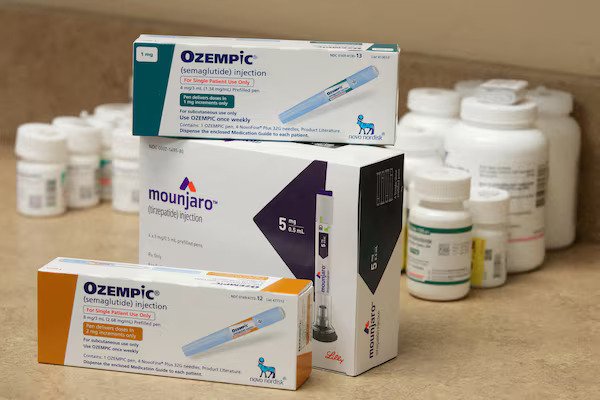
Weight-loss medication may reduce grocery spending, but only the highest earners appear likely to save enough on food to offset the cost of the drugs, according to an analysis that has raised concerns about growing inequality in access to obesity treatments.
Research by consultancy Baringa found that people taking GLP-1 weight-loss medication would generally spend less on food, but the reduction would not normally compensate for the cost of treatment. According to the analysis, a person would need nearly £100,000 in discretionary income each year to make overall savings after paying around £1,200 annually for GLP-1 medication.
The findings have prompted concerns that the rapidly expanding weight-loss drug market could create a financial divide between people who can comfortably afford long-term treatment and those who may benefit medically but cannot sustain the expense.
Paddy Winters, a partner at Baringa, said the analysis indicated that GLP-1 medicines risk becoming a driver of inequality because only people with very high incomes would benefit sufficiently from reduced grocery spending to offset the cost of medication.

The concept has been described as a “regressive tax on being thin”, referring to the fact that lower-income users can spend a larger proportion of their available money on treatment than wealthier users. Most people in Britain who use these medicines obtain them through private prescriptions rather than the National Health Service.
Baringa’s analysis found that someone with about £39,000 available each year after tax and essential expenses could save approximately £481 annually on food while using GLP-1 medication. That saving, however, would be considerably below the estimated £1,200 annual cost of the medication.
The situation changes only at much higher levels of discretionary income. According to the analysis, someone with around £97,500 available after tax and other outgoings could potentially reduce grocery spending by approximately £1,200, enough to match the estimated annual medication cost.
For most users, therefore, the food savings are unlikely to compensate for the price of treatment. Winters warned that the financial burden could extend beyond the cost of the medicine itself because some users may also spend additional money on products intended to manage side effects.
He pointed to increased spending on vitamin supplements and personal care products, including hair-care products, as additional costs that some users may face while taking GLP-1 medicines.
The concern is particularly significant because weight-loss medication is increasingly being used as a long-term treatment rather than a short-term intervention. If people stop taking the drugs because they can no longer afford them, any weight lost during treatment may be regained, potentially creating a cycle of starting, stopping and restarting medication.
Winters said early signs suggested some people were already cancelling prescriptions after several months because of the accumulating cost. He warned that if people regain weight after stopping treatment and subsequently restart medication, some could potentially turn to borrowing or debt to finance the cycle.
The issue comes as obesity remains a major public health challenge in England. The King’s Fund estimates that around 14.3 million adults in England are living with obesity. The organisation has warned that people who are most likely to benefit from weight-loss medication should not be priced out of treatment, and that differences in affordability and access could contribute to wider health inequalities.
The rapid growth of the weight-loss medication market has made affordability an increasingly important issue. Separate research by PwC estimates that around 5% of adults in Britain, equivalent to nearly 3 million people, are currently using weight-loss medication. Around 9% are estimated to have used such medication at some point.
PwC expects the proportion of adults using weight-loss medicines to increase further, potentially reaching 13% by the end of next year. The figures indicate the speed at which GLP-1 medicines have moved from specialist treatments into mainstream consumer and healthcare markets.
Women account for around 60% of GLP-1 users, according to the PwC research. However, the distribution of users across household income groups also highlights the financial dimension of the market.
Around 6% of current users come from households earning less than £20,000 a year, while approximately 20% are from households earning more than £100,000. The figures suggest that wealthier households are significantly more represented among people currently using the medicines.
Dr Leyla Hannbeck, executive chair of the Independent Pharmacies Association, said access to GLP-1 treatments through the NHS remained limited to a relatively small group of eligible patients. Many people who could potentially benefit from treatment therefore have to pay for private care if they want access.
She said NHS commissioning arrangements provide some protection against financial inequality, but stressed that access remains limited.
The price of weight-loss medication varies widely depending on the specific medicine, dose, retailer and whether a customer receives discounts or uses a subscription service. This variation makes it difficult to establish a single cost for treatment across the market.
The sector has also experienced considerable price volatility. Mounjaro, one of the major weight-loss medicines, experienced a significant price increase in Britain during 2025. At the same time, competition has begun increasing as pharmaceutical companies introduce new products and alternative formulations.
Hannbeck said the industry was seeing a growing pipeline of GLP-1 treatments, including tablets and other next-generation therapies. The arrival of oral medicines could eventually affect costs and make treatment more convenient for some users.
The recent availability of the Wegovy pill in Britain has added another option to a market previously dominated by injectable treatments. Greater competition could potentially put downward pressure on prices, although the extent to which this will improve affordability for lower-income patients remains uncertain.
Pharmacies and healthcare professionals are also seeing the consequences of patients discontinuing treatment because of cost. Hannbeck said people sometimes lose weight successfully but then stop taking their medication when the financial burden becomes too great.
When treatment ends, weight can return, potentially undermining the progress made during months of medication. This can leave patients facing the decision of whether to restart treatment and take on the associated expense again.
The situation highlights the tension between the growing popularity of pharmaceutical weight-loss treatments and the economic realities of maintaining them over time. Although reduced food consumption can produce some household savings, the analysis suggests that those savings are generally insufficient to cover medication costs for people on ordinary incomes.
The findings also raise questions about the future role of the NHS in providing access to obesity treatments. If private treatment remains the main route for many people while NHS eligibility remains restricted, wealth could increasingly determine who can maintain access to the latest medicines.

Supporters of wider access argue that effective obesity treatment could eventually reduce pressure on healthcare services by helping prevent conditions associated with obesity. However, ensuring that people can start and continue treatment remains a central challenge.
Hannbeck stressed that medication should not be viewed as a quick solution on its own. She said sustainable weight management needs to be accompanied by lifestyle changes, including diet and exercise, particularly if people are to maintain a healthier weight after treatment.
As GLP-1 medicines become more widely used, the debate is therefore shifting from whether they work to who can afford to use them consistently. For wealthier households, reduced grocery spending may partly or entirely offset treatment costs. For most other users, however, the medication represents an additional financial burden rather than a saving.
The analysis suggests that without wider and more affordable access, the weight-loss drug revolution could deepen existing inequalities. People with the greatest financial resources may be able to sustain treatment for as long as necessary, while lower-income users could be forced to stop because of cost, potentially leading to weight regain and renewed financial pressure.
The challenge for policymakers, healthcare providers and pharmaceutical companies will be to ensure that the benefits of new weight-loss treatments are not determined primarily by household income. As millions more people consider GLP-1 medicines, affordability could become just as important as medical effectiveness in determining who is able to benefit from them.
Related News:
 North Sea oil workers must lose weight or face job loss
 Reform UK funding: mystery billionaire revealed
 UK rejects EV charging VAT cut amid Treasury clash
 Weight-Loss Drugs Transform Fashion Shopping Habits
 Virgin Trains Moves Closer to Challenging Eurostar Monopoly
 Experts Urge Legal Right to Timely Cancer Care
 Patients to Test Health at Home to Ease NHS Winter Pressure
 NHS frontline staff forced to cover gaps as managers remain scarce
 New laws to bolster UK’s defences against cyber attacks on NHS, transport and energy
 Working-Class Men with Prostate Cancer Left Behind by NHS
 New AI tool could cut wasted efforts in organ transplants
 From Baby Teeth to Bioengineering: The Future of Self-Healing Teeth
 Healthy Habits in Your 30s That Boost Life in Your 70s
 Coffins Now Too Large to Cremate Amid Rising Obesity Crisis
 UK Taskforce Unveils Plan to Streamline Nuclear Reactor Rules
 NHS paediatric leave parents waiting months for answers
 Google Removes Some AI Health Summaries Over Safety Concerns
 AI job losses UK: Britain faces sharper employment shock
 UK AI avatar firm Synthesia valuation jumps to $4bn
 AI Transforms Lung Cancer Detection in NHS Trial
 SpaceX Plans $1.5tn IPO Amid Planetary Alignment
 Amazon mistakenly signals new global layoffs to employees
 AI breast screening cuts later cancer diagnoses by 12%, study finds
 UK New Car Discounts Near £6,000 as Prices Are Slashed
 Autistic Girls Often Missed in Childhood Diagnoses, Study Finds
 Most Statin Side-Effects Are Not Caused by Drugs, Study Confirms
 BT Names New Openreach Chief Amid Major Fibre Expansion
 AI fears hit UK wealth and comparison sites
 Ayahuasca Psychedelic DMT Shows Potential as Depression Therapy
 UK Firms Warned of Rising Iran Cyber Threats
 UK Firms Warned of Rising Iran Cyber Threats
 Global markets face turmoil as Hormuz crisis deepens
 Zorevunersen Breakthrough for Dravet Syndrome
 Cancer Death Rate in Britain Falls by Nearly a Third
 Taking Multivitamins Daily Could Slightly Slow Ageing, Study Finds
 Tesla Enters British Energy Market Following Ofgem Approval
 Social Media Giant Trial Reaches Final Jury Decision
 ‘Drinking from a Fetid Pond’: Superbug Genes in Lough Neagh
 UniCredit’s Bold Move to Reshape European Banking
 UK Banks Maintain £100 Contactless Limit Despite FCA Rule Change
 Rising Costs Force Families to Rethink Days Out
 ABC Staff Strike Over Pay and AI Concerns
 High Court Orders Lynch Estate to Pay £920m to HPE
 UK Watchdog Probes Five Firms Over Fake Review Failings
 Sperm Struggles in the Final Frontier of Space
 M&S Demands Urgent Action on Rising Violent Retail Crime
 Apple at 50: Three Products That Changed How We Live
 City Firms See Sharpest Fortune Reversal in Thirty Years
 Student Loan Interest May Rise Despite 6% Cap
 Gene Therapy Wins Major Prize for Restoring Vision
 NHS Safety Fears as Nurses Cover Doctor Gaps
 Disneyland Adds Facial Recognition at Entrances
 Ukraine Urges UK to Seize Russian Oil Tankers
 Older Than Dinosaurs: Secrets of Mayfly Dance Revealed
 Albanese Rejects Gas Export Tax Push
 $13bn World Cup Set to Break All Revenue Records
 Disney+ Wins Champions League Rights in Key Markets
 WHO approves first malaria drug for babies
 DeepMind Staff Vote to Unionize Over US Military Contract
 Vodafone Seeks Full Control of UK Mobile in £4.3bn Deal
 Florida Surgeon ‘Devastated’ Over Fatal Surgery Error
 Barrister Criticises Trial After Suicide Case Verdict
 A Massive Legal Triumph Reshapes the Future of AI
 Hybrid village stores fight rural decline
 Pope Meets Families in Italy Toxic Waste Zone
 Nationwide Faces Governance Scrutiny Ahead of AGM
 Hungary Targets Oligarchs with Proposed Landmark Wealth Tax
 SpaceX Prepares for Historic Valuation Launch
 Silicon Valley Shifts South as AI Boom Transforms City Housing
 Trump Faces Backlash Over $2bn Earnings Since Return
 Deadly H5 Bird Flu Reaches Australia’s East Coast
 BMA Faces Unprecedented Staff Cuts Amidst Severe Financial Turmoil
 Record £28m Fine for Virgin Media Over Cancellation Woes
 Apollo Launches £5.7bn Bid for Aviation Giant easyJet
 Xavier Niel Becomes Vodafone’s Largest Shareholder
 UK Schools Struggle as Classrooms Top 40C
 London Tube Heat Reaches Dangerous Levels
 Trump Refuses to Sign Housing Bill, But Law Takes Effect
 Italy’s Beach Lunch Ban Sparks Holiday Backlash
 Gen Z turns to BirdTok for a gentler digital escape