Published: 29 April 2026. The English Chronicle Desk. The English Chronicle Online
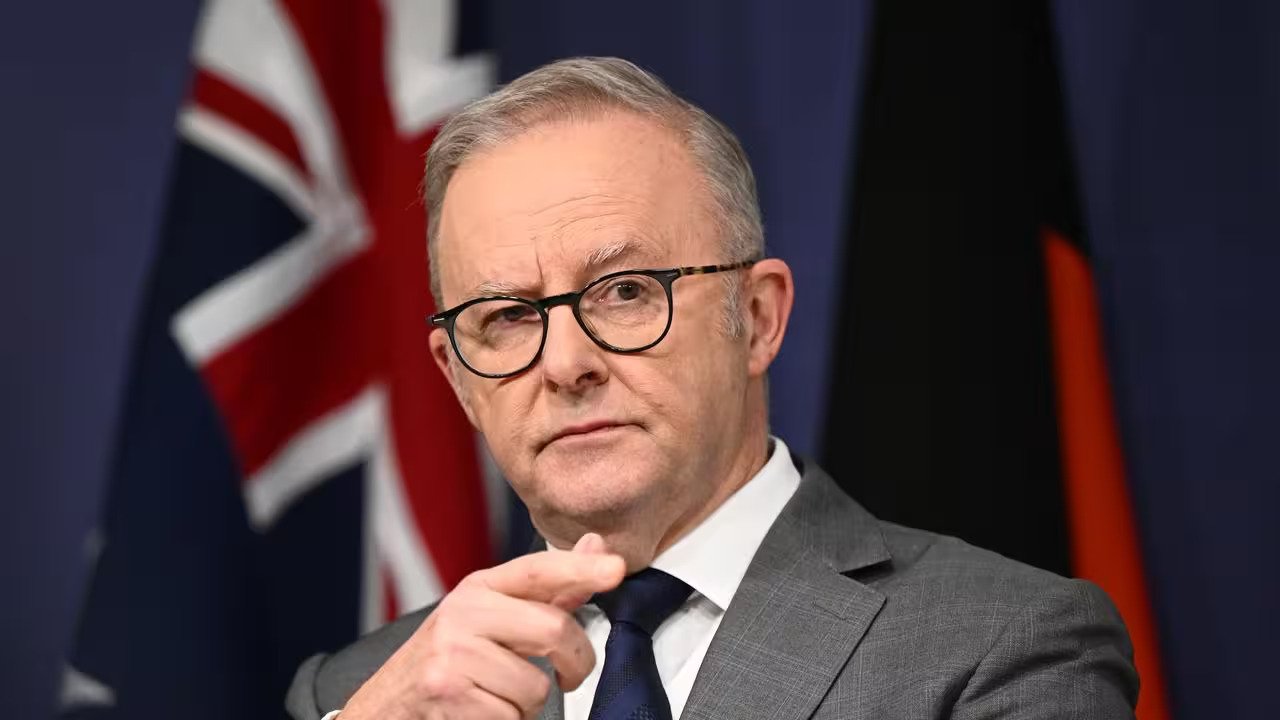
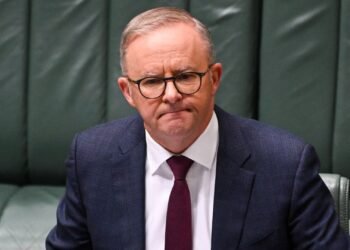
Australia’s prime minister, Anthony Albanese, has firmly ruled out imposing a new tax on existing gas export contracts, pushing back against what he described as a “populist” campaign gaining traction across the political spectrum. His remarks come at a moment of heightened global energy instability, where decisions made in Canberra carry implications far beyond Australia’s borders.
Speaking to industry leaders at the Chamber of Minerals and Energy of Western Australia, Albanese sought to reassure both domestic stakeholders and international partners that his government would not jeopardise long-standing agreements. The prime minister emphasised that maintaining trust with key Asian trading partners remains critical, particularly as global fuel markets continue to face volatility driven by geopolitical tensions and supply disruptions.
Australia is one of the world’s largest exporters of liquefied natural gas, and its relationships with countries such as Japan, South Korea, and emerging Southeast Asian economies form a cornerstone of regional energy security. Albanese recently undertook a diplomatic tour of Singapore, Malaysia, and Brunei to reinforce these ties, underscoring the strategic importance of stable supply chains. He is also preparing to host Japan’s prime minister, highlighting the centrality of energy cooperation in bilateral relations.

Against this backdrop, calls for a 25% tax on gas exports have intensified. Advocates argue that such a levy would ensure Australians receive a fairer return from the country’s natural resources, especially as multinational corporations report significant profits. Critics of the current system point to the relatively modest revenue generated by the Petroleum Resource Rent Tax (PRRT), which raised just $1.48 billion in the 2023–24 financial year despite booming export earnings.
However, Albanese rejected these arguments, describing them as misleading and overly simplistic. He defended the structure of the PRRT, explaining that it is designed to account for the enormous upfront investments required to develop offshore gas projects. These projects often involve billions of dollars in capital expenditure before any profits are realised, and the tax only applies once those costs have been recovered.
The prime minister warned that introducing a new export tax during a global fuel crisis could have unintended consequences. He argued that such a move might deter investment, strain diplomatic relationships, and ultimately undermine Australia’s own energy security. “This is the worst possible time to jeopardise partnerships,” he said, framing the debate as a choice between short-term political gains and long-term economic stability.
Despite his firm stance, Albanese stopped short of ruling out all potential changes to the sector. While existing contracts will remain untouched, the government has left open the possibility of adjustments affecting future agreements or broader reforms to the taxation framework. Treasury has reportedly examined options including a windfall profits tax, though insiders suggest maintaining the status quo remains the most likely outcome.
The debate has exposed divisions within Australia’s political landscape. Independent senator David Pocock, a leading advocate for the export tax, expressed disappointment at the government’s position. He argued that public support for reform reflects a growing desire for greater accountability from multinational energy companies. According to Pocock, the issue is not merely economic but also about fairness and national interest.
Similarly, Labor MP Ed Husic has indicated he will continue to push for a levy, suggesting that public pressure could eventually force the government to reconsider. The Greens have also seized on the issue, interpreting Albanese’s rhetoric as evidence that the campaign is gaining momentum.
Outside parliament, the conversation has resonated with a broader audience. Social media commentators and advocacy groups have criticised the government for prioritising corporate interests over ordinary Australians. At the same time, industry representatives have welcomed the prime minister’s comments, arguing that policy stability is essential for maintaining investor confidence and ensuring continued supply.
The controversy extends beyond federal policy. In New South Wales, the state government has announced plans to open new مناطق for gas exploration for the first time in more than a decade. The decision has sparked backlash from environmental groups and farming communities, who warn of potential risks to water resources and agricultural land. The move highlights the complex balancing act facing policymakers as they navigate competing demands for energy security, economic growth, and environmental protection.

Globally, the timing of the debate is significant. Energy markets remain under pressure from conflicts and shifting alliances, with prices fluctuating and supply chains under strain. For countries reliant on imported fuel, Australia’s role as a stable supplier is increasingly Any disruption to its policies could ripple through international markets, affecting prices and availability.
Albanese’s position reflects a broader to project stability and reliability in uncertain times. By rejecting calls for immediate tax reforms, he is signalling to partners that Australia will honour its commitments, even as domestic pressures mount. Whether this approach will hold in the face of growing and public scrutiny remains to be seen.
As the federal budget approaches, attention will turn to whether the government introduces more subtle changes to the sector. For now, however, the message from Canberra is clear: existing gas export contracts will remain untouched, and Australia will prioritise continuity over experimentation in its energy policy.
Related News:
 Wealthy Britons Flee Gulf War but Avoid UK Taxes
 UK Wage Growth Slows as Jobs Market Holds Firm
 BBC News Faces Deep Cuts in 2,000 Job Plan
 New UK advice scheme to boost savings and investing
 Reeves Fights to Keep Treasury Role Amid Labour Turmoil
 UK rejects EV charging VAT cut amid Treasury clash
 Global markets face turmoil as Hormuz crisis deepens
 UniCredit’s Bold Move to Reshape European Banking
 UK Doubles Steel Tariffs to 50% to Protect Domestic Plants
 Oil and Gas Prices Surge Amid Iran-Israel Attacks on Gasfields
 City Firms See Sharpest Fortune Reversal in Thirty Years
 Student Loan Interest May Rise Despite 6% Cap
 Carmakers Face £3bn Gap in UK Loan Payout Scandal
 $13bn World Cup Set to Break All Revenue Records
 Spirit Airlines shuts down after 34 years amid crisis
 City & Guilds Faces Governance Crisis Over Sale
 Kevin Warsh sworn in as Fed chair amid economic backlash
 UK Pushes for New EU Goods Trade Deal
 Albanese Defends Tax Reforms Amid Emotional Speech
 Essex valley emerges as rising English wine hub
 Nationwide Faces Governance Scrutiny Ahead of AGM
 Gen Z Graduates Face Economic Uncertainty
 Hungary Targets Oligarchs with Proposed Landmark Wealth Tax
 Severn Trent CEO Reward Package Doubled Despite Public Anger
 New Investment ‘Trump Accounts’ Launch for US Children
 Apollo Launches £5.7bn Bid for Aviation Giant easyJet
 Weight-Loss Drugs Transform Fashion Shopping Habits
 Labour MPs Urge Burnham to Revive UK Aid Target
 Trump Refuses to Sign Housing Bill, But Law Takes Effect
 EasyJet Takeover Sparks Fears Over Passengers’ Future
 Weight-Loss Drugs Offer Food Savings Mainly to High Earners
 Reeves Faces Setback as Labour May Miss Homes Target
 Virgin Trains Moves Closer to Challenging Eurostar Monopoly
 Trump’s UK Ambassador Urges North Sea Drilling to Strengthen US Ties
 Ryanair Chief UK Economy ‘Doomed’ Under Labour
 M&S Profits More Than Halve After Cyber-Attack
 Millionaires group urge Reeves to introduce wealth tax to ‘lift kids out of poverty’
 From Lego to Pokémon: How Adults Are Driving UK Toy Market Growth
 Canada Passes Carney’s First Budget in Tight Parliamentary Vote
 Starmer Says Labour’s Economic Plan Needs Years to Deliver
 Starmer Faces Parliamentary Battles Over UK-EU ‘Reset’ Plan
 ScottishPower Tops List of Worst UK Energy Suppliers
 City & Guilds pay surge sparks backlash amid £22m cuts
 Trump Fed bid heads to Supreme Court
 BT Names New Openreach Chief Amid Major Fibre Expansion
 UK Banks Plot Payment Backup Amid Trump Fears
 UK Unemployment Rate Climbs to 5.2% Peak
 Farage Faces Backlash Over Crypto Cameo Endorsements
 Rising Costs Force Families to Rethink Days Out
 UK inflation held at 3% before global energy price hit
 Ticketmaster Fees Rise Despite Recent US Junk Fee Crackdown
 M&S Demands Urgent Action on Rising Violent Retail Crime
 Unions Raise Concerns Over Doctors’ Pay Dispute
 New Era for Sick Pay as Millions Gain Critical Rights
 US and Iran Agree to Two-Week Provisional Ceasefire
 Aegon Sells Historic UK Arm to Standard Life for £2bn
 Central Bank Chiefs Hold Crisis Simulation in Washington
 UK Staycations Rise as Travel Fears Grow
 Former Brexit Chief Calls for Rejoining the EU
 Coalition pushes fossil fuel phaseout plan
 Trump approval plunges amid Iran war fears
 Ohio’s Battle for Trust: Democrats Vying to Flip the Buckeye State
 Tough Fiscal Realities Await Next Scottish Government
 US Awaits Iran Reply on New Ceasefire Proposal
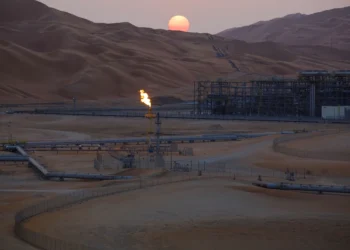 Aramco Surges as East-West Pipeline Counters Gulf Tensions
 High Street Crisis: Fears Grow Over Post Office Closures
 UK Firms Freeze Spending as Iran Conflict Bites
 Reeves to Fast-Track Clean Energy Amid Iran Crisis
 Oil Markets Face ‘Red Zone’ Threat Amid Iran Crisis
 Belfast Approves Pilot Extension of Sunday Trading Hours
 US green card applicants must apply from abroad, DHS says
 Discontent grows around Putin amid war strain
 Tube Strike Brings Capital to a Standstill Over Shift Disputes
 BP Stands Firm on Amanda Blanc Amid Boardroom Storm
 UK House Prices Drop For Third Month Due To War Fears
 GSK Secures Landmark $10.6bn Deal for Nuvalent
 AI Scams Push UK Investment Fraud Past £220m
 Sainsbury’s Boss Optimistic As Grocery Inflation Eases
 Ukraine Creates Long-Range Strike Command
 Thames Water Future Remains Uncertain Amid Funding Crunch