Published: 28 April 2026. The English Chronicle Desk. The English Chronicle Online.
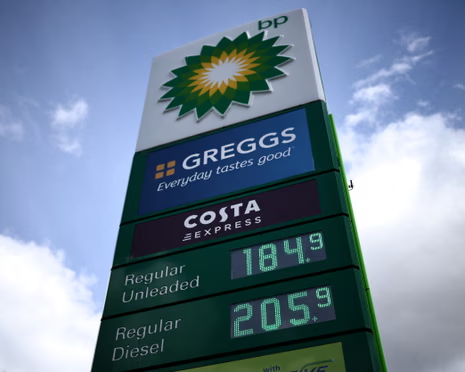
The global energy landscape faces immense turbulence as conflict continues to reshape regional stability. BP has recently reported quarterly profits that have more than doubled during this period. This dramatic financial leap follows a sharp surge in oil and gas market prices. These price increases are directly linked to the ongoing war involving Iran today. The energy giant stated on Tuesday that underlying profits reached impressive new levels. Specifically, profits for the first quarter hit a total of three billion dollars. This figure represents an increase of over one hundred thirty percent since last year. Such financial success marks the highest quarterly profit observed since early twenty-twenty-three. These figures significantly outstripped the original financial forecasts predicted by experts in London.
The company was recently hit by a notable shareholder rebellion only last week. Despite this internal pressure, BP indicated that their profits were driven by excellence. They highlighted an exceptional contribution from their specialized oil trading units this quarter. This reported jump in profits sparked an immediate backlash from several campaign groups. Critics are expressing deep frustration regarding the timing of these record-breaking financial returns. Oil prices have risen quite rapidly since the war began in late February. The vital shipping channel of the Strait of Hormuz remains effectively blocked now. This blockage has severely hampered the normal flow of energy resources globally today.
Brent crude rose over two percent on Tuesday to reach higher price levels. This represents the highest value seen since the ceasefire agreement earlier this month. In her first results as chief executive, Meg O’Neill addressed the situation. She joined the firm at a time when the industry operates under stress. O’Neill noted that the sector plays a vital role in keeping energy flowing. She praised employees who have been working relentlessly to keep assets producing safely. The company is actively working with customers and governments to distribute fuel supplies. They aim to minimize the disruption that impacts the daily lives of citizens.

However, fears are growing over potential shortages of essential jet fuel stocks globally. The ongoing conflict could lead to a significant number of future flight cancellations. Experts warn that the ripple effects will be felt across many diverse sectors. Patrick Galey from Global Witness expressed severe concern over these rising company profits. He stated that it is horrifying to watch profits grow while people suffer. Millions are dealing with the fallout from the intense conflict occurring right now. He recalled similar patterns seen when Russia invaded Ukraine four years ago today. Big oil firms secured massive profits while fuel costs continued to spiral upward.
Maja Darlington, a climate campaigner for Greenpeace UK, offered a very sharp critique. She stated that the war is a disaster for everyone but the industry. BP’s profits are booming while many households face much larger energy bills now. The situation serves as a stark reminder of the current global energy reality. Households across the United Kingdom are bracing for higher costs very soon indeed. Bills are forecast to reach nearly two thousand pounds starting this coming July. This occurs when the next quarterly price cap on electricity charges takes effect. The disparity between company gains and household struggles remains a very contentious issue.
Simon Francis, coordinator of the End Fuel Poverty Coalition, shared his strong opinion. He believes these astronomical profits are a startling reminder of current market failures. When conflict drives up the price of oil, energy companies profit greatly today. Meanwhile, ordinary households must pay the heavy price for these geopolitical market shocks. Francis argued that the results show why the windfall tax is necessary. He believes the government must respond with urgent support for the hardest-hit households. Accelerating the shift to a renewables-led energy system is another crucial step forward. Such a transition would help insulate people from volatile exposure to global markets.
The Chancellor, Rachel Reeves, has already ruled out offering universal support programs now. Previous help provided by the government during past crises will not be repeated. She emphasized that any future assistance would be targeted at the poorest households. This policy choice highlights the difficult balancing act currently facing the national government. BP’s customers and products division reported profits of two and a half billion. This is a massive increase compared to the very low figures last year. The company noted that fuel margins remain sensitive to current supply costs. Ongoing conditions in the Middle East will continue to influence these market figures.

BP expects upstream production for twenty-twenty-six to be lower due to the conflict. Operational challenges are expected to persist throughout the remainder of this difficult year. Net debt has risen to over twenty-five billion dollars during this reporting period. This increase was pushed up by lower operating cash flow for the company. Despite these complexities, shares in BP rose two percent in early Tuesday trading. Investors seem to be reacting to the strong profit margins reported today. The energy market remains caught in a cycle of geopolitical uncertainty and fluctuation. Consumers continue to monitor the rising costs of fuel with great concern daily.
The wider implications of this conflict remain a major focus for global leaders. Energy security is once again at the top of the international political agenda. Governments are struggling to balance the need for reliable power and affordability. Companies like BP find themselves in the middle of this challenging economic storm. Public scrutiny of corporate behavior will likely increase in the coming months ahead. Policy makers will need to find sustainable solutions to protect vulnerable citizens everywhere. The energy transition may become even more vital in this new global climate. Stability in energy markets is essential for long-term economic growth and human prosperity. As the world watches, the impact of these events will continue unfolding rapidly. The English Chronicle will continue to provide updates on this developing energy situation. Future reports will detail how government policies shift in response to these pressures.
Related News:
 UK Experts Raise Alarm Over Machinery Export to Armenian Firm
 Caffè Nero Warns Coffee Prices May Rise Again
 Middle East Conflict Risks UK Food Supply Chains This Summer
 UK Urged to Build EU Rejoin Consensus, Says Miliband
 Steel Tensions Rise Between United Kingdom and European Union
 EU Slashes Steel Quotas But Grants UK Favourable Rates
 Reeves Faces Setback as Labour May Miss Homes Target
 Trump’s UK Ambassador Urges North Sea Drilling to Strengthen US Ties
 M&S Profits More Than Halve After Cyber-Attack
 Tony Blair think tank warns Rachel Reeves must cut taxes if manifesto broken
 Millionaires group urge Reeves to introduce wealth tax to ‘lift kids out of poverty’
 Global markets drop amid tech sell-off and China slowdown
 Mossmorran Plant Closure Hits Cowdenbeath Hard
 Starmer Says Labour’s Economic Plan Needs Years to Deliver
 Virgin Media Fined £23.8m Over Telecare Safety Failures
 Rising Water Bills Lift Troubled Thames Back to Profit
 Starmer Faces Parliamentary Battles Over UK-EU ‘Reset’ Plan
 Phoenixism Costs UK Taxpayers Millions in Recruitment Sector
 British skier killed in La Plagne avalanche tragedy
 ScottishPower Tops List of Worst UK Energy Suppliers
 City & Guilds pay surge sparks backlash amid £22m cuts
 UK Government Borrowing Drops to £11.6bn in December
 AI job losses UK: Britain faces sharper employment shock
 India-EU Free Trade Deal Marks Historic Economic Shift
 UK economy struggles as growth stalls at 0.1% in late 2025
 UK Unemployment Rate Climbs to 5.2% Peak
 UK shelves £110m border project amid trade strain
 UK Inflation Surprise Sparks Early Rate Cut Hopes
 Reeves Must Back Defence Plan or Face Dismissal, Says Unite Chief
 Switching Energy Deal Can Save £200 as Price Cap Falls
 Rachel Reeves Faces Middle East Conflict Test
 Grocery Inflation Rises Amid War Fears
 Peak Greggs fears as profits tumble sharply
 UK suspends study visas for four nations to curb asylum
 Jordanian Arrested in Philippines Over Bondi Beach Terror Links
 BrewDog sold Highland estate for knockdown price after abandoning reforestation plans
 Ukraine war briefing: Zelenskyy offers help to Saudi Crown prince on combatting Iranian drones
 Yorkshire Water Funding Sparks Debate Amid Fines and Pay Row
 Abramovich Chelsea Sale Cash Faces Jersey Probe
 Starmer Praised for Stance on Trump and Iran Conflict
 UK Energy Reform Could Cut Bills by £200
 Rising Costs Force Families to Rethink Days Out
 Trump Slams Europe as Transatlantic Tensions Boil Over
 Hospitality Sector Teeters on Brink as Costs Surge
 Trump Facing Backlash Over Firing of Cabinet Women
 US and Iran Agree to Two-Week Provisional Ceasefire
 Melania Trump Denies Ties to Epstein and Ghislaine Maxwell
 Aegon Sells Historic UK Arm to Standard Life for £2bn
 UK Staycations Rise as Travel Fears Grow
 Trump Starts $166bn Tariff Refund Process
 Prominent Voices Challenge Palestine Action Ban
 Ukraine Urges UK to Seize Russian Oil Tankers
 Heathrow Chair Seeks Peace to Save Third Runway
Carillion Executives Banned After Reckless Misconduct
Heathrow Chair Seeks Peace to Save Third Runway
Carillion Executives Banned After Reckless Misconduct
 Millionaires Back Higher Taxes to Save UK Public Services
 Big Tobacco Under Fire Over Controversial New Ad Campaign
 UK Firms Freeze Spending as Iran Conflict Bites
 Summer Shock: British Energy Bills Set for Grim July Hike
 Reeves to Fast-Track Clean Energy Amid Iran Crisis
 M&S Boss Slates Food Price Caps as ‘Preposterous’
 Uefa Transforms Men’s Major Tournament Qualification
 Tube Strike Brings Capital to a Standstill Over Shift Disputes
 BP Stands Firm on Amanda Blanc Amid Boardroom Storm
 Teaching Machines Right From Wrong in the Digital Age
 UK House Prices Drop For Third Month Due To War Fears
 Top Chefs Back Andy Burnham to Save UK Hospitality Sector
 UK Steel Crisis: Jingye Demands Payout After Takeover
 Flutter to Cancel London Stock Exchange Share Listing
 AI Scams Push UK Investment Fraud Past £220m
 Thames Water Nationalisation Pushes Closer After Rescue Objected
 Russian Tanker Captain Remanded in UK Court After Channel Seizure
 Controversial London Property Show Sparks Legal Fury
 Andy Burnham Enlists Economic Heavyweights for Leadership Bid
 What Burnham in Number 10 Means for the Future of Britain
 Scouts Introduce Badges For AI And Digital Skills
 Rethinking the Blueprint for Youth Employment in Britain
 Sainsbury’s Boss Optimistic As Grocery Inflation Eases
 UK Households Suffer Squeeze As Disposable Incomes Drop
 Bank of England Eases Rules Despite Rising AI Risks
 BBC Faces Real Jeopardy as Licence Fee Income Declines