Published: 21 April 2026. The English Chronicle Desk. The English Chronicle Online.
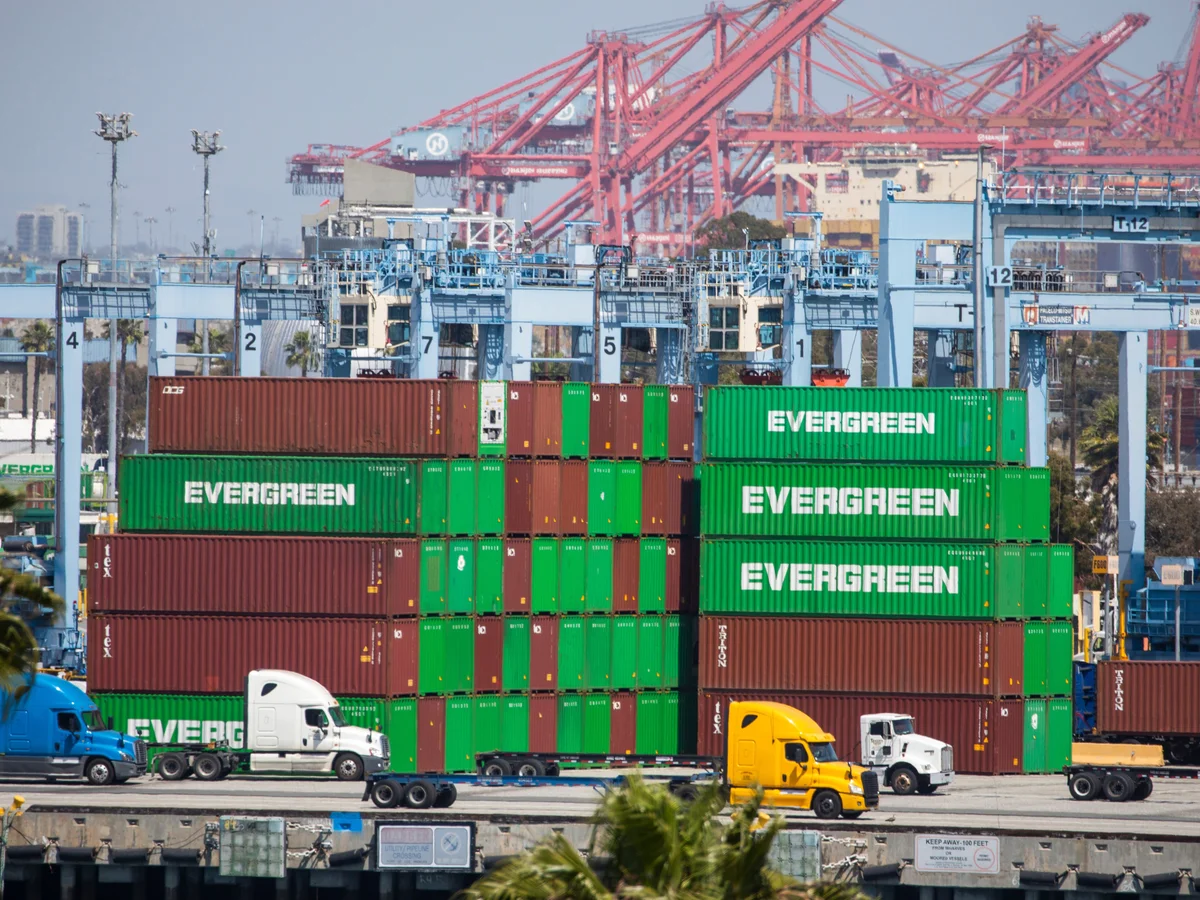
The Trump administration has officially opened a vital digital gateway for companies seeking massive financial restitution. This new portal is designed to manage the refund of more than $166bn in collected import tariffs. The launch follows a definitive ruling from the supreme court earlier this year regarding executive authority. Chief Justice John Roberts wrote that the emergency statute invoked lacked the necessary power for implementation. That landmark February decision effectively invalidated the expansive trade levies that had burdened many global importers. The administration chose to call this specialized digital claims system by the name of Cape today. Officials stated in recent court filings that this system handles sixty-three percent of current filings. They intend to integrate the remaining percentage of claims into the digital platform at later dates. Customs officials admitted they had to build this entire processing infrastructure from the ground up recently. The agency struggled with technical hurdles including the lack of direct deposit mechanisms for most importers. Constructing this massive new system required significant effort from customs workers over the past few weeks. This represents a complex operational challenge for an administration facing intense pressure from the business community.
 More than three thousand companies have already filed lawsuits to secure their rightful tariff refund payments. Many businesses acted preemptively by launching legal cases well before the supreme court announced its verdict. This level of litigation highlights how much confidence the business community held in their legal arguments. Major global corporations like Skechers, Toyota, and Nintendo of America are among the high-profile plaintiffs. Other industry giants including FedEx and Costco have also joined this significant push for government reimbursements. These corporations view these funds as essential capital that was incorrectly removed from their operational budgets. The legal clarity provided by the supreme court has paved the way for these urgent claims. It remains a historic moment for international trade law and the limits of executive power today. Only companies that officially paid the tariffs are legally eligible to claim these specific tax refunds. These entities are predominantly comprised of large importers and major corporations with extensive global supply chains. The general public who ultimately absorbed these costs has no direct recourse for any financial recovery. Most ordinary shoppers witnessed these tariffs translate into higher prices for clothing and various electronics items.
Whether average Americans see any financial benefit depends entirely on the choices of these large businesses. Some corporations have made public commitments regarding how they will handle these significant incoming cash inflows. FedEx stated it plans to pass the refunds directly back to customers who used their services. They acknowledge that those customers were the ones who truly footed the bill for these tariffs. Costco suggested that it might lower its retail prices if it successfully receives the requested money. However, some shoppers have already initiated legal action against the retailer regarding these vague financial promises. These customers are currently unconvinced that general promises of cheaper goods provide sufficient compensation for them. The reality remains that the administrative process is centered strictly on the original importers of record. This leaves the broader consumer base largely reliant on corporate goodwill to see any potential relief. Businesses can expect to wait between sixty to ninety days from submitting their required formal paperwork. The process begins with the customs and border protection agency reviewing each individual claim for accuracy. Once validated, the funds will be transferred directly to the designated business accounts for those companies.

The initial phase of the Cape system does have some notable limitations for many potential applicants. It will only process refunds for entries that are unliquidated or liquidated within the past eighty days. Businesses with goods currently tied up in legal disputes or anti-dumping investigations face significant delays today. These complex customs processes are not yet covered under the current functional phase of the website. Customs officials have stated that they are working to expand the capabilities of this system daily. They aim to incorporate these complicated claim types into future updates of the digital claims portal. Investors and legal experts are closely monitoring how the government manages these massive financial obligations moving forward. There is considerable concern regarding the pace at which the administration can issue these total refunds. Hedge funds have even begun entering the market to purchase tariff refund claims from smaller businesses. These funds provide immediate cash in exchange for the rights to the future government refund payments. This financial activity underscores the uncertainty surrounding the actual timing of these long-awaited federal government reimbursements.
The supreme court ruling that forced this massive refund remains a highly debated topic in Washington. Supporters of the ruling argue that it restores essential congressional oversight over the nation’s tax policy. They believe that allowing presidents to use emergency statutes for tariffs creates dangerous economic unpredictability for everyone. Dissenting justices argued that such judicial intervention could complicate essential executive responses during true national emergencies. The case has sparked a broad conversation about the constitutional limits of the executive branch’s power. Regardless of the political debate, the administrative reality is that thousands of claims must be processed. The total sum involved is staggeringly high and represents a major shift in federal trade policy. Both the administration and the business community are navigating uncharted waters with this massive repayment operation. It will take time to see the full economic impact of this multi-billion dollar shift today. Markets are watching closely as these companies begin their formal submissions to the new Cape portal. The final outcome of these refunds will shape trade relations for many years into the future. For now, the focus is squarely on the successful operation of this complex digital infrastructure system.
Related News:
 Ukraine war briefing: Zelenskyy offers help to Saudi Crown prince on combatting Iranian drones
 UK Urged to Adopt ‘Trade Bazooka’ Against Tariff Threats
 Fear and Betrayal: The Chilling Case of Kouri Richins
 Capitol Attack Anniversary Sparks Deep Political Divide
 British skier killed in La Plagne avalanche tragedy
 Trump targets Iran trade with 25% tariff warning
 Trump Receives Machado’s Nobel Medal in White House Meeting
 China embassy London approval expected this week
 UK Presses On With Chagos Handover Despite Trump Criticism
 Shinzo Abe’s killer receives life sentence in Japan
 Thousands Protest ICE Operations in Nationwide US Day of Action
 Epstein Files Reveal Trump Officials’ Emails with Financier
 Thousands Protest ICE in New York Against Trump Deportation Campaign
 US-Cuba Negotiations Shift as Oil Blockade Looms
 Sydney Protest Pepper Spray Clash During Herzog Visit
 UK Experts Raise Alarm Over Machinery Export to Armenian Firm
 California Democrats Vow Trump Reckoning
 UK suspends study visas for four nations to curb asylum
 Jordanian Arrested in Philippines Over Bondi Beach Terror Links
 Thousands Protest Iran Strikes Outside US Embassy London
 US Bombers Arrive at RAF Base Amid Rising Iran Tensions
 UK Prepares Aircraft Carrier for Middle East Crisis
 HMS Dragon to Head to Cyprus Amid Rising Tensions
 Starmer Praised for Stance on Trump and Iran Conflict
 Yvette Cooper: UK Must Follow Principles, Not US Pressure
 Inside the Deceptive Machine: A Former Producer Speaks Out
 Trump Facing Backlash Over Firing of Cabinet Women
 Trump Mocks Starmer and UK Carriers in White House Speech
 Can King Charles Calm Trump on Key US Visit?
 Gaza Child Arrives in UK for Life-Changing Care
 Melania Trump Denies Ties to Epstein and Ghislaine Maxwell
 Congresswoman Condemns Trump Over Iran Conflict
 Trump Signals Hope for New Iran Talks as Ceasefire Fades
 Trump’s Presidency: A House of Cards Collapsing?
 GOP Senator Criticizes Trump’s Feud With Pope Leo XIV
 Prominent Voices Challenge Palestine Action Ban
 Charles Faces Trump Test in High-Stakes US Visit
 BP Profits Surge Amidst Middle East Conflict Crisis
 Aukus Submarine Plan Faces Critical Failures
 USS Gerald R Ford Ends Record Naval Deployment
 Indiana Republicans Defy Trump in Key Vote Test
 Tensions Emerge in Netanyahu-Trump Alliance
 World Cup Ticket Price Surge Leaves Many National Teams Stunned
 Trump in Beijing: The Strongman Fantasy Made Flesh
 Tragedy in the Maldives: Inside the Deep Sea Rescue
 US Ebola Case Sparks Urgent Global Screening Measures
 Trump Tightens Grip on GOP with Primary Victory
 Uefa Transforms Men’s Major Tournament Qualification
 Democrats release 2024 election report amid fierce backlash
 Tulsi Gabbard exits after turbulent intelligence tenure
 UK Urged to Build EU Rejoin Consensus, Says Miliband
 Former ICC prosecutor condemns US sanctions
 Trump Weighs Retreat from Controversial $1.8bn Slush Fund
 Teaching Machines Right From Wrong in the Digital Age
 Steel Tensions Rise Between United Kingdom and European Union
 US Slams ‘Two-Tier’ UK Policing After Nowak Murder
 One Year On: Air India Crash Survivor Demands Answers
 Trump Allies Funded Hidden Network to Discredit US Vote
 UFC at the White House: Glory Marred by Bitter Smears
 The Dreamers Losing Jobs Under Trump’s Red Tape
 Tragedy in Pakistan Sparks Fury
 Trump Urged to Condemn UFC Fighter Over Obama Slurs
 Russian Tanker Captain Remanded in UK Court After Channel Seizure
 Controversial London Property Show Sparks Legal Fury
 Trump Halts Senate Hearing for Intel Pick Jay Clayton
 Kremlin-Backed Saboteurs Target UK Capital and State Democracy
 The Obama Center: Hope and Anxiety on Chicago’s South Side
 US Military Pacific Boat Strike Kills Three People
 What Burnham in Number 10 Means for the Future of Britain
 AI Lawyer Triumphs in Landmark English Court Victory
 Scouts Introduce Badges For AI And Digital Skills
 Morocco Beat Dutch in Wild World Cup Penalty Drama
 FBI Chief Faces Backlash Over Premature Social Media Posts
 The Last Stand of English Cricket’s Greatest Partners
 Trump’s Mount Rushmore Speech: A Divisive Anniversary
 UK Charity Funds Illegal Hebron Settlement Expansion
 US Airman Avoids British Court in Indecent Exposure Case
 Heartbreak After Surrogacy Sperm Mix-Up
 House Democrats Divided Over Israel Military Funding Bid
 Houthis Strike Saudi Arabia as Middle East Tensions Rise