Published: 15 April 2026. The English Chronicle Desk. The English Chronicle Online.
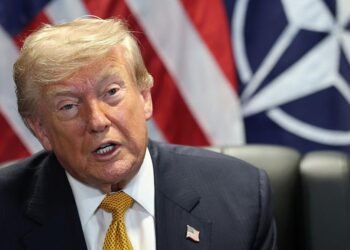
The geopolitical landscape shifted late Tuesday evening as President Donald Trump offered a surprising glimmer of hope regarding the standoff with Tehran. Speaking from the Oval Office, the president suggested that diplomatic efforts might soon resume within the bustling city of Islamabad. This development follows a tense weekend where initial negotiations appeared to crumble under the weight of historical grievances. Many observers feared that the collapse of those talks would lead to an immediate and violent escalation. However, the president now seems intent on testing the waters of high-stakes diplomacy once again very soon. His comments indicate a willingness to return to the table before the current ceasefire period expires.
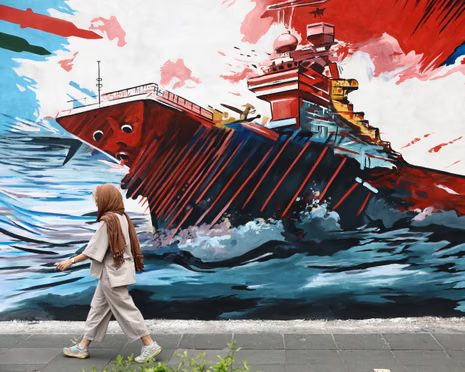
The initial breakdown of discussions led the White House to authorize a strict naval blockade. This aggressive move targeted major Iranian ports to sever the nation’s vital maritime trade routes. Such a maneuver typically signals a final transition from verbal diplomacy to active military confrontation. Yet, in a characteristic turn of events, the president has pivoted back toward a peaceful resolution. He reached out to a reporter on the ground to hint at a secret schedule. These potential meetings are expected to take place over the next forty-eight hours in Pakistan. The timing is critical as the existing two-week ceasefire has only seven days remaining today. Without a breakthrough, the region could face a return to open and devastating naval warfare.
A central figure in this unfolding drama is Pakistan’s powerful army chief, Field Marshal Asim Munir. President Trump has publicly praised the military leader for his sophisticated role as a neutral mediator. The president even referred to Munir as his favorite field marshal during a brief press encounter. This personal rapport between the two leaders appears to be a cornerstone of the process. Munir possesses a unique ability to communicate effectively with both Washington and the Iranian leadership. His connection to the Revolutionary Guards provides a direct line to Iran’s most influential military wings. This bridge is essential because direct communication between the primary adversaries remains fraught with deep suspicion.
The proposed second round of talks in Islamabad represents a high-stakes gamble for the administration. Critics argue that returning to negotiations so quickly after a failure might project a weakness. Conversely, supporters believe that persistent engagement is the only way to avoid a global energy crisis. The blockade has already sent ripples through international oil markets and increased local fuel prices. If the Islamabad summit succeeds, it could redefine the security architecture of the entire Middle East. If it fails, the blockade will likely remain in place as a permanent economic stranglehold. The world now watches the Pakistani capital with bated breath for any sign of progress.

President Trump’s decision to call back a reporter with an update shows his unconventional style. He thrives on maintaining a sense of momentum and unpredictability in his complex foreign policy. By encouraging the press to stay in Islamabad, he has signaled his personal confidence. This optimism contrasts sharply with the somber warnings issued by the State Department earlier this week. It remains unclear if the Iranian delegation has formally agreed to this new timeline yet. However, the president’s public statements often serve as a catalyst for moving stalled diplomatic gears. He seems convinced that his personal brand of deal-making can overcome decades of intense hostility.
The temporary ceasefire has provided a much-needed reprieve for the merchant ships in the Gulf. For thirteen days, the sound of artillery has been replaced by the hum of nervous diplomacy. Residents in coastal regions have lived under the shadow of a potential and sudden naval bombardment. The blockade on Iranian ports served as a stark reminder of how fragile peace is. It showed that the United States is prepared to use its full might if necessary. Yet, the President’s recent pivot suggests he prefers a signature victory over a bloody conflict. He wants to secure a long-term deal that ensures regional stability and American strategic interests.
Field Marshal Asim Munir remains the most important man in the room during these secret sessions. His reputation as a disciplined and pragmatic soldier has earned him respect across the ideological divide. Pakistan has historically navigated the complex rivalry between its neighbors and its Western allies with care. This current mediation effort is perhaps the most significant challenge in the field marshal’s long career. He must balance the demands of a volatile American president with a cautious Iranian regime. Success in Islamabad would elevate Pakistan’s status as a pivotal player on the global political stage. Failure could leave the country caught in the middle of a massive regional firestorm.
The next two days will likely determine the course of international relations for many years. Diplomats are working around the clock to draft a framework that both nations can accept. The core issues include maritime security, economic sanctions, and the future of nuclear development programs. Iran seeks an end to the crushing blockade that has paralyzed its primary shipping hubs. The United States demands verifiable guarantees that international waters will remain safe for all global trade. These are not easy concessions for either side to make in such a short time. However, the urgency of the ticking ceasefire clock is a powerful motivator for both parties.
Public reaction to the news has been a mixture of cautious optimism and deep-seated skepticism. In London, market analysts are monitoring the situation to predict the impact on global trade routes. The English Chronicle has learned that British officials are in close contact with their American counterparts. While the UK supports the diplomatic push, there is concern about the blockade’s long-term effects. A prolonged closure of Iranian ports could lead to significant shortages in various essential global commodities. Therefore, a successful outcome in Islamabad is in the best interest of the international community. Every hour that passes brings the world closer to either a resolution or a war.
As the sun sets over Islamabad tonight, the eyes of the world are fixed there. The president’s hint has transformed a quiet diplomatic mission into a focal point of global news. Whether this second round of talks will yield a different result remains a major mystery. The collapse of the previous session serves as a warning of how easily things can fail. Yet, the presence of a trusted mediator like Munir offers a genuine reason for hope. The president believes in the power of the face-to-face meeting to solve any problem. We will soon see if his unconventional approach can truly deliver a lasting Middle East peace.
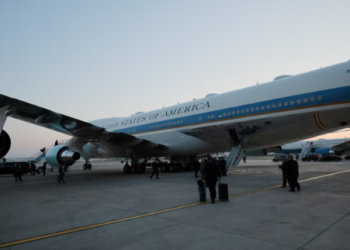
The English Chronicle will continue to provide updates as this fast-moving story develops in Pakistan. Our reporters are monitoring the movements of the presidential aircraft and the Iranian diplomatic envoys. Any shift in the blockade’s enforcement will be reported immediately to our readers across the UK. For now, the world waits for the first signs of movement from the Islamabad summit. The next forty-eight hours are perhaps the most critical moments of the current presidential term. Peace hangs by a very thin thread as the final week of the ceasefire begins. We remain hopeful that diplomacy will ultimately prevail over the looming threat of open conflict.
Related News:
 Trump Receives Machado’s Nobel Medal in White House Meeting
 Thousands Protest ICE Operations in Nationwide US Day of Action
 Epstein Files Reveal Trump Officials’ Emails with Financier
 Thousands Protest ICE in New York Against Trump Deportation Campaign
 Michigan Battleground: Middle East Crisis Stirs US Senate Race
 GOP Senator Criticizes Trump’s Feud With Pope Leo XIV
 Investigation Into Anti-Trump Motives After Gala Shooting
 USS Gerald R Ford Ends Record Naval Deployment
 Trump orders US troop pullout from Germany
 Indiana Republicans Defy Trump in Key Vote Test
 Tensions Emerge in Netanyahu-Trump Alliance
 US judge dismisses Kilmar Abrego Garcia indictment
 Tulsi Gabbard exits after turbulent intelligence tenure
 Former ICC prosecutor condemns US sanctions
 Trump Weighs Retreat from Controversial $1.8bn Slush Fund
 Trump’s Mount Rushmore Speech: A Divisive Anniversary
 House Democrats Divided Over Israel Military Funding Bid
 Houthis Strike Saudi Arabia as Middle East Tensions Rise
 US National Guard Member Killed in DC Shooting
 Mandelson apologises over Epstein ties after public scrutiny
 Government Unveils Northern Powerhouse Rail Plans
 Trump Calls Greenland Critical for US Security After Denmark Talks
 Trump press secretary attacks reporter over ICE question
 Kyrsten Sinema Faces High-Profile Lawsuit Over Marriage Interference
 Iran unrest slows under brutal crackdown and global tensions
 Trump Allies Pursue $200m European Gas Pipeline Deal
 Starmer Challenges US Over Controversial Greenland Deal
 Spoof “Make America Go Away” Caps Rally Denmark Over Greenland
 Trump Fed bid heads to Supreme Court
 Starmer Resists Matching Trump Amid Greenland Tensions
 Snow Threatens Japan Election Turnout Amid Extreme Cold
 Partial US Government Shutdown Hits Homeland Security Funding
 Sinema payment row deepens after $9,000 transfer claim
 US-Cuba Negotiations Shift as Oil Blockade Looms
 Epstein UAE Emails Shake British Royal Andrew’s Legacy
 Nurses’ families fear breakup under UK immigration crackdown
 Ukraine, Russia Meet in Geneva Ahead of War Anniversary
 California Democrats Vow Trump Reckoning
 Trump’s Surgeon General Pick Evades Vaccine Questions
 Tommy Robinson Meets Trump Officials at US State Department
 Adelaide University Faces Backlash Over Event Cancellation
 Ukraine war briefing: Zelenskyy offers help to Saudi Crown prince on combatting Iranian drones
 New Zealand Covid Response Praised Despite Lingering Scars
 Starmer Praised for Stance on Trump and Iran Conflict
 UK Ministers Signal Strategic Independence From Trump Demands
 Big Tech Faces Investigation Over Australia’s Social Media Ban
 Farage Shuns Truss as US Right-Wing Roadshow Hits London
 Reform UK Pledges To Halt Visas Over Reparations Demands
 Trump’s Presidency: A House of Cards Collapsing?
 US Catholics Caught Between President and the Pope
 Global Oil Prices Surge Amid Renewed Gulf Tensions
 Trump Starts $166bn Tariff Refund Process
 Trump at Press Dinner Sparks Tension
 Trump Defiant After Washington Hotel Shooting
 Identity Revealed: Suspected Washington Gunman Named
 Security Scrutiny After Washington Shooting Incident
 UK Envoy Sparks Controversy Over Special Relationship Claims
 Judge halts deportation of Yemeni refugees in US
 Activists allege abuse after Gaza flotilla seizure
 White House Security Case Sparks Political Firestorm
 Trump approval plunges amid Iran war fears
 Ohio’s Battle for Trust: Democrats Vying to Flip the Buckeye State
 US ‘Narco Boat’ Strikes Draw Global Outcry
 Ohio Primaries Set Stage for Crucial Midterms
 Afghan Families Left in Limbo Face Risk of Deportation
 One Nation Candidate’s Surprising Ties to Independents
 US Awaits Iran Reply on New Ceasefire Proposal
 Immigration Judges Fear Pressure in Trump Era
 Tony Abbott Returns as New Liberal Party President
 US green card applicants must apply from abroad, DHS says
 Discontent grows around Putin amid war strain
 DeSantis’s ‘Alligator Alcatraz’ Faces Final Shutdown
 House Curbs Trump’s War Powers in Rare Rebellion
 Trump Urged to Condemn UFC Fighter Over Obama Slurs
 US Military Pacific Boat Strike Kills Three People
 US Courts Back Trump on Park Signage Removals
 Iran Prepares for Massive Six-Day Funeral for Khamenei
 Iran Mourns: Millions at Khamenei’s Final Procession
 Trump Swaps Planes Amid Iran Tensions
 Trump Refuses to Sign Housing Bill, But Law Takes Effect