Published: 20 April 2026. The English Chronicle Desk. The English Chronicle Online.
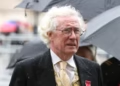
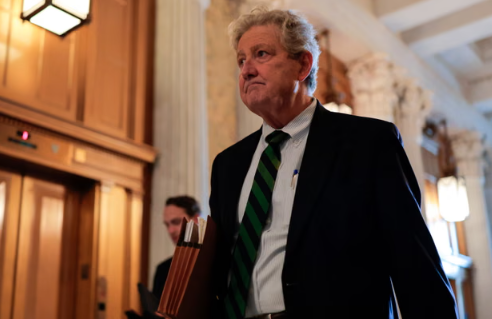
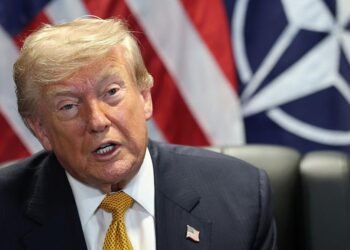
A prominent Republican lawmaker has openly condemned what he describes as Donald Trump’s holy war against Pope Leo XIV. Senator John Kennedy of Louisiana, a longtime supporter of Trump and the ultraconservative movement, made these remarks during a Fox News interview this past Saturday. The senator expressed his discomfort regarding the ongoing verbal attacks the president has directed toward the Catholic leader recently. Although Kennedy has been a loyal ally, he felt compelled to break from the president’s rhetoric in this instance. He explained that while he loves the president like a taco, he disagrees with this specific battle. This unusual phrase quickly captured attention because critics have used the word taco as an acronym for Trump always chickens out. Kennedy insisted that he does not always agree with the president despite believing he seeks a better world.
The senator emphasized his own religious background as a Methodist to provide context for his position on the matter. By distinguishing himself from the first Catholic president, John F. Kennedy, he aimed to clarify his personal perspective clearly. His government biography notes that he and his wife were instrumental in founding their local church chapter quite some time ago. Kennedy added that he maintains great respect for the Catholic faith and believes the pope is entitled to his own opinion. He questioned why the administration would choose to engage in such a fight with the supreme pontiff right now. The senator suggested that the entire conflict serves as a massive distraction from other urgent matters facing the country today. He lamented that the press eagerly absorbs these dramatic moments like a vacuum cleaner consuming dust from a carpeted floor.
 This latest critique arrives as President Trump and Pope Leo XIV remain locked in an increasingly tense, multi-day feud over global affairs. Their disagreement stems primarily from the ongoing war between the United States, Israel, and Iran in the Middle East region. Two weeks ago, the pope responded to a threatening statement from President Trump regarding the potential destruction of Iranian civilization. Trump had warned that a whole civilization would die if the country did not end its blockade of the strait of Hormuz. Pope Leo called those specific remarks truly unacceptable and noted that attacks on civilian infrastructure violate established international law. He further urged all Americans to reach out to their members of Congress to advocate for a peaceful resolution instead.
The president responded to the pope’s plea on social media by describing the leader as weak on crime and terrible for foreign policy. He also stated that he does not want a pope who thinks it is acceptable for Iran to possess a nuclear weapon. The pope has indeed spoken out frequently against the profound horrors that are wrought by the use of nuclear weaponry globally. Interestingly, the president has repeatedly praised Pope Leo XIV’s eldest brother, Louis Prevost, who remains an avid supporter of his policy. Furthermore, Trump recently posted an artificial intelligence image that depicted himself as Jesus Christ, which many Christian supporters found deeply offensive. Several religious groups have publicly denounced the post as blasphemous, adding to the growing friction within his base of support.
Vice President JD Vance, whose recent book details his conversion to Catholicism, has stepped forward to defend the president amid this backlash. He suggested that critics should stick to matters of the church while allowing the president to focus on dictating American public policy. When asked if he agreed with the attacks on the pope, Vance remained firm in his loyalty to the White House agenda. The escalating tension has created a challenging situation for many American Catholics who are caught between their spiritual and political leaders. Despite the pressure, Pope Leo told reporters on Saturday that he has no intention of engaging in a back-and-forth debate. He noted that he has no fear of the current administration and remains committed to his message of global peace.

The public nature of this disagreement continues to fuel speculation about the future of the relationship between the Vatican and Washington. Political analysts are closely watching to see how this dispute might influence upcoming legislative efforts or general public opinion polls. Supporters of the president remain steadfast in their belief that he must maintain a strong stance on global security matters. Conversely, those who support the pope’s position emphasize the importance of moral guidance in an era of complex international instability. The situation remains fluid as both parties navigate the political fallout from these recent exchanges on the world stage. Whether this friction will subside in the coming weeks remains a significant question for observers across the globe.
Related News:
 Trump Receives Machado’s Nobel Medal in White House Meeting
 Thousands Protest ICE Operations in Nationwide US Day of Action
 Epstein Files Reveal Trump Officials’ Emails with Financier
 Thousands Protest ICE in New York Against Trump Deportation Campaign
 Michigan Battleground: Middle East Crisis Stirs US Senate Race
 Trump Signals Hope for New Iran Talks as Ceasefire Fades
 Investigation Into Anti-Trump Motives After Gala Shooting
 USS Gerald R Ford Ends Record Naval Deployment
 Trump orders US troop pullout from Germany
 Indiana Republicans Defy Trump in Key Vote Test
 Tensions Emerge in Netanyahu-Trump Alliance
 US judge dismisses Kilmar Abrego Garcia indictment
 Tulsi Gabbard exits after turbulent intelligence tenure
 Former ICC prosecutor condemns US sanctions
 Trump Weighs Retreat from Controversial $1.8bn Slush Fund
 Trump’s Mount Rushmore Speech: A Divisive Anniversary
 House Democrats Divided Over Israel Military Funding Bid
 Houthis Strike Saudi Arabia as Middle East Tensions Rise
 US National Guard Member Killed in DC Shooting
 Mandelson apologises over Epstein ties after public scrutiny
 Government Unveils Northern Powerhouse Rail Plans
 Trump Calls Greenland Critical for US Security After Denmark Talks
 Trump press secretary attacks reporter over ICE question
 Kyrsten Sinema Faces High-Profile Lawsuit Over Marriage Interference
 Iran unrest slows under brutal crackdown and global tensions
 Trump Allies Pursue $200m European Gas Pipeline Deal
 Starmer Challenges US Over Controversial Greenland Deal
 Spoof “Make America Go Away” Caps Rally Denmark Over Greenland
 Trump Fed bid heads to Supreme Court
 Starmer Resists Matching Trump Amid Greenland Tensions
 Snow Threatens Japan Election Turnout Amid Extreme Cold
 Partial US Government Shutdown Hits Homeland Security Funding
 Sinema payment row deepens after $9,000 transfer claim
 US-Cuba Negotiations Shift as Oil Blockade Looms
 Epstein UAE Emails Shake British Royal Andrew’s Legacy
 Nurses’ families fear breakup under UK immigration crackdown
 Ukraine, Russia Meet in Geneva Ahead of War Anniversary
 California Democrats Vow Trump Reckoning
 Trump’s Surgeon General Pick Evades Vaccine Questions
 Tommy Robinson Meets Trump Officials at US State Department
 Adelaide University Faces Backlash Over Event Cancellation
 Ukraine war briefing: Zelenskyy offers help to Saudi Crown prince on combatting Iranian drones
 New Zealand Covid Response Praised Despite Lingering Scars
 Starmer Praised for Stance on Trump and Iran Conflict
 UK Ministers Signal Strategic Independence From Trump Demands
 Big Tech Faces Investigation Over Australia’s Social Media Ban
 Farage Shuns Truss as US Right-Wing Roadshow Hits London
 Reform UK Pledges To Halt Visas Over Reparations Demands
 Trump’s Presidency: A House of Cards Collapsing?
 Global Oil Prices Surge Amid Renewed Gulf Tensions
 Trump Starts $166bn Tariff Refund Process
 Trump Defiant After Washington Hotel Shooting
 Identity Revealed: Suspected Washington Gunman Named
 Security Scrutiny After Washington Shooting Incident
 UK Envoy Sparks Controversy Over Special Relationship Claims
 Judge halts deportation of Yemeni refugees in US
 Activists allege abuse after Gaza flotilla seizure
 White House Security Case Sparks Political Firestorm
 Trump approval plunges amid Iran war fears
 Ohio’s Battle for Trust: Democrats Vying to Flip the Buckeye State
 US ‘Narco Boat’ Strikes Draw Global Outcry
 Ohio Primaries Set Stage for Crucial Midterms
 Afghan Families Left in Limbo Face Risk of Deportation
 One Nation Candidate’s Surprising Ties to Independents
 US Awaits Iran Reply on New Ceasefire Proposal
 Immigration Judges Fear Pressure in Trump Era
 Tony Abbott Returns as New Liberal Party President
 US green card applicants must apply from abroad, DHS says
 Hormuz Talks Near Critical Stage
 Discontent grows around Putin amid war strain
 DeSantis’s ‘Alligator Alcatraz’ Faces Final Shutdown
 Prosecutor Proposes Law to Combat Election Deceit
 House Curbs Trump’s War Powers in Rare Rebellion
 Trump Urged to Condemn UFC Fighter Over Obama Slurs
 US Military Pacific Boat Strike Kills Three People
 US Courts Back Trump on Park Signage Removals
 Iran Prepares for Massive Six-Day Funeral for Khamenei
 Iran Mourns: Millions at Khamenei’s Final Procession
 Trump Swaps Planes Amid Iran Tensions
 Trump Refuses to Sign Housing Bill, But Law Takes Effect