Published: 5 June 2026
The English Chronicle Desk
The English Chronicle Online
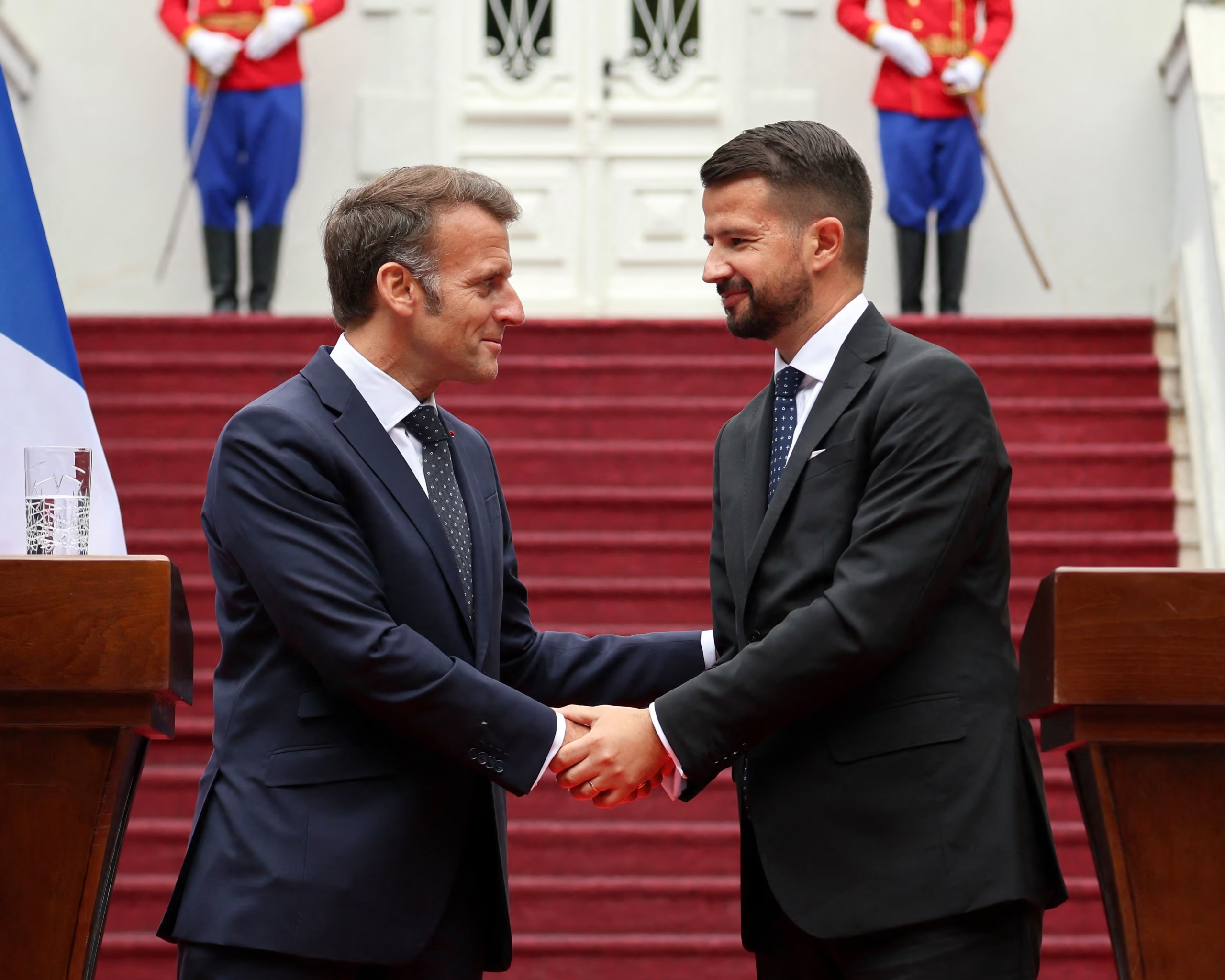
European Union leaders are set to meet with representatives from the western Balkans in a summit aimed at reaffirming the region’s long-term prospects for EU membership amid growing geopolitical tensions and economic challenges.
The gathering is expected to focus on strengthening political cooperation, regional stability, economic integration and reforms required for future accession into the European Union.

Officials say the summit will send a message that the EU remains committed to enlargement despite concerns over slow progress and rising frustration among candidate countries.
Western Balkan nations including Serbia, Albania, Bosnia and Herzegovina, Montenegro, North Macedonia and Kosovo have pursued varying stages of EU integration for years.
European leaders argue that maintaining engagement with the region is strategically important for security, trade and political stability across the continent.
Analysts say the summit also reflects concerns about growing influence from rival global powers seeking stronger economic and political ties in the Balkans.
EU officials are expected to encourage continued reforms involving governance, judicial independence, anti-corruption measures and democratic institutions.
Several Balkan leaders have expressed frustration over the pace of accession negotiations, warning that delays risk weakening public support for European integration.
Economic cooperation, infrastructure investment and energy security are also expected to feature prominently during discussions.
The European Union has increasingly promoted development funding and regional connectivity projects aimed at strengthening links between Balkan economies and the wider European market.
Political observers note that enlargement remains a sensitive issue within parts of the EU, where some member states remain cautious about rapid expansion.

Supporters of enlargement argue that integrating the western Balkans could improve regional stability and reduce long-term political tensions in southeastern Europe.
The summit is expected to conclude with renewed diplomatic commitments supporting the region’s European future while acknowledging that membership remains dependent on continued reforms.
Check Out Our Latest News At>>
Related News:
 Norway Doubles Down on Oil and Gas for Europe Energy Security
 Modi’s London Visit Seals Historic UK-India Trade Pact Amid Global Tensions
 Rachel Reeves to lead UK trade push in Saudi Arabia amid rights debate
 Canada Passes Carney’s First Budget in Tight Parliamentary Vote
 India’s Labour Law Overhaul Sparks Fierce Debate
 Carney’s Alberta Pipeline Deal Sparks Immediate Pushback
 Austrian Airlines Halts Tehran Flights Amid Political Unrest
 EU weighs response amid Greenland tariff crisis with Trump
 EU Says US Ties Have Suffered ‘Big Blow’ After Greenland Crisis
 Macron Rebuked in Franco-German Defence Row
 Japan Braces as Takaichi Begins New Term with Huge Mandate for Low‑Tax, Ultra‑Conservative Agenda
 New Russia Sanctions on Hold as Hungary Blocks EU Package Ahead of Fourth Ukraine War Anniversary
 What Now for Asia After Trump’s Tariffs Were Struck Down?
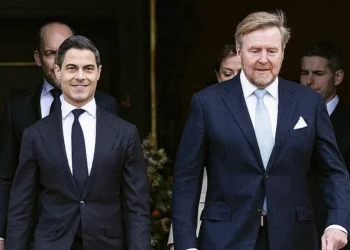 Rob Jetten becomes Netherlands’ youngest ever prime minister
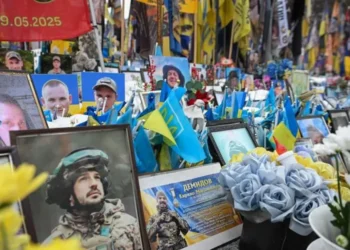 Ukraine remembers its dead as war enters a fifth year
 Spain Declassifies Files on 1981 Attempted Coup in Effort to Dispel Conspiracy Theories
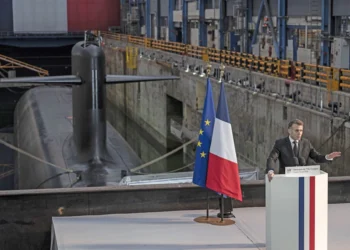 Macron Finds ‘Freedom Fries’ Redemption in Iran Crisis
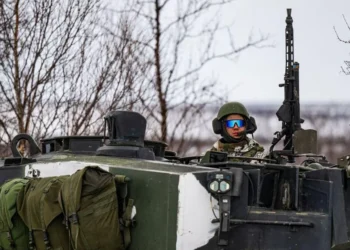 Finland Plans to Lift Decades‑Old Ban on Hosting Nuclear Weapons
 Istanbul Mayor Faces Corruption Trial Amid Political Storm
 Gulf Oil Shock Sends Global Economic Ripples
 Iran Rejects Ceasefire, Warns Trump With Chilling Message
 US Says 16 Iranian Mine Ships Destroyed in Hormuz
 Russia Seeks Gains as Iran War Reshapes Global Politics
 Ukraine War Becomes Flashpoint in Hungarian Election
 PM Seeks to Reassure Australians Over Fuel Supply
 Reeves to Join Emergency G7 Meeting as Oil Hits $116
 Zelensky Looks to Gulf to Protect Him from Putin
 Iran Strikes Kuwaiti Desalination Plant, Killing Worker as ‘Water War’ Escalates
 Epic Fury: The Strategic Logic and Uncertain Horizon of the 2026 Iran War
 Oil and Diplomacy: Russian Refineries Burn as Zelenskyy Secures Middle East Shield
 “A Perfect Storm”: UK Small Businesses Face Doubling Energy Bills as Iran War Rattles Markets
 ‘The Soul of Spain’: Politicians Clash Over Renewed Push to Move Picasso’s Guernica
 The ‘Svuota Londra’ Effect: Why the Super-Rich are Swapping Dubai for Milan
 The $100 Billion Peace: Trump’s ‘Grand Bargain’ Ends Iran Conflict at a Staggering Cost
 ‘A Double-Sided Ceasefire’: Inside the 14-Day Truce Between the US and Iran
 The Great Chokehold: Why the Strait of Hormuz is the Epicenter of the 2026 Crisis
 Global Commerce Crisis: Cooper Demands Immediate, Toll-Free Access to Hormuz
 The Prediction Prohibition: White House Staff Barred from Betting on Political Markets
 Hungary election: Orbán faces biggest test amid scandal
 Market Shock: Oil Surges Past $100 as US Initiates Naval Blockade
 Relief at the Pump: Irish PM Unveils €505m Package to Stem Fuel Crisis
 Diplomatic Deadlock: Lebanon Enters High-Stakes Border Talks with ‘No Cards to Play’
 Trump Slams UK Ties and Threatens To Rewrite Trade Deal
 The Fog of War and the Ticker Tape: Suspicious Trades Rile Washington
 High-Seas Seizure: US Navy Intercepts Iranian Cargo Ship in Gulf of Oman
 ‘Table of Surrender’: Tehran Vows ‘New Cards’ as Islamabad Peace Talks Teeter on Brink
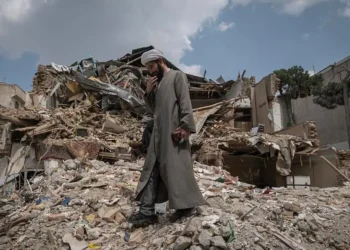 Brinkmanship in Islamabad: Tehran Vows ‘New Battlefield Cards’ as Ceasefire Wanes
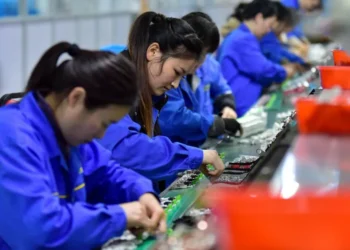 Resilience and Rupture: Why the Middle East Crisis is Succeeding Where Trade Wars Failed
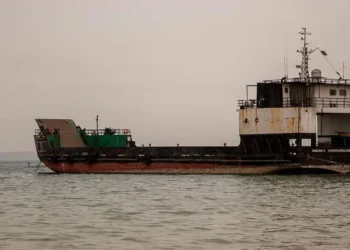 Standoff at the Strait: Iran Rejects Reopening Amid “Flagrant” Ceasefire Breaches
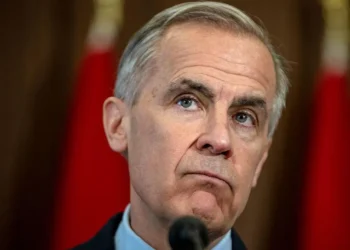 Red Lines in Ottawa: PM Carney Insists US “Won’t Dictate Terms” of Trade Review
 The Digital Iron Curtain: Steve Rosenberg on the Kremlin’s Battle for the Russian Web
 “Industrial-Scale Extraction”: White House Memo Accuses China of Mass AI Theft
 Return of the “Skiffs”: Threat Level Raised as Somali Pirates Seize Second Vessel in a Week
 The “Long Tail” of War: Minister Warns Economic Scarring Could Last Eight Months Post-Conflict
 Southeast Asia Turns to Russia Amid Energy Crisis
 US Calls Australia Media Law “Foreign Extortion”
 Capitalism ‘Suicidal’, Warns Petro at Climate Summit
 Crude Surge: Oil Hits Four-Year High as Trump Weighs “New Options” for Iran
 “The Art of the Withdrawal”: Trump Targets Germany Troops as Iran Row Boils Over
 “Grounded”: Beijing Implements Total Ban on Drone Sales Citing Capital Security
 The Coastal Crossroads: Santa Marta Caught at the Heart of the Global Energy Shift
 The $126 Spike: Oil Hits Four-Year High as Trump Weighs “Powerful” New Iran Strikes
 Global order shifts amid Trump-era turmoil
 Trump Threatens UN Budget Cuts as US Pushes ‘Trade Over Aid’ Agenda
 France Faces Record Presidential Crowded Race Amid Far-Right Surge
 US Awaits Iran Reply on New Ceasefire Proposal
 Beijing Becomes Centerstage for Global Diplomatic Ballet
 Hybrid village stores fight rural decline
 Hormuz Talks Near Critical Stage
 UK Pushes for New EU Goods Trade Deal
 Reeves Fights to Keep Treasury Role Amid Labour Turmoil
 Former ICC prosecutor condemns US sanctions
 Irish Gangland Figure Fails in Dublin Election Bid
 Hungary Targets Oligarchs with Proposed Landmark Wealth Tax
 Deadly Russian Air Raids Strike Across Ukraine
 US House Votes to Curb Trump’s Iran War Powers
 Zelensky Invites Putin to Direct Peace Talks
 Republicans Defy Trump on Ukraine Aid Bill
 Albania Protests Erupt Over Luxury Resort Plan
 Fuel and Supply Crisis Pushes Gaza Toward Collapse