Published: 23 April 2026. The English Chronicle Desk. The English Chronicle Online
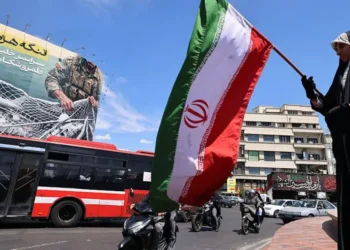
The global hope for a stabilized energy market was shattered today as Tehran announced that the Strait of Hormuz will remain closed indefinitely. Despite a fragile, Pakistani-mediated ceasefire intended to halt the devastating six-week conflict between Iran, Israel, and the United States, Iranian officials have declared it “impossible” to restore freedom of navigation. The Islamic Revolutionary Guard Corps (IRGC) cited what it termed “flagrant and systematic breaches” of the truce by Western forces, specifically pointing to the continued U.S. naval blockade of Iranian ports and recent Israeli air strikes in southern Lebanon.

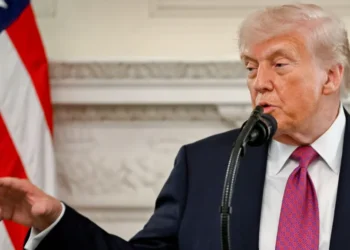
The announcement marks a significant escalation in the “blockade stalemate” that has paralyzed 20% of the world’s oil and liquefied natural gas (LNG) transit. Earlier this week, there were brief signs of a de-escalation when Iran signaled it might allow commercial traffic to resume. However, that olive branch was abruptly withdrawn after President Donald Trump insisted that the U.S. naval blockade—designed to prevent the export of Iranian oil and the import of military materiel—would remain in “full force” until a final, comprehensive peace deal is signed. Tehran has branded this position a “ridiculous spectacle,” arguing that a ceasefire cannot exist while their own maritime trade remains strangled.
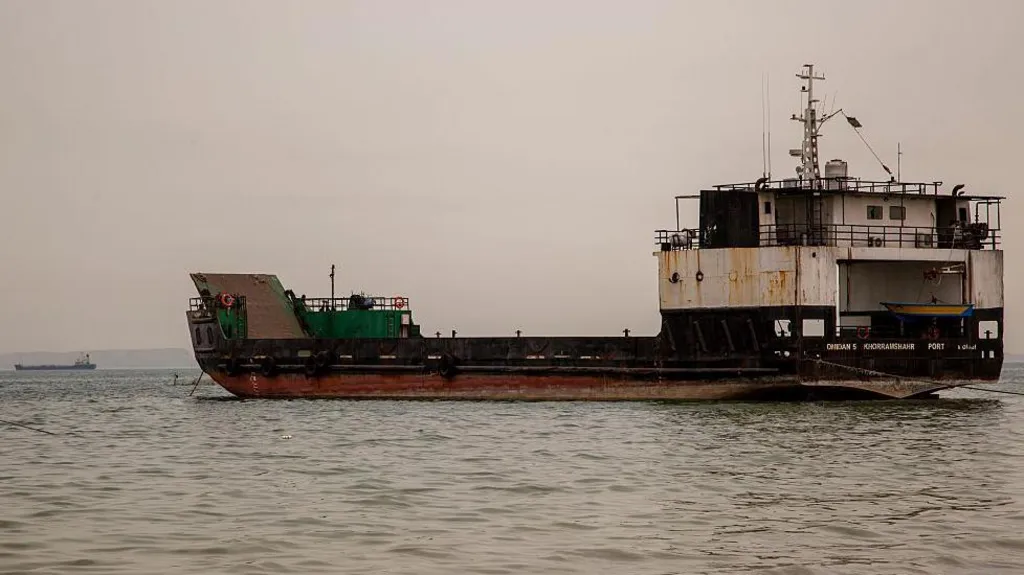
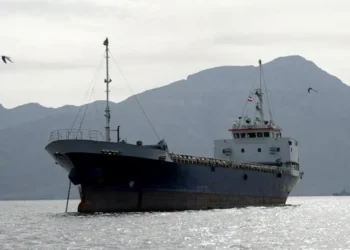
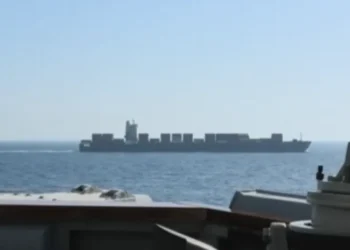
In a move that underscores the volatility of the waterway, the IRGC confirmed on Wednesday that it had seized two more commercial vessels in the Strait, escorting them to the port of Bandar Abbas.
The Accusation: Iran claims these vessels were “cooperating with the enemy” and violating maritime protocols.
The Response: U.S. Central Command (CENTCOM) reported that its forces had directed a total of 31 vessels to turn around or return to port this week as part of its own blockade, creating a literal “no-man’s-land” at sea.
The Danger: Beyond the political posturing, the physical safety of the strait is in doubt. Recent Pentagon intelligence suggests that Iran has “lost track” of some of the thousands of sea mines it deployed in late February, with some drifting into international shipping lanes via GPS-guided technology.
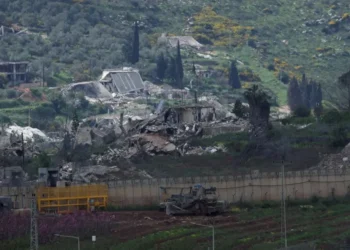
The deadlock is further complicated by the situation in Lebanon. While a separate 10-day truce was established between Israel and Hezbollah on April 16, Iran has tethered the reopening of the Strait to the total cessation of Israeli military activity across the region. The killing of a Lebanese journalist in an air strike yesterday (April 22) was cited by Iranian Parliamentary Speaker Mohammad Bagher Ghalibaf as a “definitive violation” that renders any bilateral negotiations “unreasonable.”

As the original deadline for the ceasefire extension passed last night, the world is left in a state of high-stakes economic limbo. Oil prices, which had begun to dip on rumors of a reopening, have surged back toward $115 a barrel. For the 20,000 mariners currently stranded in the Persian Gulf, the “peace” of the ceasefire feels indistinguishable from the war that preceded it. With the U.S. continuing to bolster its military presence in the region and Iran refusing to yield its only remaining leverage, the Strait of Hormuz remains a silent, steel-trapped gate—a bottleneck that is slowly choking the global economy.
Related News:
 Modi’s London Visit Seals Historic UK-India Trade Pact Amid Global Tensions
 Rubio Calls Russian Oil Imports a Strain on India-US Relations
 Rachel Reeves to lead UK trade push in Saudi Arabia amid rights debate
 Canada Passes Carney’s First Budget in Tight Parliamentary Vote
 India’s Labour Law Overhaul Sparks Fierce Debate
 Carney’s Alberta Pipeline Deal Sparks Immediate Pushback
 Austrian Airlines Halts Tehran Flights Amid Political Unrest
 Trump Administration Probe of Fed’s Powell Draws Pushback
 Mark Carney Walks Diplomatic Tightrope on China Visit
 ‘Repatriate the Gold’: Germany Debates Bringing Reserves Home
 Japan Braces as Takaichi Begins New Term with Huge Mandate for Low‑Tax, Ultra‑Conservative Agenda
 US Trade Deficit Hits Fresh High Despite Trump’s Tariffs
 What Now for Asia After Trump’s Tariffs Were Struck Down?
 Gulf Oil Shock Sends Global Economic Ripples
 Iran Rejects Ceasefire, Warns Trump With Chilling Message
 US Says 16 Iranian Mine Ships Destroyed in Hormuz
 Russia Seeks Gains as Iran War Reshapes Global Politics
 Trump Faces New Warning Signs as Iran War Hits Home
 PM Seeks to Reassure Australians Over Fuel Supply
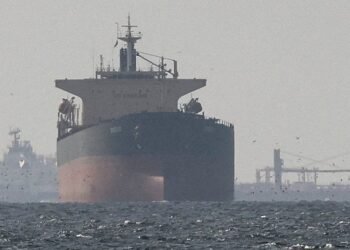 Reeves to Join Emergency G7 Meeting as Oil Hits $116
 Zelensky Looks to Gulf to Protect Him from Putin
 Iran Strikes Kuwaiti Desalination Plant, Killing Worker as ‘Water War’ Escalates
 Trump to Deploy “God Squad” Over Gulf Wildlife Protections
 The ‘Islamabad Initiative’: How Pakistan Won Over Trump as a Key Mediator
 Epic Fury: The Strategic Logic and Uncertain Horizon of the 2026 Iran War
 UK-Led 35-Nation Summit Seeks to Break the Hormuz Deadlock
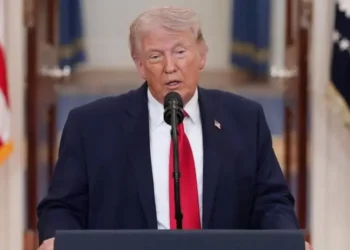 “Region Will Burn”: Iran Issues Defiant Retaliation Warning After Trump’s Expletive-Laced Deadline
 The “Citrus” Shift: Marmalade to be Legally Rebranded in Post-Brexit Food Realignment
 Oil and Diplomacy: Russian Refineries Burn as Zelenskyy Secures Middle East Shield
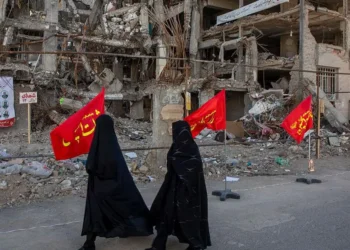 “A Perfect Storm”: UK Small Businesses Face Doubling Energy Bills as Iran War Rattles Markets
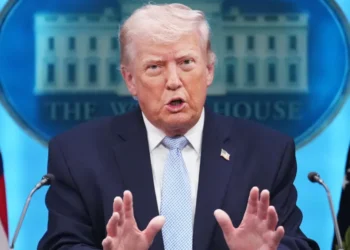 The $100 Billion Peace: Trump’s ‘Grand Bargain’ Ends Iran Conflict at a Staggering Cost
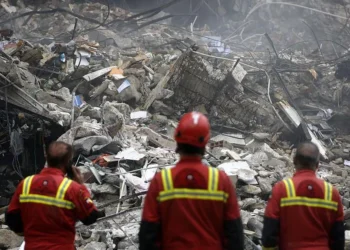 ‘A Double-Sided Ceasefire’: Inside the 14-Day Truce Between the US and Iran
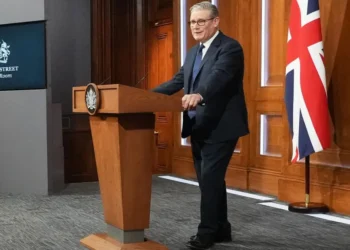 Diplomatic Sprint: Starmer Heads to the Gulf as 14-Day Truce Holds
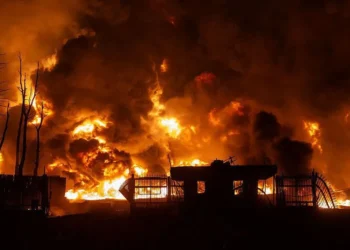 The Horns of Dilemma: Why the 2026 Iran War Ignited and Where It Goes Next
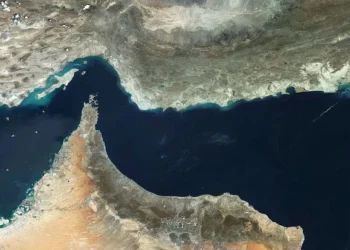 The Great Chokehold: Why the Strait of Hormuz is the Epicenter of the 2026 Crisis
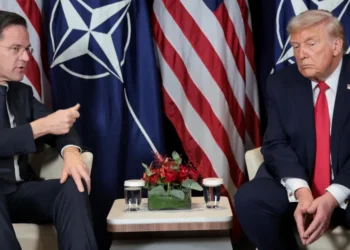 Tectonic Tension: Trump Blasts NATO Costs as Rutte Admits to ‘Very Frank’ Exchange
 Global Commerce Crisis: Cooper Demands Immediate, Toll-Free Access to Hormuz
 Midnight Fire: Israel and Hezbollah Exchange Strikes as Trump Lashes Out at Tehran
 The Prediction Prohibition: White House Staff Barred from Betting on Political Markets
 Market Shock: Oil Surges Past $100 as US Initiates Naval Blockade
 The Vance Verdict: How the Vice President Navigated the Islamabad “Pressure Cooker”
 The Blockade Gambit: Trump’s High-Stakes Threat Leaves Middle East Predicaments Unchanged
 Relief at the Pump: Irish PM Unveils €505m Package to Stem Fuel Crisis
 The Liberal Gamble: Carney’s Majority Quest Hits the ‘Poilievre Wall’
 The Atlantic Rift: Starmer Pledges UK Neutrality in Iran Port Blockade
 The Budapest Ripple: Katya Adler on Hungary’s ‘Jubilation’ and the Cold Shoulder from Moscow
 Diplomatic Deadlock: Lebanon Enters High-Stakes Border Talks with ‘No Cards to Play’
 Trump Slams UK Ties and Threatens To Rewrite Trade Deal
 ‘Never’: Senior Lawmaker Vows Tehran Will Maintain Grip on Strait of Hormuz
 The Fog of War and the Ticker Tape: Suspicious Trades Rile Washington
 High-Seas Seizure: US Navy Intercepts Iranian Cargo Ship in Gulf of Oman
 ‘Table of Surrender’: Tehran Vows ‘New Cards’ as Islamabad Peace Talks Teeter on Brink
 Brinkmanship in Islamabad: Tehran Vows ‘New Battlefield Cards’ as Ceasefire Wanes
 ‘I Get it in Writing’: Trump Extends Iran Ceasefire Amid Frantic Islamabad Push
 Resilience and Rupture: Why the Middle East Crisis is Succeeding Where Trade Wars Failed
 UK Must Act with Courage and Clarity on Israel-Palestine Conflict, Says Foreign Affairs Committee Report
 Russia’s Latest Push to Win US Favors Shows Deep Desperation
 Trump’s UK Ambassador Urges North Sea Drilling to Strengthen US Ties
BBC to Apologise Over Edited Trump Speech Amid Backlash
Trump’s UK Ambassador Urges North Sea Drilling to Strengthen US Ties
BBC to Apologise Over Edited Trump Speech Amid Backlash
 Millionaires group urge Reeves to introduce wealth tax to ‘lift kids out of poverty’
 Greene Pushes Epstein Files Amid Trump Fallout
 Shadow Fleet at Sea: Europe’s Battle Against Illicit Oil Shipping
 Starmer Says Labour’s Economic Plan Needs Years to Deliver
 American Citizen Killed in Cuba Boat Shooting, U.S. Officials Say
 Iran’s Regime Still Intact — Coming Days Will Test Its Survival
 Finland Plans to Lift Decades‑Old Ban on Hosting Nuclear Weapons
 Trump Pressures Congress Over Save America Act
 Iran War Puts Trump at Political Risk Amid Rising Prices
 Queensland Protest Laws Spark Free Speech Backlash
 Trump Nato threats expose Iran strategy vacuum
 Sri Lanka Sets Weekly Shutdown to Save Fuel
 Trump Facing Backlash from Epstein Survivors Over Files
 UK Forces Ready to Seize Russian Shadow Fleet Vessels
 Trump Considers Military Operation to Seize Iran’s Uranium
 The 8 Million Dilemma: Why Britain’s Disability Safety Net is Facing a ‘2026 Reckoning’
 Report Says Pezzullo Acted ‘Recklessly’ in Dealings
 Asian Powers Secure Energy Lifelines as Trump’s Hormuz Deadline Looms
 Electric Shock: Australians Buy Record Number of New EVs as Fuel Crisis Bites
 Moldova River Crisis Exposes War’s Hidden Cost
 ‘A Fragile Calm’: Oil Prices Dip as Trump Extends Iran Ceasefire, But Blockade Holds Firm