Published: ২৭ October 2025. The English Chronicle Desk. The English Chronicle Online.
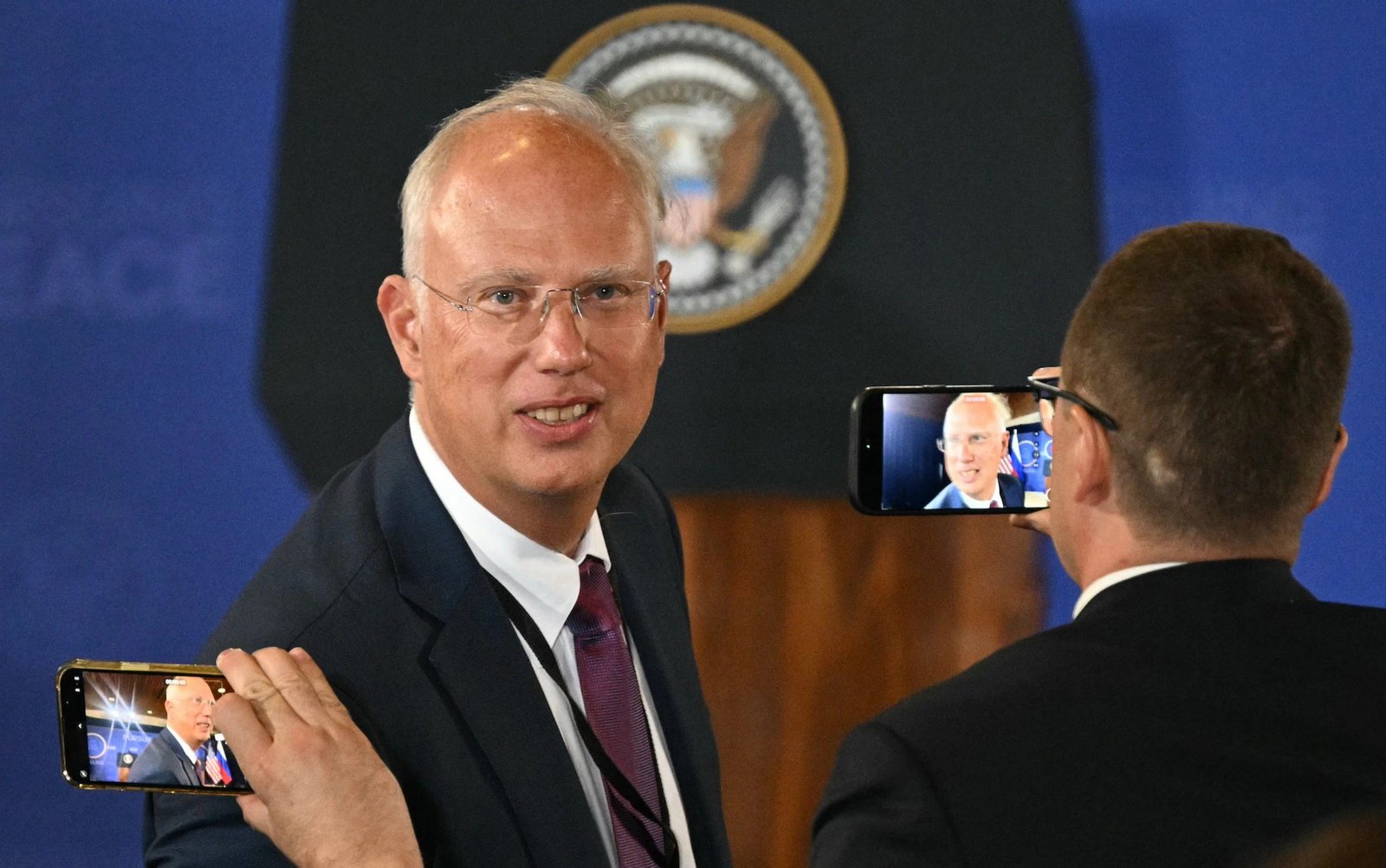
In a bid to salvage rapidly deteriorating ties with Washington, Russia dispatched Kirill Dmitriev, the Kremlin’s top economic envoy, to the United States in what experts describe as a desperate attempt to influence US policy. Dmitriev, a Stanford-educated former Wall Street executive, arrived with a high-stakes mission: to demonstrate Moscow’s willingness to engage in constructive dialogue, even as the backdrop of escalating sanctions and stalled diplomacy painted a bleak picture for Russian-American relations.
The immediate context for Dmitriev’s mission was grim. A phone call between Russia’s foreign minister, Sergei Lavrov, and US Secretary of State Marco Rubio reportedly ended poorly, and a scheduled meeting between President Vladimir Putin and former US President Donald Trump, initially set to occur within two weeks, was abruptly shelved. US frustrations with Russia had reached a new height, following Moscow’s refusal to support a ceasefire in Ukraine and the imposition of punitive sanctions targeting the country’s largest oil companies, Lukoil and Rosneft.

The sanctions, intended to cripple Russia’s critical energy sector, struck at the very heart of Moscow’s financial lifelines. Oil revenues have long been a central pillar of the Kremlin’s capacity to sustain its military operations in Ukraine, and the latest measures were seen as a direct and symbolic strike, described by some analysts as a “battleship” blow aimed at sending a clear message of American resolve.
“The decision to send Kirill Dmitriev to Washington immediately after these sanctions is a sign of how rattled Putin is,” said Sir William Browder, an American-born British financier and outspoken political activist. “It signals the Kremlin’s recognition that its influence over the US is waning and that traditional channels of negotiation are no longer yielding results.”
According to Russian sources cited by AFP, Dmitriev held a series of meetings in Washington and Miami over the weekend, attempting to engage US officials in discussions about restoring economic cooperation. However, key figures including Trump, Rubio, and Treasury Secretary Scott Bessent were away on a tour of Asia, leaving Dmitriev to meet with lower-profile intermediaries, including Steve Witkoff, a former US peace envoy whose role in Russia-related negotiations has been reportedly diminished.
Despite the lack of high-level interlocutors, Dmitriev attempted to portray Russia as committed to dialogue, though he lamented unnamed forces allegedly working to undermine reconciliation efforts. “We’re seeing titanic attempts to disrupt any dialogue between Russia and the US, and to spread disinformation,” he said, reflecting both frustration and the difficulty of conducting meaningful diplomacy under the current strained conditions.
Observers point out that Dmitriev’s trip exemplifies the Kremlin’s reactive approach, often reaching out to Washington only when significant threats arise. Recent interactions indicate that Putin has tended to initiate contact when facing strategic pressure, such as the US’s consideration of supplying long-range Tomahawk missiles to Kyiv. In that instance, Putin personally phoned Trump, who subsequently appeared to moderate the planned sale, and even announced peace talks in Budapest. However, these efforts were ultimately stymied when Ukraine’s President Volodymyr Zelensky rejected proposals for territorial concessions in the Donbas region, insisting that only a ceasefire along existing lines would be acceptable.
While the Tomahawk issue did not materialize, Washington moved ahead with measures aimed at economically constraining Russia. The sanctions on Lukoil and Rosneft were followed by reports from Beijing that China would reduce its purchases of Russian oil. India, facing secondary US trade tariffs, also signaled a cutback in its acquisitions of Russian crude. Combined, these developments struck at roughly 85 percent of Russia’s oil export market, creating a potentially crippling shortfall for the Kremlin’s budget.
Against this backdrop, Dmitriev’s mission appeared increasingly urgent yet ultimately constrained. His meetings in the US reportedly included discussions with members of the Republican Party sympathetic to Russia or supportive of peace talks, particularly those advocating for a swift end to the conflict in Ukraine. However, these interactions, which included symbolic gestures such as presenting a copy of Great Words of a Great Man, a collection of Putin’s quotations, along with flowers and chocolates to Representative Anna Paulina Luna, were unlikely to reverse the trajectory of US policy.
Analysts argue that the visit underscores the Kremlin’s anxiety about Trump’s renewed hostility toward Russia. Even as the former president had occasionally signaled openness to negotiations, the imposition of sanctions and the shelving of direct talks reflect a hardened US stance. European leaders, aware of Russia’s efforts to influence Trump, have coordinated to ensure that Moscow does not exploit the American political landscape to bypass broader allied strategies aimed at curbing Russian aggression. Alexander Stubb, the former President of Finland, has publicly urged European partners to maintain cohesion with Washington, warning that any relaxation could embolden Moscow to pursue unilateral advantages.
Dmitriev’s journey also highlights the limits of personal diplomacy in a rapidly evolving geopolitical environment. Despite his credentials and high-level connections, he was constrained by timing, absent interlocutors, and the broader context of US policy priorities that favor a sustained approach to Russian sanctions. While symbolic gestures, such as gift exchanges and personal appeals, received media attention, they were unlikely to achieve substantive policy changes. Instead, Dmitriev’s trip may be viewed as a clear indicator of Moscow’s current vulnerabilities in the international arena.

Observers note that the Kremlin’s reliance on high-profile emissaries like Dmitriev reflects both the centralisation of decision-making in Russia and the limited avenues for independent diplomacy. In a context where US-Russia relations are already at a historic low, every gesture is scrutinised for both strategic impact and symbolic value. The envoy’s attempt to cultivate influence among sympathetic lawmakers underscores Moscow’s awareness that conventional diplomatic channels are presently constrained.
Overall, Dmitriev’s visit serves as a reminder of the challenges Russia faces in navigating its international relationships while managing domestic pressures related to the war in Ukraine. The sanctions targeting the oil industry, coupled with diminishing support from traditional buyers like China and India, create an economic imperative that motivates high-stakes diplomacy. Yet the limited success of such missions demonstrates the widening gap between Kremlin objectives and achievable outcomes in the current geopolitical climate.
In the end, Dmitriev’s US tour may have been more emblematic than substantive. It signalled Moscow’s recognition of its diplomatic isolation, illustrated by the absence of top-level counterparts and the heavy reliance on symbolic acts. For observers, the visit is a stark illustration of the Kremlin’s current predicament: while eager to project influence and maintain dialogue, Russia faces tangible constraints that cannot be overcome by personal charm or high-profile emissaries alone.
Related News:
 Kinnock’s Rebuke Echoes Loudly as Corbyn Allies Launch Left-Wing Breakaway: “A Gift to Farage”
 Tories in Turmoil as Sir Jake Berry’s Defection to Reform Sparks Fears of Further Exodus
 UK and Norway Forge Stronger Ties Through Joint Sanctions and Enhanced Defence Cooperation
 Trump Administration Dismisses 17 Immigration Judges, Sparking Debate Over Judicial Independence
 Lammy Condemns Israel’s Targeting of Starving Palestinians: Sanctions Threatened Amid Global Outrage
 Tony Blair Pressured to Repay Thousands for Designer Clothing Discounts, Reveals Newly Declassified Records
 Modi’s London Visit Seals Historic UK-India Trade Pact Amid Global Tensions
 UK Must Act with Courage and Clarity on Israel-Palestine Conflict, Says Foreign Affairs Committee Report
 Philippine Supreme Court Halts Impeachment of Sara Duterte, Fuelling 2028 Election Speculation
 New Missile, New Balance: US Precision Strike Weapons Redefine Taiwan’s Defence Horizon
 Whisky, War, and Warm Words: Trump Meets Swinney Amid Scottish Tour Finale
 Trump Threatens 100% Tariff on Nations Importing Russian Oil Amid India Standoff Over Ukraine War
 MPs Call on UK Government to Delay Biometric Visa Checks for Gaza Students Amid Humanitarian Crisis
 Netanyahu Announces Plan to Take Over Gaza City, Escalating Conflict Further
 Radioactive Leak at UK’s Nuclear Warhead Base Sparks Outcry Over Safety and Secrecy
 Lammy and Vance Meet in Britain to Advance US-Brokered Ukraine Peace Talks
 Mutual Inconvenience: Why Alaska Was Chosen for the Trump-Putin Summit on Ukraine
 Prominent Al Jazeera Journalist Anas al-Sharif Among Five Reporters Killed in Israeli Airstrike on Gaza
 Hong Kong Summons UK and Australian Envoys Following Asylum Grants to Democracy Activists
 Is the UK Ready to Put Boots on the Ground in Ukraine? Assessing Military Capacity and Challenges
 Ukraine-Russia War Latest: Trump Suggests Putin Avoiding Zelensky Summit Due to ‘Personal Dislike’
 Protests Expected as Israeli Arms Firms Join Global Defence Trade Fair in London
 Trump Appears Sidelined as Israel’s Unprecedented Strikes Hit Qatar
 Meeting Between Keir Starmer and Israeli President Marked by Tense Exchanges Over Gaza Aid
 Conservative Influencer Charlie Kirk Fatally Shot During University Debate
 UK Imposes 100 New Sanctions Targeting Russia’s Revenues and Military Supplies
 Thousands Gather in London to Protest Donald Trump’s Second UK State Visit
Trump Urges UK to “Call Out the Military” to Secure Borders Amid State Visit
Thousands Gather in London to Protest Donald Trump’s Second UK State Visit
Trump Urges UK to “Call Out the Military” to Secure Borders Amid State Visit
 Channel Crossings Surge: Over 1,000 People Arrive in the UK in Small Boats in a Single Day
 Widow of Charlie Kirk Forgives Killer at Emotional Memorial Service
Trump’s UN Speech Criticises London and UK Policies, Draws Far-Right Attention
Widow of Charlie Kirk Forgives Killer at Emotional Memorial Service
Trump’s UN Speech Criticises London and UK Policies, Draws Far-Right Attention
 Denmark Investigates Professional Drone Incursions Across Multiple Airports, No Evidence of Russian Involvement
 Sir Sadiq Khan Accuses Trump of Racism and Islamophobia Following UN Remarks
 UK Fighter Jet Purchase Could Breach Nuclear Treaty, Warns CND
 Yvette Cooper Signals Global Momentum Towards Gaza Peace Deal Amid Humanitarian Crisis
 A Third of EU Citizens in UK Report Discrimination by Public Bodies Post-Brexit
 Jailed Georgian Opposition Leaders Warn UK of Iranian Links to Ruling Party
 Russia repeatedly targets UK military satellites, warns Space Command chief
 Pro-Palestine March to Proceed in London Despite Calls to Cancel After Manchester Attack
 Misinformation and Political Pressure Force Weston-super-Mare to Abandon Refugee Sanctuary Plan
 UK Universities Warn Students Ahead of 7 October Pro-Palestine Protests
 Public Trust in SNP Hits Historic Low Amid NHS Concerns
 Johnson Suggests Mandelson Linked to China Spy Controversy
 Witness statements reveal the CPS China spy row collapse in the UK
 Nigel Farage Calls Vladimir Putin ‘A Very Bad Dude’
 Rachel Reeves signals welfare reform ahead of key budget
 Kosovo agrees to host Britain’s refused asylum seekers
 Ireland Votes as Two Women Compete for Presidency
 Rachel Reeves to lead UK trade push in Saudi Arabia amid rights debate
 Experts Warn Russia’s Burevestnik Missile Could Destabilise Arms Control
 British Woman in Iran ‘Losing Hope’ Amid Ongoing Detention
 Johnson Approved China’s London ‘Super-Embassy’ in 2018
 BBC Journalist Held and Interrogated in Vietnam
 UK University Suspends Human Rights Research Following Pressure from China
 UK University Faces Counter-Terror Probe Over China Pressure
 Abigail Spanberger Elected Virginia’s First Female Governor
China-critical UK academics face ‘extremely heavy’ pressure from Beijing
Abigail Spanberger Elected Virginia’s First Female Governor
China-critical UK academics face ‘extremely heavy’ pressure from Beijing
 British military receives first Ajax armoured vehicles – eight years late
 Hannibal Gaddafi Freed After Nearly a Decade in Lebanon
 Ukraine-Russia war latest: Putin’s troops exploit bad weather to force Kyiv withdrawal from multiple towns
 Trump Claims Victory as Longest Shutdown Ends
 Hamas Fighters in Gaza Tunnels Stall Ceasefire Progress
 New review urges UK to repatriate Shamima Begum, others from Syria
 US Justice Department Files Lawsuit Against California Over Partisan Voting Maps
 Trump Deploys DHS to Charlotte in Major Arrest Operation
 Why Russian Liberals Push Strongly Pro-Israel Narratives
 Congress Approves Release of Epstein Files, Trump Expected to Sign
 Rama Rebukes Mahmood for Targeting Albanian Families
 Russian Vessel Used Lasers on RAF Pilots, UK Claims
 Pentagon Officials in Ukraine to Discuss War End
 US Military Team Visits Kyiv Amid War Talks
 Venezuela Threatens Nobel Winner Machado with Fugitive Status
 Texas Governor Faces Lawsuit From CAIR
 Trump Envoy to Discuss Ukraine Peace at Kremlin
 Pope Leo XIV Begins Historic Trip to Turkey and Lebanon
 India’s Labour Law Overhaul Sparks Fierce Debate
 Video shows Israeli troops kill Palestinians after surrender
 Trump to Recheck Green Cards from 19 Nations After DC Attack
 Chinese & Japanese Boats Clash Near Disputed Islands
 Global campaign launched to free Palestinian leader Barghouti