Published: 19 November 2025 Wednesday . The English Chronicle Desk. The English Chronicle Online
In a rare moment of bipartisan consensus, both chambers of the United States Congress have approved legislation compelling the Department of Justice to release previously confidential files relating to the late convicted sex offender Jeffrey Epstein. The House of Representatives overwhelmingly passed the measure with a 427-1 vote, while the Senate fast-tracked the bill under unanimous consent, ensuring it will soon reach President Donald Trump’s desk for signing into law.
The passage of the bill marks a significant development in the Epstein saga, which has captivated the United States and the wider world for years due to the financier’s high-profile connections, including past interactions with prominent politicians, businessmen, and celebrities. The files are expected to contain internal Justice Department communications, investigative records, flight logs, and information on co-conspirator Ghislaine Maxwell, who is currently serving a 20-year prison sentence for sex trafficking.
President Trump’s reversal on the matter was pivotal in enabling the swift legislative action. After weeks of resisting efforts to release the files, citing concerns over fairness and privacy, Trump publicly encouraged Congress to vote in favour of disclosure, stating there was “nothing to hide.” This unexpected change of stance surprised many in Washington, as Republican leadership had aligned with the president’s earlier opposition, framing the push for disclosure as a partisan ploy. House Speaker Mike Johnson, who previously dismissed the bill as a “Democrat hoax,” ultimately voted in support following Trump’s reversal.
The sole dissenter in the House was Republican Clay Higgins of Louisiana, who has represented the state’s third district since 2017. Higgins cited his principled concerns over the potential harm the release could cause to innocent individuals connected to Epstein’s cases, including victims, witnesses, and those who provided alibis. “What was wrong with the bill three months ago is still wrong today,” Higgins wrote on social media platform X. “It abandons 250 years of criminal justice procedure in America.”

Higgins stressed that while he supports transparency, he believes the bill in its current form could inadvertently harm the very individuals it seeks to protect. He added that he would consider supporting the legislation if it were amended by the Senate to address privacy concerns, though Senate Majority Leader John Thune suggested that amendments were unlikely given the bill’s overwhelming support.
Epstein’s criminal history includes a prior conviction in 2008 for soliciting prostitution from a minor and later charges of sex trafficking in 2019, the same year he was found dead in a New York prison cell under circumstances officially ruled a suicide. The investigations into Epstein and Maxwell generated thousands of pages of documentation, including witness statements, investigative interviews, and legal correspondence. Many of these materials remain sensitive due to the nature of the allegations and the privacy of the victims involved.
The legislative push for disclosure was spearheaded by Republican Congressman Thomas Massie of Kentucky and Democrat Ro Khanna of California, both of whom emphasized the public’s right to transparency in matters of significant criminal and social concern. Massie, who has occasionally dissented from his party on other issues, faced criticism from Trump for leading the effort but remained resolute. “In 2030, he’s not going to be the president,” Massie told ABC News, referring to Trump. “Fellow Republicans who vote against releasing these files will have voted to protect paedophiles.”
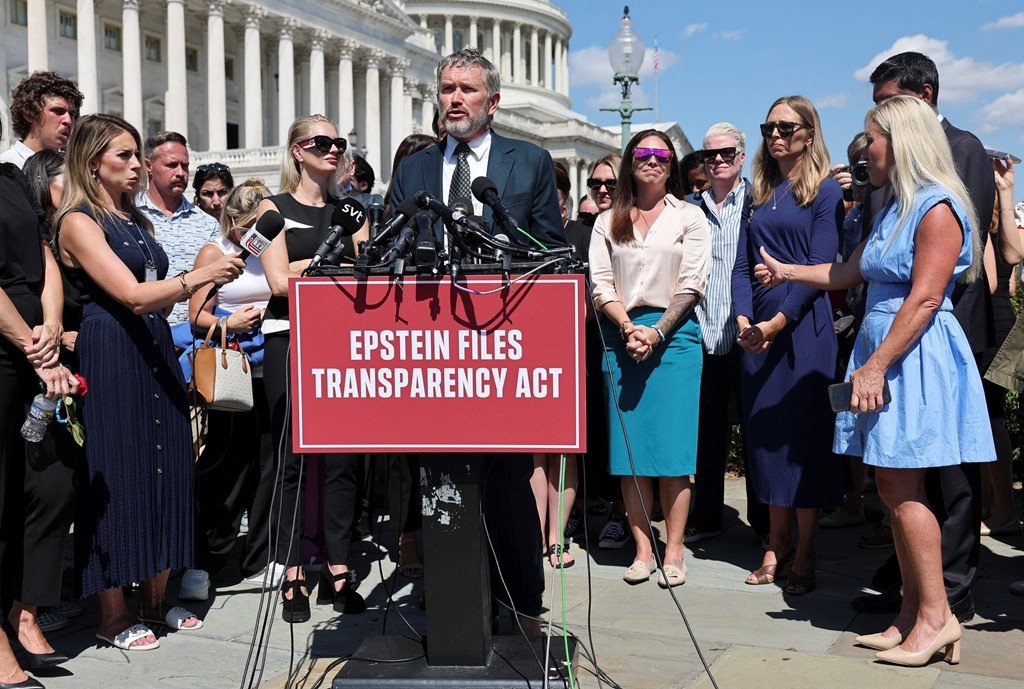
Other Republicans, including House Representative Marjorie Taylor Greene, have also actively supported the release, framing it as a moral imperative on behalf of survivors. Greene, once a staunch Trump ally, openly criticized the former president during a press conference, stating, “Let me tell you what a traitor is. A traitor is an American that serves foreign countries and themselves; a patriot is an American that serves the United States of America and Americans like the women standing behind me.” Greene emphasized the role of Epstein survivors in pushing Congress toward transparency, arguing that public access to the files is essential for justice and accountability.

Recent document releases have already intensified scrutiny over Trump’s historical connections to Epstein. Last week, House Oversight Democrats published over 20,000 pages of documents, including email correspondence between Epstein and Maxwell. Some of these emails referenced Trump indirectly, though there is no evidence in the records to suggest that he participated in any illegal activity. Notably, an email from 2011 sent by Epstein to Maxwell stated, “I want you to realize that that dog that hasn’t barked is Trump… [VICTIM] spent hours at my house with him.” The White House emphasized that the emails were “selectively leaked” to create a misleading narrative. The victim mentioned in the email was Virginia Giuffre, a prominent Epstein accuser who died in April 2025. Giuffre consistently maintained that she never observed Trump engaging in any abuse.
Family members of victims, including Giuffre’s brother Sky Roberts, praised the legislative effort. “She did it, she paved the way… She paved the way for us to come forward as advocates, for her survivor sisters to come forward, and we won’t stop,” Roberts said. Survivors such as Annie Farmer also condemned the continued secrecy surrounding the files, describing it as “institutional betrayal.” Farmer explained that previous failures to adequately investigate Epstein’s crimes allowed many others to be harmed, underscoring the importance of transparency.
The bill mandates that Attorney General Pam Bondi release “all unclassified records, documents, communications, and investigative materials” related to Epstein and Maxwell within 30 days of the legislation being enacted. However, it does provide her office discretion to withhold any information that could jeopardize ongoing federal investigations or reveal the identities of victims. This provision aims to balance the public’s right to know with the necessity of protecting individuals and preserving the integrity of active legal proceedings.

The Epstein case has long exposed fault lines in American politics, both within and between parties. Trump’s reversal has highlighted the influence of public opinion and advocacy by survivors, while Higgins’s lone vote underscores the tension between transparency and privacy rights. The legislative process has brought to light disagreements among Republicans, some of whom initially opposed the bill fearing political fallout, while others advocated for disclosure as a moral obligation.
Looking forward, the files’ release is expected to reignite national debate about the accountability of high-profile figures and the role of political connections in enabling criminal behavior. Legal experts anticipate that journalists, scholars, and advocacy groups will scrutinize the documents carefully, potentially prompting further investigations or reforms in federal oversight of sexual abuse cases. Survivors’ groups have already signaled that they intend to review the materials to ensure justice is fully served.
This legislative milestone is emblematic of the broader societal reckoning with sexual abuse, elite privilege, and transparency in government. While the story of Jeffrey Epstein began decades ago, the momentum behind these disclosures demonstrates the enduring demand for accountability and public scrutiny. The coming weeks are likely to see intense media coverage and public debate, as Americans engage with the files and their implications for justice, governance, and the protection of vulnerable populations.
With President Trump expected to sign the legislation imminently, the final chapter of this phase of the Epstein saga is now set to unfold, promising a clearer picture of the circumstances surrounding one of the most notorious criminal figures of recent history. The files’ release represents both a legislative and moral victory for advocates of transparency, survivors of sexual abuse, and lawmakers across the political spectrum committed to upholding the rule of law.
Related News:
 US Justice Department Files Lawsuit Against California Over Partisan Voting Maps
 Texas Governor Faces Lawsuit From CAIR
 Chinese & Japanese Boats Clash Near Disputed Islands
 Putin Meets US Envoy Amid Key Ukraine Peace Talks
 Trump Administration Dismisses 17 Immigration Judges, Sparking Debate Over Judicial Independence
 Mikie Sherrill Elected New Jersey’s Governor in Key Win
 China-critical UK academics face ‘extremely heavy’ pressure from Beijing
 Britain deploys RAF specialists to assist Belgium with drone threats
 Bataclan Anniversary: France Remembers but Jihadist Danger Lingers
 Trump Deploys DHS to Charlotte in Major Arrest Operation
 December Run-Off in Chile as Election Produces No Winner
 UK Asylum Reforms: Temporary Refugee Status and Faster Deportations
 UN Security Council Approves Trump’s Gaza Peace Plan
 South African Detained After Neo-Nazi Rally in Australia
 Minister Defends Tough New Asylum Reform Plan
 UK Net Migration Falls Sharply After ONS Revisions
 Only One Republican Opposes Mass Release of Epstein Files
 Shadow Fleet at Sea: Europe’s Battle Against Illicit Oil Shipping
 Rama Rebukes Mahmood for Targeting Albanian Families
 Russian Vessel Used Lasers on RAF Pilots, UK Claims
 Senedd Suspends Politician Over Offensive Racial Slur
 Pentagon Officials in Ukraine to Discuss War End
 Trump Slams Democrats With ‘Seditious’ Death Claim
 WhatsApp Messages Expose Nathan Gill’s Bribery
 Venezuela Threatens Nobel Winner Machado with Fugitive Status
 Trump Envoy to Discuss Ukraine Peace at Kremlin
 Peers Get Extra Time to Debate Assisted Dying Bill
 Pope Leo XIV Begins Historic Trip to Turkey and Lebanon
 Georgians Defy Government Crackdown After Year of Protests
 Putin Intensifies Territorial Demands Before US Talks
 US National Guard Member Killed in DC Shooting
 India’s Labour Law Overhaul Sparks Fierce Debate
 Video shows Israeli troops kill Palestinians after surrender
 Trump to Recheck Green Cards from 19 Nations After DC Attack
 ICC to Rule on Duterte’s Provisional Release
 Trump to pause migration from ‘third-world countries’
 Kremlin Talks With US Yield No Ukraine Peace Breakthrough
 Indonesia to Repatriate Two Dutch Drug Convicts
 Franklin Turtle, Sabrina Carpenter Slam US Social Media Use
 Kinnock’s Rebuke Echoes Loudly as Corbyn Allies Launch Left-Wing Breakaway: “A Gift to Farage”
 UK and Norway Forge Stronger Ties Through Joint Sanctions and Enhanced Defence Cooperation
 Northern Ireland Family of Three Shot Dead in Maguiresbridge Home Incident
 Netanyahu Announces Plan to Take Over Gaza City, Escalating Conflict Further
 Denmark Investigates Professional Drone Incursions Across Multiple Airports, No Evidence of Russian Involvement
 Misinformation and Political Pressure Force Weston-super-Mare to Abandon Refugee Sanctuary Plan
 British Woman in Iran ‘Losing Hope’ Amid Ongoing Detention
 Johnson Approved China’s London ‘Super-Embassy’ in 2018
 UK University Suspends Human Rights Research Following Pressure from China
 French Taxi Driver Cleared in David Lammy Theft Case After Fare Dispute
 Just Stop Oil Protesters Convicted Amid Climate Defence Row
 BBC to Apologise Over Edited Trump Speech Amid Backlash
 US Senate Passes Funding Bill to End Historic Shutdown
 PM Condemns Leaks, Vows Loyalty to Ministers and Stability
 Trump Urges Herzog to Grant Netanyahu Full Pardon
 Hitler’s DNA Confirms He Truly Had Only One Testicle
 Major Rent Reform Ends No-Fault Evictions in England
 Peers Flood Assisted Dying Bill with 942 Amendments
 Oklahoma Governor Grants Last-Minute Clemency to Death Row Inmate
 Israel Confirms Returned Hostage as Meny Godard
 Greene Pushes Epstein Files Amid Trump Fallout
 Zelenskyy Signs Fighter Jet Deal Amid Russian Drone Attacks
 Orban Says Ukraine Has ‘No Chance’ as EU Support Continues
 Canada Passes Carney’s First Budget in Tight Parliamentary Vote
 Israeli Strike Kills 13 Near Palestinian Camp in Lebanon
 Zelensky Meets US Envoy in Turkey to Push Ukraine Peace Talks
 UK Vulnerable to Attack, Defence Committee Finds
 Haiti Qualifies for World Cup Despite Coach Never Visiting Country
 Serial Rapist and Former Cop Found Guilty Again
 Two Officers Injured After Van Deliberately Rams Patrol Car
 Vietnam Battles Deadly Floods as Rains Continue
 At Least Three Dead in Bangladesh Earthquake
 Israel Confirms Hamas Returned Dror Or’s Body
 Millions Face Higher Taxes Under Reeves New Budget
 Planned Palestinian Flag Raising at Belfast City Hall Faces Delay Amid Legal Concerns
 Two National Guard Soldiers Critically Injured Near White House
 Mbappe Scores 4 as Real Madrid Edge Olympiakos
 Man City Lose, Champions League Risk
 Sri Lanka Floods Leave 56 Dead, Dozens Missing
 Government righting decades-old injustice for miners
 Jordan Bardella: France’s Young Presidential Contender