Published: 02 May 2026. The English Chronicle Desk. The English Chronicle Online
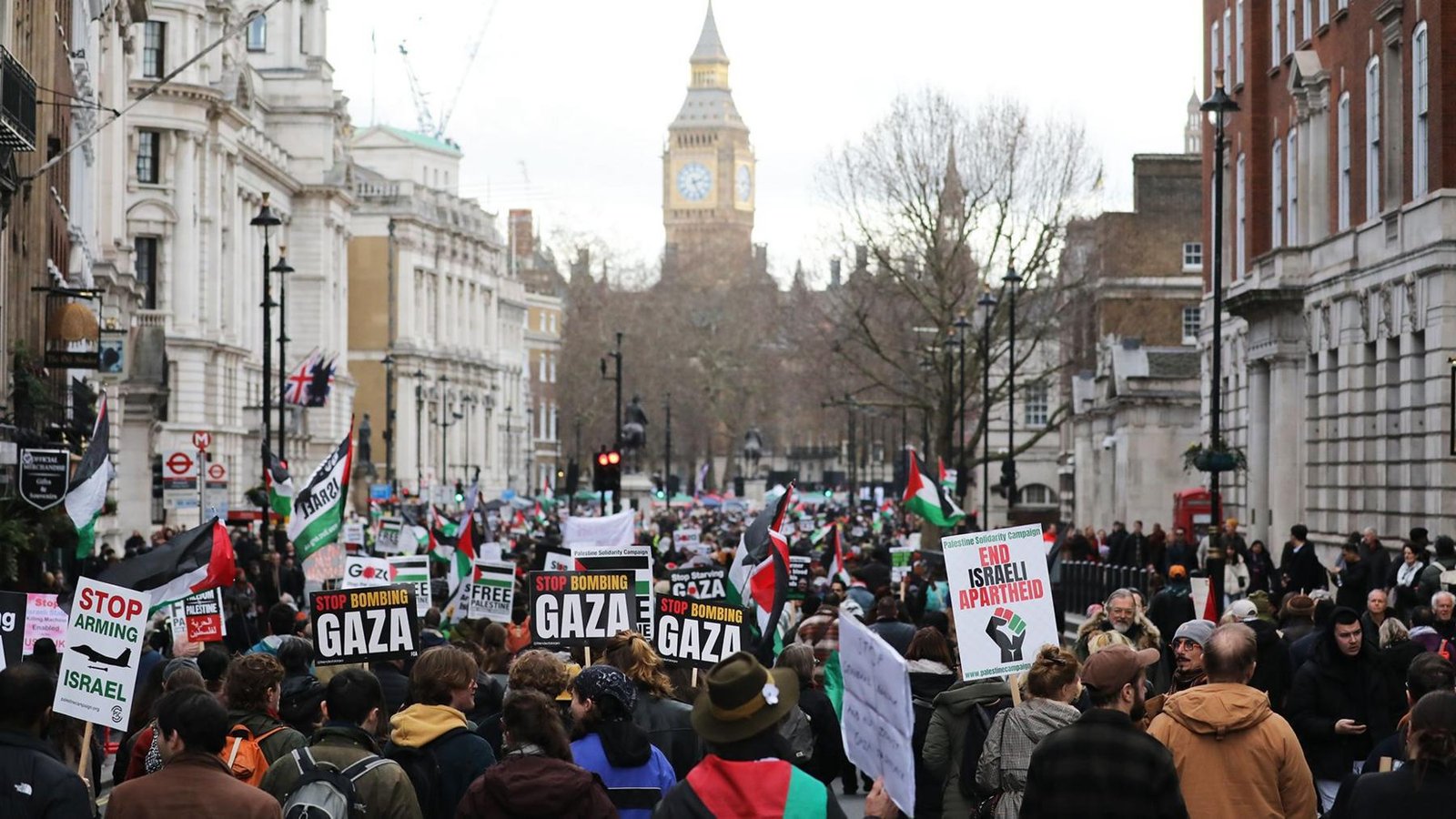
The UK government is considering tighter restrictions on certain pro-Palestinian demonstrations as concerns grow over rising antisemitism and threats facing Jewish communities. The move follows a series of incidents across the country and increasing alarm among political leaders and law enforcement about the cumulative impact of repeated protests.
Prime Minister Keir Starmer signalled that some demonstrations could be stopped altogether if they cross certain thresholds, particularly where inflammatory or harmful language is used. His comments come amid mounting pressure to balance the protection of free speech with the need to safeguard communities from hate and intimidation.
Speaking in a radio interview, Starmer pointed to chants such as “globalise the intifada” as examples of rhetoric that may warrant stronger intervention. While emphasising that he would not interfere directly in operational policing decisions, he acknowledged that there are circumstances in which preventing protests could be justified.

The debate has intensified following warnings from Mark Rowley, head of the Metropolitan Police Service, who described the current threat level facing British Jews as unprecedented. He characterised the situation as a “dangerous and troubling” convergence of hate crime, extremism and geopolitical tensions.
Rowley said Jewish communities across the UK are experiencing a profound sense of insecurity, with many altering their daily lives in response to perceived risks. He warned that antisemitism is being fuelled by a combination of extremist ideologies from across the political spectrum, alongside the involvement of hostile international actors.
In his assessment, British Jews have become a target for a wide range of groups, including far-right extremists, Islamist militants and others driven by political grievances. This convergence, he suggested, has created an environment in which hostility is more deeply embedded and increasingly visible in public discourse.
Recent months have seen a number of alarming incidents. These include attacks on synagogues, arson attempts and vandalism targeting Jewish institutions in different parts of London. Emergency service vehicles linked to Jewish organisations have also been destroyed, further heightening fears within the community.
These developments have prompted calls for stronger measures to address both the immediate security risks and the broader societal factors contributing to antisemitism. Starmer indicated that the government is already engaged in ongoing discussions with police about how best to respond.
While rejecting the idea of a blanket ban on protests, the prime minister acknowledged the “cumulative effect” of repeated demonstrations, particularly on communities that feel targeted or threatened. He suggested that organisers and participants alike should reflect on the impact of their actions and the messages being conveyed.
At the same time, Starmer reaffirmed his commitment to protecting the right to peaceful protest and freedom of expression, describing these as fundamental democratic principles. However, he stressed that these rights come with responsibilities, especially when public gatherings risk fostering division or hostility.
The discussion around protest restrictions has also been influenced by recommendations from independent advisers on counterterrorism, who have suggested reviewing the frequency and nature of large-scale demonstrations. The aim, they argue, is to ensure that public safety and social cohesion are not undermined.
Critics of potential restrictions warn that limiting protests could set a dangerous precedent, particularly in a democratic society where the right to demonstrate is a cornerstone of civic participation. They argue that existing laws already provide sufficient tools to deal with unlawful behaviour during protests without resorting to broader bans.
Supporters of stronger measures, however, contend that the current situation requires decisive action to protect vulnerable communities and prevent further escalation. They point to the rising number of incidents and the increasingly charged atmosphere as evidence that a more robust response is needed.

The issue also reflects wider tensions linked to international conflicts, particularly in the Middle East, which have had a significant impact on community relations within the UK. As global events continue to resonate domestically, authorities face the challenge of managing their consequences while upholding democratic values.
For many British Jews, the current climate has become a source of deep , with concerns extending beyond individual incidents to the overall direction of public discourse. Community leaders have called for greater solidarity and clearer action to counter antisemitism in all its forms.
As the government weighs its options, the outcome of this debate is likely to shape the future of protest regulation in the UK. Striking the right balance between civil liberties and public safety remains a complex and sensitive task, one that will require careful consideration in the weeks and months ahead.
Related News:
 Labour Attacks Reform Candidate Over Tommy Robinson Backing
 Asylum deal sparks fears over Syria deportations
 Immigration Judges Fear Pressure in Trump Era
 Victim says non-custodial rape sentence ‘rock in my face’
 Tories Push to Dilute Labour’s Workers’ Rights Bill
 It’s time to come clean on the China spy case
 Rachel Reeves Admits Renting Home Without Required Licence
 Experts Question HMRC Over Possible Child Benefit Privacy Breach
 Phillipson urges careful review of gender recognition guidance
 French Taxi Driver Cleared in David Lammy Theft Case After Fare Dispute
 Met Police Culture Makes Racial Harm ‘Inevitable’
 Remaining rebel Labour MPs have whip restored
 Tim Davie resigns as BBC director general amid bias claims
 Palace to reinstate hyphen in Andrew’s surname
 BBC Apologises to Trump but Rejects $1bn Compensation Claim
 Major Rent Reform Ends No-Fault Evictions in England
 Peers Flood Assisted Dying Bill with 942 Amendments
 Your Party Turmoil Deepens Over Withheld Donations
 UK Unveils Fast-Track Deportation and Asylum Overhaul
 UK Asylum Overhaul Sparks Debate Over Human Rights and Deportations
 UK Asylum Reforms: Temporary Refugee Status and Faster Deportations
 Mahmood Defends Tough Overhaul of UK Asylum System
 Scottish Ministers Express Alarm Over UK Asylum Reforms
 Westminster Advances Legacy Bill Amid Criticism
 Minister Defends Tough New Asylum Reform Plan
 UK Net Migration Falls Sharply After ONS Revisions
 Peers Get Extra Time to Debate Assisted Dying Bill
 Plans to Limit Jury Trials Face Retreat After Mounting Opposition
 Tim Walz urges Trump to withdraw federal agents immediately
 Calls Grow for King Charles to Apologise for Crown’s Role in Slavery
 UK and EU Signal Fresh Push for Defence Cooperation Talks
 Files Link Andrew to Epstein Dinner After Prison Release
 Emails Show Epstein Funded Mandelson’s Husband After Jail
 Civil Service Pay: Union Urges Ministers to End ‘Barking Mad’ Limits
 Undercover officer deceived women with ‘grotesque and cruel’ lies, spycops inquiry told
 Proposed Law Leaves Gap for Children of Convicted Paedophiles
 Labour Lawyers Blocked From Briefing MPs on Jury Trials
 Starmer Defends Workers’ Rights Amid Rising Green Threat
 Mass Arrests at London Palestine Protest Spark Debate
 Kezia Dugdale Warns of Possible Reversal of Equal Rights Gains
 Synagogue Arson Attempt Sparks Security Fears
 MoD Has Lost Track of Veteran Recall List, Says Adviser
 Starmer Faces Pressure Over Mandelson Vetting Scandal
 NHS Safety Fears as Nurses Cover Doctor Gaps
 Crackdown Backfires on UK Climate Protesters
 Reform UK funding: mystery billionaire revealed
 Judge Blocks Trump Bid for Arizona Voter Data
 US Court Weighs Fate of TPS for Migrants
 Police Suspect Help in Missing Alice Springs Girl Case
 John Terry Faces Backlash Over Political Posts
 Judge halts deportation of Yemeni refugees in US
 Greens Face Internal Row Over Antisemitism Claims
 Barrister Criticises Trial After Suicide Case Verdict
 Labour Members Turn Against Starmer Leadership
 US judge dismisses Kilmar Abrego Garcia indictment
 US green card applicants must apply from abroad, DHS says
 Trump’s Revenge Drive Deepens GOP Divide
 Former ICC prosecutor condemns US sanctions
 Farage and Reform UK Reshape British Politics
 Starmer Leadership Under Pressure After Setbacks
 UK Nations Brace for Potential Breakup Amid Reform Surge
 Cornwall Van Dwellers Face Eviction in Housing Crisis
 Murder Probe Continues After Arrest Release
 Le Pen’s Popularity Holds Despite Conviction
 Dreyfus Statue Finally Gets Permanent Paris Home
 Three-Quarters of England’s Riverbanks Still Off Limits
 Trump Orders Signs Criticising Smithsonian Museum
 Westminster Council Threatens Charing Cross Soup Kitchen
 BBC Warned About Missing Clothes of Murder Victim
 Cambridge Professor Jason Arday Found Dead at Home
 Five Years of Taliban Rule Leave Afghanistan in Crisis
 Burnham unveils £65m drought aid for farmers
 Australia grants Asio powers to designate hate groups under new laws
 Artificial intelligence will cost jobs, admits Liz Kendall
 Wales Approves Assisted Dying Bill Consent
 Secret Role of UK Security Services in Troubles Amnesty Law
 The Hidden Crisis Eroding Trust in British Communities
 Trump’s Mount Rushmore Speech: A Divisive Anniversary
 Ann Widdecombe, Formidable Political Figure, Dies at 78
 UK Schools Struggle as Classrooms Top 40C