Published: 19 April 2026. The English Chronicle Desk. The English Chronicle Online
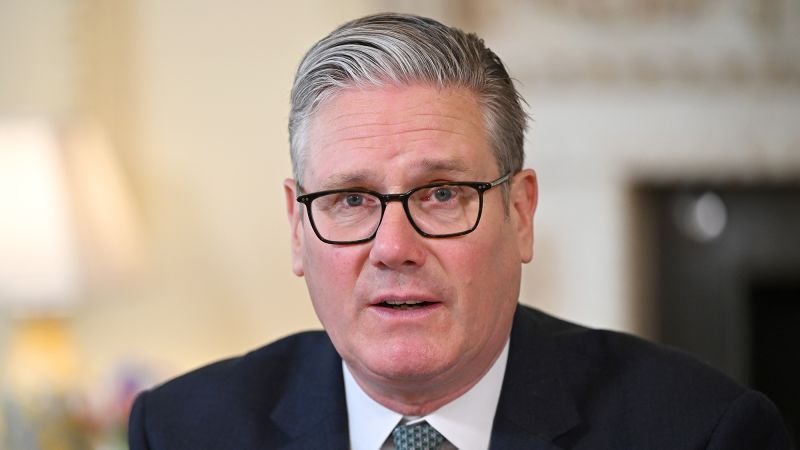
Prime Minister Keir Starmer is facing sustained political pressure after ministers suggested he would have blocked the appointment of Peter Mandelson as UK ambassador to the United States if he had been aware of concerns raised during the security vetting process, intensifying an already volatile debate at Westminster over judgement, accountability, and government stability.
The controversy centres on the appointment of Peter Mandelson, a senior Labour figure whose proposed diplomatic posting has triggered accusations of flawed oversight and internal failures in the vetting system. According to cabinet allies, Starmer was not informed that Mandelson had failed or not cleared key security checks before the appointment process advanced, a claim that has now become central to the political fallout.
Ministers including Liz Kendall and David Lammy have publicly defended the prime minister, insisting that the decision would have been reversed had all relevant information been available at the time. They argue that the issue stems not from deliberate political judgement but from a breakdown in communication between senior officials and those responsible for security clearance procedures.

However, opposition figures have seized on the episode as evidence of wider instability within the government. Conservative and Reform UK representatives have accused Starmer of poor judgement in high-level appointments, suggesting that responsibility ultimately rests with the prime minister regardless of administrative failings within the civil service.
Critics argue that the handling of the Mandelson appointment reflects broader concerns about governance and decision-making at the top of government. Some have pointed to a series of recent personnel changes and internal disputes as signs of disorganisation within Downing Street, while others claim the issue highlights tensions between political leadership and bureaucratic oversight mechanisms.
The controversy has also drawn attention to the role of senior officials within the foreign policy apparatus, with particular scrutiny directed at how security vetting information is communicated to ministers. Reports suggest that key details regarding Mandelson’s clearance status were not escalated to the prime minister’s office, raising questions about procedural transparency and accountability within the system.
At the centre of the political response, government ministers have sought to contain the fallout by reinforcing their support for Starmer’s leadership. Liz Kendall, speaking in defence of the prime minister, described him as a leader of integrity and insisted that he would not have proceeded with any appointment that posed a national security risk had he been properly informed.
Similarly, David Lammy stated that Starmer would have withdrawn the appointment immediately if he had been aware of the vetting concerns, emphasising that security considerations would always take precedence over political timing, including the sensitivity of international diplomatic transitions such as the inauguration of a US president.
Despite these reassurances, opposition voices continue to press the issue. Conservative figures have argued that responsibility cannot be shifted entirely onto officials, with some MPs claiming that ultimate accountability lies with the prime minister for all senior appointments. Reform UK representatives have also used the controversy to criticise broader leadership decisions, linking the episode to wider claims of government mismanagement.
The dispute has unfolded against a backdrop of broader political tension in Westminster, where competing parties are already positioning themselves for upcoming electoral contests. In Scotland, meanwhile, shifting political dynamics have added further complexity, with growing support for Reform UK in some regions traditionally dominated by Conservative and Scottish National Party competition.
Political analysts note that the Mandelson affair has become emblematic of deeper questions surrounding trust in public institutions and the effectiveness of ministerial oversight. While such vetting failures are rare, they can have significant political consequences when they involve high-profile diplomatic or security-related appointments.
The debate has also revived scrutiny of the relationship between political leadership and the civil service, particularly in areas involving national security clearance. Experts suggest that unclear communication channels or procedural gaps can create situations where ministers are not fully informed before making key decisions.
Within government circles, there is growing concern that the ongoing controversy could overshadow other policy priorities, including economic management, international relations, and domestic reform agendas. Supporters of the prime minister argue that despite the current difficulties, the administration has maintained progress on major policy commitments and should not be derailed by what they describe as an administrative error.
Opponents, however, have framed the issue as part of a broader pattern of leadership challenges. Some have called for greater transparency regarding the vetting process itself, while others have gone further, suggesting that political consequences should follow if systemic failures are identified.

As the debate continues, attention is expected to remain focused on both the details of Mandelson’s vetting outcome and the extent of ministerial awareness during the appointment process. Further disclosures from parliamentary committees or internal reviews could intensify scrutiny in the coming weeks.
For now, the government is attempting to contain the political damage while reinforcing its position that no security breach occurred and that appropriate corrective measures would have been taken had full information been available earlier.
The situation leaves Starmer navigating one of the most politically sensitive episodes of his premiership so far, balancing internal party unity, opposition pressure, and public confidence in government decision-making at a time of heightened political scrutiny.
Related News:
 Tories Push to Dilute Labour’s Workers’ Rights Bill
 It’s time to come clean on the China spy case
 Rachel Reeves Admits Renting Home Without Required Licence
 Experts Question HMRC Over Possible Child Benefit Privacy Breach
 Phillipson urges careful review of gender recognition guidance
 French Taxi Driver Cleared in David Lammy Theft Case After Fare Dispute
 Met Police Culture Makes Racial Harm ‘Inevitable’
 Remaining rebel Labour MPs have whip restored
 Tim Davie resigns as BBC director general amid bias claims
 Palace to reinstate hyphen in Andrew’s surname
 BBC Apologises to Trump but Rejects $1bn Compensation Claim
 Major Rent Reform Ends No-Fault Evictions in England
 Peers Flood Assisted Dying Bill with 942 Amendments
 Your Party Turmoil Deepens Over Withheld Donations
 UK Unveils Fast-Track Deportation and Asylum Overhaul
 UK Asylum Overhaul Sparks Debate Over Human Rights and Deportations
 UK Asylum Reforms: Temporary Refugee Status and Faster Deportations
 Mahmood Defends Tough Overhaul of UK Asylum System
 Scottish Ministers Express Alarm Over UK Asylum Reforms
 Westminster Advances Legacy Bill Amid Criticism
 Minister Defends Tough New Asylum Reform Plan
 UK Net Migration Falls Sharply After ONS Revisions
 Peers Get Extra Time to Debate Assisted Dying Bill
 Plans to Limit Jury Trials Face Retreat After Mounting Opposition
 Tim Walz urges Trump to withdraw federal agents immediately
 UK and EU Signal Fresh Push for Defence Cooperation Talks
 Labour Attacks Reform Candidate Over Tommy Robinson Backing
 Civil Service Pay: Union Urges Ministers to End ‘Barking Mad’ Limits
 Proposed Law Leaves Gap for Children of Convicted Paedophiles
 Labour Lawyers Blocked From Briefing MPs on Jury Trials
 Starmer Defends Workers’ Rights Amid Rising Green Threat
 Mass Arrests at London Palestine Protest Spark Debate
 Crackdown Backfires on UK Climate Protesters
 Asylum deal sparks fears over Syria deportations
 UK may ban protests amid rising antisemitism fears
 Murder Probe Continues After Arrest Release
 Tanni Grey-Thompson Faces Abuse Over Opposition to Assisted Dying Bill
 Trump’s UK Ambassador Urges North Sea Drilling to Strengthen US Ties
 Millionaires group urge Reeves to introduce wealth tax to ‘lift kids out of poverty’
 Reeves rejects £1bn plea for NHS redundancy payouts
 PM Condemns Leaks, Vows Loyalty to Ministers and Stability
 US National Guard Member Killed in DC Shooting
 ICC to Rule on Duterte’s Provisional Release
 Starmer Says Labour’s Economic Plan Needs Years to Deliver
 Google Employee Claims Redundancy After Harassment Report
 Australia grants Asio powers to designate hate groups under new laws
 Artificial intelligence will cost jobs, admits Liz Kendall
 Partial US Government Shutdown Hits Homeland Security Funding
 Mandelson Faces Police Inquiry Over Epstein Leak
 Morgan McSweeney downfall shocks Labour leadership
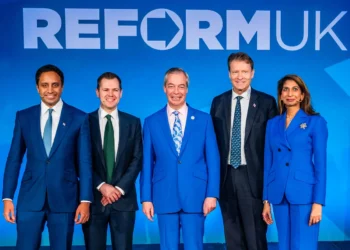 Farage Unveils Reform UK Frontbench Team
 Wales Approves Assisted Dying Bill Consent
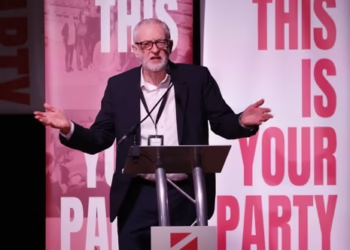 Corbyn Leads Your Party in Coordinated Left-Flank Strategy
 Asylum Seekers to Work After Year-Long Wait
 Starmer Row as Greens Demand Apology
 Gordon Brown urges court for crimes against children
 Inquiry into HMRC child benefit errors launched by NAO
 Farage Faces Backlash Over Crypto Cameo Endorsements
 Police Chiefs Under Fire for Failing to Address Racism
 Relationship with Trump may be beyond repair, Starmer warned
 Unions Raise Concerns Over Doctors’ Pay Dispute
 UK Government Poised to Revive Stalled Hillsborough Law
 Starmer Faces Commons Test Over Mandelson Scandal
 Starmer Survives Mandelson Rebellion
 Greens Face Internal Row Over Antisemitism Claims
 Met Officers Probed Over Al Fayed Abuse Allegations
 Labour Members Doubt Starmer Future as Burnham Leads Poll
 Reform UK Faces Crisis as Newly Elected Councillors Resign
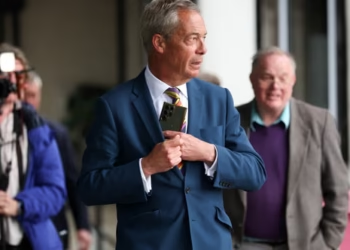 Farage Faces New Questions Over Private Helicopter Use
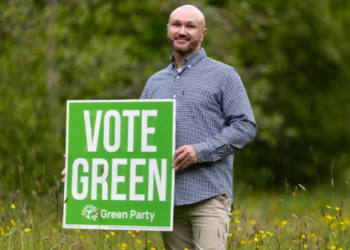 Green Party Makerfield Candidate Resigns Over Posts
 US green card applicants must apply from abroad, DHS says
 Secret Role of UK Security Services in Troubles Amnesty Law
 Starmer Leadership Under Pressure After Setbacks
 The Hidden Crisis Eroding Trust in British Communities
 Deepfake Abuse on X Sparks Safety Concerns for Dissidents
 UK Ministers Lobby Trump Over Under-16s Social Media Ban
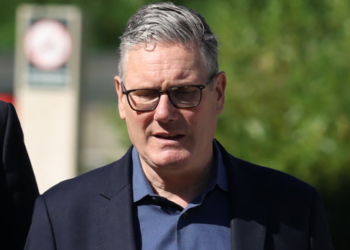 Starmer Resolves to Fight Burnham in Leadership Battle
 Farage Warns Sky News Following Financial Inquiry
 Ann Widdecombe, Formidable Political Figure, Dies at 78
 Westminster Council Threatens Charing Cross Soup Kitchen