Published: 19 April 2026. The English Chronicle Desk. The English Chronicle Online
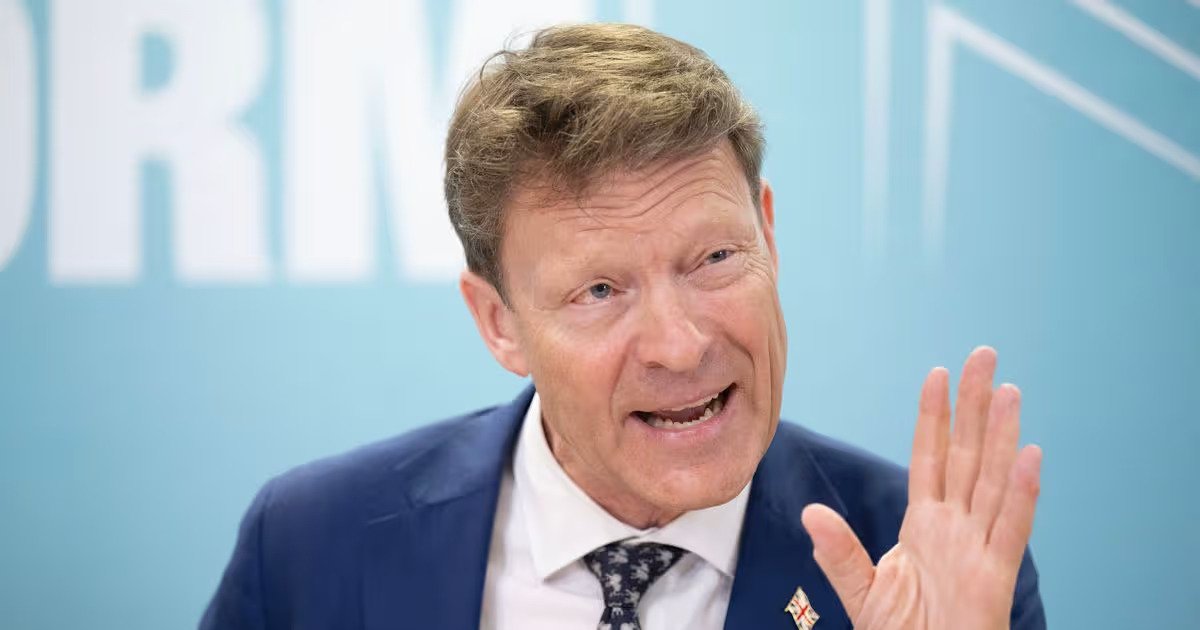
Senior figures in British politics are facing renewed scrutiny after allegations emerged that Richard Tice may have failed to pay nearly £100,000 in corporation tax through a network of companies linked to his business interests. The claims, first reported by The Sunday Times, have intensified political tensions and prompted calls for greater transparency around financial conduct within party leadership.
According to the report, Tice oversaw four shell companies between 2020 and 2022 that allegedly recorded profits without paying corporation tax. These companies were reportedly structured to receive dividend income from his broader property investment operations before passing funds upward to a parent entity. During this same period, his firm, Tisun Investments Ltd, is said to have transferred more than £1.1 million to Reform UK in donations.

The allegations have sparked debate over the distinction between legal tax efficiency and potential avoidance or error. While the use of corporate structures to manage tax liabilities is not uncommon, critics argue that public figures—particularly those in political leadership—are held to higher standards of financial accountability and transparency.
Responding publicly, Tice acknowledged the possibility of discrepancies in his tax affairs but rejected any suggestion of deliberate wrongdoing. In a statement, he said that a long business career involving multiple companies could naturally include errors, adding that he would be willing to rectify any outstanding issues if necessary. He emphasised that reviewing and correcting financial records was part of responsible corporate practice.
At the same time, Tice strongly criticised the reporting, accusing the newspaper of attempting to damage his reputation by revisiting historical business matters. He described the allegations as part of a broader political effort to undermine him and his party, framing the controversy as a targeted campaign rather than a neutral investigation.
The issue has quickly taken on political significance, with opponents questioning whether the situation undermines public trust. Anna Turley, representing the Labour Party, called the matter a serious scandal and urged accountability within Reform UK’s leadership. She argued that the scale of the alleged unpaid tax raised questions about credibility, particularly given previous criticisms by Tice of others over smaller financial discrepancies.
The controversy also places pressure on Nigel Farage, who leads Reform UK, to address the issue within his party’s ranks. Observers note that internal party dynamics and public perception could be affected depending on how the leadership responds in the coming weeks.
Financial experts point out that the use of shell companies—entities with limited operational activity—is not inherently unlawful. However, such structures can attract scrutiny when they are used to channel funds in ways that reduce tax obligations or obscure financial flows. The key question in this case is whether the arrangements complied fully with UK tax law or whether errors led to underpayment.
The broader context of the case reflects increasing attention on tax practices among politicians and business leaders. In recent years, public expectations around financial transparency have grown, with media investigations playing a significant role in uncovering complex corporate arrangements. Allegations of unpaid tax, even when disputed, can carry reputational consequences that extend beyond legal considerations.

As the situation develops, it remains unclear whether formal investigations or regulatory reviews will follow. Authorities have not yet confirmed any official inquiry, and Tice has indicated a willingness to cooperate if further examination of his accounts is required.
For Reform UK, the controversy arrives at a politically sensitive time, with the party seeking to strengthen its position and appeal to voters. Questions about financial conduct within its leadership could influence public perception and shape the broader political narrative.
Ultimately, the case highlights the fine line between legitimate financial management and perceived ethical lapses in public life. As scrutiny intensifies, the outcome may depend not only on legal findings but also on how convincingly those involved address concerns about accountability and transparency.
Related News:
 Farage Faces Backlash Over Crypto Cameo Endorsements
 Starmer would have blocked Mandelson role, says Lammy
 BBC News Faces Deep Cuts in 2,000 Job Plan
 City & Guilds Faces Governance Crisis Over Sale
 Reeves Fights to Keep Treasury Role Amid Labour Turmoil
 Murder Probe Continues After Arrest Release
 Labour MPs Urge Burnham to Revive UK Aid Target
 Green Party Surges Past Labour in Latest UK Poll
 Trump’s UK Ambassador Urges North Sea Drilling to Strengthen US Ties
 French Taxi Driver Cleared in David Lammy Theft Case After Fare Dispute
 Millionaires group urge Reeves to introduce wealth tax to ‘lift kids out of poverty’
 Starmer Faces Growing Dissent as Labour MPs Weigh Leadership Challenge
 Reeves rejects £1bn plea for NHS redundancy payouts
 PM Condemns Leaks, Vows Loyalty to Ministers and Stability
 Major Rent Reform Ends No-Fault Evictions in England
 Peers Flood Assisted Dying Bill with 942 Amendments
 Most Tories Expect to Support a Farage-Led Government
 Starmer Says Labour’s Economic Plan Needs Years to Deliver
 Culture secretary to review Telegraph takeover by Daily Mail owner
 Labour Blocks Burnham as Party Rift Deepens Ahead of Polls
 Huge mistake: Labour blocks Burnham from byelection bid
 Artificial intelligence will cost jobs, admits Liz Kendall
 Labour targets Greens on drugs in Gorton Denton byelection
 Greens nominate Hannah Spencer for Gorton and Denton byelection
 Mandelson Faces Police Inquiry Over Epstein Leak
 Labour Thinktank Row Deepens Over Journalist Probe Claims
 Morgan McSweeney downfall shocks Labour leadership
 Cabinet Secretary Shake-Up Triggers Due Diligence Warning
 Starmer Faces Inquiry Calls Over Thinktank Probe
 Royal Mail Delivery Crisis Deepens Amid Weather Chaos
 UK shelves £110m border project amid trade strain
 Farage Unveils Reform UK Frontbench Team
 California Democrats Vow Trump Reckoning
 Trump Tariffs Threat Spark UK and EU Alarm
 Wales Approves Assisted Dying Bill Consent
 UK EU Trade Reset Gains Public Backing
 Green Party Stuns Labour in Gorton and Denton Byelection
 Corbyn Leads Your Party in Coordinated Left-Flank Strategy
 Labour Together scandal sparks clean break vow
 Asylum Seekers to Work After Year-Long Wait
 Starmer Row as Greens Demand Apology
 Proposed Law Leaves Gap for Children of Convicted Paedophiles
 Gordon Brown urges court for crimes against children
 Starmer Praised for Stance on Trump and Iran Conflict
 Inquiry into HMRC child benefit errors launched by NAO
 NHS Plans to Cut Overseas Workers Labeled Overambitious
 Army Probes Apache Flyover at Kid Rock’s Nashville Estate
 Relationship with Trump may be beyond repair, Starmer warned
 Unions Raise Concerns Over Doctors’ Pay Dispute
 UK Government Poised to Revive Stalled Hillsborough Law
 Starmer Faces Commons Test Over Mandelson Scandal
 Crackdown Backfires on UK Climate Protesters
 Red Wall Faces Collapse in UK May Elections
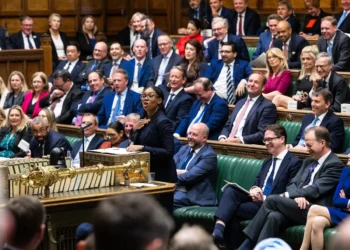 Starmer Survives Mandelson Rebellion
 US ‘Narco Boat’ Strikes Draw Global Outcry
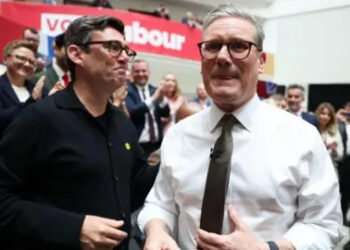 Labour Members Doubt Starmer Future as Burnham Leads Poll
 Immigration Judges Fear Pressure in Trump Era
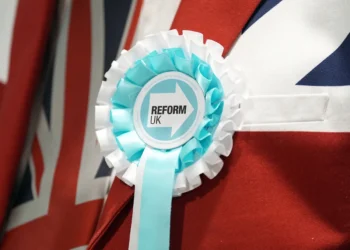 Reform UK Faces Crisis as Newly Elected Councillors Resign
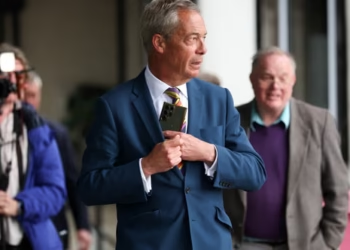 Farage Faces New Questions Over Private Helicopter Use
 NHS Drug Deal Faces Legal Threat Over US Trade Agreement
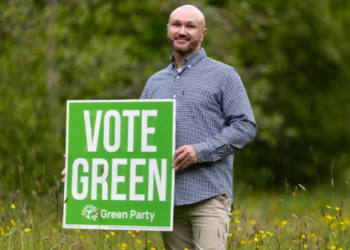 Green Party Makerfield Candidate Resigns Over Posts
 UK Welfare: Focus on Jobs Over Benefit Cuts, Says JRF
 Secret Role of UK Security Services in Troubles Amnesty Law
 Starmer Leadership Under Pressure After Setbacks
 The Hidden Crisis Eroding Trust in British Communities
 Deepfake Abuse on X Sparks Safety Concerns for Dissidents
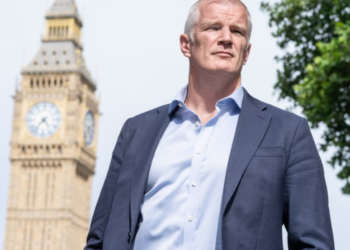 Modernising the Military: Carns Demands Urgent Procurement Reform
 UK Ministers Lobby Trump Over Under-16s Social Media Ban
 Starmer Resolves to Fight Burnham in Leadership Battle
 Starmer Resigns as Prime Minister Amid Internal Pressure
 MP Warning: Northern Rail Risks Repeating HS2 Failures
 Hollie Ridley to Step Down as Labour General Secretary
 New South Wales Premier Chris Minns Signals Tough Road Ahead for Labor
 Jarvis Urges Burnham to Secure 3.5% Defence Spending
 Farage Warns Sky News Following Financial Inquiry
 Reform UK Finances Face Deep NCA Probe
 Ann Widdecombe, Formidable Political Figure, Dies at 78
 Treasury Reform Urged After Tragic Loss
 Westminster Council Threatens Charing Cross Soup Kitchen
 BBC Warned About Missing Clothes of Murder Victim