Published: 19 April 2026. The English Chronicle Desk. The English Chronicle Online
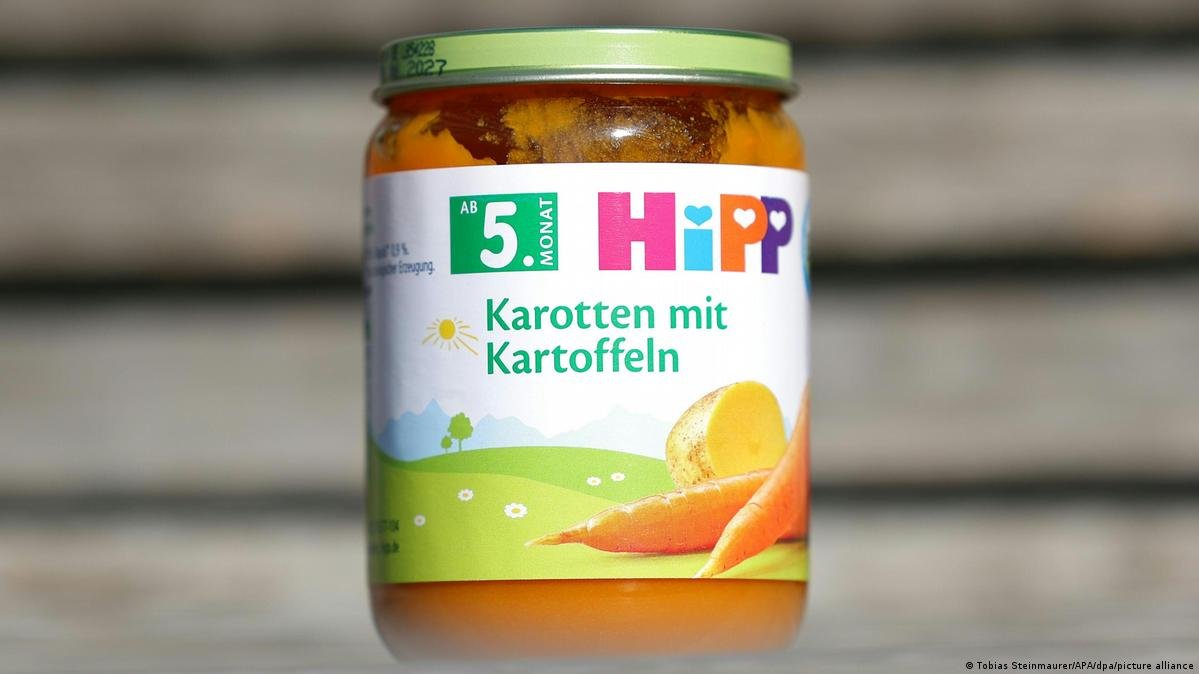
A serious food safety scare has emerged in Austria after authorities confirmed that traces of rat poison were discovered in a jar of baby food, triggering an urgent recall across more than a thousand supermarkets and raising concerns over possible criminal tampering within the supply chain. The product at the centre of the investigation is a widely distributed 190g jar of HiPP carrots and potatoes baby food, which is now under intense scrutiny following alarming laboratory findings and cross-border safety alerts.
The incident first came to light after a customer reported concerns about the condition of a purchased jar, prompting routine testing by Austrian authorities. Police in Burgenland later confirmed that laboratory analysis of one sample revealed the presence of a toxic substance consistent with rat poison. The discovery has led to immediate fears about potential sabotage, as investigators explore how the contamination occurred and whether additional products may have been affected.

HiPP, a well-known European baby food manufacturer, has responded by acknowledging that it cannot rule out the possibility of external interference. The company has stressed that the situation appears to be the result of criminal tampering rather than a production fault, suggesting that the contamination likely occurred after the product left the factory and entered distribution channels. According to statements issued by the company, affected jars were distributed through Spar supermarkets in Austria, prompting a large-scale recall affecting approximately 1,500 retail locations.
Authorities have described the situation as potentially life-threatening, warning that even small amounts of the contaminated product could pose serious health risks to infants. HiPP has strongly advised parents and caregivers not to consume any jars from the affected batch and to return them immediately for a full refund. The company also emphasised that its priority is ensuring consumer safety while working closely with law enforcement agencies to determine the source of the contamination.
Police investigations have revealed disturbing signs that some of the compromised jars may have been deliberately altered. Officials reported that affected containers showed unusual features, including missing or damaged safety seals, signs of prior opening, and in some cases unusual odours. Some jars were also marked with a distinctive red circle sticker on the bottom, which investigators believe may be relevant to tracing the tampered products.
Further complicating the case, authorities in Austria stated that similar suspicious samples had been seized in neighbouring countries, including the Czech Republic and Slovakia. Preliminary testing in those locations also reportedly indicated the presence of toxic substances, although officials have not yet disclosed detailed results. These cross-border findings have intensified concerns that the incident may not be isolated and could involve a wider pattern of contamination affecting multiple markets.
Investigators have also confirmed that warnings were received from German authorities, suggesting that earlier intelligence may have pointed to risks within the regional distribution network. However, officials have not yet clarified whether the contamination originated in Austria or was introduced at a later stage in the supply chain. The possibility of coordinated criminal activity remains under active investigation.
Spar, the retail chain responsible for distributing the affected products, has described the recall as a precautionary measure taken in cooperation with HiPP and food safety regulators. The company has confirmed that the recall applies exclusively to its Austrian stores and has stated that there is no indication of similar issues in its international branches. Customers have been urged to return any affected products immediately, with full refunds guaranteed regardless of receipt.
Public health authorities have issued urgent warnings to consumers, particularly parents of young children, advising them to check any HiPP baby food jars purchased recently from Spar outlets. Officials have also recommended strict hygiene precautions, including thorough handwashing if there has been any contact with potentially contaminated containers. While no confirmed cases of illness have been publicly reported so far, the seriousness of the contamination has prompted heightened monitoring and emergency response coordination.
Food safety experts have noted that incidents involving deliberate contamination are extremely rare but highly dangerous, particularly when they involve infant products. The presence of rodenticide compounds in food intended for babies raises significant concerns due to the heightened vulnerability of infants to toxic substances. Even minimal exposure can lead to severe medical consequences, prompting swift action from regulators and manufacturers alike.

HiPP has reiterated its commitment to quality control and consumer safety, stating that all production processes are subject to strict internal and external oversight. The company has also expressed cooperation with law enforcement agencies, indicating that it is treating the matter as a potential criminal act targeting its distribution network rather than a failure in manufacturing standards.
As investigations continue, authorities are working to determine whether the contamination was the result of isolated tampering or a broader attempt to compromise food safety systems. Police have not ruled out the possibility of targeted interference and are currently reviewing surveillance records, distribution logs, and supply chain movements in an effort to identify any suspicious activity.
For now, the recall remains in full effect, and consumers across Austria are being urged to remain vigilant. Officials have stressed that protecting public health is the immediate priority while forensic testing and criminal investigations continue. The incident has sparked wider concern across Europe about supply chain security and the vulnerability of food distribution networks to external interference.
Related News:
 Undercover officer deceived women with ‘grotesque and cruel’ lies, spycops inquiry told
 Explosion Damages Jewish School in Amsterdam
 Fugitive Dezi Freeman Killed in Rural Victoria Shootout
 Prevent Failings Exposed After Southport Attack
 Ben Roberts-Smith Denies War Crime Allegations in First Statement
 Iran Threats Target Journalists in UK
 Walsall Rapist Jailed After Hate-Filled Online Trail
 Two Children Die in Wolverhampton House Fire Tragedy
 Police Suspect Help in Missing Alice Springs Girl Case
 FBI Links Brown University Shooting to Long-Term Grievances
 Cartel crackdown raises fears of fresh violence
 US ‘Narco Boat’ Strikes Draw Global Outcry
 Search Intensifies for Missing Hiker on WA Bibbulmun Track
 Barrister Criticises Trial After Suicide Case Verdict
 Irish Gangland Figure Fails in Dublin Election Bid
 Murder Probe Continues After Arrest Release
 New Footage Revives Peter Falconio Mystery
 Westminster Council Threatens Charing Cross Soup Kitchen
 BBC Warned About Missing Clothes of Murder Victim
 Israeli Strike in Southern Lebanon Kills Seven
 Cambridge Professor Jason Arday Found Dead at Home
 Peterborough Mosques Tighten Security After Attack
 Badenoch Warns Farage’s Grooming Gangs Plan Could Backfire
 FBI Director Kash Patel Defends Girlfriend Amid Government Jet Claims
 French Taxi Driver Cleared in David Lammy Theft Case After Fare Dispute
 UK Bans Fake Numbers: Scammers Lose Their Trick
 Just Stop Oil Protesters Convicted Amid Climate Defence Row
 How to get help when a child goes missing – call 999 urgently
 Rio Raid’s Death Toll Raises Questions About Gang Impact
 Greene Pushes Epstein Files Amid Trump Fallout
 New Evidence Emerges in Haditha Family Killings
 Criminal Gangs Pose as Truckers to Hijack UK Supply Chains
 Mum Calls for New Licence Rules After Teen Road Death
 Mother Watches in Horror as Teen Daughter Dies on Tracks
 Charlotte Raids: 130 Arrested in Major Immigration Sweep
 Deadly Russian Strikes Hit Western Ukraine, 20 Killed in Ternopil
 Serial Rapist and Former Cop Found Guilty Again
 Man Denies Stealing Bronze Age Gold from Museum
 Venezuela Threatens Nobel Winner Machado with Fugitive Status
 Inside the Helpline Protecting Missing Children in the UK
 Most Tories Expect to Support a Farage-Led Government
 Runaway Driver Caught by DNA Evidence
 Two National Guard Soldiers Critically Injured Near White House
 Southern Lebanon reels as Israeli strikes shatter communities
 Jordan Bardella: France’s Young Presidential Contender
 American Mother Extradited From UK to U.S. on Murder Charges
 Met Police Vetting Failures Let Serial Rapists Remain
 EU launches Grok AI probe into X over explicit images
 School vetting failure exposed by London abuse case
 SA Police Intensify Search in Gus Lamont Case
 Northampton Skate Park Stabbing Leaves Man Dead and Teen in Critical Condition
 El Mencho Killed as Mexico Faces Violence
 Kelly Wilkinson Inquest Reveals Bail Failure
 Princess Eugenie steps down as patron of anti-slavery charity
 Family of Alleged Bondi Gunman Seeks Name Suppression
 Utah Woman Found Guilty of Poisoning Husband for Inheritance
 Arrests Made in Jewish Ambulance Arson Attack
 Men Bailed After Arson Attack on Jewish Ambulance Service
 Bondi terror attack linked to global rise in IS plots
 M&S Demands Urgent Action on Rising Violent Retail Crime
 Italian Town Buys Mussolini Villa to Keep Away Fascist Fans
 Hungary election: Orbán faces biggest test amid scandal
 Learner Driver Charged After Expo Tragedy
 Surge in Online Abuse Sites Targets Vulnerable Children
 Border Chaos: UK Travellers Face Massive EU Delays
 China Fireworks Factory Blast Kills 21 in Hunan
 Florida Surgeon ‘Devastated’ Over Fatal Surgery Error
 Immigration Judges Fear Pressure in Trump Era
 Man Charged Over East London Former Synagogue Arson
 Romania’s Judicial Crisis: A System Under Siege
 Pope Meets Families in Italy Toxic Waste Zone
 DeSantis’s ‘Alligator Alcatraz’ Faces Final Shutdown
 Papal Visit Offers Political Lifeline to Spanish Premier
 Father Shakes Four-Week-Old Baby to Death After Pub Night
 The Fear Gap: Why Europe Feels Less Safe Than It Is
 Shocking Zoo Incident Sparks Attempted Murder Probe
 Le Pen to Run for President Despite Embezzlement Conviction
 Arizona Toddler Found Alive in Hospital Cold Room
 Ukraine Creates Long-Range Strike Command
 Wildfires Force Mass Evacuations in France And Spain