Published: 27 November 2025 Thursday. The English Chronicle Desk. The English Chronicle Online
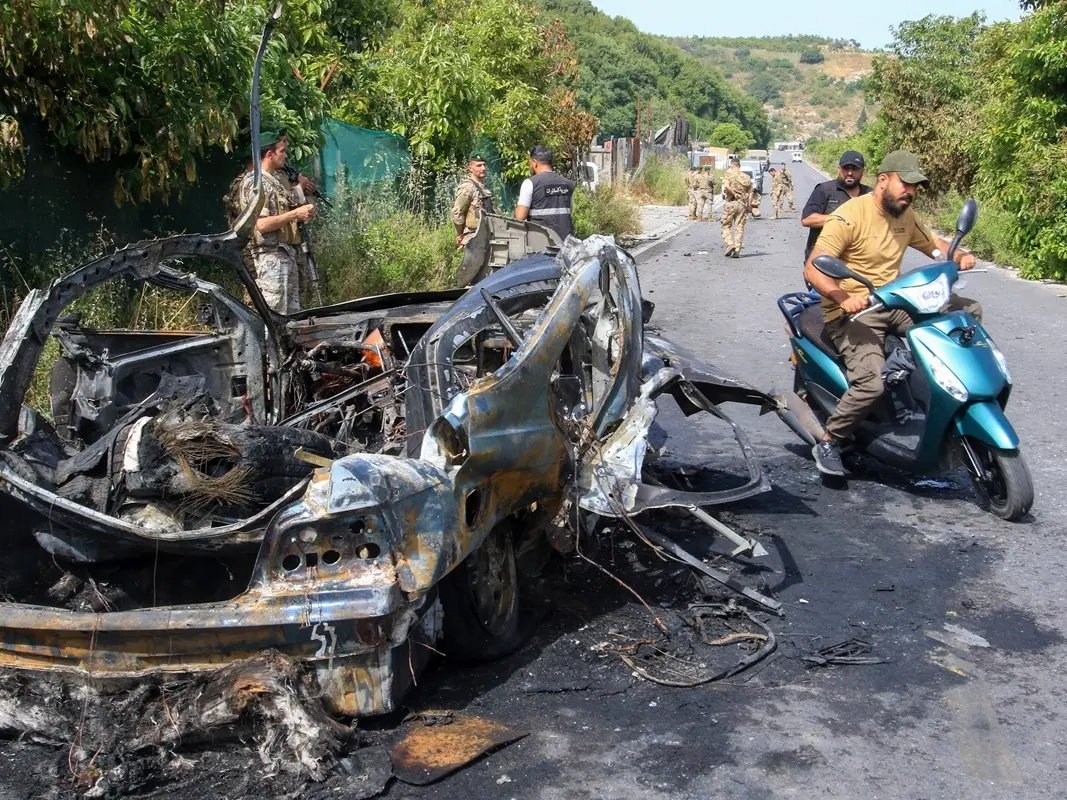
Last Friday evening, an Israeli airstrike hit a car in Froun, a village in southern Lebanon, marking yet another violent episode in a region already heavily impacted by decades of conflict. The area, historically a stronghold of the Shia Muslim community and Hezbollah, has long celebrated its fighters as “martyrs of the resistance,” with banners of those killed in battle hanging from lamp-posts across towns.
The strike killed a man whom the Israeli military described as a Hezbollah operative, while nearby residents watched in horror. Mohamad Mokdad, a local, recounted cleaning body parts from his veranda and trees after the attack. “Who is going to help us?” he asked, expressing the helplessness of civilians caught between warring parties. “I just want to live in peace. I don’t want anyone.”

Since the ceasefire deal brokered last November, ending the latest war with Hezbollah, Israel has continued targeted attacks almost daily, claiming they are aimed at preventing Hezbollah from rearming. Despite the ceasefire, Israeli forces maintain control over at least five hilltops in southern Lebanon and have conducted air and drone strikes on suspected Hezbollah targets. Last Sunday, a strike in the Dahieh district outside Beirut killed the group’s chief of staff along with four others.
Traveling to the border village of Yaroun, the reporter observed a newly constructed concrete wall erected by Israeli forces, an act Lebanese authorities say violates both the ceasefire and Lebanon’s sovereignty. Thousands of Lebanese remain displaced across the south, with international partners hesitant to fund reconstruction due to political deadlock over Hezbollah’s disarmament.
Locals describe a daily reality dominated by fear. Nayef al-Rida, who lives with his family in one of the few remaining houses in Yaroun, reported constant drone surveillance overhead. “This happens 24/7. We’ve got every reason to be afraid,” he said. Despite the area’s strong historical ties to Hezbollah, Mr. Rida expressed skepticism over the group giving up its weapons, stating, “We wait for God’s mercy. This is no life.”

The 13-month ceasefire, which followed a war that killed 4,000 Lebanese and 120 Israelis, had required Hezbollah to withdraw fighters and weapons south of the Litani River while Israeli troops pulled back from invaded areas. Tens of thousands of Lebanese civilians hoped for reconstruction and a return to normalcy, yet repeated strikes, drone activity, and ongoing occupation continue to undermine those hopes.
In Froun, residents are coping with both the psychological trauma of repeated attacks and the physical destruction of their communities. With banners commemorating fallen fighters still visible, locals are left to navigate the complex reality of surviving amid ongoing conflict while questioning the role and influence of Hezbollah in their daily lives. The sense of insecurity and the feeling that their lives have been upended are pervasive, leaving communities in southern Lebanon trapped in an unending cycle of fear and uncertainty.
Related News:
 Shook the ground under my feet: Panic as car blast hits near Delhi’s Red Fort
 Video shows Israeli troops kill Palestinians after surrender
 Trump Speaks on Prince Andrew’s Royal Scandal Fallout
 Pregnant UK Teen to Be Freed from Georgian Jail
 Just Stop Oil Protesters Convicted Amid Climate Defence Row
 British Grandmother to Return Home After Death Sentence in Bali
 Suicide Bombing at Islamabad Court Kills 12, Injures Dozens
 New Epstein Files Spark Political Clash in Washington
 Sydney Pair Accused of Running Multimillion-Dollar Scam
 Delhi Car Blast Kills Eight, Declared Terror Incident
 Ukraine Energy Corruption Scandal Hits Zelensky’s Inner Circle
 Early Trends Suggest Modi’s Alliance Leading in Key Bihar Election
 Oklahoma Governor Grants Last-Minute Clemency to Death Row Inmate
 Israel Confirms Returned Hostage as Meny Godard
 Tragedy Strikes Indian Pilgrims in Saudi Bus Accident
 Ex-PM Hasina Gets Death Penalty for Crimes Against Humanity
 Israeli Strike Kills 13 Near Palestinian Camp in Lebanon
 Trump Says Crown Prince Knew Nothing About Khashoggi Death
 Myanmar Military Busts Thai Border Scam Hub, 346 Arrested
 Teens ‘Ran Amok’ at Ex-MP’s Covid Testing Firm
 WhatsApp Messages Expose Nathan Gill’s Bribery
 South African Women Call Purple Protest Over Gender Violence
 Venezuela Threatens Nobel Winner Machado with Fugitive Status
 Trump Envoy to Discuss Ukraine Peace at Kremlin
 Twenty-Four Nigerian Schoolgirls Freed After Abduction
 Two National Guard Soldiers Critically Injured Near White House
 Sri Lanka Floods Leave 56 Dead, Dozens Missing
 India’s Labour Law Overhaul Sparks Fierce Debate
 Families wait in agony for missing after Hong Kong tower blaze
 Rare shark attack kills woman, injures man at remote NSW beach
 Tokyo court rules Japan’s same-sex marriage ban constitutional
 Chinese & Japanese Boats Clash Near Disputed Islands
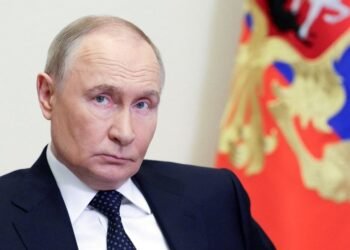 Putin Meets US Envoy Amid Key Ukraine Peace Talks
 Indonesia to Repatriate Two Dutch Drug Convicts
 Putin visits India as Ukraine peace, trade push intensifies
 Northern Ireland Family of Three Shot Dead in Maguiresbridge Home Incident
 Cooper Unveils £4m Cyber Plan Against Russian Hackers
 Peterborough Mosques Tighten Security After Attack
 Badenoch Warns Farage’s Grooming Gangs Plan Could Backfire
 FBI Director Kash Patel Defends Girlfriend Amid Government Jet Claims
 French Taxi Driver Cleared in David Lammy Theft Case After Fare Dispute
 UK Bans Fake Numbers: Scammers Lose Their Trick
 Top Christmas Books Reads: Classics to Cozy Romcoms
 BBC to Apologise Over Edited Trump Speech Amid Backlash
 Britain deploys RAF specialists to assist Belgium with drone threats
 How to get help when a child goes missing – call 999 urgently
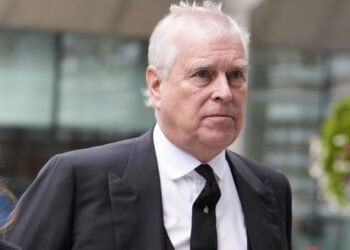 Palace May Restore Hyphen to Andrew Mountbatten-Windsor’s Name
 US Senate Passes Funding Bill to End Historic Shutdown
 Japan Deploys Police to Curb Deadly Bear Attacks
 US Justice Department Files Lawsuit Against California Over Partisan Voting Maps
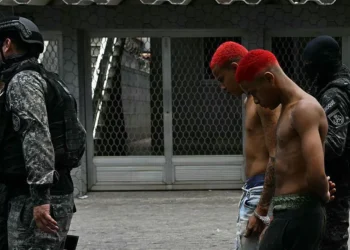 Rio Raid’s Death Toll Raises Questions About Gang Impact
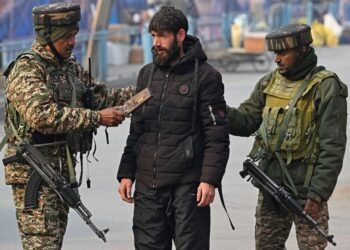 Indian authorities demolish Kashmir home linked to Red Fort blast
 Greene Pushes Epstein Files Amid Trump Fallout
 Trump Deploys DHS to Charlotte in Major Arrest Operation
 Japan Tourism Stocks Slide Amid China-Taiwan Row
 December Run-Off in Chile as Election Produces No Winner
 New Evidence Emerges in Haditha Family Killings
 Criminal Gangs Pose as Truckers to Hijack UK Supply Chains
 Zelenskyy Signs Fighter Jet Deal Amid Russian Drone Attacks
 Orban Says Ukraine Has ‘No Chance’ as EU Support Continues
 Mother Watches in Horror as Teen Daughter Dies on Tracks
 Canada Passes Carney’s First Budget in Tight Parliamentary Vote
 Charlotte Raids: 130 Arrested in Major Immigration Sweep
 Shadow Fleet at Sea: Europe’s Battle Against Illicit Oil Shipping
 Tiny Curacao Makes History as Smallest Nation to Reach World Cup
 Haiti Qualifies for World Cup Despite Coach Never Visiting Country
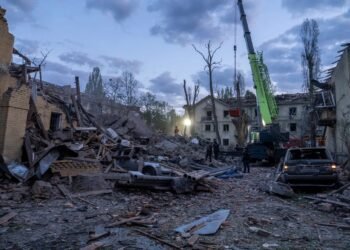 Deadly Russian Strikes Hit Western Ukraine, 20 Killed in Ternopil
 Serial Rapist and Former Cop Found Guilty Again
 Man Charged Over Attempted Murder of Senior Officer
 Man Denies Stealing Bronze Age Gold from Museum
 Pentagon Officials in Ukraine to Discuss War End
 Ukraine Peace Plan: Zelensky Ready for Dialogue
 Vietnam Battles Deadly Floods as Rains Continue
 India’s COP30 Delay Raises Global Climate Concerns
 Royal Navy Shadows Russian Warships Entering the Channel
 Runaway Driver Caught by DNA Evidence
 US Suspends Afghan Immigration After White House Shooting
 Georgians Defy Government Crackdown After Year of Protests
 Mbappe Scores 4 as Real Madrid Edge Olympiakos
 Global campaign launched to free Palestinian leader Barghouti