Published: 08 November 2025. The English Chronicle Desk. The English Chronicle Online.
Environmental protesters in the United Kingdom are reportedly being subjected to licence conditions upon release from prison that, until recently, were intended solely for offenders linked to extremism. This development has drawn criticism from legal experts and activists, who argue that the measures represent an overreach of government powers and an unprecedented curtailing of civil liberties for those engaging in peaceful protest.
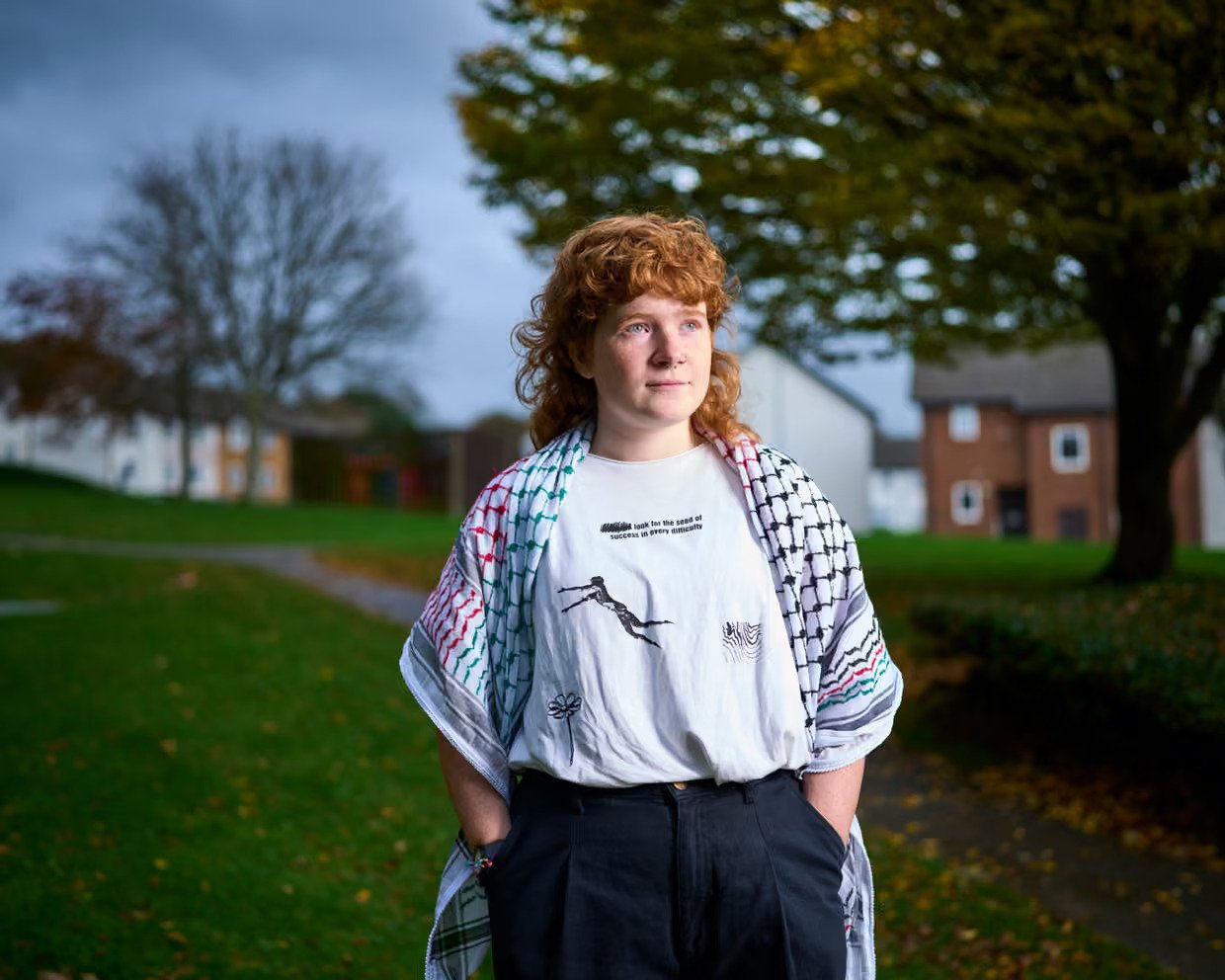
Ella Ward, a 22-year-old activist from Birmingham, was among the demonstrators affected by these restrictions. Ward, a student at Aberystwyth University and one of four Just Stop Oil campaigners who planned to glue themselves to the taxiway at Manchester Airport, was initially barred from attending any meetings or gatherings without explicit permission from her probation officer. The Ministry of Justice ultimately dropped this condition after Ward launched a legal challenge.

The policy in question falls under the HM Prison and Probation Service (HMPPS) guidelines as “specific extremism related conditions … which are restricted to those types of cases.” The Guardian has learned that other environmental activists have faced similar restrictions but have been unable to speak out publicly because they were simultaneously prohibited from contributing “directly or indirectly” to any website—a condition originally reserved for extremist cases but later extended to certain gang-related offenders.
Ward described the impact of these restrictions on her daily life after release. Having spent nine months on remand before being handed an 18-month sentence, she was released on licence in May. She recalled feeling a mixture of relief and frustration at the limitations imposed: “It was a mix of being obviously very happy and excited to be getting out, with seeing how much my freedoms were going to be restricted when I was out. There was lots of things I could do while I was in prison which I then couldn’t do as soon as I walked out of the gates.”
She highlighted what she perceives as a growing pattern of increased repression against activists engaged in direct action. “We know they’re using extremism much more broadly, but to have it put on me personally was pretty upsetting. It felt like an extension of the punishment, as opposed to an actual attempt to manage risk or protect the community,” Ward said.
The controversy also intersects with treatment of other activists, particularly those accused of Palestine Action-related offences. Individuals awaiting trial for allegedly taking part in an action against an Israeli arms factory near Bristol have reported facing harsher conditions in custody, in part because their alleged offences were framed by prosecutors as having a “terrorism connection.”
Ward detailed further practical limitations imposed by her licence conditions. She was reportedly told she could not work in a café that hosted political events or meet friends there. Other conditions restricted her from associating with anyone currently or previously involved in protest groups, leaving her uncertain about her ability to interact with family and friends. These constraints were compounded by a requirement to live at her parents’ home under a tag-monitored curfew, highlighting the breadth and impact of the restrictions.
Following legal intervention, Ward withdrew her judicial review proceedings after the Ministry of Justice agreed to remove the problematic conditions. She expressed relief but noted the ordeal left her reflecting on broader implications for civil liberties: “The restrictions left me uncertain about whether I could associate with friends or family members, even though other conditions required me to live and sleep at my parents’ home. It was deeply concerning.”
Johanna McDavitt of ITN Solicitors, who represented Ward, voiced criticism of the government’s approach. “It is concerning to see that the government is using powers that should be reserved for extremist offenders to control and monitor the actions of those involved in peaceful protest. We hope that the government will now review and reconsider its use of these licence conditions, which place serious restrictions on freedom of speech and freedom of association,” she said.
A spokesperson for HMPPS did not directly address concerns about the use of extremism-related conditions for environmental protesters but stated that non-standard licence conditions are regularly reviewed and may be relaxed if they are deemed no longer necessary. While the ministry emphasized oversight and flexibility in its response, civil liberties advocates argue that the precedent raises serious questions about proportionality, fairness, and the potential chilling effect on legitimate activism.
The controversy reflects wider debates in the UK about the boundaries of lawful protest, freedom of expression, and the role of the state in monitoring and controlling activist activity. Legal experts warn that conflating environmental activism with extremism risks undermining democratic rights and discouraging public engagement on pressing social and environmental issues. Critics argue that activists challenging climate policies should be treated as part of civil society, not as security threats, and that licence conditions intended for extremists are disproportionate in this context.

Ward’s case has prompted renewed scrutiny of the Ministry of Justice and HMPPS policies. It also highlights the increasing complexity of managing protest-related offences within the justice system, particularly when balancing public safety with the rights of individuals to engage in lawful, non-violent activism. Observers note that applying restrictions originally designed for terrorism or gang-related cases to environmental protesters raises questions about both legal precedent and ethical governance.
As the debate continues, Ward and her fellow campaigners remain vocal about the need for reform, advocating for clearer distinctions between genuine security risks and peaceful protest activity. Their experiences underscore the tension between state control and civil liberties, a discussion that is likely to continue as climate activism and other forms of direct action remain at the forefront of public attention in the UK.
Related News:
 Mother dies after black market weight loss injection
 Young Woman Missed 13 Times by GPs Before Bowel Cancer Diagnosis
 Peterborough Mosques Tighten Security After Attack
 Nearly 48,000 Zombie Knives Removed from UK Streets in a Year
 Prince Andrew Stripped of Title: Giuffre Family Hails Historic Moment
 Metal Detectors at Stations ‘Would Make Life Impossible,’ Says Minister
 Experts Warn on Home Birth Risks, Call for Skilled Midwives
 British Grandmother to Return Home After Death Sentence in Bali
 Boris Johnson accused of undermining BBC leadership
 Bar Council urges legal aid for all domestic abuse family cases
 Second world war veterans honoured as King leads Remembrance Sunday
 How to get help when a child goes missing – call 999 urgently
 ‘Reckless’ cuts to victims’ services will cost more than they save
 Judges to Decide Fate of Chief Constable Guilty of Contempt
 How age progression images help trace missing people
 Leading doctors issue warning amid ‘bad’ flu season
 Mum Calls for New Licence Rules After Teen Road Death
 Mother Watches in Horror as Teen Daughter Dies on Tracks
 Podcaster Faces Abuse Charges Over Controlling Behaviour
 Inside the Helpline Protecting Missing Children in the UK
 DWP to Reassess Hundreds of Thousands in Carer Allowance Scandal
 Sudanese Family Vows to Stay After Racist Graffiti
 MPs Warn Thousands Still Face Poverty Despite Labour’s Welfare Reform Retreat
 FBI and NSPCC Sound Alarm Over Alarming Surge in Child Sextortion Cases Online
 Alarming rise in abusive teen relationships in the UK sparks urgent warnings
 Akinwale Arobieke Found Dead at Liverpool Home
 UK Doctors Guilty of Sexual Misconduct Continue Practising Amid Weak Sanctions, Research Finds
 Northern Ireland Faces Fears of Prolonged Race Riot “Permacrisis”
 Zarah Sultana Seeks Legal Action After Bitter Clash with Jeremy Corbyn Over Party Membership Funds
 Anti-Immigration Protesters and Counter-Protesters Clash in Glasgow
 Majority of UK Men Would Opt for Prostate Cancer Screening, Survey Finds
 Massive London Poundland Fire Engulfs High Street
 Ambulance Worker Fired After Flinging Amputee from Wheelchair and Offering Bribe
 Prunella Scales: From Fawlty Towers Icon to Beloved Canal Explorer
 Hospice Cuts Raise Alarm Across England Amid Funding Crisis
 UK Woman Loses Child Benefit After Booking Flight She Never Took
 UK launches search for first-ever ‘town of culture’ to highlight overlooked areas
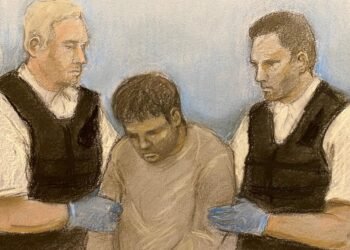 Afghan man charged with murder after west London knife attack
 Mass Stabbing on Doncaster to London Train Leaves Ten Injured
 Children to Learn Local History in Major Curriculum Overhaul
 FBI Director Kash Patel Defends Girlfriend Amid Government Jet Claims
 Hollywood Is an Industry of Looney Tunes Pretending to Be Normal
 French Taxi Driver Cleared in David Lammy Theft Case After Fare Dispute
 The Lowry Hotel: Manchester’s Iconic Five-Star Retreat
 UK Bans Fake Numbers: Scammers Lose Their Trick
 Prince William Plants Trees with Brazil’s Nature Heroes
 Just Stop Oil Protesters Convicted Amid Climate Defence Row
 Greta Thunberg Backs Student Facing UK Visa Revocation
 Kent village told to remove flags before Christmas lights go up
 Oprah enjoys Meghan’s jam on English muffins
 Newcastle United Lifts Ban on Fan Over Gender-Critical Views
 North Sea oil workers must lose weight or face job loss
 Madeleine McCann Suspect Forced into Woodland Hideout After Release
 UK toy market enjoys bumper year as ‘kidults’ fuel demand
 Politics latest: Starmer ‘will fight any leadership coup’ as Streeting denies attempt to oust Labour PM
 Son Reveals UK Couple in Iran Resort to Hunger Strike for Help
 South Korea’s Jeju Island Faces Rising Tide of Illicit Drugs
 Met Police Clarifies Scale of Grooming Gang Cases
 UK Asylum Overhaul Sparks Debate Over Human Rights and Deportations
 UK Asylum Reforms: Temporary Refugee Status and Faster Deportations
 UK Candidate Moved to Safe House After Election Threats
 Paralegal Fired After Exposé on Illegal Worker Scam
 Agency Workers Vote to Join Picket Lines Amid Dispute
 ‘Traumatic Wait’: Northern Ireland Women Face Breast Cancer Delays
 Commuters warned as yellow snow and ice alert hits Northern Ireland
 Serial Rapist and Former Cop Found Guilty Again
 Kate Forbes: Motherhood Harder Than Politics
 TikTok Star Jessie Yendle Mocked by KFC
 Coffins Now Too Large to Cremate Amid Rising Obesity Crisis
 Reeves to Crack Down on Benefit Fraud While Lifting Two-Child Limit
 Most Tories Expect to Support a Farage-Led Government
 Carer’s Allowance Chaos Draws Parallels With Post Office Scandal
 Labour MP claims devolution bill is ‘blatant discrimination’ against Cornwall
 Planned Palestinian Flag Raising at Belfast City Hall Faces Delay Amid Legal Concerns
 Fibromyalgia Patients Struggle as NHS Fails to Provide Care
 Machynlleth High Street Left Without Christmas Lights
 Second homes curbs quashed in Gwynedd legal ruling
 Search underway for British man overboard off Tenerife
 Virgin Media Fined £23.8m Over Telecare Safety Failures
 Prince George Helps Father at London Homelessness Charity