Published: 04 November 2025. The English Chronicle Desk. The English Chronicle Online.
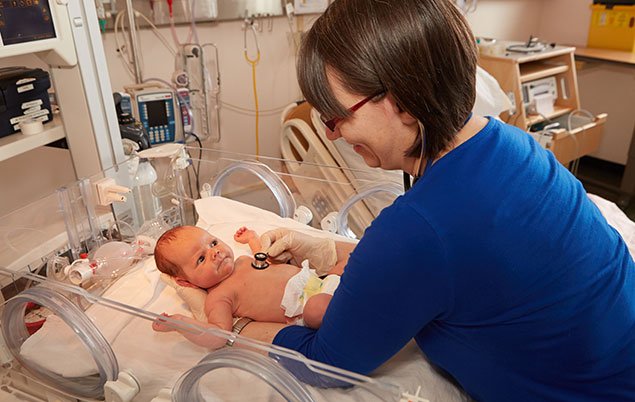
Women must be given clearer warnings about the potentially fatal dangers of giving birth at home and should only be assisted by highly experienced midwives, health experts have cautioned. Globally, maternity services are facing an increasing number of women with more complex pregnancies, yet many continue to opt for home births, drawn by the comfort, privacy, and emotional security of a familiar environment. For some, the decision stems from previous traumatic hospital experiences, which leave lasting fear and anxiety about delivering in a clinical setting again.
However, access to safe, reliable, and consistently staffed home birth services remains uneven. In many areas, staffing shortages, inconsistent training, and local policy limitations mean that not all women can rely on proper support during home births. While some regions have dedicated home birth teams, others depend on overstretched community midwives who must juggle multiple responsibilities. This gap in care can have serious consequences when complex pregnancies or unexpected complications arise.

The dangers of inadequately supported home births were starkly highlighted in a tragic case in Rochdale, England. A coroner’s court ruled that both mother and child died due to “gross failure to provide basic medical care” during a home birth. Jennifer Cahill, 34, died hours after suffering a haemorrhage while giving birth at home in Prestwich on 3 June 2024. Her daughter, Agnes Lily, was delivered not breathing because the umbilical cord had wrapped around her neck. Agnes later died in hospital, joining her mother in a heartbreaking loss that could have been prevented with proper medical care.
Manchester University NHS Foundation Trust accepted there were “serious failures” in the care provided and issued a formal apology to the family. In England and Wales, around one in 50 births occur at home, a practice generally recommended only for low-risk pregnancies. Cahill’s pregnancy, however, was classified as high-risk due to her previous postpartum haemorrhage. Despite being advised to deliver in hospital, she was not fully informed of the potential dangers of a home birth. The court heard that medical staff often used vague phrases such as “out of guidance” rather than explicitly stating the procedure was “against medical advice,” leaving Cahill unable to make a fully informed choice.
Kim Thomas, chief executive of the Birth Trauma Association, described the case as “an unbearably sad instance of two avoidable deaths.” She explained that many women who have experienced traumatic hospital births may hesitate to return to clinical settings for subsequent deliveries. While home births are sometimes chosen for emotional and psychological reasons, high-risk pregnancies require careful consideration and support from experienced medical professionals.
The inquest further revealed systemic issues in the care provided during the Cahill home birth. Both attending midwives had worked 12-hour shifts and had been awake for more than 30 hours when the delivery began, limiting their capacity to handle the complex situation. Critical monitoring, such as blood pressure readings and the baby’s heart rate, was inadequately recorded. In one case, the baby’s heart rate was noted on a spare incontinence pad, which was later discarded, leaving no reliable record. One of the midwives testified that there had been “unease in the office” about home birth requests, reflecting wider staffing pressures and morale concerns.
Dr Shuby Puthussery, associate professor in maternal and child health at the University of Bedfordshire, emphasized that only midwives with advanced training and extensive experience should attend high-risk home births. She highlighted the importance of transparent discussions with women about potential complications, including the possibility of needing urgent hospital transfer. Women must understand that delays in accessing specialist care could have severe consequences for both mother and baby.
Professor Asma Khalil, consultant obstetrician and vice-president of the Royal College of Obstetricians and Gynaecologists, stressed that while home births may be suitable for women with low-risk, uncomplicated pregnancies, first-time mothers or those with high-risk pregnancies face higher risks. She cited complications such as umbilical cord entanglement, uterine rupture, and postpartum haemorrhage, which require immediate access to hospital care. In Cahill’s case, she suffered a haemorrhage that resulted in the loss of almost half her blood volume and went into cardiac arrest en route to hospital. She ultimately died from multiple organ failure.
Khalil also noted that trends in childbirth are evolving, with more women opting for caesarean sections and inductions. These changes place additional demands on maternity services, highlighting the need for sufficient staffing, training, and resources. Governments and healthcare providers must ensure that maternity services can safely manage increasingly complex births while respecting women’s choices.
Katherine Walker, service development manager at the National Childbirth Trust, underscored the importance of respecting women’s decisions about where to give birth, while ensuring those decisions are informed and supported. Even for low-risk pregnancies, she advised that women should discuss hospital transfer plans in advance and understand that their birth setting may change if complications arise. Walker also highlighted the so-called “postcode lottery,” where access to safe home birth services varies greatly depending on location. In some regions, dedicated home birth teams provide comprehensive care, while in others, overstretched community midwives struggle to deliver adequate support.

Experts agree that a safe and supportive maternity system requires investment in midwives, adequate staffing, and robust protocols for home births. Women must be fully informed of both the benefits and risks, particularly in high-risk pregnancies. The right to choose a home birth exists, but it should not come at the cost of safety, and only properly trained and experienced professionals should oversee complex deliveries.
In conclusion, while home births can be a positive experience for some women, the evidence is clear that they carry risks, especially for those with medical complications or first-time pregnancies. Ensuring women can make informed choices requires transparent communication, well-staffed services, and the availability of highly skilled midwives. Governments and healthcare providers must prioritize maternity care that is safe, personalised, and responsive to the needs of every woman, whether she chooses to deliver at home or in a hospital setting. Only then can the benefits of home birth be realised without compromising the health and lives of mothers and babies.
Related News:
 Mother dies after black market weight loss injection
 Young Woman Missed 13 Times by GPs Before Bowel Cancer Diagnosis
 Leading doctors issue warning amid ‘bad’ flu season
 Alarming rise in abusive teen relationships in the UK sparks urgent warnings
 UK Doctors Guilty of Sexual Misconduct Continue Practising Amid Weak Sanctions, Research Finds
 Majority of UK Men Would Opt for Prostate Cancer Screening, Survey Finds
 Ambulance Worker Fired After Flinging Amputee from Wheelchair and Offering Bribe
 Peterborough Mosques Tighten Security After Attack
 Hospice Cuts Raise Alarm Across England Amid Funding Crisis
 Nearly 48,000 Zombie Knives Removed from UK Streets in a Year
 Prince Andrew Stripped of Title: Giuffre Family Hails Historic Moment
 Metal Detectors at Stations ‘Would Make Life Impossible,’ Says Minister
 Experts Urge Legal Right to Timely Cancer Care
 British Grandmother to Return Home After Death Sentence in Bali
 NHS Takes Over Nuffield Hospital in ‘Windfall’ for London Care
 Jailed UK climate protesters face extremist-style restrictions
 Boris Johnson accused of undermining BBC leadership
 North Sea oil workers must lose weight or face job loss
 Crisis charity to become landlord amid UK housing emergency
 No link found between paracetamol in pregnancy and autism
 Bar Council urges legal aid for all domestic abuse family cases
 Second world war veterans honoured as King leads Remembrance Sunday
 How to get help when a child goes missing – call 999 urgently
 ‘Reckless’ cuts to victims’ services will cost more than they save
 UK Disability Pay Gap Means Millions Work for Free From Today
 Judges to Decide Fate of Chief Constable Guilty of Contempt
 Shouting Works Best to Deter Gulls, UK Study Finds
 Reeves rejects £1bn plea for NHS redundancy payouts
 NHS trust fined after woman takes life in mental health unit
 How age progression images help trace missing people
 UK Centres Used Risky Heart Pump Despite Safety Fears
 New Campaign Trains Vets to Spot Farmers’ Health Risks
 Mum Calls for New Licence Rules After Teen Road Death
 Mother Watches in Horror as Teen Daughter Dies on Tracks
 ‘Traumatic Wait’: Northern Ireland Women Face Breast Cancer Delays
 Podcaster Faces Abuse Charges Over Controlling Behaviour
 Coffins Now Too Large to Cremate Amid Rising Obesity Crisis
 David Cameron Reveals Prostate Cancer Diagnosis, Advocates Screening
 Inside the Helpline Protecting Missing Children in the UK
 DWP to Reassess Hundreds of Thousands in Carer Allowance Scandal
 Inquiry Opens Into Disgraced Surgeon Eljamel Scandal
 Sudanese Family Vows to Stay After Racist Graffiti
 Five-Year-Old Dies After Rare Tonsil Surgery Complication
 Fibromyalgia Patients Struggle as NHS Fails to Provide Care
 More Patients Now Contacting GPs Online, Data Shows
 The Ketamine Crisis in the UK is a Silent Epidemic Leaving Users with Lifelong Pain
 Why E-Bikes and E-Scooters Are Making Streets a ‘Nightmare’ for Blind People
 Systemic Racism in Maternity Care Continues to Endanger Black Women in England, MPs Warn
 One in Three GPs in England Do Not Work in NHS, Raising Concerns Over Access to Care
 Northern Ireland Faces Fears of Prolonged Race Riot “Permacrisis”
 Zarah Sultana Seeks Legal Action After Bitter Clash with Jeremy Corbyn Over Party Membership Funds
 Massive London Poundland Fire Engulfs High Street
 One in 12 Secondary Pupils Sent to Isolation Weekly
 M&S and Morrisons Lead Christmas Supermarket Taste Test
 UK Woman Loses Child Benefit After Booking Flight She Never Took
 Celebrities and Charities Demand UK Government Act on Child Poverty
 Mass Stabbing on Doncaster to London Train Leaves Ten Injured
 Children to Learn Local History in Major Curriculum Overhaul
 FBI Director Kash Patel Defends Girlfriend Amid Government Jet Claims
 The Lowry Hotel: Manchester’s Iconic Five-Star Retreat
 Prince William Plants Trees with Brazil’s Nature Heroes
 Just Stop Oil Protesters Convicted Amid Climate Defence Row
 Greta Thunberg Backs Student Facing UK Visa Revocation
 London’s Childlessness Crisis: Schools Closing as Families Shrink
 Politics latest: Starmer ‘will fight any leadership coup’ as Streeting denies attempt to oust Labour PM
 Son Reveals UK Couple in Iran Resort to Hunger Strike for Help
 Working-Class Men with Prostate Cancer Left Behind by NHS
 Agency Workers Vote to Join Picket Lines Amid Dispute
 Commuters warned as yellow snow and ice alert hits Northern Ireland
 Healthy Habits in Your 30s That Boost Life in Your 70s
 Serial Rapist and Former Cop Found Guilty Again
 Most Tories Expect to Support a Farage-Led Government
 Labour MP claims devolution bill is ‘blatant discrimination’ against Cornwall
 Vicki Fears Losing Motability Car
 Delhi’s Toxic Air Crisis Leaves Children Sick and Vulnerable
 Search underway for British man overboard off Tenerife
 “Enough is Enough”: Local MP Vows to Fight Rainham Quarry Plans
 Virgin Media Fined £23.8m Over Telecare Safety Failures
 Ministers to back regulation of England’s funeral industry
 Prince George Helps Father at London Homelessness Charity