Published: 08 November 2025. The English Chronicle Desk. The English Chronicle Online.
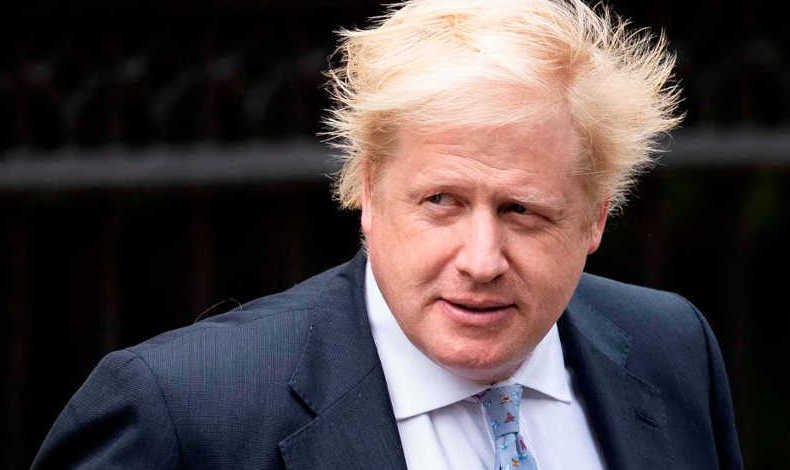
Former UK Prime Minister Boris Johnson and figures associated with him are reportedly at the centre of concerns that they may be attempting to undermine the leadership of the BBC, insiders fear, following the leak of a memo that criticised the corporation’s reporting on Donald Trump, trans rights, and the situation in Gaza. The controversy has placed the BBC’s director general, Tim Davie, and senior editorial staff under intense scrutiny, amid growing debate over the independence and governance of the UK’s public broadcaster.
The memo, authored by Michael Prescott, a former independent external adviser to the BBC’s Editorial Guidelines and Standards Committee (EGSC), reportedly outlined perceived biases in BBC coverage. Parliament’s culture, media and sport committee has demanded to know the BBC’s response, setting a deadline for Monday, while the BBC board compiles its official reply.

Insiders familiar with the situation suggested that the leak to the Daily Telegraph and the subsequent criticisms voiced by Johnson may form part of a broader effort to influence the BBC’s leadership at a sensitive time. The organisation is engaged in negotiations with the government over the renewal of its charter, and concerns have grown about attempts to shape its editorial direction.
Johnson told the Telegraph that Davie “must either explain or resign” over the claims in Prescott’s memo, asserting that the BBC had been “caught red-handed in multiple acts of leftwing bias.” However, Johnson dismissed suggestions that he or his associates were trying to undermine the BBC as “complete and utter bollocks.” He claimed he had not been in contact with Prescott or Robbie Gibb, a former Downing Street communications director and current BBC board member, for many years, and that he only became aware of Prescott’s report when it appeared online.
Robbie Gibb, who was Theresa May’s communications director and played a role in the launch of rightwing news channel GB News, has previously faced scrutiny over his influence on the BBC board. Sources have indicated that Gibb was instrumental in Prescott’s appointment as an adviser to the EGSC, noting that they had previously been reported as friends. Prescott left his BBC advisory role during the summer, and he is now preparing to appear before the Commons culture, media and sport committee to discuss his findings.
The leaked memo reportedly questioned the impartiality of BBC coverage on several high-profile topics. Prescott highlighted an edition of Panorama, broadcast a week before the US presidential election, suggesting that the programme selectively edited Donald Trump’s speech to give the impression that he explicitly encouraged the Capitol attack. The clip was described as being spliced from sections of Trump’s speech nearly an hour apart, raising concerns about editorial practices.
Prescott also cited issues within BBC Arabic, referencing a review by journalist David Grossman which allegedly identified “systemic problems” and suggested anti-Israel bias. According to Prescott, insufficient action had been taken following the report. The BBC disputes these claims, noting that the EGSC minutes from March confirmed that structural and management changes had been made, and that additional steps were implemented in response to the review. A spokesperson said: “Where mistakes have been made or errors have occurred, we have acknowledged them at the time and taken action. Certain contributors were no longer featured to prevent a repeat of these issues.”
The situation has raised questions about the role of Prescott and Gibb in influencing editorial decisions. In 2021, the Johnson government faced criticism over potential conflicts of interest when Prescott was appointed as a senior external interviewer to help select the next chair of Ofcom, the UK’s media regulator. At the time, the government was pushing for Paul Dacre, the former editor of the Daily Mail, to secure the position. A government spokesperson defended the recruitment process as fair and open, stating that Prescott’s role had been approved by the independent commissioner for public appointments.
Gibb has also previously been accused of attempting to block senior editorial appointments on political grounds, including the potential placement of Jess Brammar, former editor of HuffPost UK and deputy editor of BBC Newsnight, in a senior role overseeing the BBC’s news channels. A BBC spokesperson maintained that board members are generally permitted to discuss matters with fellow board members or senior executives, asserting that these principles were followed.
The controversy has sparked wider concern among commentators and lawmakers about the independence of the BBC. Critics argue that repeated scrutiny from political figures, coupled with insider influence on the board, threatens the broadcaster’s impartiality at a critical time when public confidence in media neutrality is paramount. The debate is also intensifying as the BBC approaches crucial discussions regarding the renewal of its charter, a process that will shape its funding, governance, and editorial autonomy for years to come.
Prescott, in his memo, insisted that he has never been affiliated with any political party and does not hold fixed views on matters such as American politics or Middle East disputes. He maintained that his observations about BBC coverage were not motivated by political bias. Nonetheless, Johnson and other Conservative figures, including Kemi Badenoch, have publicly criticised the BBC, with calls for accountability and resignations following the memo’s release.
The Commons culture, media and sport committee has indicated that Prescott’s upcoming appearance is unusual. Committee member Rupa Huq described one-person panels composed of partisan figures as “highly unusual,” emphasising that this type of testimony is not a standard part of parliamentary oversight. Much now depends on the BBC board’s official response and its ability to demonstrate adherence to editorial standards and independence from political pressure.

As discussions continue, the episode highlights ongoing tensions between political figures and public service media in the UK. It underscores the delicate balance between government oversight, editorial freedom, and the public’s right to impartial reporting. While the BBC maintains that its policies and board appointments comply with established processes, critics warn that perceptions of political interference could undermine trust in the institution.
Observers note that the outcome of this episode may have significant implications for the BBC, not only in terms of editorial decisions but also in shaping public perception of media impartiality in an increasingly polarised political environment. The controversy is likely to be closely monitored, with particular attention on the roles of Johnson, Gibb, and Prescott in influencing or challenging the broadcaster’s leadership.
Related News:
 ‘Reckless’ cuts to victims’ services will cost more than they save
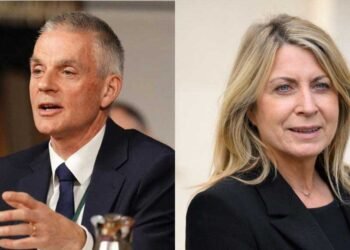 Tim Davie resigns as BBC director general amid bias claims
 Second world war veterans honoured as King leads Remembrance Sunday
 Politics latest: Starmer ‘will fight any leadership coup’ as Streeting denies attempt to oust Labour PM
 Most Tories Expect to Support a Farage-Led Government
 MPs Warn Thousands Still Face Poverty Despite Labour’s Welfare Reform Retreat
 Green Party Faces Leadership Divide Over Direction and Strategy
 Zarah Sultana Seeks Legal Action After Bitter Clash with Jeremy Corbyn Over Party Membership Funds
 Anti-Immigration Protesters and Counter-Protesters Clash in Glasgow
 Lib Dems Urged to Focus on Policy Over Stunts, Survey Shows
 Zarah Sultana and Jeremy Corbyn Reunite Amid New Party Plans
 Mother dies after black market weight loss injection
 Young Woman Missed 13 Times by GPs Before Bowel Cancer Diagnosis
 Peterborough Mosques Tighten Security After Attack
 It’s time to come clean on the China spy case
 Nearly 48,000 Zombie Knives Removed from UK Streets in a Year
 Boris Johnson: Tories Risk Election Loss if They ‘Bash the Green Agenda’
 Rachel Reeves Admits Renting Home Without Required Licence
 Prince Andrew Stripped of Title: Giuffre Family Hails Historic Moment
 UK Anti-Islamophobia Head Reports Being Refused Service Over Faith
 Green Party Surges Past Labour in Latest UK Poll
 Celebrities and Charities Demand UK Government Act on Child Poverty
 Reform Councillor Defects to Tories Over ‘Uncomfortable’ Policies
 Experts Question HMRC Over Possible Child Benefit Privacy Breach
 Metal Detectors at Stations ‘Would Make Life Impossible,’ Says Minister
 FBI Director Kash Patel Defends Girlfriend Amid Government Jet Claims
 Experts Warn on Home Birth Risks, Call for Skilled Midwives
 French Taxi Driver Cleared in David Lammy Theft Case After Fare Dispute
 Company linked to Michelle Mone owes £39m in tax
 Met Police Culture Makes Racial Harm ‘Inevitable’
 Nicola Sturgeon Urges SNP to Oppose New Oil Fields
 British Grandmother to Return Home After Death Sentence in Bali
 Eleven Arrested After Pro-Palestine Protest at Villa Match
 Jailed UK climate protesters face extremist-style restrictions
 Remaining rebel Labour MPs have whip restored
 Bar Council urges legal aid for all domestic abuse family cases
 How to get help when a child goes missing – call 999 urgently
 BBC Faces Backlash as Reform UK Withdraws from Film
 Wes Streeting Denies Leadership Plot Against Starmer
 Judges to Decide Fate of Chief Constable Guilty of Contempt
 Tim Davie Defends BBC Amid Bias Scandal Storm
 Reeves rejects £1bn plea for NHS redundancy payouts
 British state supplied victims to ‘worst sex offender in history’
 How age progression images help trace missing people
 Leading doctors issue warning amid ‘bad’ flu season
 PM Condemns Leaks, Vows Loyalty to Ministers and Stability
 Victims’ commissioner Baroness Newlove dies aged 63
 Crowborough Protest Over Plan to House 600 Asylum Seekers
 UK Asylum Overhaul Sparks Debate Over Human Rights and Deportations
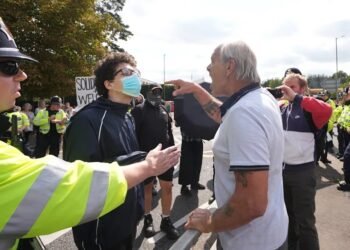 UK Asylum Reforms: Temporary Refugee Status and Faster Deportations
 Mum Calls for New Licence Rules After Teen Road Death
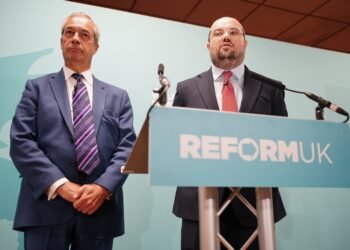 UK Candidate Moved to Safe House After Election Threats
 Mother Watches in Horror as Teen Daughter Dies on Tracks
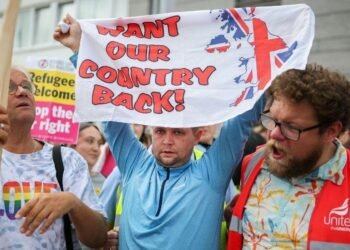 Scottish Ministers Express Alarm Over UK Asylum Reforms
 Labour Faces Historic Decline in Wales
 PM Shares Emotional Letter to Son on Men’s Struggles
 MP Offers Seat to Help Burnham Challenge Starmer
 Podcaster Faces Abuse Charges Over Controlling Behaviour
 Kate Forbes: Motherhood Harder Than Politics
Reeves to Crack Down on Benefit Fraud While Lifting Two-Child Limit
Kate Forbes: Motherhood Harder Than Politics
Reeves to Crack Down on Benefit Fraud While Lifting Two-Child Limit
 BBC to Expand Standards Panel and Create Deputy Director Role
 Inside the Helpline Protecting Missing Children in the UK
 DWP to Reassess Hundreds of Thousands in Carer Allowance Scandal
 BBC Chairman Faces Scrutiny Over Bias Claims
 Labour MP claims devolution bill is ‘blatant discrimination’ against Cornwall
 Ex-Classmate Accuses Farage of Dishonesty on Racism Claims
 Planned Palestinian Flag Raising at Belfast City Hall Faces Delay Amid Legal Concerns
 Sudanese Family Vows to Stay After Racist Graffiti
 Ex-Brexit MEP Rejects Claim of Pro-Russia Payments
 Kent Reform Councillors Criticised Over Political Staff Spending
 The Fight for Trans Safety Is a Fight for Everyone’s Safety — MPs Must Debate This Crucial Issue
 Northern Ireland Faces Fears of Prolonged Race Riot “Permacrisis”
 Massive London Poundland Fire Engulfs High Street
 Trump’s UK Ambassador Urges North Sea Drilling to Strengthen US Ties
 UK Bans Fake Numbers: Scammers Lose Their Trick
 Starmer Faces Growing Dissent as Labour MPs Weigh Leadership Challenge
 ‘Traumatic Wait’: Northern Ireland Women Face Breast Cancer Delays
 Serial Rapist and Former Cop Found Guilty Again
 Fibromyalgia Patients Struggle as NHS Fails to Provide Care
 Virgin Media Fined £23.8m Over Telecare Safety Failures