Published: 04 May 2026. The English Chronicle Desk. The English Chronicle Online.
The halls of democratic power often echo with the voices of those seeking influence. Recent events in the Australian Senate have sparked a fierce debate over transparency and ethics. Anti-smoking campaigners are now accusing the Coalition of granting tobacco giants a secret platform. This move supposedly breaks over fifteen years of precedent designed to protect vital public health. Representatives from Philip Morris appeared before a special committee on Monday to discuss illegal trade. The session was chaired by Liberal senator Leah Blyth and included several key stakeholders. Other attendees included members of the Australian Border Force and various prominent health advocacy groups. However, the decision to hear from cigarette manufacturers in private has caused massive political friction. Labor and the Greens raised immediate concerns regarding the closed nature of the Canberra session. The official committee program for the day notably failed to list any private witness testimonies. This lack of public notification is being viewed by critics as a significant transparency failure. Senator Jana Stewart expressed deep frustration over the exclusion of the public from these talks. She argued that public officials must remain cautious about any influence from the tobacco industry.
Global standards for health policy emphasize that tobacco interference must be strictly and carefully avoided. The World Health Organization maintains clear guidelines for governments to ensure public health remains protected. Health Minister Mark Butler recently reminded the committee of these international obligations through a formal letter. He stressed that interactions with tobacco executives should only occur when they are strictly necessary. Any such meetings must be conducted with the highest levels of transparency and public oversight. Butler advised the committee against inviting representatives who might undermine these vital global health obligations. Despite this advice, the private session proceeded, leading to a clash within the senate chambers. Senator Jordon Steele-John confirmed the private hearing took place and promised to release the transcript. He explicitly shared his opposition to the presence of these witnesses during the private exchange. The senator believes that the public has a right to know what was discussed internally. Such secret meetings are often seen as a step backward for modern tobacco control efforts. Many fear that private access allows for lobbying that circumvents the usual democratic safeguards.

The Australian Council on Smoking and Health has voiced its own strong objections to today. Chief executive Laura Hunter stated that the tobacco industry cannot be viewed as neutral actors. She argued that their commercial profits depend entirely on the continued sale of harmful products. This inherent conflict of interest makes their participation in policy making highly problematic for health. Hunter believes that including these commercial actors compromises the integrity of the entire decision-making process. The primary goal of health policy should be the preservation of life, not corporate profit. Allowing these companies a private platform suggests a level of influence that many find unacceptable. This sentiment was echoed by other health leaders who attended the public parts of hearing. They pointed out that the industry has a long history of denying medical evidence. For decades, tobacco firms have struggled against regulations designed to reduce smoking rates across society. Critics suggest that their current tactics follow a familiar pattern of obfuscation and public denial. The controversy highlights a growing tension between political processes and the demands of public health.

Historical context provides a grim backdrop to the current accusations facing the Australian Senate today. Mark Brooke of the Lung Foundation reminded the hearing of the industry’s past testimony records. He noted that tobacco companies famously denied the links between smoking and cancer for years. This legacy of misinformation makes current health advocates extremely wary of any behind-the-scenes political dealings. While companies claim they want to un-smoke the world, they often challenge meaningful government regulations. These contradictions make it difficult for health experts to trust the intentions of tobacco lobbyists. Jacinta Reddan of Cancer Council Australia noted that such a platform is quite rare today. It has been sixteen years since big tobacco last had a formal platform in parliament. The sudden shift toward private sessions is being viewed as a dangerous and regressive step. Article 5.3 of the WHO framework was specifically created to prevent this kind of interference. Public health policy is most effective when it is insulated from the interests of manufacturers. By moving these discussions behind closed doors, the committee has bypassed essential public scrutiny.
The political fallout from this secret hearing is expected to continue throughout the coming week. Assistant Minister for Customs Julian Hill called on the Coalition to explain their recent choices. He stated that Australians should be shocked by the decision to take evidence in secret. Hill described the move as an attempt by the industry to skulk in the shadows. Public outrage is growing as more details about the private session begin to emerge slowly. The demand for a full and immediate release of the hearing transcripts is becoming louder. Many believe that transparency is the only way to restore faith in the legislative process. If the government fails to justify these actions, it may face a significant backlash. The intersection of corporate lobbying and public policy remains a sensitive issue for many voters. This event serves as a reminder of the constant vigilance required to protect health. As the story develops, the focus will remain on the integrity of the senate committee. Ensuring that public interests come before corporate profits is a cornerstone of a fair society. The English Chronicle will continue to monitor this unfolding situation with great and careful detail.
Related News:
 Scottish Government Mandates Single-Sex Toilets and Changing Facilities in Schools
 Reeves Faces Setback as Labour May Miss Homes Target
 Kate Winslet to Narrate Film Highlighting King’s Environmental Mission
 Trump’s UK Ambassador Urges North Sea Drilling to Strengthen US Ties
 UK Bans Fake Numbers: Scammers Lose Their Trick
 Vibe coding’ named Collins dictionary’s word of the year
BBC to Apologise Over Edited Trump Speech Amid Backlash
Vibe coding’ named Collins dictionary’s word of the year
BBC to Apologise Over Edited Trump Speech Amid Backlash
 Millionaires group urge Reeves to introduce wealth tax to ‘lift kids out of poverty’
 Reeves rejects £1bn plea for NHS redundancy payouts
 PM Condemns Leaks, Vows Loyalty to Ministers and Stability
 Phillipson Accused of Appeasing Unions by Diluting EBacc
 Saka Solidifies Role as Tuchel’s Key England Lieutenant
 Greene Pushes Epstein Files Amid Trump Fallout
 Zelenskyy Signs Fighter Jet Deal Amid Russian Drone Attacks
 Sundar Pichai Cautions on AI Hype and Market Risks
 Shadow Fleet at Sea: Europe’s Battle Against Illicit Oil Shipping
 Snow and Ice Cause Travel Chaos in North Yorkshire
 Director Michael Caton-Jones Reflects on Career and Beginnings
 Inside the Helpline Protecting Missing Children in the UK
 PlayStation PS5 Deals Hit Lowest Prices Ahead of Black Friday
 US Suspends Afghan Immigration After White House Shooting
 Five-Year-Old Dies After Rare Tonsil Surgery Complication
 Starmer Says Labour’s Economic Plan Needs Years to Deliver
 ‘Extinct’ Antelope Returns to Sahara, Bringing Hope
 IndiGo Cancels Hundreds of Flights Amid Pilot Shortages
 Young Britons Face Heaviest Burden from Ageing Population, Lords Warn
 U‑Turn on Farmers’ Inheritance Tax Sparks Political Firestorm
 Aston Villa Remain Arsenal’s Key Obstacle in Title Pursuit
 Irish Beach Tragedy: Irish Drown at Whitehaven Beach in Australia
 The Kill Line: A Shifting Vision of the American Dream
 Inquiry into HMRC child benefit errors launched by NAO
 Family of Alleged Bondi Gunman Seeks Name Suppression
 Rising Costs Force Families to Rethink Days Out
 Air Canada CEO Faces Outcry Over Recent Language Misstep
 Extreme Weather: Europe Shivers as Cyclone Narelle Hits
 Scott Mills Sacked by BBC Over Personal Conduct Claims
 Palantir Boss Defends NHS Deal Amid Government Break Clause
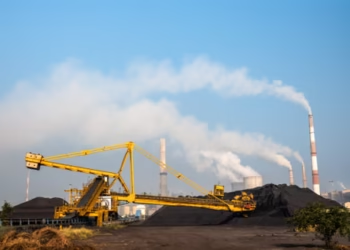 Asia Turns Back to Coal Amid Middle East Energy Crisis
 Relationship with Trump may be beyond repair, Starmer warned
 Trump’s Six-Week Iranian War: The High Cost of Ignorance
 US and Iran Agree to Two-Week Provisional Ceasefire
 Battle of Britain Tower to House Tourists and Bats
 The Challenger: Will Péter Magyar End the Orbán Era?
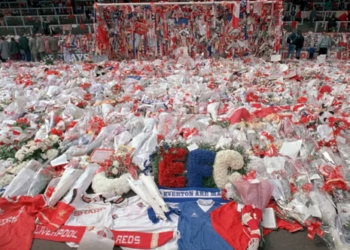 UK Government Poised to Revive Stalled Hillsborough Law
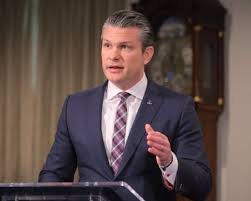 Democrats Move to Impeach Defense Secretary Pete Hegseth
 Security Alert Near Israeli Embassy as Police Investigate
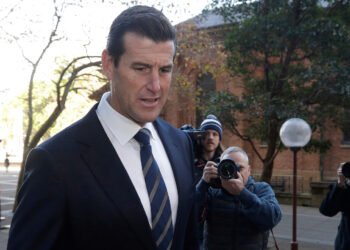 Ben Roberts-Smith Denies War Crime Allegations in First Statement
 Home Office Faces Legal Risks Over Asylum Hotel Living
 US-Iran Standoff: Will Trump Deploy Ground Troops?
 Crisis in NHS Surgery Scheduling Hits Patients Hard
 Investigation Into Anti-Trump Motives After Gala Shooting
 Dubai Assets Linked to Sudan’s RSF Militia Exposed
 Blue Badge Abuse: The Rising Tide of Public Hostility
 Tragedy Strikes at Parafield Airport
 Scott Parker Leaves Burnley After Premier League Drop
 Silent Tracks: Rail Line Without Passengers
 Tough Fiscal Realities Await Next Scottish Government
 The Burning Lens: An Iranian Artist’s Visual Resistance
 Met Officers Probed Over Al Fayed Abuse Allegations
 One Nation Candidate’s Surprising Ties to Independents
 Aramco Surges as East-West Pipeline Counters Gulf Tensions
 Reform UK Faces Crisis as Newly Elected Councillors Resign
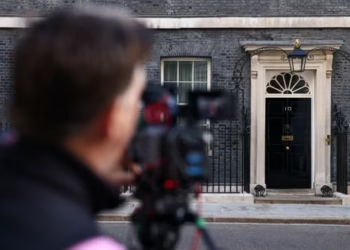 Starmer Strikes Back as 100 MPs Sign Support Pledge
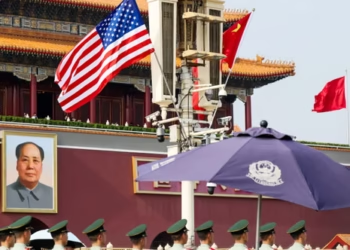 Scepticism and tight security as Beijing braces for Trump
 Tensions Flare as Israeli Nationalists March in Jerusalem
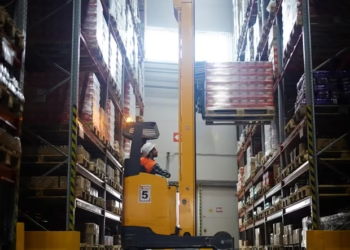 UK Firms Freeze Spending as Iran Conflict Bites
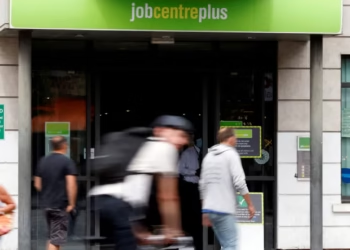 UK Job Market Squeezed as Iran War Drives Jobless Rate to 5%
 Reeves to Fast-Track Clean Energy Amid Iran Crisis
 The Battle for Wembley Sparking Unprecedented Legal Warfare
 Tony Abbott Returns as New Liberal Party President
 Pope Meets Families in Italy Toxic Waste Zone
 Royal Ascot Allegation Sparks Wider Police Inquiry
 Secret Role of UK Security Services in Troubles Amnesty Law
 Tube Strike Brings Capital to a Standstill Over Shift Disputes
 Teaching Machines Right From Wrong in the Digital Age
 Is Ollie Robinson the Chaos English Cricket Needs Today?
 The Hidden Crisis Eroding Trust in British Communities
 Saving the Scalloped Hammerhead: The Pacific Battle
 Stolen Mobiles Could Soon Become Useless Bricks
 Clean Air Initiatives Spark Major Fall in London Hospital Admissions