Published: 04 May 2026. The English Chronicle Desk. The English Chronicle Online.
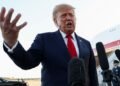
Donald Trump has announced that the US Navy will begin guiding vessels trapped in the Gulf today. He described this new operation as a humanitarian effort to help those caught in the ongoing conflict. The president stated that his representatives are currently holding very positive discussions with the Iranian leadership in Islamabad. He believes these talks could soon lead to a major diplomatic breakthrough for all the parties involved.
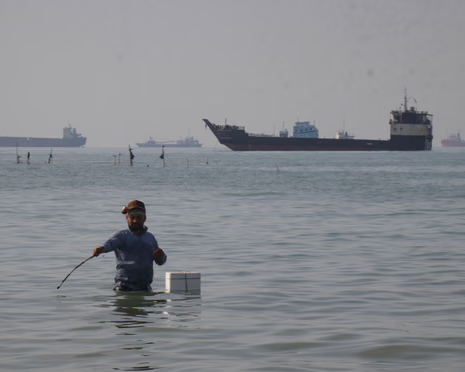
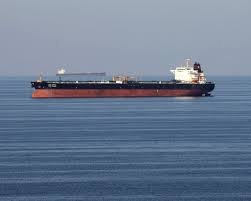
The initiative is officially named Project Freedom and aims to assist roughly eight hundred and fifty ships. Many of these commercial vessels have been stuck since the regional war began on late February this year. Trump shared his plans on social media and emphasized that the US will use its best efforts. He noted that the crews of these ships are innocent bystanders who simply wish to return home safely.
However, the specific logistics of this complex maritime operation remain somewhat unclear to many international naval experts. Some US officials suggested that the plan might not involve direct military escorts for every single ship. Instead, it could be a coordination process to help stakeholders navigate the heavily mined and dangerous waters. This approach would allow the US to manage traffic without immediately sparking a direct naval confrontation with Iran.

The Iranian government has already issued a stern warning regarding any American interference in the strategic strait. One senior official claimed that such actions would be viewed as a serious breach of the ceasefire. Iran has maintained a blockade on foreign shipping ever since the initial US and Israeli air strikes. In response, Trump implemented a counter-blockade against Iranian ports to exert maximum economic pressure on the regime.
The US Central Command confirmed that Project Freedom will involve a massive deployment of various military assets. This includes guided-missile destroyers and over one hundred land and sea-based aircraft to monitor the trade corridor. Additionally, fifteen thousand service members and several multi-domain unmanned platforms will support the safe passage of merchant ships. This high level of military presence underscores the volatile nature of the current situation in the Gulf.
The announcement came shortly after Iran presented a new fourteen-point peace plan through mediators based in Pakistan. This proposal focuses on a thirty-day timeline to transition from the current ceasefire to a permanent peace. It reportedly includes demands for the lifting of economic sanctions and compensation for damage caused during the war. Washington has received the document and promised to study the details carefully before providing a formal response.
Trump appears optimistic about the potential for a deal despite his characteristically unpredictable and often shifting tone. He mentioned that his representatives are working hard to ensure the discussions lead to a very positive outcome. However, he also warned that any interference with the humanitarian process would be dealt with very forcefully. This mixture of diplomacy and military threats has become a hallmark of his administration’s current foreign policy.
Before this latest shift, messages between the two warring nations were conveyed exclusively through Pakistani diplomatic channels. There had been no reported direct contact between Washington and Tehran since the start of the hostilities. Pakistan has played a crucial role as a mediator, hosting high-level delegations for the first time in decades. These efforts have been vital in maintaining the fragile ceasefire that was brokered earlier in early April.
The global economic impact of the closed strait has been severe and felt by almost every nation. Oil prices surged to over one hundred and twenty dollars per barrel last week due to the impasse. This spike has led to significant inflation and growing concerns about a potential global recession or stagflation. Energy security has become the top priority for world leaders as they watch the situation in Hormuz.
The ongoing maritime crisis has also cast a long shadow over Trump’s planned diplomatic trip to China. Beijing is a major customer of Iranian energy and has felt the sting of the current supply disruptions. China previously imported a significant portion of its oil from the region before the conflict halted the flow. Resolving the blockade is seen as essential for stabilizing international markets and maintaining crucial trade relations with Asia.
Beyond the economic statistics, there is a growing humanitarian crisis involving an estimated twenty thousand stranded sailors. These individuals are stuck on tankers and container ships and face dwindling supplies of food and clean water. Trump claimed that many countries have approached the United States asking for help to free their citizens. Project Freedom is framed as a direct response to these urgent international requests for American military assistance.
Despite the talk of peace, there is still intense speculation regarding the possibility of further US military strikes. Some reports suggest that military officials are preparing for operations aimed at halting Iran’s nuclear enrichment activities. Israel has also expressed concerns that any peace agreement must include a total cessation of Iran’s nuclear programme. A senior Israeli officer warned that failing to address this issue would render any ceasefire a strategic failure.
The geopolitical tension extends beyond the Middle East and is currently affecting US relations with its European allies. Trump recently announced a significant reduction of American troops stationed in Germany following disagreements with Chancellor Friedrich Merz. The German leader had criticized the US strategy in the Iran war and called it a deep humiliation. Trump responded by suggesting that even more than five thousand troops could be withdrawn in the near future.
This decision has faced strong opposition from both Democratic and Republican members of the United States Congress. Critics argue that withdrawing troops from Europe sends a dangerous signal to Russia during a time of instability. They suggest that these forces should be moved further east to strengthen the front lines of the alliance. However, Trump has remained firm in his desire to reduce the American military footprint in traditional European bases.

The president has also used the ceasefire to argue that he no longer needs congressional approval for operations. He claimed in a letter to lawmakers that the termination of hostilities means the legal deadlines have expired. Yet, he often contradicts this by telling his supporters that the nation remains at war with dangerous lunatics. This rhetoric keeps both domestic political rivals and international adversaries guessing about his true intentions and next moves.
As the world watches the Strait of Hormuz today, the stakes for the global economy could not be higher. If Project Freedom succeeds in freeing the trapped vessels, it could signal the beginning of a genuine de-escalation. However, any mistake or provocation could easily reignite a full-scale conflict that would devastate international energy markets. The coming hours will determine if diplomacy or force will ultimately prevail in this long and difficult crisis.
The English Chronicle will continue to provide updates on the situation as more information becomes available from the Gulf. Readers are encouraged to follow our digital platforms for the latest developments regarding Project Freedom and the peace talks. The fate of thousands of sailors and the stability of the global economy now rest on these movements. This remains a defining moment for international relations and the future of maritime trade in the twenty-first century.
Related News:
 UPS Cargo Plane Crash in Kentucky Kills Seven
 US private equity set to acquire UK online retailer Very Group
 Switzerland Rolls Out Charm Offensive to Cut Trump’s 39% Tariffs
 Canada Passes Carney’s First Budget in Tight Parliamentary Vote
 India’s Labour Law Overhaul Sparks Fierce Debate
 Carney’s Alberta Pipeline Deal Sparks Immediate Pushback
 Mark Carney Walks Diplomatic Tightrope on China Visit
 Wall Street shaken by Trump tariff shock as markets tumble
 ‘Black Tax’: Burden, Pride and Survival for African Workers
 UK New Car Discounts Near £6,000 as Prices Are Slashed
 Coles Discounts Under Fire in Federal Court
 Trump Tower Gold Coast to Redefine Skyline
 Rory Amon Trial: Alleged Victim Speaks in Court
 Oil Prices Surge as Iran War Jolts Markets
 Gulf shipping crisis as war risk cover pulled
 Global markets face turmoil as Hormuz crisis deepens
 Gulf shipping crisis sparks food price fears
 Oil Prices Surge Above $100 Amid Iran War
 G7 Weighs Emergency Oil Reserves as Prices Surge
 Brazil Floods Warning as Scientists Urge Fossil Fuel Exit
 Asia Scrambles to Confront Energy Crisis Amid Iran War
 The Truth Behind Rising Energy Costs and Fossil Fuel Myths
 UniCredit’s Bold Move to Reshape European Banking
 RBA rate hike sparks fears amid global crisis
 UK Wage Growth Slows as Jobs Market Holds Firm
 Oil Slides, Stocks Jump on Trump Peace Signals
 ABC Staff Strike Over Pay and AI Concerns
 Middle East Conflict to Hit UK Economy Hardest
 Australian Growth Slows as Global Inflation Spike Looms
 The Strategic Failure of Trump’s Conflict With Iran
 Trump to Deploy “God Squad” Over Gulf Wildlife Protections
 Trump Threatens Iran With Total Infrastructure Destruction
 Iran Drone Strike Hits Kuwaiti Oil Tanker in Dubai Port
 Russia: The Unforeseen Winner of the Iran Conflict
 Albanese to Address Nation as War Sparks Economic Crisis
 US Senators Slam Ticketmaster Over Sneaky New Fee Hikes
 Apple at 50: Three Products That Changed How We Live
 California fireworks blast: murder charges filed in case
 IMF Warns Iran War Could Spark Deep Global Recession
 Trump Slams UK Ties and Threatens To Rewrite Trade Deal
 Athens Mayor Moves to Tackle Overtourism Crisis
 Southeast Asia Turns to Russia Amid Energy Crisis
 Ukraine Urges UK to Seize Russian Oil Tankers
 US Calls Australia Media Law “Foreign Extortion”
 Capitalism ‘Suicidal’, Warns Petro at Climate Summit
 Oil Prices Surge Above $120 Amid Iran Blockade Fears
 $13bn World Cup Set to Break All Revenue Records
 Trump approval plunges amid Iran war fears
 Infantino’s Grip Tightens as FIFA Eyes a $14bn Future in Vancouver
 Trump Threatens UN Budget Cuts as US Pushes ‘Trade Over Aid’ Agenda
 Global Conflict Hits Home As Bullock Warns Of Economic Pain
 Norway Doubles Down on Oil and Gas for Europe Energy Security
 US Awaits Iran Reply on New Ceasefire Proposal
 Trump’s Gold Coast Tower Dreams Crumble Amid Toxic Fallout
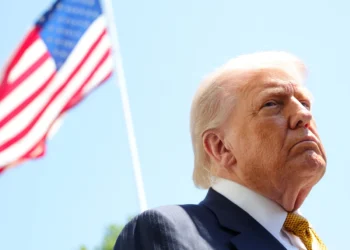 Trump: Preventing Nuclear Iran Is ‘The Only Thing That Matters’
 High Street Crisis: Fears Grow Over Post Office Closures
 Beijing Becomes Centerstage for Global Diplomatic Ballet
 Oil Markets Face ‘Red Zone’ Threat Amid Iran Crisis
 Hormuz Talks Near Critical Stage
 UK Pushes for New EU Goods Trade Deal
 Reeves Fights to Keep Treasury Role Amid Labour Turmoil
 China mine blast death toll rises to 90
 Japan Suffers Plastic Shortage Due to Middle East Crisis
 UK Economy Suffers a Sharp Downturn as Iran Conflict Bites
 Europe Weighs Hormuz Navigation Fee Plan
 Ukraine Creates Long-Range Strike Command
 ‘Extinct’ Antelope Returns to Sahara, Bringing Hope
 Irish Beach Tragedy: Irish Drown at Whitehaven Beach in Australia
 Starmer Faces Parliamentary Battles Over UK-EU ‘Reset’ Plan
 ScottishPower Tops List of Worst UK Energy Suppliers
 UK and US Drop in Global Corruption Index Rankings
 UK Unemployment Rate Climbs to 5.2% Peak
 Canberra Poster Seizure Sparks Free Speech Row
 Jacinda Ardern Move Sparks Kiwi Reflection
 Middle East Airspace Crisis Strands Thousands
 Kelly Wilkinson Inquest Reveals Bail Failure
 Injured Mojtaba Khamenei Elevated as Iran Leader
 Tube Strike Brings Capital to a Standstill Over Shift Disputes
 Sainsbury’s Boss Optimistic As Grocery Inflation Eases
 Houthis Strike Saudi Arabia as Middle East Tensions Rise