Published: 12 June 2026. The English Chronicle Desk. The English Chronicle Online.
The British economic landscape faces a sudden and challenging shift as international conflict interrupts recent domestic financial progress. Official figures reveal the United Kingdom gross domestic product contracted by one tenth of a percent during April. This downturn marks a noticeable reversal from the strong growth celebrated during the opening months of this year.
Geopolitical tensions in the Middle East are heavily impacting economic momentum across the entire European continent. The recent closure of the Strait of Hormuz has severely disrupted vital international maritime shipping routes. Consequently, global energy markets experienced immediate price spikes that filtered directly into British industrial sectors. These escalating energy costs quickly chilled commercial enthusiasm and restricted household spending power across the nation.
Economists across the City of London largely anticipated this minor contraction in monthly economic output. The slight drop followed a promising increase of three tenths of a percent recorded during March. Data from the Office for National Statistics now confirms that early spring momentum has stalled. These new figures will certainly intensify public concerns regarding a broader second quarter economic contraction.
Chancellor Rachel Reeves remains determined to project resilience and stability during this complex global crisis. She firmly maintains that the British economy possessed strong underlying foundations before these international disruptions. Furthermore, the Chancellor directed sharp criticism toward Donald Trump regarding his current foreign policy decisions. She openly described the American administration strategy as a folly that unleashed this destructive conflict.
The Treasury team is working diligently to reassure both financial markets and ordinary British citizens. Reeves pointed out that national inflation was falling consistently before this Middle East conflict erupted. She emphasised that Britain did not seek this war nor did it join the fighting. However, the Chancellor acknowledged that global events inevitably create significant financial consequences here at home.
The government believes previous fiscal choices have placed the nation in a much stronger position. Ministers argue these policies help the country absorb the unexpected domestic costs of foreign conflicts. The Treasury insists it remains fully focused on building a secure and resilient national economy. Nevertheless, independent analysts suggest that political rhetoric may soon clash with difficult fiscal realities.
The recent decline in monthly gross domestic product was driven primarily by weak service sectors. Services output fell by two tenths of a percent during a very difficult monthly period. However, a modest expansion in construction activity managed to offset some of these service losses. The Office for National Statistics provided specific details regarding the underperforming parts of the economy.
The arts, entertainment, and recreation sectors all experienced a significant reduction in overall revenue. Official analysts attributed this specific decline to a sudden reduction in international sporting activity. Multiple high-profile sporting events in the Middle East faced cancellation due to the outbreak of war. These cancellations directly harmed the financial output of various sport businesses based in the United Kingdom.
The construction sector provided a small glimmer of positive news amidst the gloomy economic data. Total output rose slightly over the month, but this increase came from very specific sources. The growth came solely from a temporary increase in essential repair and maintenance work. Meanwhile, the volume of brand new construction work actually fell by three tenths of a percent.
This decline in new building projects occurs despite explicit promises from the Labour administration. The government previously campaigned on a prominent pledge to get Britain building homes once again. Ministers committed to constructing one and a half million new homes over the current parliament. This latest data suggests that achieving those ambitious housing targets will require significant structural effort.
Taking a broader view of the financial data offers a slightly more reassuring economic perspective. Over the three months leading up to April, gross domestic product grew by seven tenths of a percent. This longer term perspective is generally less volatile than fluctuating month to month economic measurements. However, the positive momentum from the winter months is clearly fading under modern geopolitical pressures.
Most international economic forecasters have now significantly downgraded their growth expectations for leading global economies. These downward revisions include the United Kingdom as energy markets remain highly volatile and unpredictable. Higher oil prices resulting from the Middle East conflict continue to drive up domestic inflation. This combination of rising prices and slowing growth creates a difficult environment for corporate investment.
Independent research institutes warn that this current economic slowdown is very likely to intensify soon. Academic experts expect higher energy costs to feed progressively through the wider domestic retail economy. The toughest financial impact will probably hit British households during the upcoming third quarter. This timing aligns with the scheduled rise of the official national energy price cap.
Domestic political developments are also introducing an extra layer of uncertainty into financial market calculations. Senior political commentators are openly discussing the prospect of an upcoming Labour leadership challenge. Rumours suggest that Keir Starmer will face a leadership challenge from rival politician Andy Burnham. This challenge depends heavily on the upcoming results of the crucial Makerfield parliamentary byelection.
Prominent City consultants believe that this renewed political uncertainty will actively harm the economic outlook. Underlying economic growth will likely slow from this point even if diplomatic efforts resolve the war. Higher energy prices and rising borrowing costs are combining to create a significant financial headwind. These factors threaten to bring British economic growth to a complete standstill this autumn.
Crucial data regarding national inflation and the jobs market will emerge early next week. These upcoming figures will provide a much clearer picture of recent wartime economic impacts. Financial institutions will watch these updates closely as they try to predict future market trends. Meanwhile, the Bank of England is preparing for its highly anticipated interest rate decision next Thursday.
The European Central Bank has already taken decisive action in response to these global events. European policymakers raised interest rates on Thursday for the first time since the year 2023. This continental rate increase was a direct response to rising inflation caused by the war. This move increases the pressure on British central bankers to consider similar monetary tightening.
The soft economic data from April highlights the delicate balancing act facing British monetary policymakers. Members of the Monetary Policy Committee must weigh rising inflation against weak economic growth. Raising interest rates too quickly risks choking off what remains of national economic expansion. Conversely, inaction could allow inflation to become deeply embedded within the high street economy.
Financial markets adjusted their expectations for future interest rate rises immediately after the data release. Investors now anticipate only one single quarter point rate increase through the rest of this year. Sentiment turned slightly negative as traders processed the implications of the official government report. Consequently, the British pound fell by two tenths of a percent against the American dollar.
Related News:
 UPS Cargo Plane Crash in Kentucky Kills Seven
 US private equity set to acquire UK online retailer Very Group
 Switzerland Rolls Out Charm Offensive to Cut Trump’s 39% Tariffs
 Canada Passes Carney’s First Budget in Tight Parliamentary Vote
 India’s Labour Law Overhaul Sparks Fierce Debate
 Carney’s Alberta Pipeline Deal Sparks Immediate Pushback
 Mark Carney Walks Diplomatic Tightrope on China Visit
 Wall Street shaken by Trump tariff shock as markets tumble
 ‘Black Tax’: Burden, Pride and Survival for African Workers
 UK New Car Discounts Near £6,000 as Prices Are Slashed
 Coles Discounts Under Fire in Federal Court
 Trump Tower Gold Coast to Redefine Skyline
 Rory Amon Trial: Alleged Victim Speaks in Court
 Oil Prices Surge as Iran War Jolts Markets
 Gulf shipping crisis as war risk cover pulled
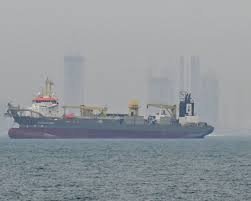 Global markets face turmoil as Hormuz crisis deepens
 Gulf shipping crisis sparks food price fears
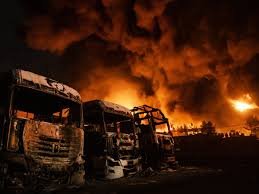 Oil Prices Surge Above $100 Amid Iran War
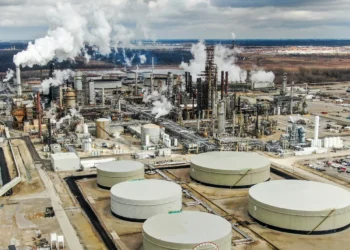 G7 Weighs Emergency Oil Reserves as Prices Surge
 Brazil Floods Warning as Scientists Urge Fossil Fuel Exit
 Asia Scrambles to Confront Energy Crisis Amid Iran War
 The Truth Behind Rising Energy Costs and Fossil Fuel Myths
 UniCredit’s Bold Move to Reshape European Banking
 RBA rate hike sparks fears amid global crisis
 UK Wage Growth Slows as Jobs Market Holds Firm
 Oil Slides, Stocks Jump on Trump Peace Signals
 ABC Staff Strike Over Pay and AI Concerns
 Middle East Conflict to Hit UK Economy Hardest
 Australian Growth Slows as Global Inflation Spike Looms
 The Strategic Failure of Trump’s Conflict With Iran
 Trump to Deploy “God Squad” Over Gulf Wildlife Protections
 Trump Threatens Iran With Total Infrastructure Destruction
 Iran Drone Strike Hits Kuwaiti Oil Tanker in Dubai Port
 Russia: The Unforeseen Winner of the Iran Conflict
 Albanese to Address Nation as War Sparks Economic Crisis
 US Senators Slam Ticketmaster Over Sneaky New Fee Hikes
 Apple at 50: Three Products That Changed How We Live
 California fireworks blast: murder charges filed in case
 IMF Warns Iran War Could Spark Deep Global Recession
 Trump Slams UK Ties and Threatens To Rewrite Trade Deal
 Athens Mayor Moves to Tackle Overtourism Crisis
 Southeast Asia Turns to Russia Amid Energy Crisis
 Ukraine Urges UK to Seize Russian Oil Tankers
 US Calls Australia Media Law “Foreign Extortion”
 Capitalism ‘Suicidal’, Warns Petro at Climate Summit
 Oil Prices Surge Above $120 Amid Iran Blockade Fears
 $13bn World Cup Set to Break All Revenue Records
 US to Escort Trapped Ships Through the Strait of Hormuz
 Trump approval plunges amid Iran war fears
 Infantino’s Grip Tightens as FIFA Eyes a $14bn Future in Vancouver
 Trump Threatens UN Budget Cuts as US Pushes ‘Trade Over Aid’ Agenda
 Global Conflict Hits Home As Bullock Warns Of Economic Pain
 Norway Doubles Down on Oil and Gas for Europe Energy Security
 US Awaits Iran Reply on New Ceasefire Proposal
 Trump’s Gold Coast Tower Dreams Crumble Amid Toxic Fallout
 Trump: Preventing Nuclear Iran Is ‘The Only Thing That Matters’
 High Street Crisis: Fears Grow Over Post Office Closures
 Beijing Becomes Centerstage for Global Diplomatic Ballet
 Oil Markets Face ‘Red Zone’ Threat Amid Iran Crisis
 Hormuz Talks Near Critical Stage
 UK Pushes for New EU Goods Trade Deal
 Reeves Fights to Keep Treasury Role Amid Labour Turmoil
 China mine blast death toll rises to 90
 Japan Suffers Plastic Shortage Due to Middle East Crisis
 Europe Weighs Hormuz Navigation Fee Plan
 Ukraine Creates Long-Range Strike Command
 ‘Extinct’ Antelope Returns to Sahara, Bringing Hope
 Irish Beach Tragedy: Irish Drown at Whitehaven Beach in Australia
 Starmer Faces Parliamentary Battles Over UK-EU ‘Reset’ Plan
 ScottishPower Tops List of Worst UK Energy Suppliers
 UK and US Drop in Global Corruption Index Rankings
 UK Unemployment Rate Climbs to 5.2% Peak
 Canberra Poster Seizure Sparks Free Speech Row
 Jacinda Ardern Move Sparks Kiwi Reflection
 Middle East Airspace Crisis Strands Thousands
 Kelly Wilkinson Inquest Reveals Bail Failure
 Tube Strike Brings Capital to a Standstill Over Shift Disputes
 Britain’s Crowning Butterfly Takes the Nation by Storm
 Sainsbury’s Boss Optimistic As Grocery Inflation Eases
 Houthis Strike Saudi Arabia as Middle East Tensions Rise