Published: 27 July 2026 | The English Chronicle Desk | The English Chronicle Online
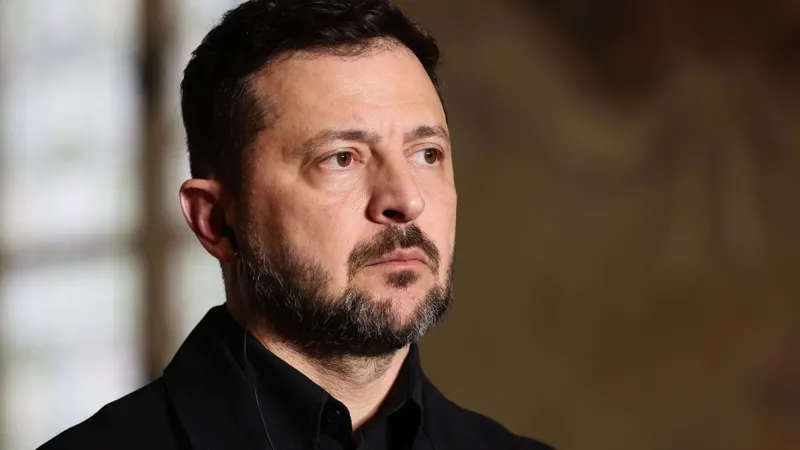
The United Kingdom has reaffirmed its commitment to supporting Ukraine ahead of an anticipated visit by President Volodymyr Zelensky, with Prime Minister Keir Starmer pledging that Britain will continue to stand alongside Kyiv as the war with Russia enters another critical phase.
The announcement comes at a time of heightened diplomatic activity across Europe, as Ukraine seeks sustained military, financial and political support from its allies while continuing to defend its territory against Russian forces. Zelensky’s expected visit is widely seen as an opportunity to strengthen bilateral cooperation and discuss the next stage of international assistance as the conflict continues to reshape European security.
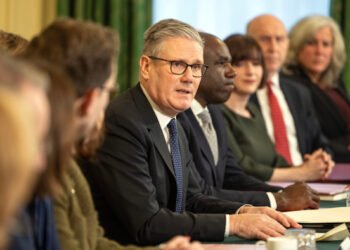
Speaking ahead of the visit, the Prime Minister said the UK’s support for Ukraine remained “steadfast” and would continue for as long as necessary. He stressed that Britain’s commitment was based not only on supporting Ukraine’s sovereignty and territorial integrity but also on defending the broader principles of international law and European stability.
The statement reinforces Britain’s position as one of Ukraine’s strongest international partners since Russia launched its full-scale invasion in February 2022. Successive UK governments have provided extensive military assistance, humanitarian aid, financial support and sanctions against Russia, making London one of Kyiv’s most consistent allies throughout the conflict.

Zelensky’s visit is expected to focus on several key issues, including continued defence cooperation, military training, economic recovery, reconstruction planning and the future of European security. Officials from both countries are also likely to discuss the evolving battlefield situation and Ukraine’s long-term security requirements.
Since the beginning of the war, Britain has supplied Ukraine with advanced military equipment, including air defence systems, long-range missiles, armoured vehicles and ammunition. Thousands of Ukrainian troops have also received military training in the UK under multinational programmes designed to strengthen Ukraine’s defensive capabilities.
British officials have repeatedly argued that helping Ukraine defend itself contributes to wider European security by deterring aggression and reinforcing the international rules-based order.
The Prime Minister’s latest pledge comes as Ukraine continues to face intense military pressure along several sections of the front line. Fighting remains concentrated in eastern and southern regions, where Russian and Ukrainian forces continue to engage in prolonged battles involving artillery, drones and long-range missile attacks.
Civilian communities have also remained vulnerable to strikes targeting infrastructure, energy facilities and residential areas.
Despite the ongoing conflict, Ukraine has continued diplomatic efforts to secure additional international support. President Zelensky has travelled extensively since the invasion began, meeting leaders across Europe, North America and Asia to strengthen alliances and encourage continued military and economic assistance.
His visits have often resulted in new defence agreements, financial aid packages and commitments to support Ukraine’s reconstruction once the war ends.
The United Kingdom has consistently emphasised that support for Ukraine extends beyond military assistance.
British humanitarian programmes have provided emergency medical supplies, support for displaced civilians and funding for essential public services. The UK has also introduced programmes to assist Ukrainian refugees, allowing many families displaced by the conflict to rebuild their lives temporarily in Britain.
Economic assistance has formed another important pillar of bilateral cooperation.
International financial support has helped Ukraine maintain government operations, public services and economic stability despite the enormous pressures created by the war. Reconstruction planning has also become increasingly important as allies prepare for the long-term recovery of damaged cities, infrastructure and industries.
Analysts believe Zelensky’s visit will also include discussions about strengthening sanctions against Russia.
Western governments continue to impose restrictions targeting Russian financial institutions, exports, technology and individuals considered linked to the war effort. Supporters argue that sanctions increase economic pressure on Moscow, while critics question their long-term effectiveness in changing Russian policy.
European security remains central to the discussions.
The conflict has transformed NATO’s strategic priorities and encouraged closer defence cooperation among European allies. Several countries have increased military spending and expanded defence partnerships in response to the changing security environment.
Britain has argued that maintaining support for Ukraine is essential to preventing wider instability across Europe.
Foreign policy experts say Zelensky’s meetings with British leaders are likely to examine not only immediate battlefield needs but also Ukraine’s long-term future within European political and security structures.
Ukraine has continued to pursue closer integration with European institutions while seeking stronger guarantees for its future security.
The visit also carries symbolic significance.
High-profile meetings between Zelensky and allied leaders have consistently demonstrated international solidarity with Ukraine. Diplomatic appearances help reassure both Ukrainian citizens and international partners that support remains strong despite the conflict’s duration.
For Britain, hosting the Ukrainian president reinforces London’s role as an active participant in international efforts to support Kyiv.
The meeting comes amid broader debates in Europe about defence spending, military readiness and the future of transatlantic cooperation.
Governments across the continent face growing pressure to strengthen defence capabilities while balancing domestic economic priorities. Support for Ukraine remains popular among many European governments, although public debates continue regarding the financial costs associated with long-term assistance.
Political observers note that Britain’s continued backing for Ukraine has generally enjoyed cross-party support, reflecting broad agreement that Russia’s invasion represents a significant challenge to international security.
Although political parties may differ on aspects of foreign policy, support for Ukraine has remained one of the more consistent areas of consensus in British politics.
Meanwhile, Ukraine continues to emphasise that international assistance remains essential.
Officials in Kyiv argue that sustained military aid enables the country to defend its population while creating conditions for any future diplomatic settlement. They have repeatedly warned that weakening international support could prolong instability and encourage further aggression.
The Prime Minister’s statement therefore serves both practical and diplomatic purposes.
It reassures Ukraine that Britain intends to maintain its commitments while signalling to international partners that London continues to view support for Kyiv as a strategic priority.

The forthcoming discussions are expected to produce further agreements covering defence cooperation, economic assistance and reconstruction planning.
Although details of any new commitments are likely to emerge following formal meetings, analysts believe both governments will seek to demonstrate continued unity at a time when the conflict remains unresolved.
As the war enters another demanding phase, the relationship between Britain and Ukraine continues to deepen.
For Kyiv, maintaining strong international partnerships remains essential to its military, economic and diplomatic strategy. For Britain, continued support reflects a broader commitment to European security and the defence of international law.
President Zelensky’s visit is therefore expected to reinforce an alliance that has become one of the defining partnerships shaped by the conflict, underlining that the United Kingdom intends to remain a key supporter of Ukraine in the months ahead.
Related News:
 Ceasefire Standoff Deepens in Ukraine War
 Deadly Russian Air Raids Strike Across Ukraine
 British Woman in Iran ‘Losing Hope’ Amid Ongoing Detention
 BBC Journalist Held and Interrogated in Vietnam
 Zohran Mamdani becomes New York City’s first Muslim mayor
Zohran Mamdani names all-female transition team for NYC mayoralty
Zohran Mamdani becomes New York City’s first Muslim mayor
Zohran Mamdani names all-female transition team for NYC mayoralty
 Second world war veterans honoured as King leads Remembrance Sunday
 BBC director-general and news chief resign amid bias row
 Rama Rebukes Mahmood for Targeting Albanian Families
 Russian Vessel Used Lasers on RAF Pilots, UK Claims
 Ireland Boosts Ukraine Aid as Zelensky Visits Dublin
 EU weighs response amid Greenland tariff crisis with Trump
 US Africa aid remarks spark anger after leaked State email
 EU Says US Ties Have Suffered ‘Big Blow’ After Greenland Crisis
 Starmer China visit raises human rights pressure on Beijing
 UK and EU Signal Fresh Push for Defence Cooperation Talks
 Cory Bernardi joins One Nation for SA election
 Starmer Condemns ‘Depraved’ Russian Strikes on Ukraine
 Trump Warns Over Chagos Islands Deal
 Trump and Chagos Deal Rift Over Iran Strikes
 Andrew Mountbatten-Windsor Arrest After FBI Radar
 Farage Chagos Islands Row Sparks Fury
 Trump Tariffs Threat Spark UK and EU Alarm
 UK Allows US Base Use Amid Iran Tensions
 Trump Rebukes Starmer Over Iran Strikes Row
 UK Prepares Aircraft Carrier for Middle East Crisis
 Gordon Brown urges court for crimes against children
 Yvette Cooper: UK Must Follow Principles, Not US Pressure
 UK Minister Denies Iran Missile Threat to Britain
 Army Probes Apache Flyover at Kid Rock’s Nashville Estate
 Relationship with Trump may be beyond repair, Starmer warned
 Italian Town Buys Mussolini Villa to Keep Away Fascist Fans
 Hungary election: Orbán faces biggest test amid scandal
 Charles Faces Trump Test in High-Stakes US Visit
 UK Stands Firm on Falklands Amid US Rift
 Asylum deal sparks fears over Syria deportations
 Global order shifts amid Trump-era turmoil
 Koh-i-noor Diamond Row Reignites Colonial Debate
 France Faces Record Presidential Crowded Race Amid Far-Right Surge
 Norway Doubles Down on Oil and Gas for Europe Energy Security
 Starmer Faces Revolt After Crushing Election Losses
 Putin Declares Russia Victory at Scaled Victory Day Parade
 UK Pushes for New EU Goods Trade Deal
 Reeves Fights to Keep Treasury Role Amid Labour Turmoil
 Zelenskyy warns over Oreshnik threat as Kyiv hit
 Former ICC prosecutor condemns US sanctions
 Irish Gangland Figure Fails in Dublin Election Bid
 Farage and Reform UK Reshape British Politics
 Starmer Leadership Under Pressure After Setbacks
 EU and UK Set July Date for Critical Post-Brexit Summit
 UK Nations Brace for Potential Breakup Amid Reform Surge
 UK Government Cancels Higher Education Programme for Women and Girls
 New South Wales Premier Chris Minns Signals Tough Road Ahead for Labor
 UK Fighter Jets Intercept Russian Aircraft Over Norwegian Sea
 Le Pen to Run for President Despite Embezzlement Conviction
 Labour MPs Urge Burnham to Revive UK Aid Target
 Farage Defends £5m Gift Amid Threats
 UK Must Act with Courage and Clarity on Israel-Palestine Conflict, Says Foreign Affairs Committee Report
 Trump’s UK Ambassador Urges North Sea Drilling to Strengthen US Ties
BBC to Apologise Over Edited Trump Speech Amid Backlash
Trump’s UK Ambassador Urges North Sea Drilling to Strengthen US Ties
BBC to Apologise Over Edited Trump Speech Amid Backlash
 No Gas Boiler Ban as UK Warm Homes Plan Backs Heat Pumps
 Police response times face strict new national limits
 Portugal Election Delivers Socialist Win as Far Right Surges
 Australian Families Leave Syrian Camp for Home
 Civil Service Pay: Union Urges Ministers to End ‘Barking Mad’ Limits
 Russian Trade Routed Through British Islands Exposed
 Finland Plans to Lift Decades‑Old Ban on Hosting Nuclear Weapons
 Thousands Protest Iran Strikes Outside US Embassy London
 Report Says Pezzullo Acted ‘Recklessly’ in Dealings
 Is Britain Ready? Experts Warn of ‘Bizarre’ Military Delay
 “An Endurance Test for the Mind”: British Couple Sentenced to 10 Years in Tehran
 “The Local Gavel”: Polls Open Across Hampshire and Isle of Wight in Delayed ‘Milestone’ Vote
 US Awaits Iran Reply on New Ceasefire Proposal
 Pope Meets Families in Italy Toxic Waste Zone
 Secret Role of UK Security Services in Troubles Amnesty Law
 Starmer Set to Announce Exit Plan as Burnham Eyes No 10
 Burnham Promises Relief on Cost of Living Crisis
 Starmer Predicts Labour Election Win Under Burnham
 Farage Rivals Rule Out Clacton By-Election Fight
 Labour MPs Push for Stricter Political Funding Reforms