Published: 11 July 2026.The English Chronicle Desk. The English Chronicle Online.
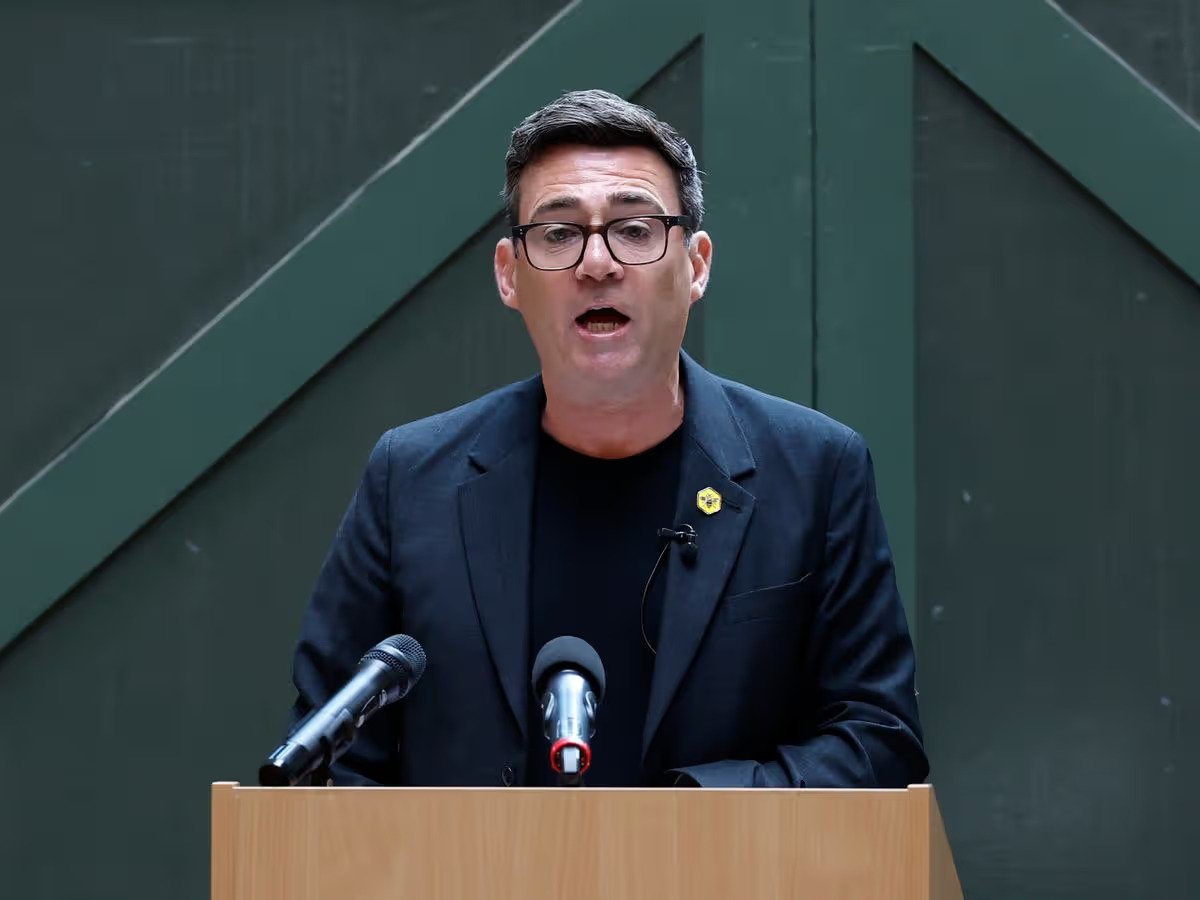
Senior Labour backbenchers are urging Andy Burnham to restore Britain’s international development ambitions by committing to return overseas aid spending to 0.7 per cent of gross national income, a target originally introduced under former Prime Minister Gordon Brown but abandoned during the COVID-19 pandemic. The proposal comes as Labour politicians and policy experts seek to redefine Britain’s role on the global stage, arguing that long-term investment in development is essential for both humanitarian goals and national security.
The recommendations form part of a forthcoming collection of essays produced by the New Economics Foundation (NEF), bringing together Labour MPs, former ministers, international development specialists and foreign policy experts to outline a progressive vision for a future Burnham-led government. The publication reflects growing debate within the Labour movement over how Britain should balance defence spending, international aid and diplomatic influence in an increasingly unstable world.
The project follows a series of discussions involving influential political figures, including former Foreign Secretary David Miliband, who has been widely mentioned as a possible foreign secretary under Andy Burnham, alongside former United Nations Deputy Secretary-General Mark Malloch-Brown. Contributors argue that Britain should move beyond a defensive foreign policy and instead reclaim its position as a leading advocate for international cooperation, poverty reduction and multilateral development.
One of the strongest calls comes from Fleur Anderson, a former government minister whose professional career before entering Parliament focused extensively on international development. In her contribution, Anderson urges Burnham to make a clear commitment to restoring the internationally recognised 0.7 per cent overseas aid target over a ten-year period.

Rather than insisting on rigid annual spending requirements, Anderson proposes a long-term framework that would provide certainty for partner governments, charities, multilateral institutions and humanitarian organisations. Such an approach, she argues, would allow future governments flexibility during periods of exceptional economic or national crisis while maintaining Britain’s long-term commitment to global development.
She believes predictable funding is essential because international development programmes often require years of planning and sustained financial support. Sudden reductions, she warns, disrupt projects ranging from healthcare and education to infrastructure and humanitarian relief, undermining both development outcomes and Britain’s international credibility.
The debate centres on one of the most significant changes to British foreign policy in recent years. The commitment to allocate 0.7 per cent of national income to overseas development assistance became law during Gordon Brown’s premiership and was widely regarded as a landmark achievement in Britain’s international development agenda.
However, in 2020, then Chancellor Rishi Sunak announced that aid spending would temporarily fall to 0.5 per cent of national income, citing the severe financial pressures created by the coronavirus pandemic. Although presented as an emergency measure, the lower spending level remained in place.
Following Labour’s return to government, Prime Minister Keir Starmer opted not to restore the original target. Instead, further reductions in development spending were introduced as resources were redirected towards strengthening Britain’s defence capabilities amid growing international security concerns.
That decision sparked significant criticism from development organisations and led to the resignation of Development Minister Anneliese Dodds, who argued that cutting overseas aid risked weakening Britain’s humanitarian commitments and global influence.
Anderson maintains that increasing defence spending and maintaining international development should not be viewed as competing priorities. Instead, she argues that development assistance helps address many of the root causes of conflict, instability, migration and humanitarian crises before they evolve into larger international security challenges.
According to her assessment, reducing support for fragile countries may ultimately create greater long-term instability, increasing the likelihood of humanitarian emergencies that require even more costly international intervention.
The NEF publication also outlines broader proposals aimed at reshaping Britain’s international economic leadership.
Liam Byrne, chairman of the House of Commons Business and Trade Committee, argues that Britain should use its presidency of the G20 in 2027 to lead discussions on developing an international wealth tax designed to improve public finances and reduce inequality worldwide.
Britain is scheduled to assume the rotating presidency of the G20 following the United States, whose recent approach under President Donald Trump has been viewed by some observers as placing less emphasis on multilateral cooperation. Byrne believes the United Kingdom has an opportunity to rebuild international consensus by promoting practical reforms capable of generating additional resources for both developed and developing economies.
He argues that previous G20 presidencies, including those led by Brazil and South Africa, have already initiated conversations about taxing extreme wealth internationally. Britain, he says, possesses the institutional expertise needed to help design a workable system capable of gaining broader international support.
Development campaigners have also encouraged the government to use Britain’s forthcoming leadership roles within the G20 and G7 to place global development back at the centre of international political discussions.
Many point to the achievements of previous Labour governments, particularly during Tony Blair and Gordon Brown’s leadership, when Britain used its presidency of the G8 to secure major international agreements on debt relief for some of the world’s poorest countries.
Unlike the G8, the G20 includes major emerging economies such as China, Brazil, India and South Africa, making it a more representative forum for addressing global economic challenges.
Former Labour minister Gareth Thomas believes Britain’s leadership of both the G20 and the subsequent G7 presidency offers a rare opportunity to shape discussions about the future of international development after the United Nations Sustainable Development Goals expire in 2030.
Rather than merely defending existing institutions, Thomas argues Britain should encourage the international community to begin designing the next generation of global development priorities capable of addressing poverty, climate change, education and public health throughout the coming decades.
He also proposes launching a high-profile global vaccination initiative to demonstrate the practical value of international cooperation.
Drawing inspiration from the achievements of Gavi, the international vaccine alliance, Thomas suggests Britain could encourage G20 partners to contribute one billion dollars towards a long-term programme aimed at immunising one billion children living in fragile and conflict-affected countries.

Such an initiative, he argues, would not only save lives but also demonstrate how coordinated international action can produce measurable humanitarian and strategic benefits simultaneously.
Danny Sriskandarajah, Chief Executive of the New Economics Foundation, believes Britain has an opportunity to move beyond reactive foreign policy and once again become an international leader on progressive global issues.
He argues that recent years have largely been characterised by efforts to contain crises rather than build long-term solutions. However, Britain now has the opportunity to champion practical proposals on international development, global taxation and reform of multilateral institutions while strengthening its diplomatic influence.
Supporters of the NEF proposals believe Britain’s reputation has historically rested not only on military capability or economic strength but also on its willingness to lead international cooperation during periods of global uncertainty. They argue that restoring long-term development commitments would reinforce both Britain’s strategic interests and its humanitarian values.
As debate continues within Labour over the future direction of British foreign policy, the proposals place renewed emphasis on development assistance as a cornerstone of international engagement. Whether through restoring aid spending, promoting fairer global taxation or shaping the next generation of international institutions, advocates believe Britain has an opportunity to reclaim a leadership role in addressing the world’s most pressing challenges.
Related News:
 Reeves Fights to Keep Treasury Role Amid Labour Turmoil
 UK Wage Growth Slows as Jobs Market Holds Firm
 BBC News Faces Deep Cuts in 2,000 Job Plan
 UK Pushes for New EU Goods Trade Deal
 British Woman in Iran ‘Losing Hope’ Amid Ongoing Detention
 BBC Journalist Held and Interrogated in Vietnam
 Zohran Mamdani becomes New York City’s first Muslim mayor
Zohran Mamdani names all-female transition team for NYC mayoralty
Zohran Mamdani becomes New York City’s first Muslim mayor
Zohran Mamdani names all-female transition team for NYC mayoralty
 Second world war veterans honoured as King leads Remembrance Sunday
 BBC director-general and news chief resign amid bias row
 Rama Rebukes Mahmood for Targeting Albanian Families
 Russian Vessel Used Lasers on RAF Pilots, UK Claims
 Ireland Boosts Ukraine Aid as Zelensky Visits Dublin
 US Africa aid remarks spark anger after leaked State email
 Starmer China visit raises human rights pressure on Beijing
 UK and EU Signal Fresh Push for Defence Cooperation Talks
 Cory Bernardi joins One Nation for SA election
 Starmer Condemns ‘Depraved’ Russian Strikes on Ukraine
 Trump Warns Over Chagos Islands Deal
 Trump and Chagos Deal Rift Over Iran Strikes
 Andrew Mountbatten-Windsor Arrest After FBI Radar
 Farage Chagos Islands Row Sparks Fury
 Trump Tariffs Threat Spark UK and EU Alarm
 UK Allows US Base Use Amid Iran Tensions
 Trump Rebukes Starmer Over Iran Strikes Row
 UK Prepares Aircraft Carrier for Middle East Crisis
 Gordon Brown urges court for crimes against children
 Yvette Cooper: UK Must Follow Principles, Not US Pressure
 Wealthy Britons Flee Gulf War but Avoid UK Taxes
 Farage Faces Backlash Over Crypto Cameo Endorsements
 UK Doubles Steel Tariffs to 50% to Protect Domestic Plants
 UK Minister Denies Iran Missile Threat to Britain
 Army Probes Apache Flyover at Kid Rock’s Nashville Estate
 Relationship with Trump may be beyond repair, Starmer warned
 Unions Raise Concerns Over Doctors’ Pay Dispute
 Trump Faces Crisis as Iran Reopens Hormuz Tensions
 Iran Reimposes Strait of Hormuz Restrictions Amid Tension
 Richard Tice Faces £100k Tax Controversy
 Charles Faces Trump Test in High-Stakes US Visit
 UK Stands Firm on Falklands Amid US Rift
 New UK advice scheme to boost savings and investing
 Trump likens US Navy actions to ‘pirates’
 Ohio’s Battle for Trust: Democrats Vying to Flip the Buckeye State
 Ceasefire Standoff Deepens in Ukraine War
 Koh-i-noor Diamond Row Reignites Colonial Debate
 Middle East Crisis Escalates as Oil Routes Shake Markets
 Starmer Faces Revolt After Crushing Election Losses
 UK rejects EV charging VAT cut amid Treasury clash
 Discontent grows around Putin amid war strain
 Trump Claims Iran Peace Deal Near Completion
 Farage and Reform UK Reshape British Politics
 Starmer Leadership Under Pressure After Setbacks
 Deadly Russian Air Raids Strike Across Ukraine
 UK Government Cancels Higher Education Programme for Women and Girls
 New South Wales Premier Chris Minns Signals Tough Road Ahead for Labor
 UK Must Act with Courage and Clarity on Israel-Palestine Conflict, Says Foreign Affairs Committee Report
 Trump’s UK Ambassador Urges North Sea Drilling to Strengthen US Ties
BBC to Apologise Over Edited Trump Speech Amid Backlash
Trump’s UK Ambassador Urges North Sea Drilling to Strengthen US Ties
BBC to Apologise Over Edited Trump Speech Amid Backlash
 Millionaires group urge Reeves to introduce wealth tax to ‘lift kids out of poverty’
 Reeves rejects £1bn plea for NHS redundancy payouts
 PM Condemns Leaks, Vows Loyalty to Ministers and Stability
 Greene Pushes Epstein Files Amid Trump Fallout
 Artificial intelligence will cost jobs, admits Liz Kendall
 UK and US Drop in Global Corruption Index Rankings
 Canberra Poster Seizure Sparks Free Speech Row
 Wales Approves Assisted Dying Bill Consent
 Jacinda Ardern Move Sparks Kiwi Reflection
 Asylum Seekers to Work After Year-Long Wait
 Injured Mojtaba Khamenei Elevated as Iran Leader
 Inquiry into HMRC child benefit errors launched by NAO
 Air Canada CEO Faces Outcry Over Recent Language Misstep
 UK Government Poised to Revive Stalled Hillsborough Law
 Silent Tracks: Rail Line Without Passengers
 RFU Backs Borthwick Despite England’s Poor Six Nations
 Major test for Labour as polls open in Great Britain
 Keir Starmer Struggles to Secure His Grip on Downing Street
 Makerfield Voters Demand Real Change as Election Looms
 Britain’s Crowning Butterfly Takes the Nation by Storm
 Burnham Pledges New Era of Open Debate for Labour MPs
 Houthis Strike Saudi Arabia as Middle East Tensions Rise