Published: 11 July 2026. The English Chronicle Desk. The English Chronicle Online.
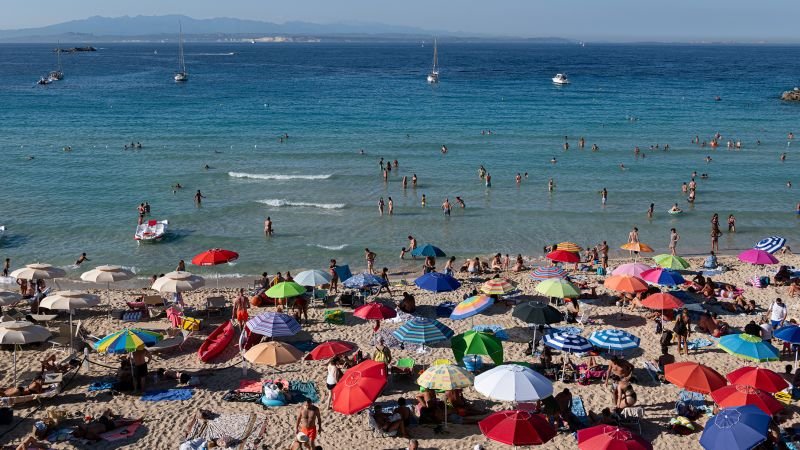
A heated debate over packed lunches at Italy’s private beach clubs has reignited long-running concerns about the commercialization of the country’s coastline, with families, consumer advocates and politicians questioning whether seaside holidays are becoming increasingly unaffordable. What began as a disagreement over a homemade sandwich has quickly evolved into a nationwide discussion about public access, rising tourism costs and the rights of paying customers.
The latest controversy erupted in the seaside town of Vieste on Puglia’s Gargano peninsula after a woman was reportedly confronted by staff at a private beach resort for bringing homemade sandwiches for herself and her two children. Although she had already paid to rent sun loungers and an umbrella for the day, the resort maintained a policy prohibiting guests from consuming food brought from outside.
According to witnesses, the woman attempted to avoid confrontation by hiding the sandwiches inside her beach bag. When lunchtime arrived, she reportedly asked her young son to eat closer to the shoreline, away from resort staff. However, the child was noticed, prompting employees to remind the family that packed lunches were not permitted on the premises.
The incident quickly spread across Italian media and social platforms, triggering widespread criticism and raising broader questions about the increasing costs associated with private beach concessions that dominate much of Italy’s coastline.

Hundreds of kilometres away, on the Lazio coast in Montalto di Castro, many beachgoers expressed sympathy with the family at the centre of the controversy. Among them was Beatrice Bordo, who has rented two loungers and an umbrella for the entire summer season at Il Tirreno beach club.
Having paid €850 for seasonal access, Bordo believes customers should not feel pressured into spending additional money every day at on-site restaurants. While she regularly purchases coffee, ice cream and drinks from the resort’s bar, she sees nothing wrong with bringing a simple homemade lunch to enjoy beneath her umbrella.
Like many regular visitors, Bordo argues that paying substantial fees for beach access should not automatically require guests to dine at resort facilities. For many Italian families, preparing food at home remains a practical and affordable way to spend long summer days by the sea.
The disagreement has also highlighted the absence of a national law banning outside food at private beaches. Instead, individual concession holders establish their own rules regarding food and beverages, leading to varying policies from one resort to another.
Journalist Luca Pernice, who witnessed the Vieste incident, said many families have developed discreet strategies to avoid conflicts with resort management. Some hide sandwiches or snacks in bags, while others encourage children to eat away from staff, reflecting growing frustration over what many perceive as unnecessary restrictions.
The debate intensified after Nicola Ragno, president of the local branch of Assoturismo, defended private operators by arguing that outside meals create practical problems. He claimed that visitors increasingly bring elaborate lunches including pasta dishes, desserts, fruit and beverages rather than simple sandwiches, resulting in additional rubbish, hygiene concerns and greater pressure on resort staff responsible for maintaining clean facilities.
However, many Italians rejected those arguments, insisting that customers who have already paid significant entrance fees should retain the freedom to consume their own food.
The controversy soon reached regional politics when Antonio Decaro, president of the Puglia region, publicly reminded citizens that Italian law does not prohibit bringing homemade food to the beach. In a social media message, he argued that the sea remains a public resource and warned against allowing coastal holidays to become a luxury affordable only to wealthier families.
His comments echoed growing public concern over rapidly increasing prices at many of Italy’s private beaches.
According to consumer association Altroconsumo, the average cost of renting two loungers and an umbrella has increased by approximately six percent compared with last year, with some destinations recording rises of up to sixteen percent. Additional expenses for parking, refreshments and restaurant meals often make a single day at the beach significantly more expensive than many families can comfortably afford.
At Il Tirreno, daily rental prices remain relatively modest by regional standards, starting at around €20 before increasing during weekends. Even so, visitors say compulsory restaurant spending would place an unnecessary financial burden on holidaymakers.
Moira Maccharini, spending the day with her young son and mother, brought homemade breaded cutlets, salad, fruit and yoghurt. She explained that preparing meals at home is not only cheaper but often healthier and more enjoyable than purchasing food at beach restaurants every day.
Her mother, Elisabetta, who grew up in Sicily, believes changing economic conditions have altered traditional Italian summer holidays. She recalled beaches that were once crowded throughout the season but now attract fewer visitors as families shorten vacations or reduce discretionary spending amid the rising cost of living.
Private beach operators acknowledge these financial pressures but argue that running seaside facilities involves substantial expenses. Rachele Giambi, who manages Il Tirreno together with her husband and brother, said concession holders face significant operational costs while only being authorised to operate for a limited summer season.
She explained that maintaining beach infrastructure, employing seasonal staff, complying with safety regulations and paying taxes throughout the year require considerable investment. Although her resort allows customers to bring packed lunches, she noted that problems sometimes arise when visitors leave takeaway containers, pizza boxes and other rubbish behind.

Some operators have instead adopted more flexible approaches. At nearby Il Gabbiano beach club, management offers reasonably priced takeaway-style meals specifically designed for customers wishing to eat beneath their umbrellas. Visitors can purchase freshly prepared lunches, including seafood dishes, at affordable prices while avoiding disputes over outside food.
The controversy has also renewed attention on Italy’s broader debate over private beach concessions. Across different regions, privately operated beaches occupy widely varying proportions of the coastline, ranging from roughly twenty percent in Sardinia to around seventy percent in Emilia-Romagna and Liguria.
Campaign groups such as Mare Libero continue to argue that greater stretches of coastline should remain publicly accessible and that local authorities should invest more in maintaining free beaches. Supporters believe improved public facilities would provide families with genuine alternatives to increasingly expensive private resorts.
For many beachgoers, however, the choice remains difficult. While public beaches often lack toilets, showers, lifeguards and shaded areas, private establishments provide comfort and services that many families value despite rising prices.
As Italy enters the busiest weeks of the summer holiday season, the debate over packed lunches has become symbolic of wider concerns about affordability, consumer rights and public access to one of the country’s most treasured natural resources. Whether the discussion leads to changes in resort policies or broader government action remains uncertain, but the humble homemade sandwich has unexpectedly become the centre of one of Italy’s most talked-about summer controversies.
Related News:
 Essex valley emerges as rising English wine hub
 Thailand Tightens Visa Rules to Curb Tourist Misbehavior
 Olympus Awaits Unesco Heritage Recognition
 Qantas Revamps Loyalty Program Amid $1.46bn Profit Surge
 Rising Costs Force Families to Rethink Days Out
 Glasgow Central Set for Full Reopening After Fire
 UK Aviation Watchdog Clips Heathrow’s Fee Hike Wings
 M&S Demands Urgent Action on Rising Violent Retail Crime
 EU Biometric Border Checks Delayed for UK Travellers
 Storm Dave Disrupts Travel but Conditions Set to Ease
 Harry and Meghan’s Australia Visit Sparks Debate
 10 Scenic Stays in Scotland’s Highlands & Islands
 Athens Mayor Moves to Tackle Overtourism Crisis
 Reform UK funding: mystery billionaire revealed
 US Labor Department in turmoil after secretary resigns
 Ukraine Urges UK to Seize Russian Oil Tankers
 Two Dead in Adelaide Airport Plane Crash Fire
 Border Chaos: UK Travellers Face Massive EU Delays
 Belfast Approves Pilot Extension of Sunday Trading Hours
 Hybrid village stores fight rural decline
 Man killed in shark attack on Great Barrier Reef
 Public Confidence in University Degrees Plummets in the UK
 Jet2 Sees Summer Surge Despite Global Tensions
 Weight-Loss Drugs Transform Fashion Shopping Habits
 England and Norway Fans Turn Miami Into World Cup Carnival
 London Tube Heat Reaches Dangerous Levels
 EasyJet Takeover Sparks Fears Over Passengers’ Future
 Weight-Loss Drugs Offer Food Savings Mainly to High Earners
 Burnham unveils £65m drought aid for farmers
 Reeves Faces Setback as Labour May Miss Homes Target
 Virgin Trains Moves Closer to Challenging Eurostar Monopoly
 Trump’s UK Ambassador Urges North Sea Drilling to Strengthen US Ties
 Ryanair Chief UK Economy ‘Doomed’ Under Labour
 M&S Profits More Than Halve After Cyber-Attack
 Millionaires group urge Reeves to introduce wealth tax to ‘lift kids out of poverty’
 From Lego to Pokémon: How Adults Are Driving UK Toy Market Growth
 Canada Passes Carney’s First Budget in Tight Parliamentary Vote
 Starmer Says Labour’s Economic Plan Needs Years to Deliver
 Starmer Faces Parliamentary Battles Over UK-EU ‘Reset’ Plan
 ScottishPower Tops List of Worst UK Energy Suppliers
 City & Guilds pay surge sparks backlash amid £22m cuts
 Trump Fed bid heads to Supreme Court
 BT Names New Openreach Chief Amid Major Fibre Expansion
 UK Banks Plot Payment Backup Amid Trump Fears
 UK Unemployment Rate Climbs to 5.2% Peak
 Rolling Hills and Heritage: A Car-Free Break in Leicestershire
 Middle East Airspace Crisis Strands Thousands
 Rachel Reeves Faces Middle East Conflict Test
 UK inflation held at 3% before global energy price hit
 Ticketmaster Fees Rise Despite Recent US Junk Fee Crackdown
 New Era for Sick Pay as Millions Gain Critical Rights
 US and Iran Agree to Two-Week Provisional Ceasefire
 Battle of Britain Tower to House Tourists and Bats
 Aegon Sells Historic UK Arm to Standard Life for £2bn
 Central Bank Chiefs Hold Crisis Simulation in Washington
 UK Staycations Rise as Travel Fears Grow
 Former Brexit Chief Calls for Rejoining the EU
 Silent Tracks: Rail Line Without Passengers
 DeepMind Staff Vote to Unionize Over US Military Contract
 High Stakes in Beijing as Trump and Xi Meet Amid Global Turmoil
 Lotus Boss Pledges Future to Norfolk and Seeks State Support
 Trump and Xi Convene in Beijing for Historic High-Stakes Summit
 Rubles and Resilience: How Russia-China Border Towns Thrive
 UK Eases Russian Oil Sanctions as Fuel Costs Soar
 Kevin Warsh sworn in as Fed chair amid economic backlash
 Mid-Year Surge to Push Average Annual Bills Beyond £1,900
 Farage and Reform UK Reshape British Politics
 Tube Strike Brings Capital to a Standstill Over Shift Disputes
 No Brutal EV Price War For British Motorists
 Gas Prices Fall Below $4 Following US-Iran Peace Deal
 Is JD Vance the Ultimate Fall Guy for Trump’s Shaky Iran Deal?
 EU Slashes Steel Quotas But Grants UK Favourable Rates
 Trump Faces Backlash Over $2bn Earnings Since Return
 Starling Bank Trims Jobs for AI Future
 British Teens in EU Face Soaring UK University Fees
 Accessible Travel Could Unlock £176bn for UK Economy
 Apollo Launches £5.7bn Bid for Aviation Giant easyJet
 Thames Water Future Remains Uncertain Amid Funding Crunch
 Westminster Council Threatens Charing Cross Soup Kitchen
 Gen Z turns to BirdTok for a gentler digital escape