Published: 22 May 2026 | The English Chronicle Desk | The English Chronicle Online
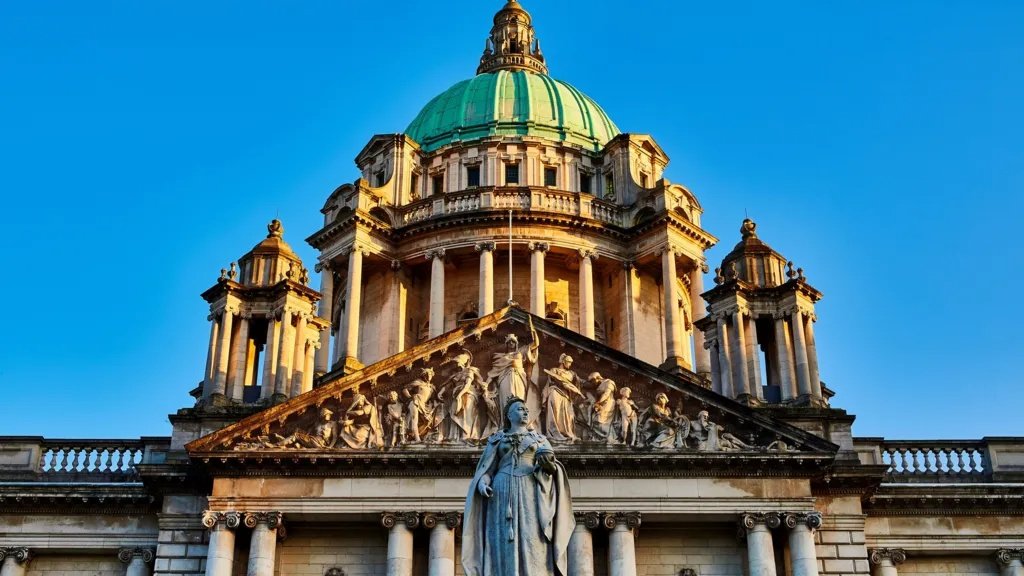
Belfast is set to trial extended Sunday trading hours during two weekends this summer after a Belfast City Council committee backed a pilot scheme linked to one of the city’s largest cultural events.
The decision means that large shops in the city could open earlier than usual on 2 and 9 August, coinciding with the Fleadh Cheoil na hÉireann, which is expected to attract more than 700,000 visitors to Northern Ireland’s capital. The festival is widely regarded as the world’s largest celebration of Irish music and dance, and city leaders hope the temporary change will support tourism, hospitality, and retail activity during the peak summer period.
Under current regulations, large retail stores in Belfast are only permitted to open between 13:00 and 18:00 on Sundays. The pilot scheme would allow earlier trading hours on the selected dates, representing a limited but significant relaxation of existing restrictions.
The proposal, which was backed by a majority of councillors at committee level, will now proceed to a full vote at Belfast City Council next month. Alongside the pilot, councillors also supported the creation of a working group to examine whether broader, long-term changes to Sunday trading rules should be considered in the future.
A public consultation carried out by the council showed strong support for the idea of extended Sunday opening hours. Out of 5,701 responses, including thousands from Belfast residents, around 82% of respondents said they supported longer Sunday trading during the summer months, compared with 16% who opposed it. Only a small proportion of respondents remained neutral.

However, the consultation also highlighted clear divisions among different groups. While support among the general public was high, retail workers themselves were almost evenly split, with 48% in favour and 47% opposed. Trade union representatives have raised concerns that extended hours could place additional pressure on staff, even where protections exist to ensure Sunday work is voluntary.
Political parties were also divided over the proposal. The Democratic Unionist Party opposed the pilot scheme, while the Alliance Party supported extending trading opportunities more broadly but ultimately agreed to the limited pilot following a compromise proposal from Sinn Féin.
The discussion over Sunday trading is not new in Belfast. The issue has been debated repeatedly at City Hall over the past decade, with a previous proposal in 2017 being rejected by councillors. The latest decision marks the most significant step forward in years, although it remains limited in scope and temporary in nature.
For shops and businesses, the pilot is being viewed as a potential opportunity to increase footfall during one of the busiest tourist events of the year. Supporters argue that extended hours will allow visitors more flexibility, particularly during major festivals, and could boost local economic activity across retail and hospitality sectors.
Alliance councillor Michael Long, a long-time supporter of relaxed Sunday trading rules, described the move as a positive step for the city. He argued that extending hours even temporarily would benefit tourists and businesses while still allowing workers the right to choose whether or not to work Sundays.
However, opposition remains strong among trade union representatives. Retail union Usdaw has repeatedly warned that many workers do not want Sunday trading extended, pointing to internal surveys suggesting that a large majority of members prefer to keep existing restrictions. Union representatives argue that, despite voluntary work protections, employees often feel indirect pressure to accept Sunday shifts.
Usdaw organiser Leighann Davidson stated that retail staff value Sunday as essential family time and expressed concern that parents and carers could be disproportionately affected by longer trading hours. She also warned that workplace pressures can sometimes make it difficult for staff to freely refuse Sunday work, even when policies suggest otherwise.

Despite these concerns, council figures suggest strong public backing for the pilot. Business surveys also indicated moderate support, with more than half of responding businesses in favour of longer Sunday opening hours. Supporters of the change argue that Belfast risks losing tourism revenue if trading rules remain too restrictive during peak visitor periods.
In order for any permanent expansion of Sunday trading hours to be introduced, Belfast would need to be officially designated as a holiday resort, a legal classification that would significantly alter existing restrictions. If granted, this designation could allow large stores to open on up to 18 Sundays between March and September, excluding Easter Sunday.
For now, however, the focus remains on the upcoming pilot scheme. If approved by the full council, it will represent a carefully controlled test of expanded trading rules in a city experiencing growing tourism demand and ongoing debate over the balance between economic opportunity and workers’ rights.
As Belfast prepares for one of its busiest cultural events of the year, the outcome of the pilot could shape future decisions on Sunday trading policy across Northern Ireland for years to come.
Related News:
 Qantas Revamps Loyalty Program Amid $1.46bn Profit Surge
 UK Aviation Watchdog Clips Heathrow’s Fee Hike Wings
 Essex valley emerges as rising English wine hub
 Jet2 Sees Summer Surge Despite Global Tensions
 Italy’s Beach Lunch Ban Sparks Holiday Backlash
 EasyJet Takeover Sparks Fears Over Passengers’ Future
 Reeves Faces Setback as Labour May Miss Homes Target
 Virgin Trains Moves Closer to Challenging Eurostar Monopoly
 Trump’s UK Ambassador Urges North Sea Drilling to Strengthen US Ties
 Ryanair Chief UK Economy ‘Doomed’ Under Labour
 M&S Profits More Than Halve After Cyber-Attack
 Millionaires group urge Reeves to introduce wealth tax to ‘lift kids out of poverty’
 From Lego to Pokémon: How Adults Are Driving UK Toy Market Growth
 Canada Passes Carney’s First Budget in Tight Parliamentary Vote
 Starmer Says Labour’s Economic Plan Needs Years to Deliver
 Virgin Media Fined £23.8m Over Telecare Safety Failures
 Starmer Faces Parliamentary Battles Over UK-EU ‘Reset’ Plan
 ScottishPower Tops List of Worst UK Energy Suppliers
 Markets Slide As Gold Rally Signals Risk From Trump Greenland Tariff Plan
 City & Guilds pay surge sparks backlash amid £22m cuts
 UK Inflation Hits 3.4% in December, Ending Five-Month Decline
 Trump Fed bid heads to Supreme Court
 India-EU Free Trade Deal Marks Historic Economic Shift
 Telstra AI jobs cuts as automation drive expands
 BT Names New Openreach Chief Amid Major Fibre Expansion
 UK Banks Plot Payment Backup Amid Trump Fears
 UK Unemployment Rate Climbs to 5.2% Peak
 UK shelves £110m border project amid trade strain
 Rolling Hills and Heritage: A Car-Free Break in Leicestershire
 Middle East Airspace Crisis Strands Thousands
 Rachel Reeves Faces Middle East Conflict Test
 Grocery Inflation Rises Amid War Fears
 BrewDog sold Highland estate for knockdown price after abandoning reforestation plans
 Rising Costs Force Families to Rethink Days Out
 Oil Slides, Stocks Jump on Trump Peace Signals
 UK inflation held at 3% before global energy price hit
 Ticketmaster Fees Rise Despite Recent US Junk Fee Crackdown
 M&S Demands Urgent Action on Rising Violent Retail Crime
 New Era for Sick Pay as Millions Gain Critical Rights
 US and Iran Agree to Two-Week Provisional Ceasefire
 Battle of Britain Tower to House Tourists and Bats
 Stefano Gabbana Resigns as Chair of Italian Luxury Giant
 Rolls-Royce SMR Secures £600m Boost for Nuclear Future
 Aegon Sells Historic UK Arm to Standard Life for £2bn
 Central Bank Chiefs Hold Crisis Simulation in Washington
 UK Staycations Rise as Travel Fears Grow
 Former Brexit Chief Calls for Rejoining the EU
 Albanese Rejects Gas Export Tax Push
 Oil Prices Surge Above $120 Amid Iran Blockade Fears
 Silent Tracks: Rail Line Without Passengers
 Tough Fiscal Realities Await Next Scottish Government
 DeepMind Staff Vote to Unionize Over US Military Contract
 Global Conflict Hits Home As Bullock Warns Of Economic Pain
 STV Election Coverage Disrupted Amid Bitter Pay Dispute
 Aramco Surges as East-West Pipeline Counters Gulf Tensions
 High Stakes in Beijing as Trump and Xi Meet Amid Global Turmoil
 Lotus Boss Pledges Future to Norfolk and Seeks State Support
 Trump and Xi Convene in Beijing for Historic High-Stakes Summit
 High Street Crisis: Fears Grow Over Post Office Closures
 UK Firms Freeze Spending as Iran Conflict Bites
 Rubles and Resilience: How Russia-China Border Towns Thrive
 UK Eases Russian Oil Sanctions as Fuel Costs Soar
 Reeves to Fast-Track Clean Energy Amid Iran Crisis
 Oil Markets Face ‘Red Zone’ Threat Amid Iran Crisis
 Albanese Defends Tax Reforms Amid Emotional Speech
 Tube Strike Brings Capital to a Standstill Over Shift Disputes
 BP Stands Firm on Amanda Blanc Amid Boardroom Storm
 UK House Prices Drop For Third Month Due To War Fears
 Top Chefs Back Andy Burnham to Save UK Hospitality Sector
 GSK Secures Landmark $10.6bn Deal for Nuvalent
 UK Economy Suffers a Sharp Downturn as Iran Conflict Bites
 AI Scams Push UK Investment Fraud Past £220m
 Rethinking the Blueprint for Youth Employment in Britain
 Sainsbury’s Boss Optimistic As Grocery Inflation Eases
 UK Households Suffer Squeeze As Disposable Incomes Drop
 Record £28m Fine for Virgin Media Over Cancellation Woes
 Ukraine Creates Long-Range Strike Command
 London Tube Heat Reaches Dangerous Levels
 BBC Faces Real Jeopardy as Licence Fee Income Declines
 Thames Water Future Remains Uncertain Amid Funding Crunch