Published: 20 May 2026. The English Chronicle Desk. The English Chronicle Online.
The British government is preparing to launch a significant transformation of its planning regulations to protect vital infrastructure from prolonged legal gridlock. Chancellor Rachel Reeves is leading a major initiative aimed at fast-tracking clean energy projects across the United Kingdom. This strategy represents a bold intervention designed to bypass the bureaucratic hurdles that often delay crucial development. The Treasury has confirmed that these comprehensive reforms will focus primarily on curtailing the impact of judicial reviews. Ministers believe that the current legal framework allows minor objections to stall projects of immense national value. The proposed changes will shift the balance of power back toward parliamentary decision-making bodies. This political maneuver arrives at a moment of considerable global instability and intense domestic pressure. Geopolitical tensions stemming from the ongoing Iran crisis have exposed vulnerabilities within the British energy sector. The sudden economic shocks in the Middle East have driven up global fuel prices significantly. Families across the nation are facing higher bills as a direct result of international conflict. The government view is that domestic energy independence has become an urgent national security priority. By accelerating local clean energy production the UK can insulate itself from foreign market shocks.
Under the new framework parliament will receive unprecedented authority to declare specific infrastructure assets. Selected wind farms solar arrays and battery storage sites will be designated as critical national importance. This specific legal status will effectively shield chosen projects from most standard judicial review challenges. The Treasury noted that legal paths will remain open only for valid human rights grounds. This represents a substantial narrowing of the criteria used to challenge major development schemes. For decades renewable energy developers have expressed deep frustration over the sluggish planning system. Gaining permission for large installations often involves years of litigation and intense local opposition. Even after receiving formal approval projects frequently face lengthy delays regarding national grid connections. The government aims to establish a much more predictable environment for long-term commercial investment. Ministers hope that clear legislative backing will give international investors confidence to back British infrastructure. The target remains to build a virtually zero-carbon electricity supply system by the year 2030. Achieving this ambitious milestone requires an unprecedented construction effort over the next four years. Traditional planning paths are simply deemed too slow to meet the looming environmental deadlines.
Recent independent data shows a complex picture of the British renewable sector at present. Analysis from consultancy firm Cornwall Insight revealed that planning approvals hit record levels last year. The total capacity for approved battery wind and solar developments climbed to forty-five gigawatts. This impressive figure represents an increase of ninety-six percent compared to the previous year. However the actual construction and operational startup of these facilities continue to lag behind. Bureaucratic delays and grid connection queues mean that approved capacity often remains unbuilt. The chancellor believes that resolving the legal bottleneck is key to unlocking this trapped potential. For non-energy infrastructure the government plans to introduce a strict fixed legal challenge window. Projects involving vital transport networks and regional water systems will operate under these tight deadlines. Once this specific challenge period closes the planning consent will be permanently locked in. Any legitimate issues raised afterward can only be addressed through structured administrative adjustments. This mechanism prevents the endless cycles of litigation that historically derailed major public works. The Treasury maintains that the country cannot afford to wait while essential projects sit idle.
This aggressive legislative push comes during a period of noticeable political uncertainty in Westminster. Speculation continues to mount regarding the long-term future of Keir Starmer as prime minister. Despite this ambient political noise the chancellor is moving forward with a distinct economic agenda. The Treasury is actively deploying measures to shield the public from immediate inflationary harms. Officials recently asked major British supermarkets to consider voluntary price caps on essential foodstuffs. This intervention aims to protect vulnerable households from grocery bills inflated by foreign conflicts. Reeves is expected to announce further comprehensive cost of living support packages this Thursday. Part of that upcoming announcement includes canceling a planned rise in national fuel duty. The government is attempting to balance long-term structural reform with immediate financial relief. Critics argue that limiting judicial review sets a concerning precedent for local democratic consultation. Environmental groups are torn between the desire for green energy and protecting local habitats. Legal experts have also questioned whether restricting access to courts could face constitutional challenges. The administration insists that extraordinary global circumstances demand swift and decisive executive action at home. The Treasury spokesperson emphasized that vital infrastructure delivery has been delayed too long by objections. The chancellor is determined to alter this dynamic to support rapid national economic growth. The official position is that parliament must take back control of national building priorities. Building more domestic power stations will ultimately bring utility bills down for average citizens. Local green energy generation strengthens national security while creating high-skilled jobs across the country. The government believes that the path to economic resilience relies on modernizing the grid. Every region of the United Kingdom is projected to benefit from the infrastructure surge. By reducing the threat of legal interference the state can guarantee delivery timelines. The upcoming speech by the chancellor will detail the exact mechanics of the legislation. MPs will be asked to debate and vote on these planning changes soon. The debate will likely highlight the tension between local rights and national necessity.
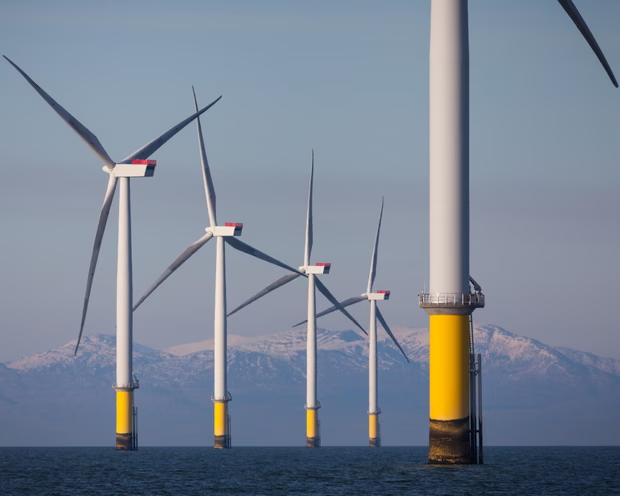
As the 2030 climate targets draw closer the pressure on the cabinet will intensify. The success of these reforms will be measured by actual turbines spinning in fields. The Chancellor is wagering her economic reputation on this massive structural gamble in infrastructure. If the reforms succeed Britain could become a global leader in green energy independence. If they falter the nation remains exposed to volatile international fossil fuel markets. The next few months will demonstrate whether parliament can truly accelerate national construction. For now the Treasury is signaling a complete intolerance for further planning delays. The move marks a definitive end to the cautious approach of previous decades. British industrial policy is being rewritten under the pressure of global economic warfare. The English Chronicle will continue to track this developing story from Whitehall closely.
Related News:
 Reeves Faces Setback as Labour May Miss Homes Target
 Trump’s UK Ambassador Urges North Sea Drilling to Strengthen US Ties
 ABF May Split Primark from Food Division Amid Tough Market
 UPS Cargo Plane Crash in Kentucky Kills Seven
 M&S Profits More Than Halve After Cyber-Attack
 Tony Blair think tank warns Rachel Reeves must cut taxes if manifesto broken
 Oprah enjoys Meghan’s jam on English muffins
 Millionaires group urge Reeves to introduce wealth tax to ‘lift kids out of poverty’
 UK toy market enjoys bumper year as ‘kidults’ fuel demand
 Global markets drop amid tech sell-off and China slowdown
 PM Highlights UK Business at G20 in South Africa
 Mossmorran Plant Closure Hits Cowdenbeath Hard
 UK Taskforce Unveils Plan to Streamline Nuclear Reactor Rules
 Steel billionaire Lakshmi Mittal reportedly leaves UK
 Starmer Says Labour’s Economic Plan Needs Years to Deliver
 Virgin Media Fined £23.8m Over Telecare Safety Failures
 Rising Water Bills Lift Troubled Thames Back to Profit
 Sainsbury’s CEO leads business honours in New Year list
 Starmer Faces Parliamentary Battles Over UK-EU ‘Reset’ Plan
 Phoenixism Costs UK Taxpayers Millions in Recruitment Sector
 ScottishPower Tops List of Worst UK Energy Suppliers
 City & Guilds pay surge sparks backlash amid £22m cuts
 UK Government Borrowing Drops to £11.6bn in December
 AI job losses UK: Britain faces sharper employment shock
 Most young adults in UK fear uncertain jobs and economic future
 Royal Mail delivery delays affect 16 million during Christmas
 UK Housing Market Shows Early Recovery Signs
 UK economy struggles as growth stalls at 0.1% in late 2025
 Bank of England Urged to Cut Rates to Spur Growth
 UK Unemployment Rate Climbs to 5.2% Peak
 UK shelves £110m border project amid trade strain
 UK Inflation Surprise Sparks Early Rate Cut Hopes
 Progress on gender equality at top UK firms ‘achingly slow’
 Reeves Must Back Defence Plan or Face Dismissal, Says Unite Chief
 Switching Energy Deal Can Save £200 as Price Cap Falls
 OBR Reform Row Deepens Before Spring Forecast
 UK Hotel Data Sharing Probe Shakes Global Chains
 Rachel Reeves Faces Middle East Conflict Test
 Grocery Inflation Rises Amid War Fears
 Peak Greggs fears as profits tumble sharply
 BrewDog sold Highland estate for knockdown price after abandoning reforestation plans
 Yorkshire Water Funding Sparks Debate Amid Fines and Pay Row
 New £10bn rescue plan offered for Thames Water
 UK Energy Reform Could Cut Bills by £200
 Rising Costs Force Families to Rethink Days Out
 Hospitality Sector Teeters on Brink as Costs Surge
 Iceland Boss Offers Role to Sacked Waitrose Employee
 Student Loan Interest May Rise Despite 6% Cap
 Aegon Sells Historic UK Arm to Standard Life for £2bn
 Major Housebuilder Cuts Land Buying Amid Global Unrest
 UK Staycations Rise as Travel Fears Grow
 City & Guilds Sale Sparks Fees and Pay Uproar
 Silent Tracks: Rail Line Without Passengers
 Heathrow Chair Seeks Peace to Save Third Runway
Carillion Executives Banned After Reckless Misconduct
Heathrow Chair Seeks Peace to Save Third Runway
Carillion Executives Banned After Reckless Misconduct
 Lotus Boss Pledges Future to Norfolk and Seeks State Support
 Millionaires Back Higher Taxes to Save UK Public Services
 UK Firms Freeze Spending as Iran Conflict Bites
 Summer Shock: British Energy Bills Set for Grim July Hike
 M&S Boss Slates Food Price Caps as ‘Preposterous’
 UK Pushes for New EU Goods Trade Deal
 UK Urged to Build EU Rejoin Consensus, Says Miliband
 Tube Strike Brings Capital to a Standstill Over Shift Disputes
 BP Stands Firm on Amanda Blanc Amid Boardroom Storm
 Steel Tensions Rise Between United Kingdom and European Union
 UK House Prices Drop For Third Month Due To War Fears
 Top Chefs Back Andy Burnham to Save UK Hospitality Sector
 UK Steel Crisis: Jingye Demands Payout After Takeover
 Flutter to Cancel London Stock Exchange Share Listing
 AI Scams Push UK Investment Fraud Past £220m
 Whitehall Steps In: The Battle Over Thames Water Deepens
 Thames Water Nationalisation Pushes Closer After Rescue Objected
 John Lewis Invests £20m in Glasgow Store Upgrade
 Andy Burnham Enlists Economic Heavyweights for Leadership Bid
 Tories Clinch Shock Victory in Aberdeen South Byelection
 Rethinking the Blueprint for Youth Employment in Britain
 Sainsbury’s Boss Optimistic As Grocery Inflation Eases
 UK Households Suffer Squeeze As Disposable Incomes Drop
 Bank of England Eases Rules Despite Rising AI Risks
 BBC Faces Real Jeopardy as Licence Fee Income Declines