Published: 20 May 2026. The English Chronicle Desk. The English Chronicle Online
In a move described by officials as both “time-limited” and “pragmatic,” the British government has quietly issued new trade licenses that effectively relax sanctions on Russian-linked energy products. The decision, which took effect this Wednesday, permits the import into the United Kingdom of jet fuel and diesel derived from Russian crude oil, provided the refining process occurs in a third-party country such as India or Turkey. This significant policy shift is a direct response to the deepening global energy crisis triggered by the ongoing conflict in the Middle East and the effective blockade of the Strait of Hormuz—a vital maritime “bottleneck” through which approximately one-fifth of the world’s oil supply typically flows.
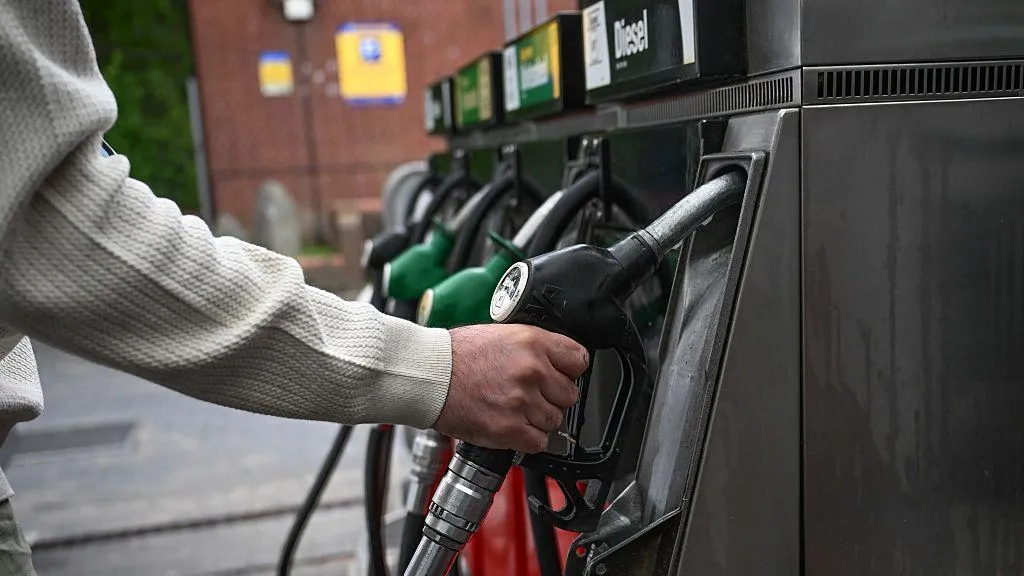
The decision has sparked a polarized reaction. Supporters within the government argue that this “asymmetric” concession is a necessary firewall to protect the British economy from the severe impacts of surging fuel costs. With petrol and diesel prices at UK forecourts reaching their highest levels since late 2022, and with forecasts suggesting further increases, ministers have emphasized that safeguarding the “security of supply” for essential goods is a fundamental duty. Treasury Minister Dan Tomlinson defended the move as a “small and specific” intervention, insisting that the broader sanctions regime against Moscow remains among the most stringent in the world, even as these temporary carve-outs are utilized to navigate the current, “nasty” economic environment.
However, the political fallout has been swift and sharp. Opposition leaders and various policy critics have denounced the move as an “asymmetric” retreat, warning that it sends a dangerous signal of weakness to the Kremlin. The leader of the Conservative Party, Kemi Badenoch, was particularly scathing, characterizing the decision as “insane” and accusing the government of undermining its own long-standing pledge to “stand up to Putin.” Similar criticisms have emerged from within the parliamentary benches; Dame Emily Thornberry, chair of the Foreign Affairs Committee, warned that the people of Ukraine would feel “very let down” by a decision that appears to prioritize national convenience over the collective effort to cripple Russia’s war-funding capabilities.
The economic context of this move is undeniably bleak. Since the escalation of the Middle East conflict on February 28, UK motorists have paid a collective “war premium” estimated at over £3 billion in inflated pump prices. Recognizing the acute financial pain being felt by households and industry alike, Prime Minister Keir Starmer simultaneously announced that a planned increase in fuel duty, originally scheduled for September, will be scrapped and the current 5p per litre reduction extended through the end of the year. This dual-track approach—relaxing supply-side restrictions while delaying tax hikes—is a “speechless determination” by the government to manage a cost-of-living crisis that is fast becoming a systemic threat to domestic stability.
Furthermore, the government has issued a separate, time-limited license allowing for the maritime transport and delivery of liquefied natural gas (LNG) from key Russian production plants like Sakhalin-2 and Yamal. This move, valid until January 1, 2027, mirrors similar steps taken by the United States, which has also recently extended waivers for Russian oil shipments already at sea. While these actions reflect the severe, “clinical” pressures of a global energy system in chokehold, they have nonetheless created friction among international allies. Finance ministers from the G7 nations, while reaffirming their “unwavering commitment” to imposing costs on Russia, now face the difficult task of justifying these selective exemptions to a global community that is struggling to balance the desire for punitive measures against the immediate, tangible necessity of affordable energy.
For the UK government, the path forward is a narrow, “asymmetric” corridor of compromise. Officials maintain that the licenses are “indefinite” in duration only in the sense that they will be reviewed periodically, remaining subject to revocation as energy markets stabilize. Yet, as energy analysts point out, the Kremlin will likely perceive this shift as an opening in the Western wall of resolve. For now, the administration is prioritizing the immediate, “clinical” need to keep the economy moving and air travel affordable. Whether this pragmatic pivot succeeds in insulating the British public without permanently fracturing the international consensus against Russia remains the most significant, “asymmetric” gamble of the year.
Related News:
 “The Energy Levy”: Understanding the ‘Milestone’ Windfall Tax on Oil and Gas Giants
 UK Must Act with Courage and Clarity on Israel-Palestine Conflict, Says Foreign Affairs Committee Report
 Radioactive Leak at UK’s Nuclear Warhead Base Sparks Outcry Over Safety and Secrecy
 Mutual Inconvenience: Why Alaska Was Chosen for the Trump-Putin Summit on Ukraine
 Terence Stamp, ’60s British Film Legend and Star of Superman, Dies at 87
 Where Is Prince William and Kate Middleton’s New House? Inside the Historic Lodge Set to Become Their ‘Forever Home’
 FIFA Eyes Biennial Club World Cup from 2029, Plans Possible Expansion
 Is the UK Ready to Put Boots on the Ground in Ukraine? Assessing Military Capacity and Challenges
 Shein UK Faces Allegations of Shifting Majority of Profits to Singapore to Reduce UK Tax
 British Couple Among 16 Killed in Lisbon Funicular Tragedy
 Protests Expected as Israeli Arms Firms Join Global Defence Trade Fair in London
 Thousands Gather in London to Protest Donald Trump’s Second UK State Visit
 British AI Startup Outshines Human Forecasters in Global Prediction Contest
 Liverpool Vs outhampton Set for Carabao Cup Clash at Anfield
 UK Fighter Jet Purchase Could Breach Nuclear Treaty, Warns CND
 A Third of EU Citizens in UK Report Discrimination by Public Bodies Post-Brexit
 Public Trust in SNP Hits Historic Low Amid NHS Concerns
 Cooper Unveils £4m Cyber Plan Against Russian Hackers
 Johnson Suggests Mandelson Linked to China Spy Controversy
 Rachel Reeves signals welfare reform ahead of key budget
 Top Christmas Books Reads: Classics to Cozy Romcoms
 Just Stop Oil Protesters Convicted Amid Climate Defence Row
 I’m a Celebrity 2025 line-up revealed: Osbourne joins
 Palace May Restore Hyphen to Andrew Mountbatten-Windsor’s Name
 Royal Navy Shadows Russian Warships Entering the Channel
 Starmer China visit raises human rights pressure on Beijing
 UK New Car Discounts Near £6,000 as Prices Are Slashed
 Starmer Weighs Fast-Tracking Defence Boost
 Snow and Rain Warnings as Cold Snap Continues in the UK
 Dual Nationals Face Scramble for UK Passports as New Rules Come Into Force
 Trump and Chagos Deal Rift Over Iran Strikes
 Australian PM Says Former Prince Andrew Has Suffered ‘Extraordinary Fall’ but That Won’t Prompt Republic Referendum
 Farage Chagos Islands Row Sparks Fury
 US Will Not Back Out of Tariff Deals with UK and Others, Says Trump Trade Representative
 Storm Hernando: Edinburgh Airport Flights Cancelled in US Travel Chaos
 ‘We’ve been paying for happy endings for Andrew for years’: inside the royal disgrace, biographer says
 Islanders Advised on Travel to Middle East Amid Escalation
 Brit ‘in Good Spirits’ Amid Dubai Missile Attacks, Stranded but Safe
 Trump rebukes Starmer over Iran strikes
 Stranger ‘On Drugs’ Stabbed Saudi Student to Death in Cambridge
 Minister Meets Crews Who Will ‘Take Out’ Iranian Drones
 ‘We Must Finish This’: Israelis Rally Behind War Effort as Iran Strikes Tel Aviv
 UK Prepares Aircraft Carrier for Middle East Crisis
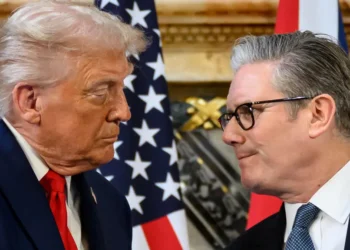 UK–US Tensions Ease as Starmer and Trump Hold First Call Since Iran Row
 UK Fuel Tax Hike Plan to Be Kept Under Review Over Iran Conflict
 Oil Price Jumps Despite Deal to Release Record Amount of Reserves
 ‘Heating Oil Suppliers Are Holding Us to Ransom’ as Prices and Cancellations Surge
 Yvette Cooper: UK Must Follow Principles, Not US Pressure
 Iran War Warning: Starmer Backs Ukraine Visit
 UK Wage Growth Slows as Jobs Market Holds Firm
 Philippines energy emergency sparks coal power surge
 Australia Imposes Sudden Travel Ban on Iranian Visitors
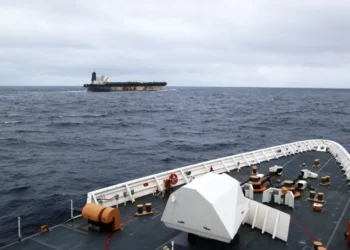 UK Forces Ready to Seize Russian Shadow Fleet Vessels
 Net Closes on Lyons Clan: Partner Arrested in Dubai as Crime Boss Snared in Bali
 ‘Better Off Not Planting’: UK Farmers Face 36% Fertiliser Spike as Gulf Crisis Bites
 ‘The Final Word’: Kathleen Stock’s Polemic Against Assisted Dying Reshapes the UK Debate
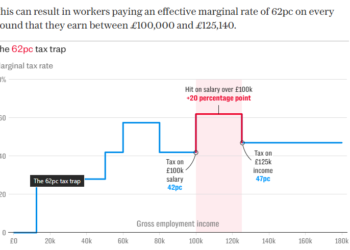 The ‘Career Ceiling’: One in Five High Earners Say £100k Tax Trap is ‘Ruining’ Their Ambition
 Open Justice Prevails as Court Rejects Bondi Gunman’s Family Anonymity Bid
 The Banbridge Rescue: 300 Sheep Saved from Massive Hay Shed Inferno
 Hungary Claims Plot to Target Gas Pipeline Pre-Vote
 Debt Relief or Drop in the Ocean? UK Caps Student Loan Interest at 6%
 ‘The £100,000 Hammer’: War in Iran Forces UK Businesses to Absorb Historic Fuel Hikes
 “Three-Wheeled Triumph”: Mayor of Erewash Completes 2,000-Mile European Charity Run
 The “Charles Charm” Offensive: Did the Royals Find Their Mojo in D.C.?
 “An Endurance Test for the Mind”: British Couple Sentenced to 10 Years in Tehran
 Premier League drama defines crucial weekend
 “The Hormuz Ceasefire”: Oil Slips and Markets Surge as Trump Pauses Naval Mission
 “The Cost of Conviction”: Palestine Action Activists Found Guilty Over ‘Clinical’ Factory Damage
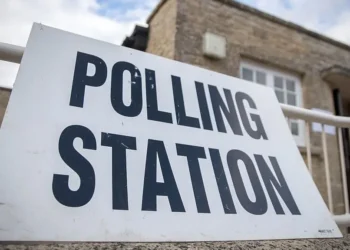 “The Local Gavel”: Polls Open Across Hampshire and Isle of Wight in Delayed ‘Milestone’ Vote
 “The Blue Light Intersection”: Seventeen-Year-Old Critically Injured in ‘Nasty’ Police Pursuit Crash
 “The Trading Bonanza”: Shell Profits Soar to $6.9 Billion Amid Iran War ‘Volatility’
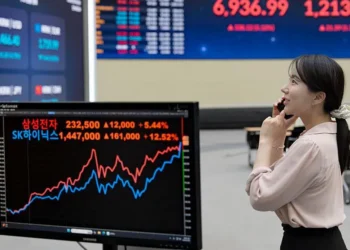 “The Peace Dividend”: Oil Prices Plunge and Global Stocks Surge on Reports of Iran Ceasefire Deal
 “The Fractured Frontier”: Sir John Curtice Declares the ‘Sacred’ Two-Party Era Over After ‘Milestone’ Results
 The Pathogen Protocol”: Third British National Monitored for ‘Nasty’ Suspected Hantavirus
 “The Reality Reckoning”: Government Demands Accountability as Channel 4 Pulls Married at First Sight UK Over Grave Sexual Assault Allegations
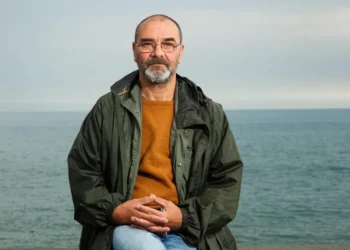 “I’ve Been Cheated”: Andrew Malkinson Lambasts the ‘Accountability Rot’ of the British Justice System Following True Perpetrator’s Conviction
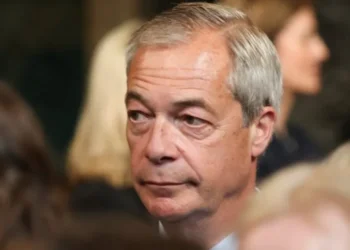 “A Thorn in the Side”: Farage Faced with Fresh Financial Scrutiny as Corporate Accounts Challenge Reality TV Defense
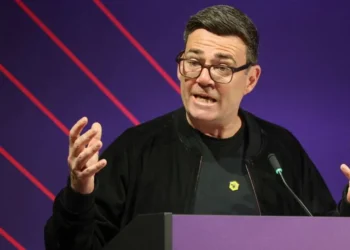 “The Iron Chancellor of the North”: Andy Burnham’s High-Stakes U-Turn to Prevent a Truss-Style Gilt Market Meltdown
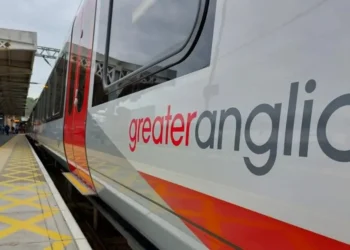 “The London Lockdown”: Tube Strikes and Engineering Works Create a Transport Perfect Storm Across the UK
 “A Historic Tumble”: Lost 1930s Film Reel Reveals the Untamed Origins of Gloucestershire’s Legendary Cheese-Rolling